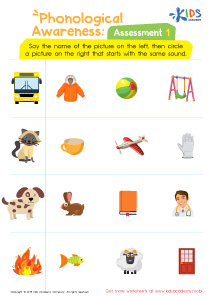
Normal Three Letter Words Phonics Worksheets for Ages 5-9
5 filtered results
-
From - To
Discover our engaging Normal Three Letter Words Phonics Worksheets, perfect for kids aged 5-9! These worksheets are designed to strengthen phonics skills and enhance early literacy through fun, interactive activities. Each worksheet focuses on three-letter words, helping young learners reinforce their understanding of sounds, letter combinations, and word recognition. With a wide range of exercises including matching, filling in blanks, and coloring, students will develop their reading and writing abilities in a playful manner. Ideal for the classroom or at home, our worksheets make learning phonics enjoyable and effective. Dive into the world of phonics for a bright reading future!
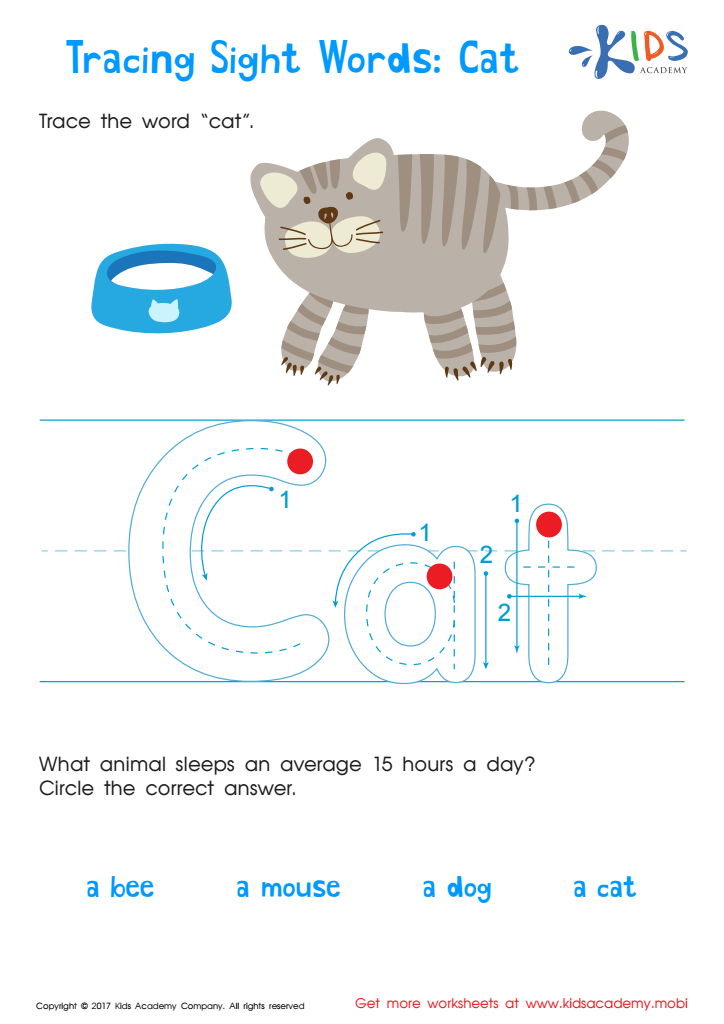
Cat Printable Sight Words Worksheet
 Assign to My Students
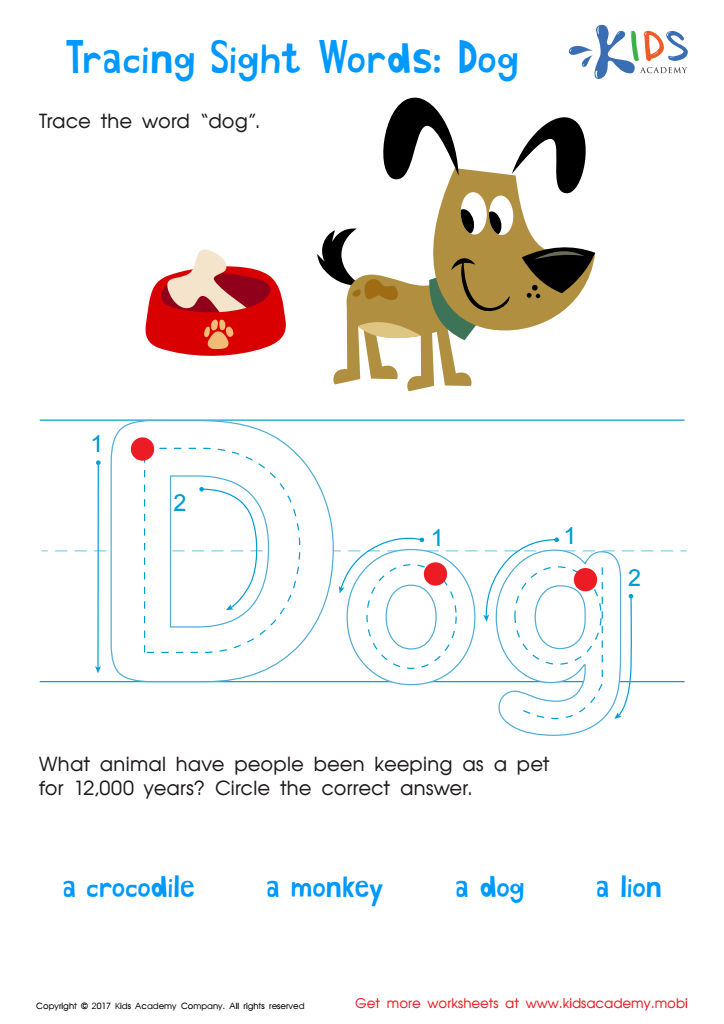
Dog Worksheet Sight Words Worksheet
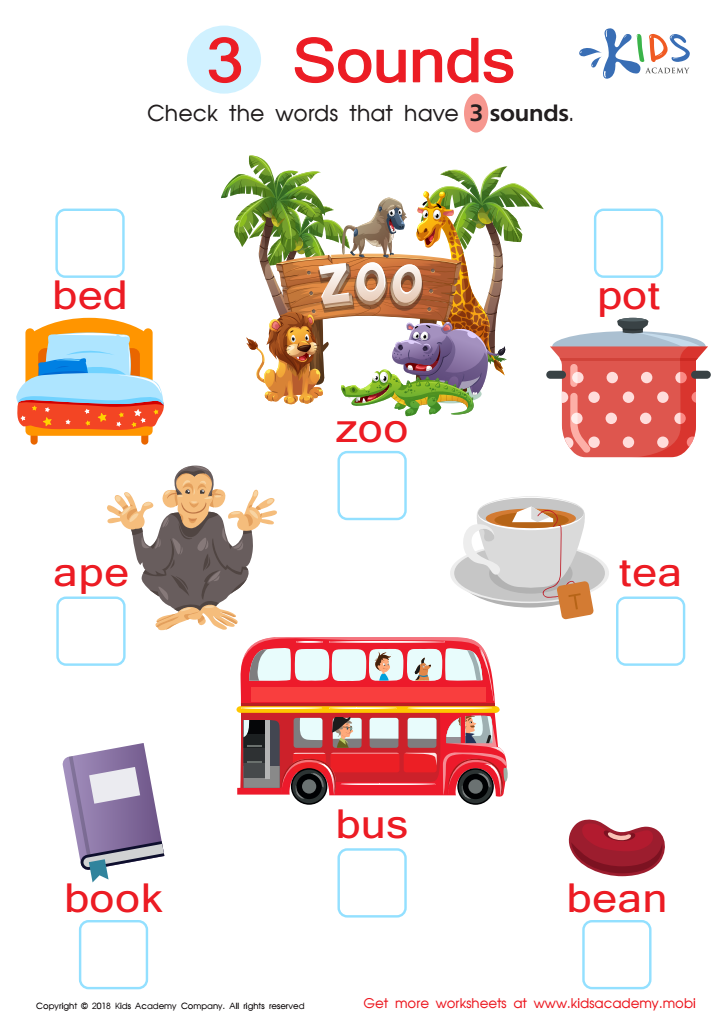
3 Sounds Worksheet
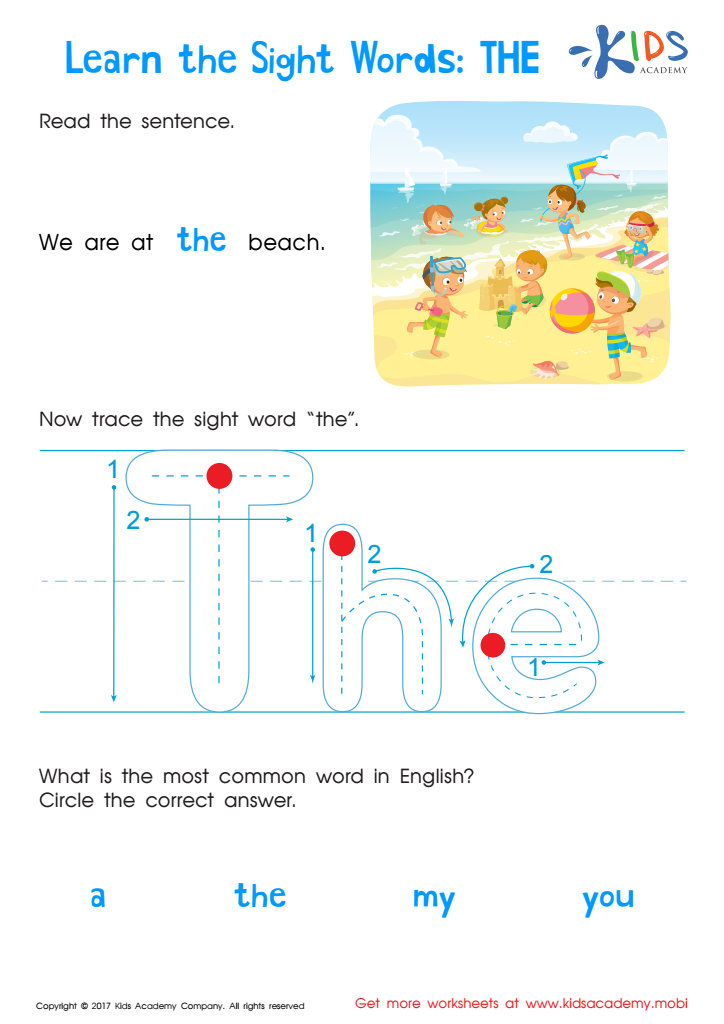
Sight Words: The Worksheet
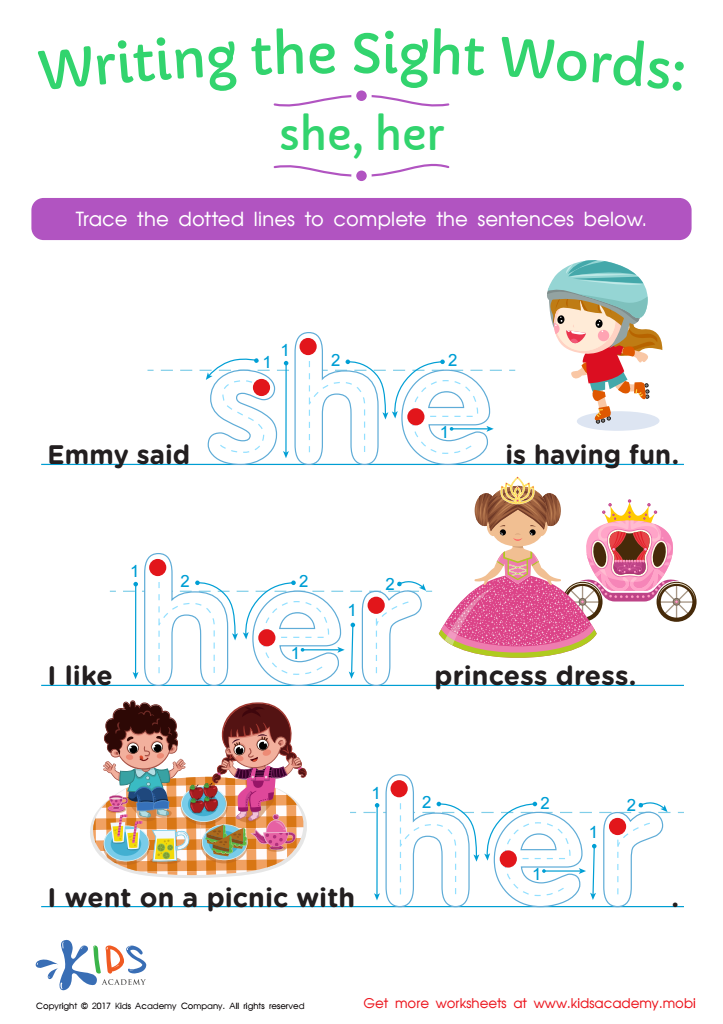
She, Her Printable Sight Words Worksheet




Parents and teachers should prioritize Normal Three Letter Words Phonics for children aged 5-9 because it lays a crucial foundation for reading and language development. At this age, children are typically in the early stages of literacy, and understanding phonics is essential for decoding unfamiliar words, improving their reading fluency, and enhancing spelling skills.
Three letter words, often referred to as CVC (consonant-vowel-consonant) words, are simple and sound out easily, helping young learners grasp the relationship between letters and sounds. This foundational knowledge not only boosts their confidence but also encourages a love for reading, which is vital for academic success throughout their education.
Moreover, mastering phonics aids in developing critical thinking and cognitive skills as children learn to manipulate letters and sounds. When parents and teachers actively engage with phonics instruction through fun activities and games, children are more likely to retain information and apply it in real-life contexts.
Encouraging familiarity with Normal Three Letter Words Phonics equips children with essential tools for effective communication and creates a pathway for lifelong literacy, empowering them to express themselves and succeed academically. By investing in their phonics education, parents and teachers can significantly influence their literacy journey and overall development.