Normal Numbers 0–10 Worksheets for Ages 5-9 - Page 2
34 filtered results
-
From - To
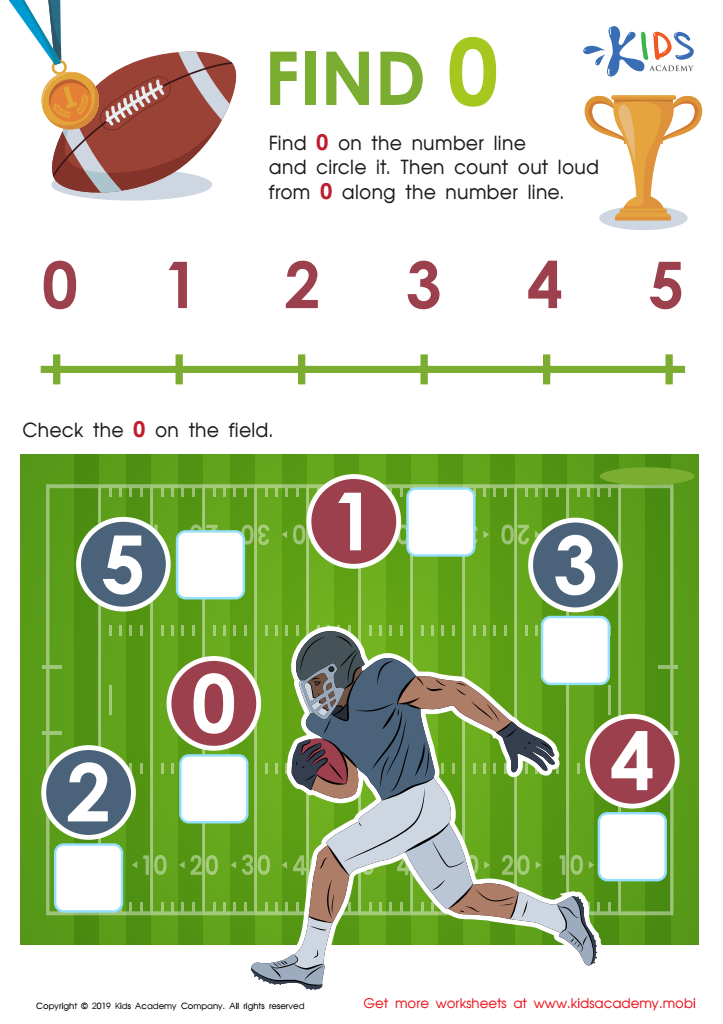
Find 0 Worksheet
 Assign to My Students
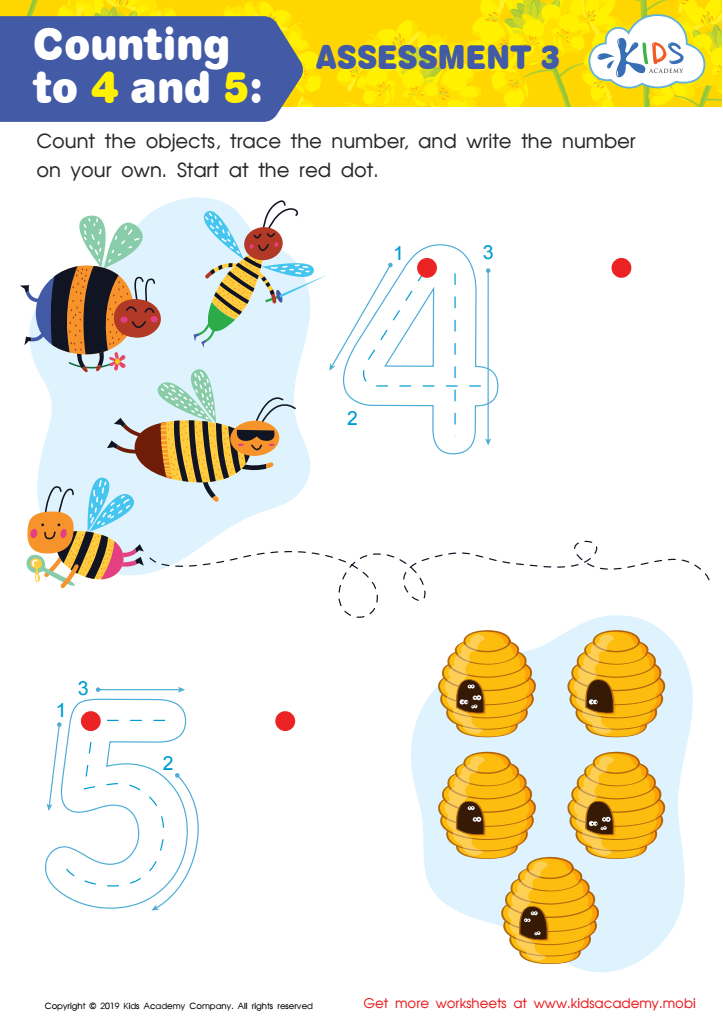
Counting to 4 and 5: Assessment 3 Worksheet
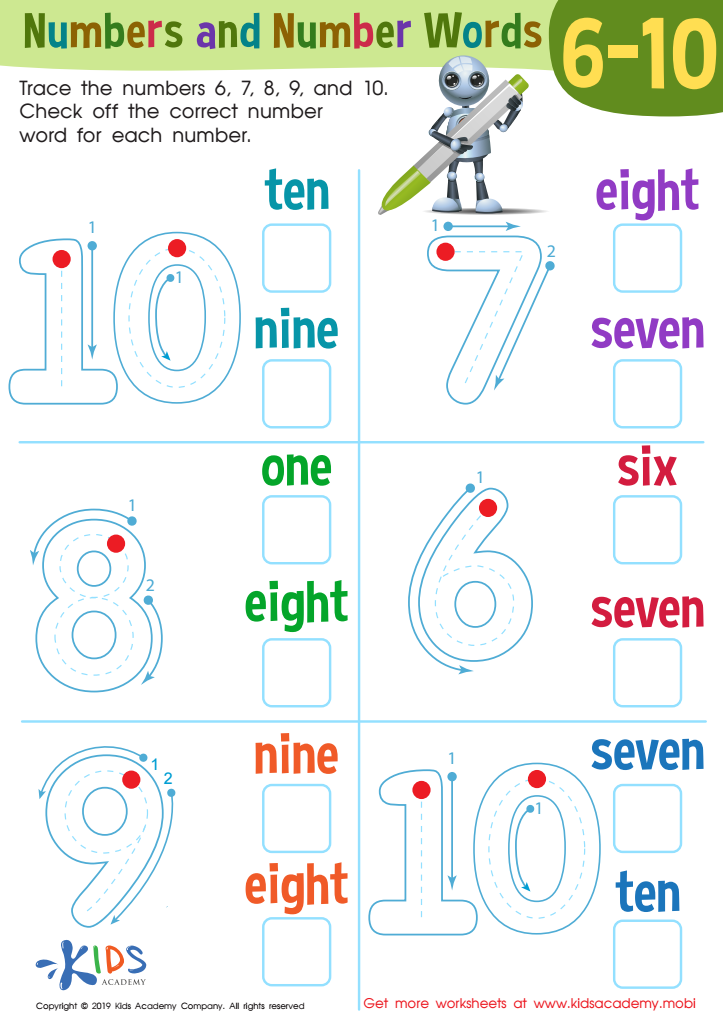
Numbers and Number Words 6–1 Worksheet
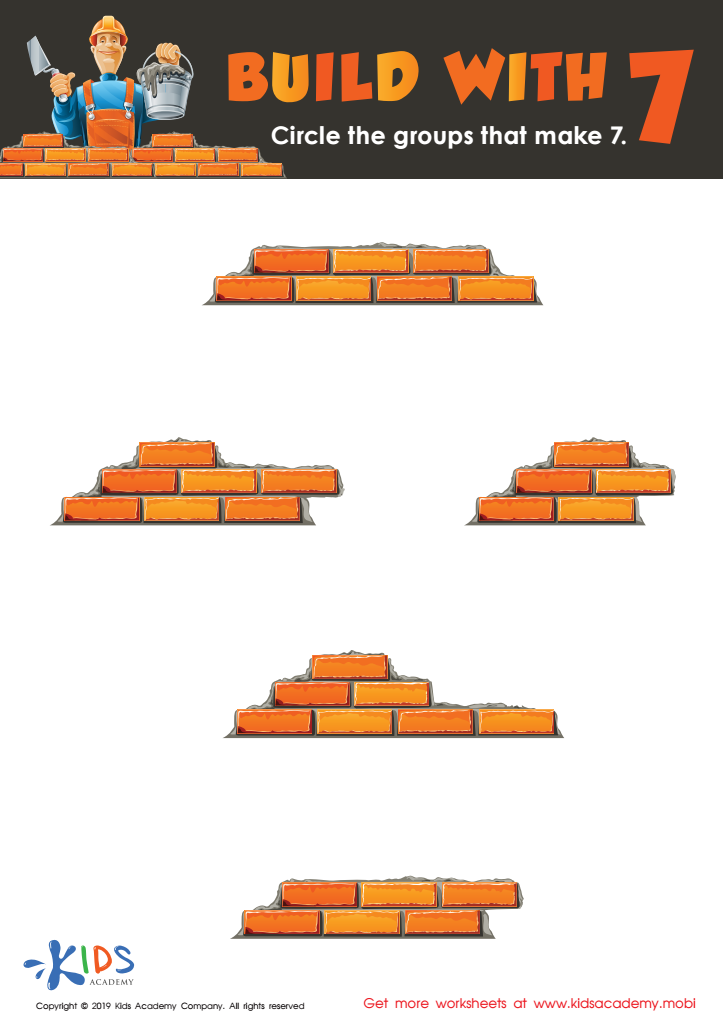
Build with 7 Worksheet
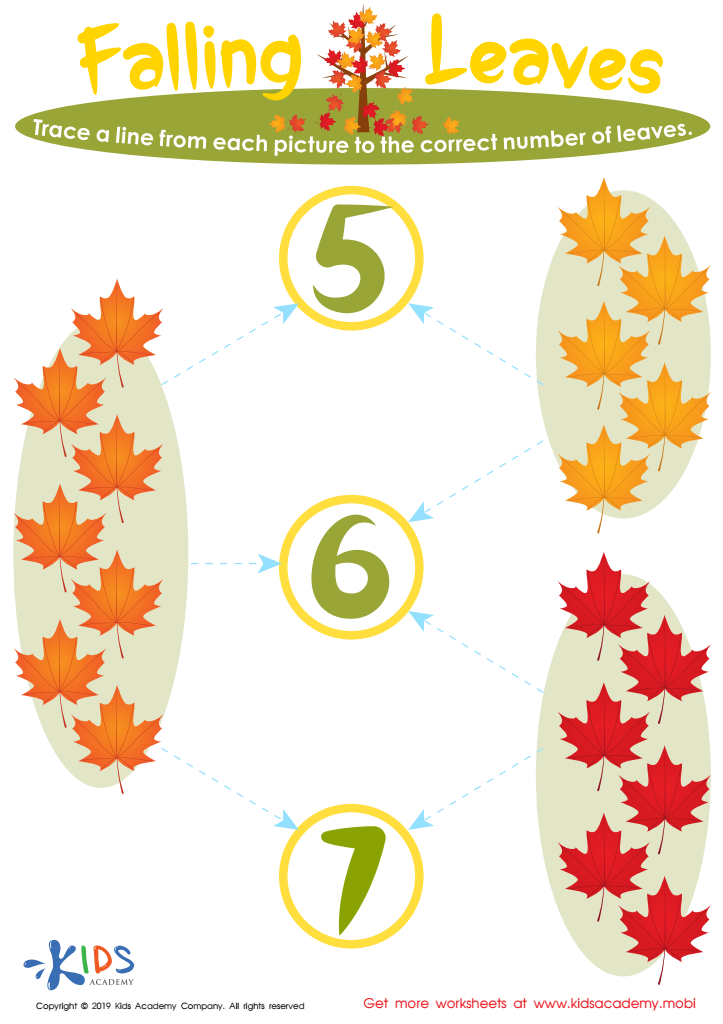
Falling Leaves Worksheet
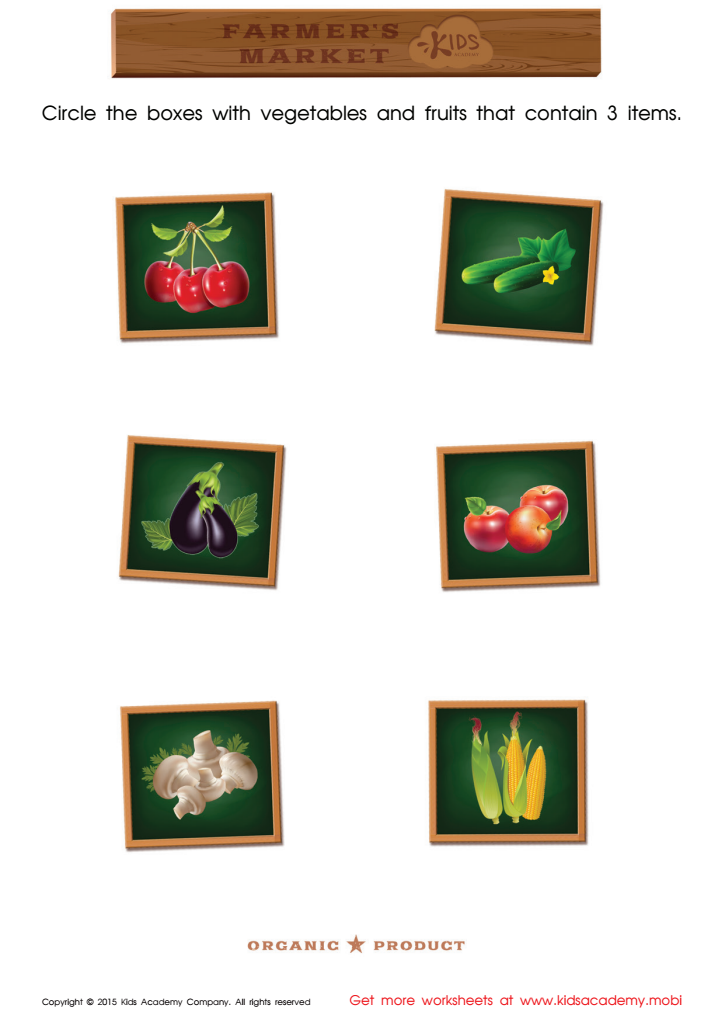
Count and Match Vegetables 1 – 5 Math Worksheet
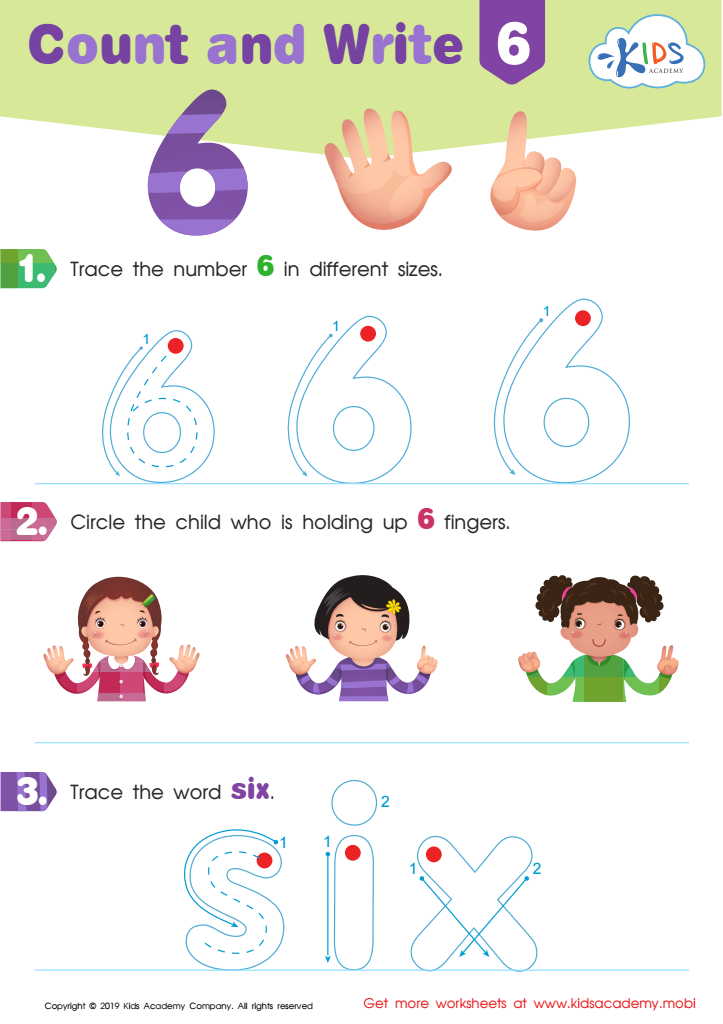
Count and Write 6 Worksheet
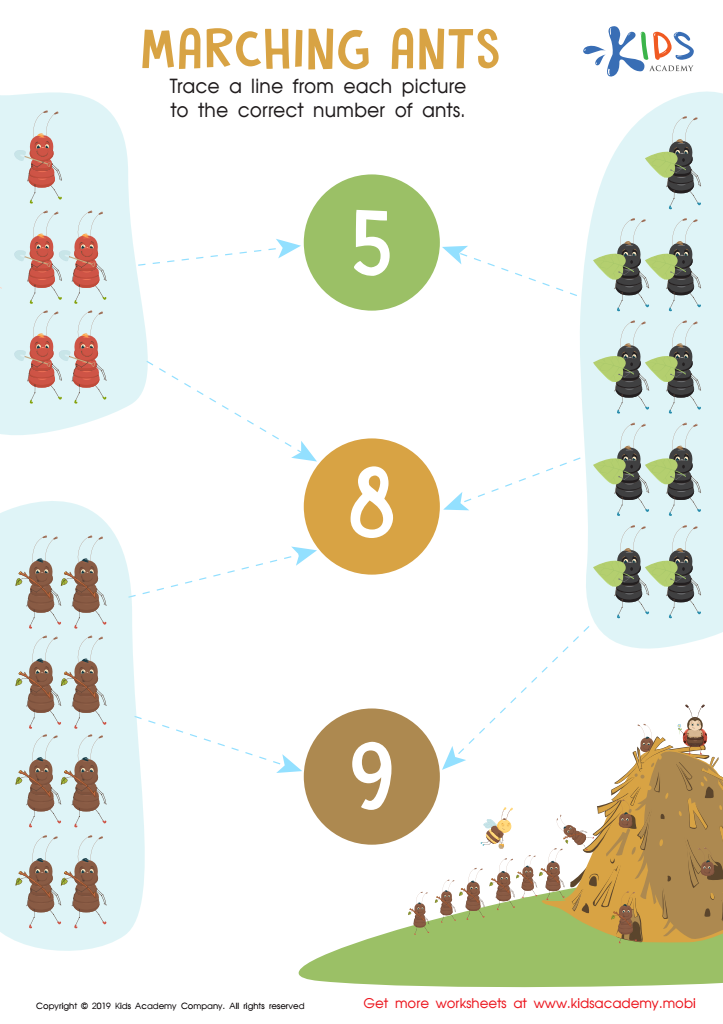
Marching Ants Worksheet
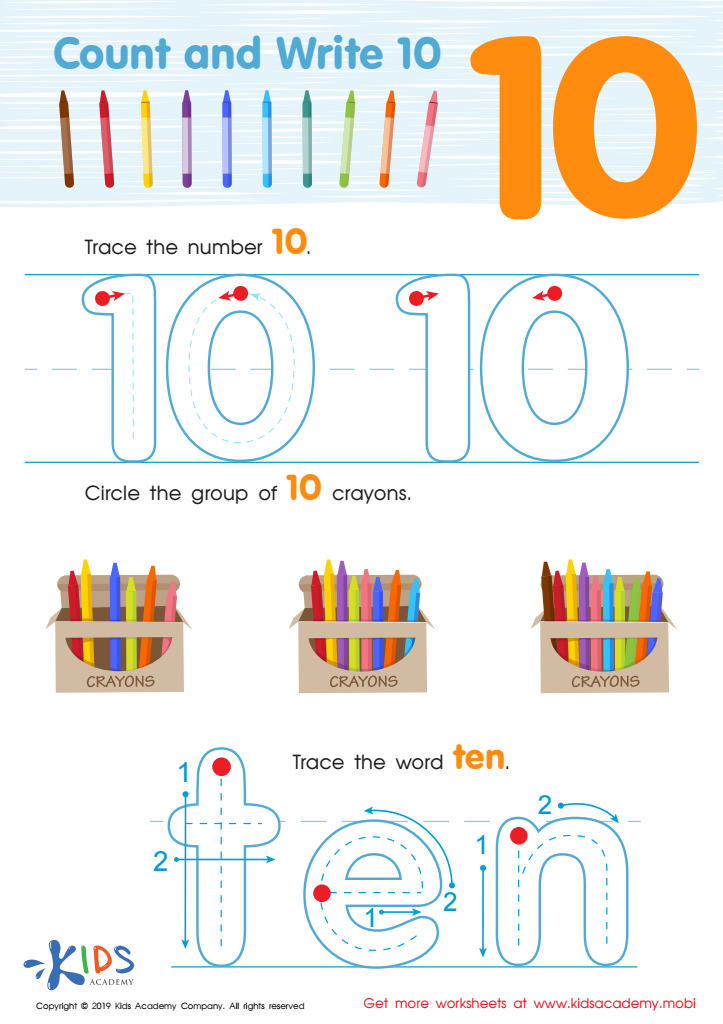
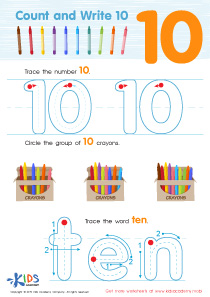
Count and Write 10 Worksheet
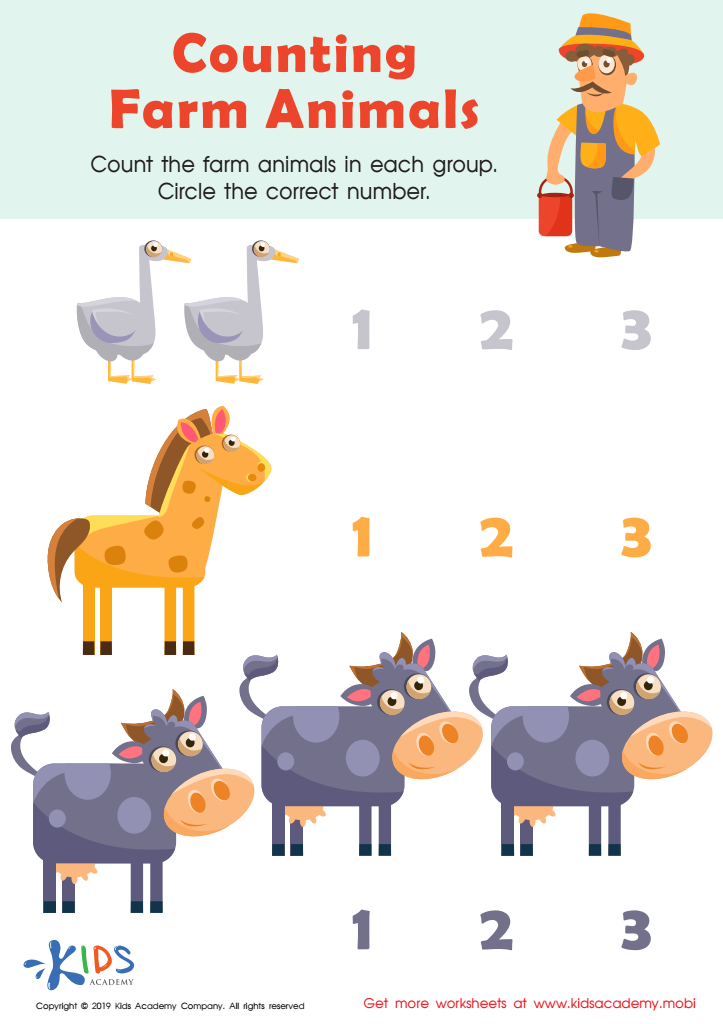
Counting Farm Animals Worksheet








Parents and teachers should care about the concept of normal numbers (0–10) for children aged 5-9 because it serves as the foundation for their mathematical development and everyday problem-solving abilities. Understanding these basic numbers is essential for children to grasp more complex math concepts later on, such as addition, subtraction, multiplication, and division.
Firstly, mastery of these numbers helps children develop number sense, a critical skill for understanding numerical relationships and operations. This beneficially impacts their ability to estimate, measure, and make reasoned decisions. For young learners, becoming comfortable with numbers 0–10 also improves number recognition, which is crucial for learning how to read and write numbers, as well as for working with them in various contexts.
Secondly, fluency with these numbers builds confidence. When children know their numbers well, they feel more competent and eager to engage with math-related tasks, leading to positive attitudes towards learning. Additionally, parents' and teachers' active involvement in familiarizing children with these numbers provides consistent reinforcement, making learning more cohesive across different environments.
Lastly, an early grasp of numbers 0–10 lays a foundational competency that aligns with early childhood educational curricula, ensuring that children are on track with academic standards. This cumulative support from parents and teachers thus sets the stage for a lifelong interest and proficiency in mathematics.