Normal Letter Recognition Worksheets for Ages 6-9 - Page 3
67 filtered results
-
From - To
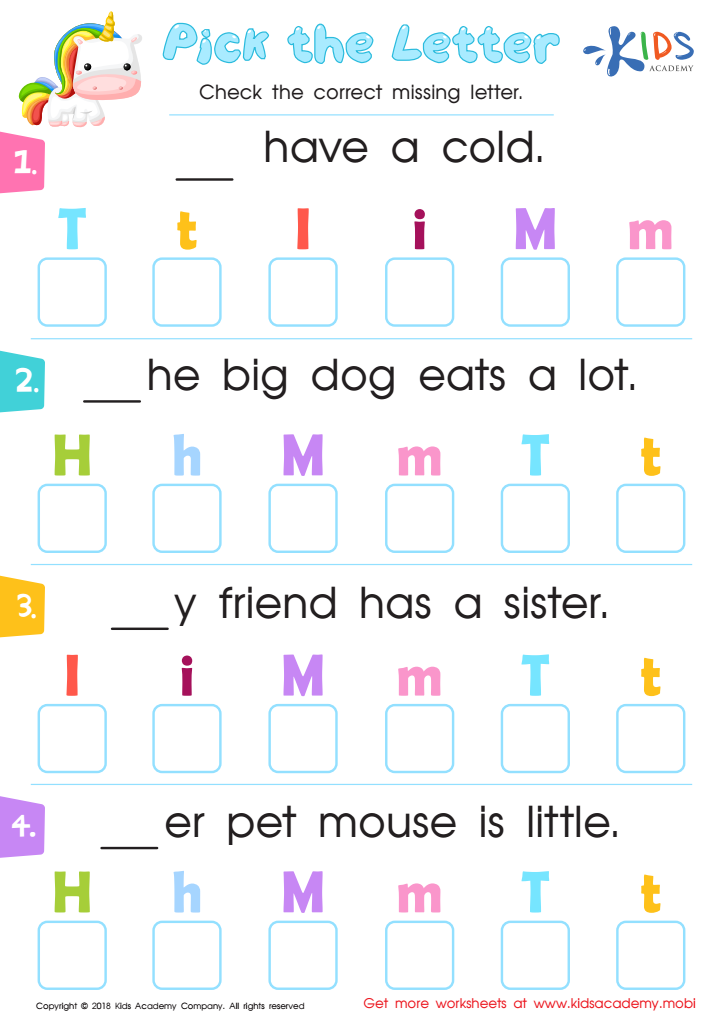
Pick the Letter Worksheet
 Assign to My Students
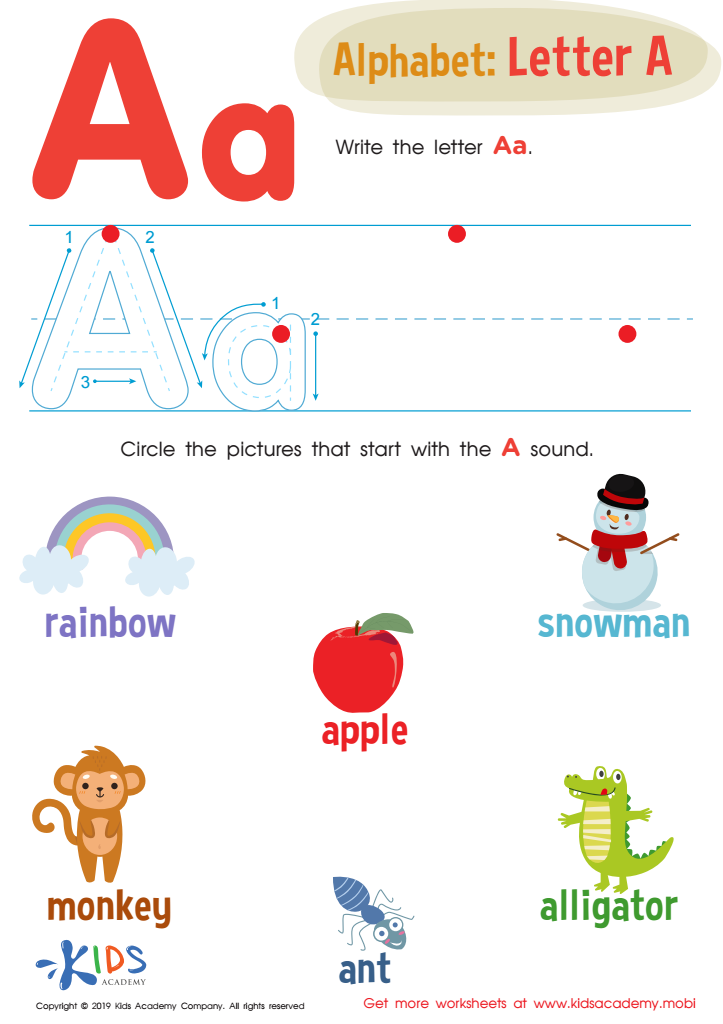
Letter A Tracing Worksheet
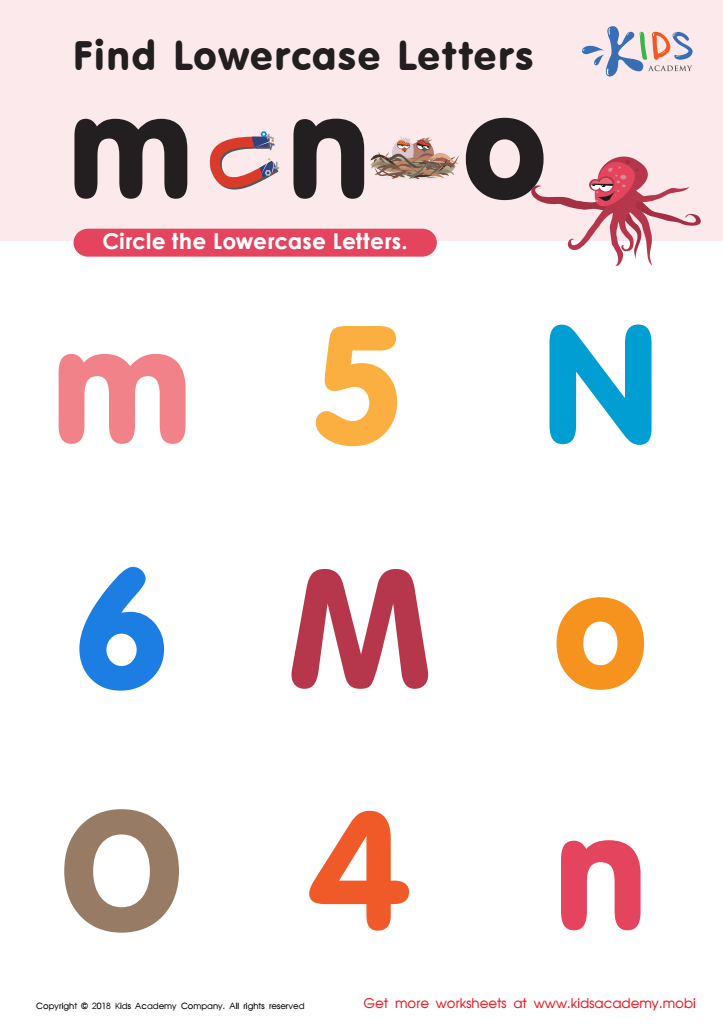
Find Lowercase Letters m n o Worksheet
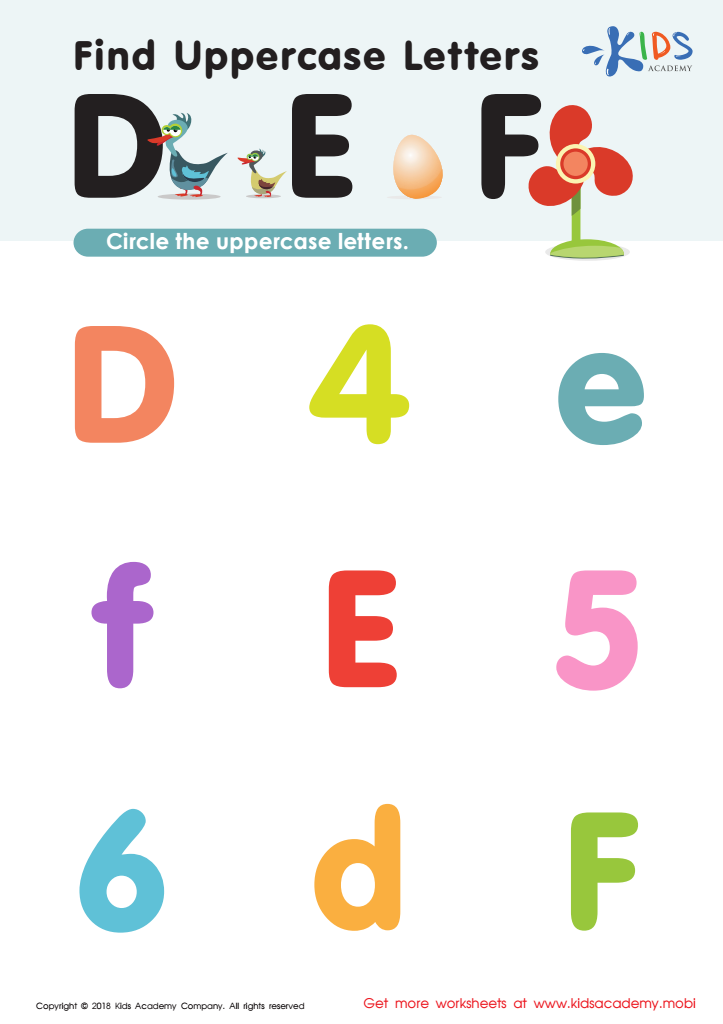
Find Uppercase Letters D, E, and F Worksheet
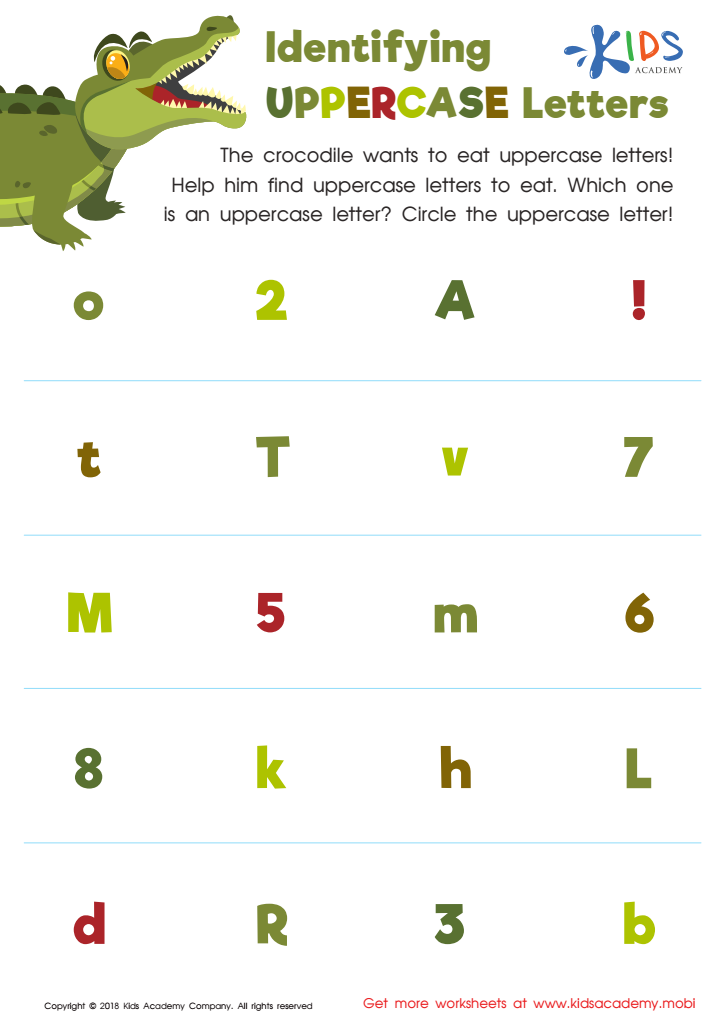
Identifying Uppercase Letters Worksheet
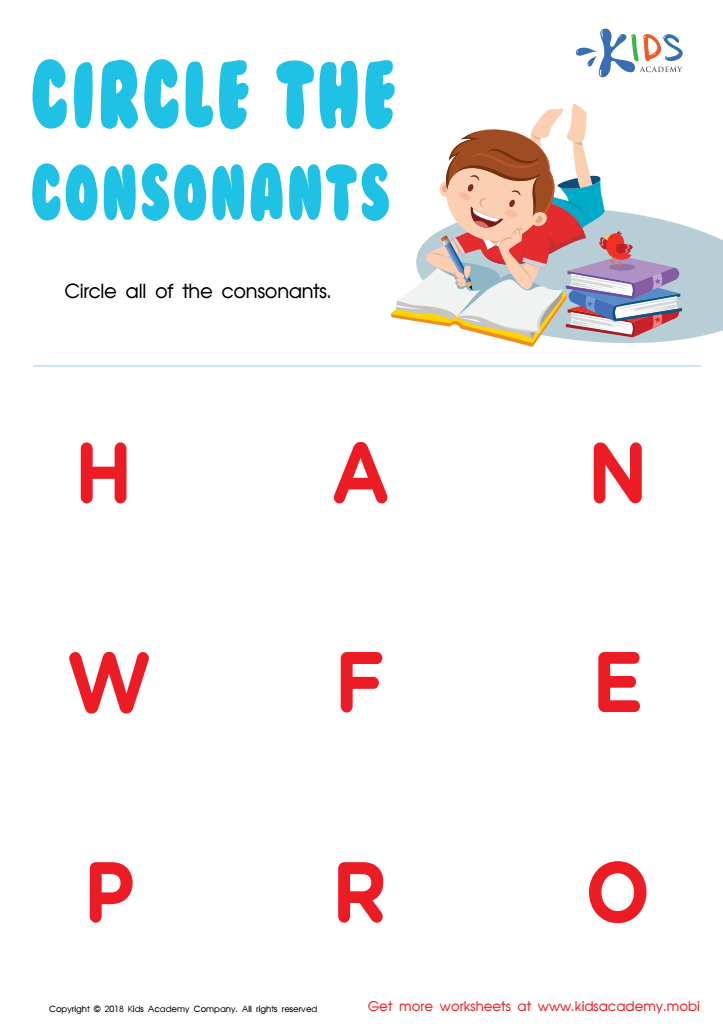
Circle the Consonants Worksheet
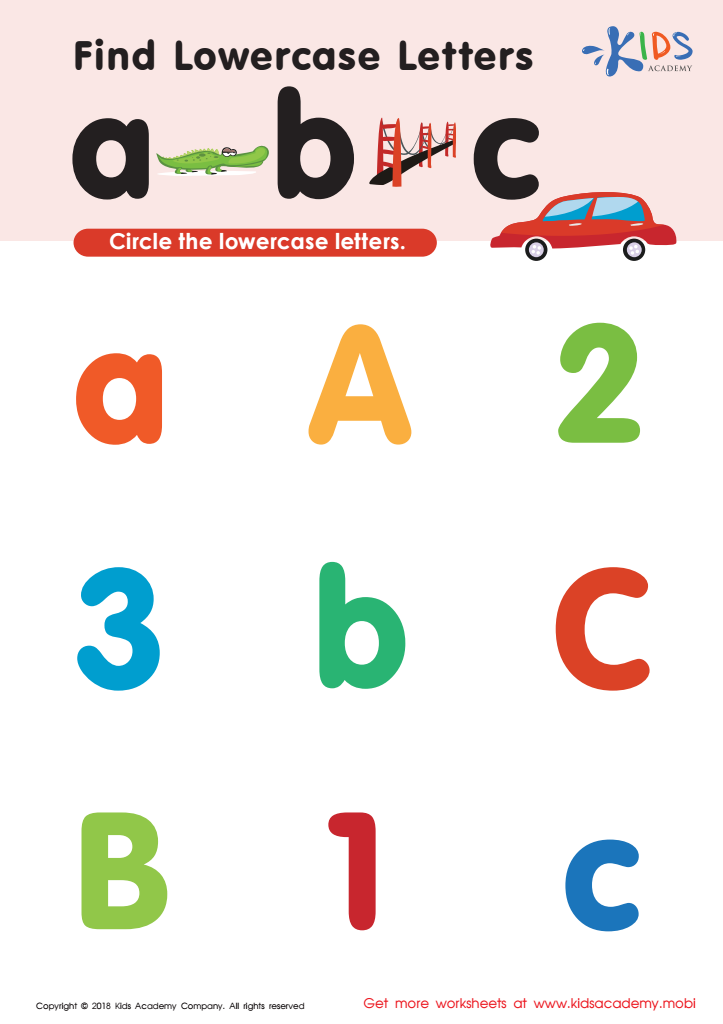
Find lowercase letters a b c Worksheet
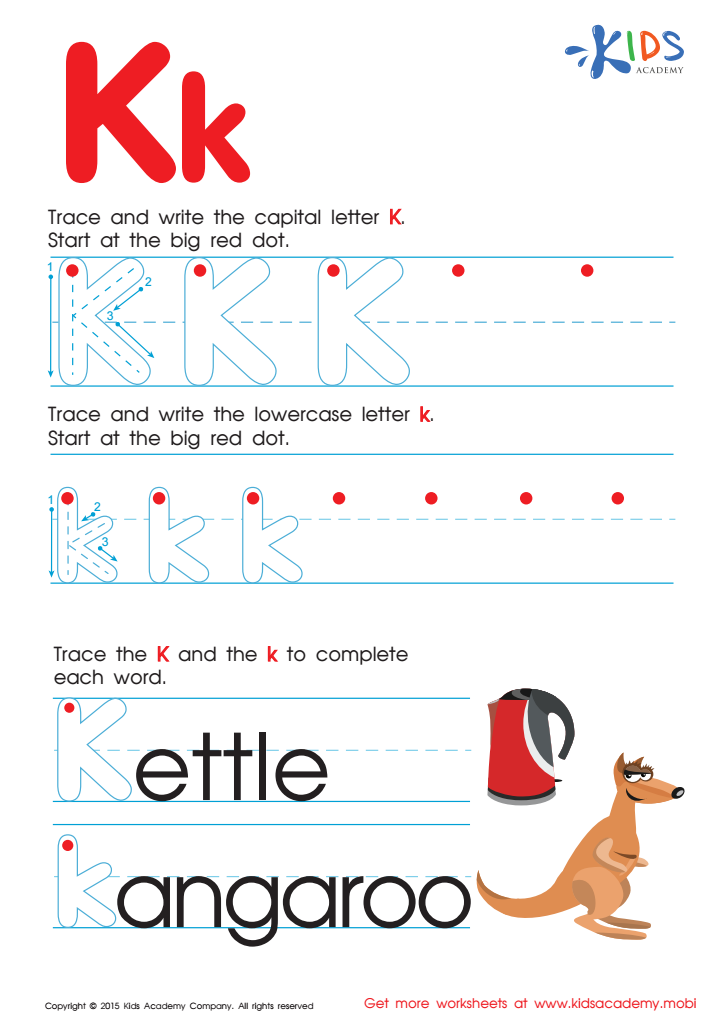
Letter K Tracing Page
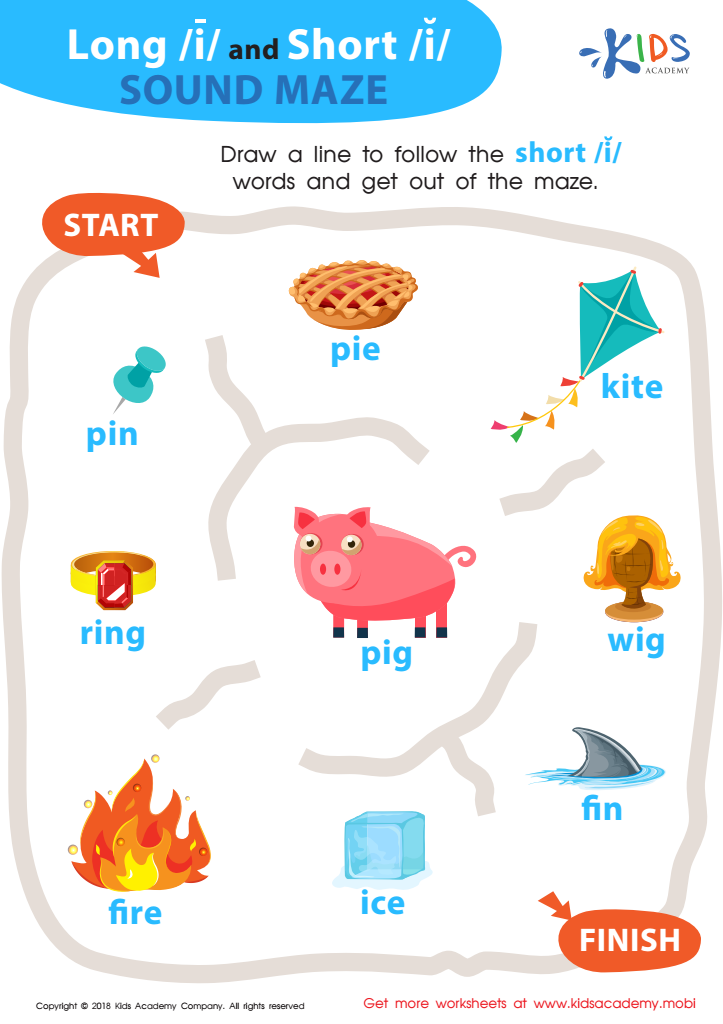
Reading: Long I and Short I Sound Maze Worksheet
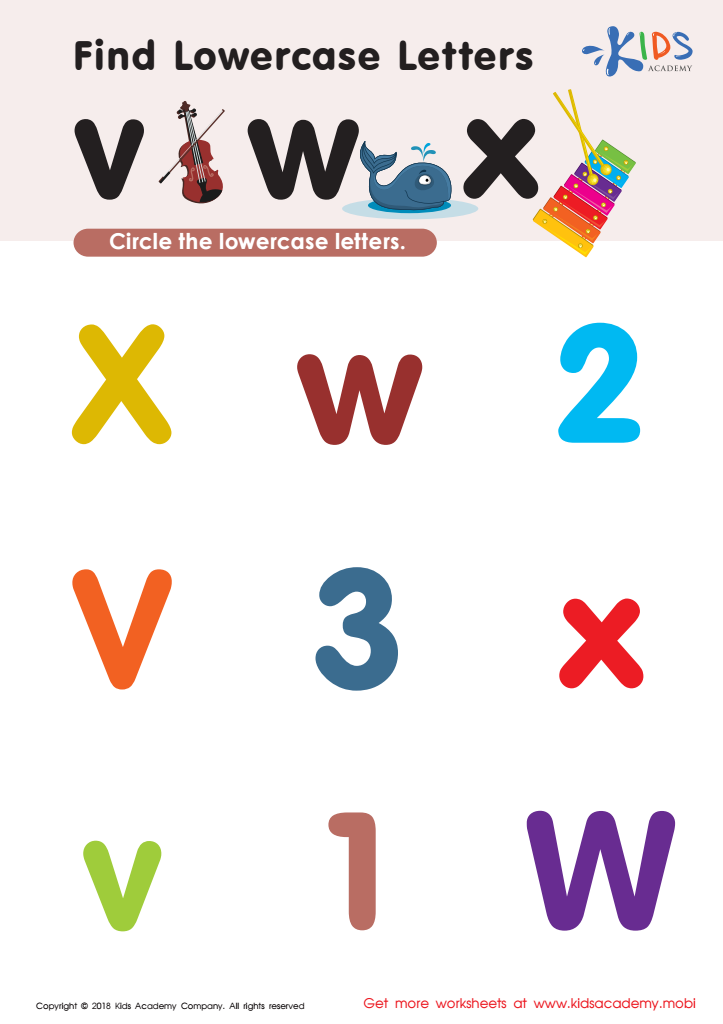
Find Lowercase Letters v w x Worksheet
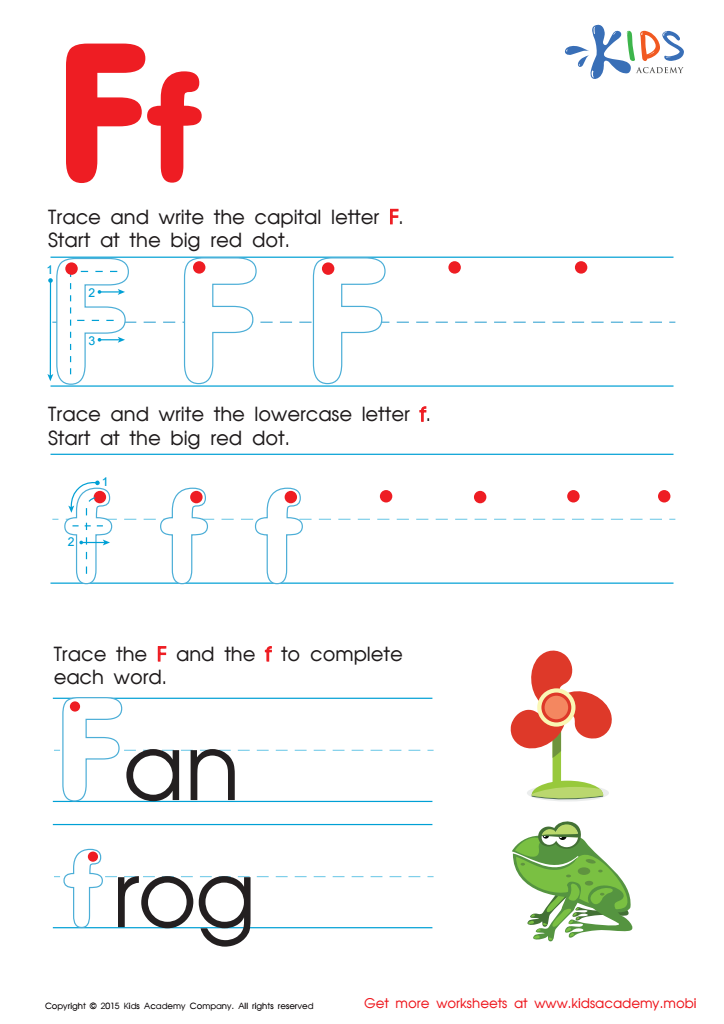
Letter F Tracing Page
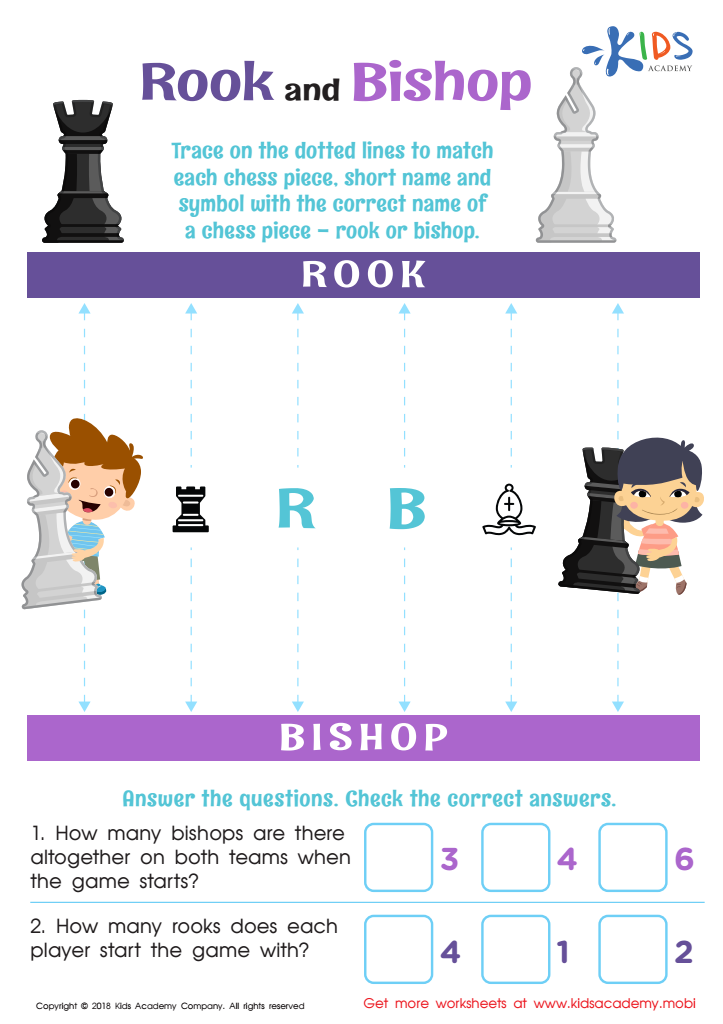
Rook and Bishop Worksheet
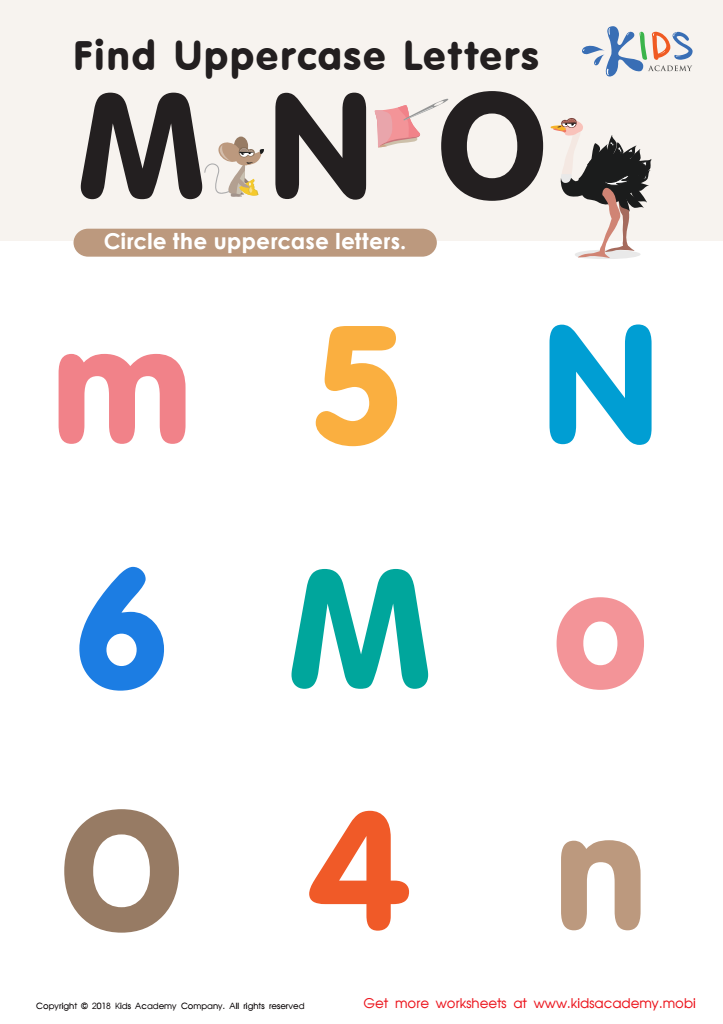
Find Uppercase Letters M, N, and O Worksheet
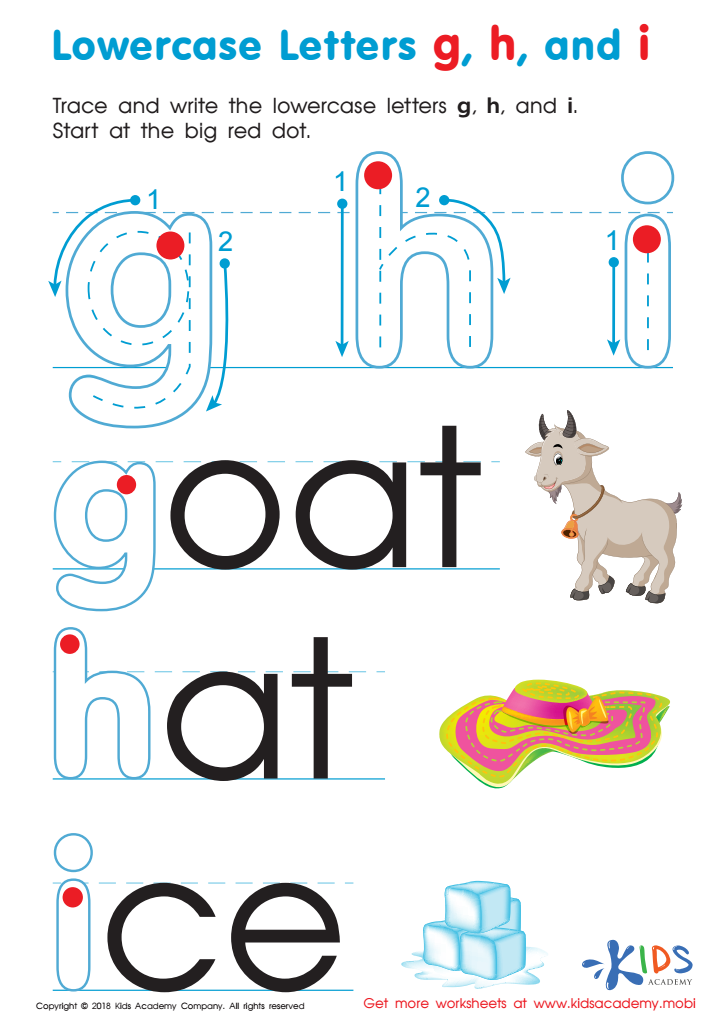
Lowercase Letters g h i Worksheet
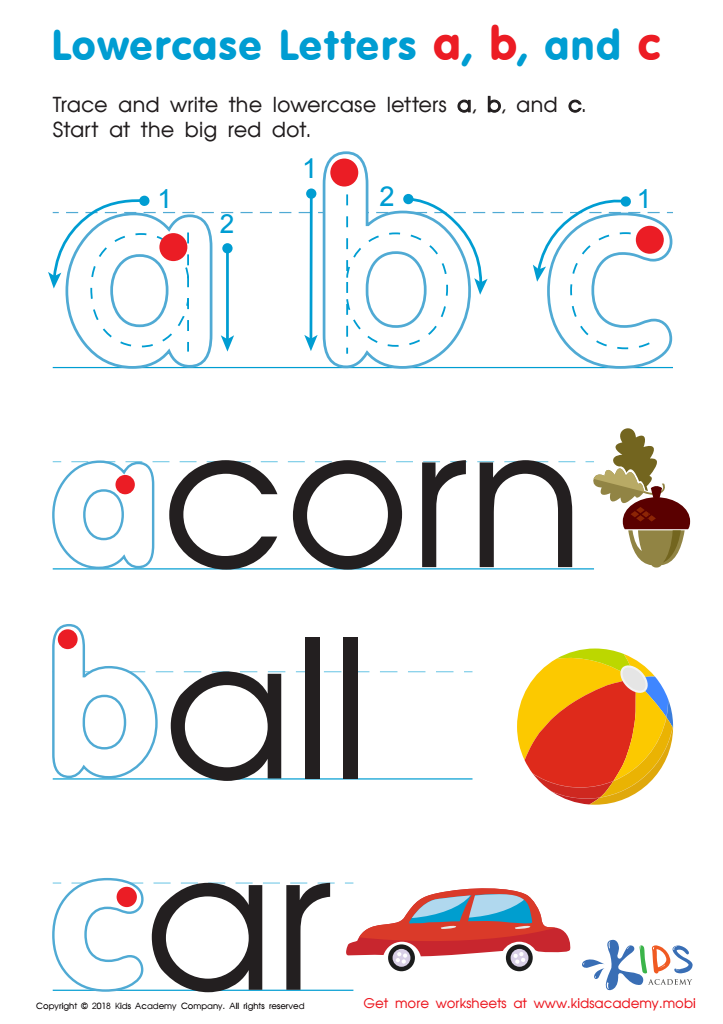
Lowercase Letters a b c Worksheet
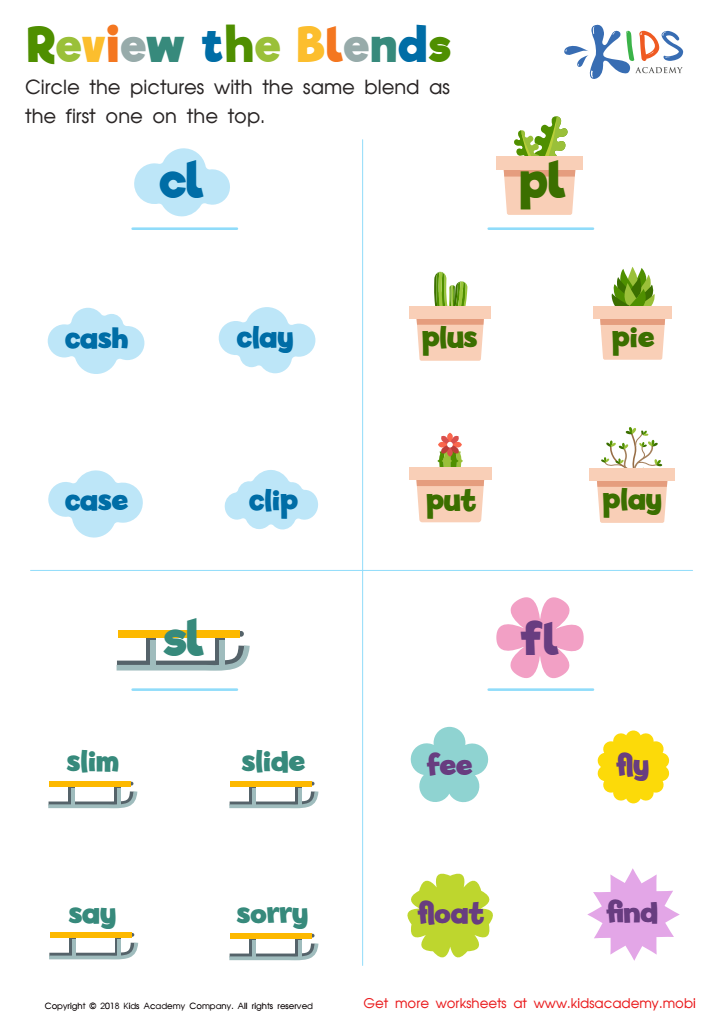
Review the Blends Worksheet

Letter D Tracing Page
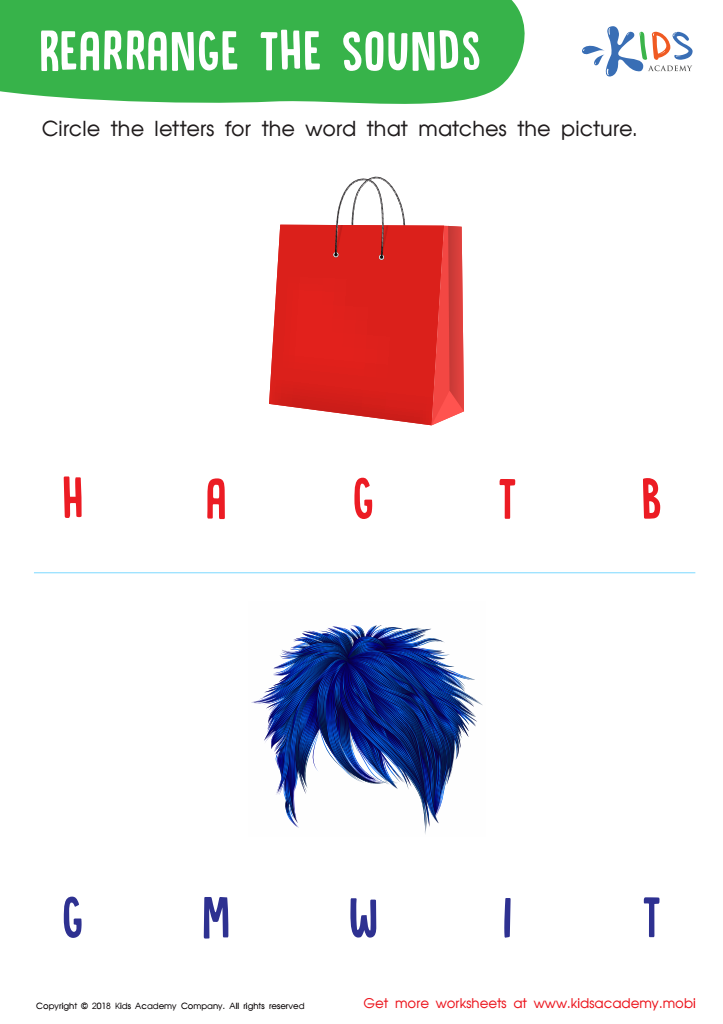
Rearrange the Sounds Worksheet
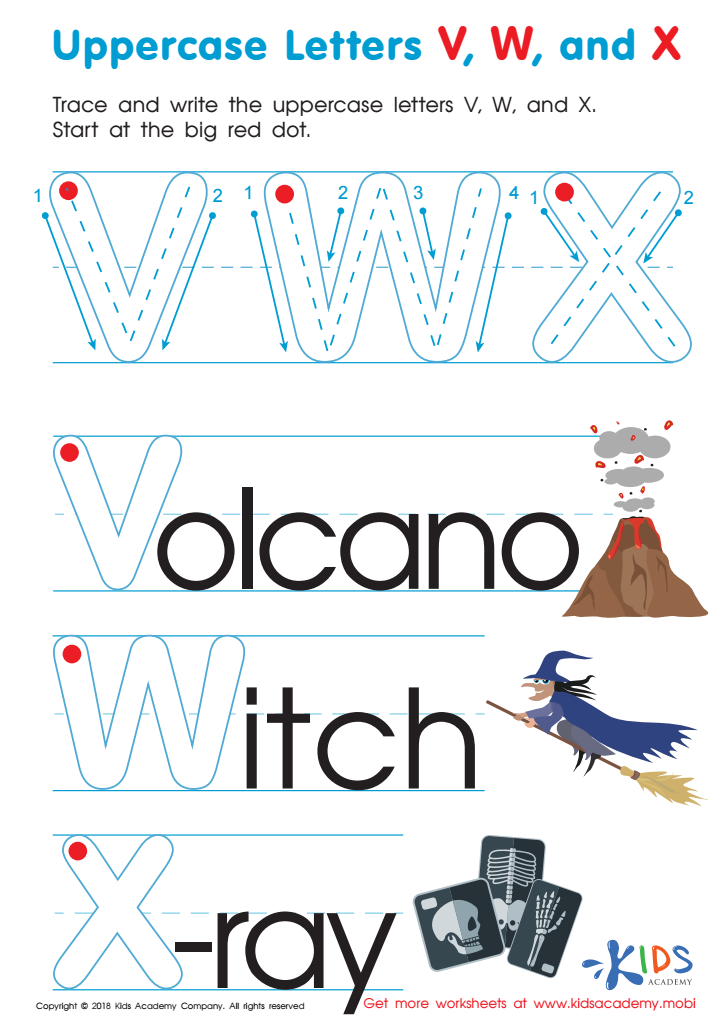
Uppercase Letters V, W, and X Worksheet








Normal letter recognition is a critical developmental milestone for children aged 6-9, as it lays the foundation for reading and writing skills. During this formative stage, children are transitioning from pre-reading skills to becoming proficient readers, which is vital for their academic success. When parents and teachers prioritize letter recognition, they significantly enhance children's phonemic awareness—the ability to hear, identify, and manipulate sounds, which is essential for decoding words.
Moreover, recognizing letters helps children make connections between written symbols and their corresponding sounds, thereby boosting their literacy skills and vocabulary. This recognition also fosters confidence in their reading abilities, encouraging a lifelong love for books and learning.
Additionally, a strong grasp of letter recognition promotes early writing skills, as children learn to form letters and write words. This proficiency not only aids in communication but also allows for better expression of ideas and creativity.
Close monitoring and supportive practices from parents and teachers can identify challenges early on, paving the way for interventions that can help struggling readers. Overall, focusing on normal letter recognition equips children with the fundamental tools they need to thrive academically and develop a strong literacy foundation.








