Normal English for Beginners Worksheets for Ages 6-9 - Page 3
59 filtered results
-
From - To
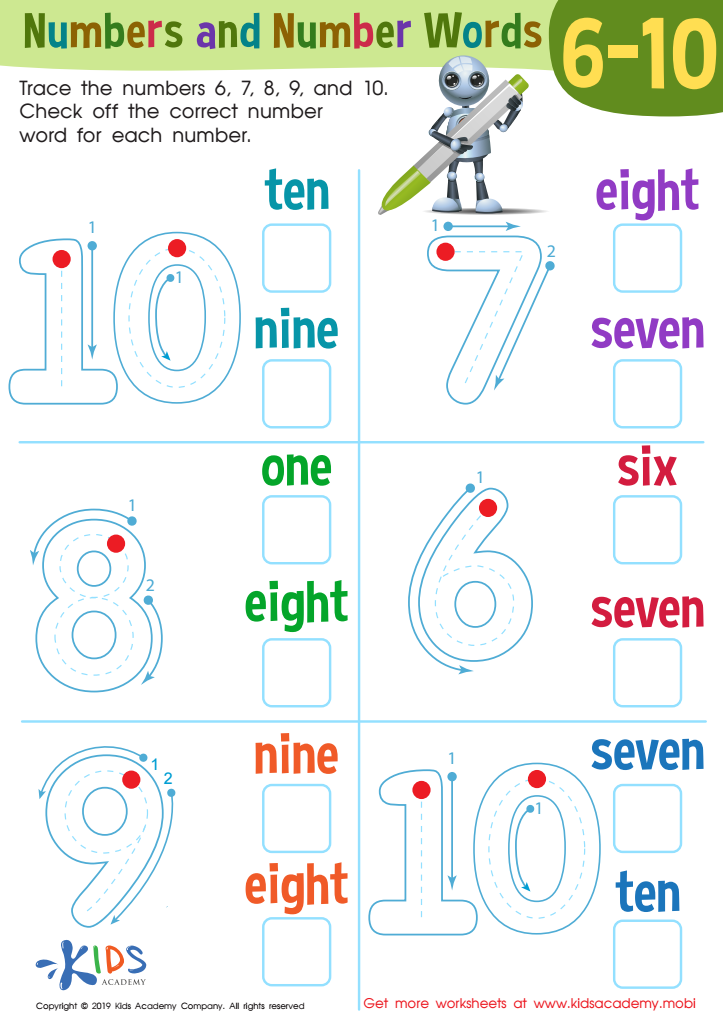
Numbers and Number Words 6–1 Worksheet
 Assign to My Students
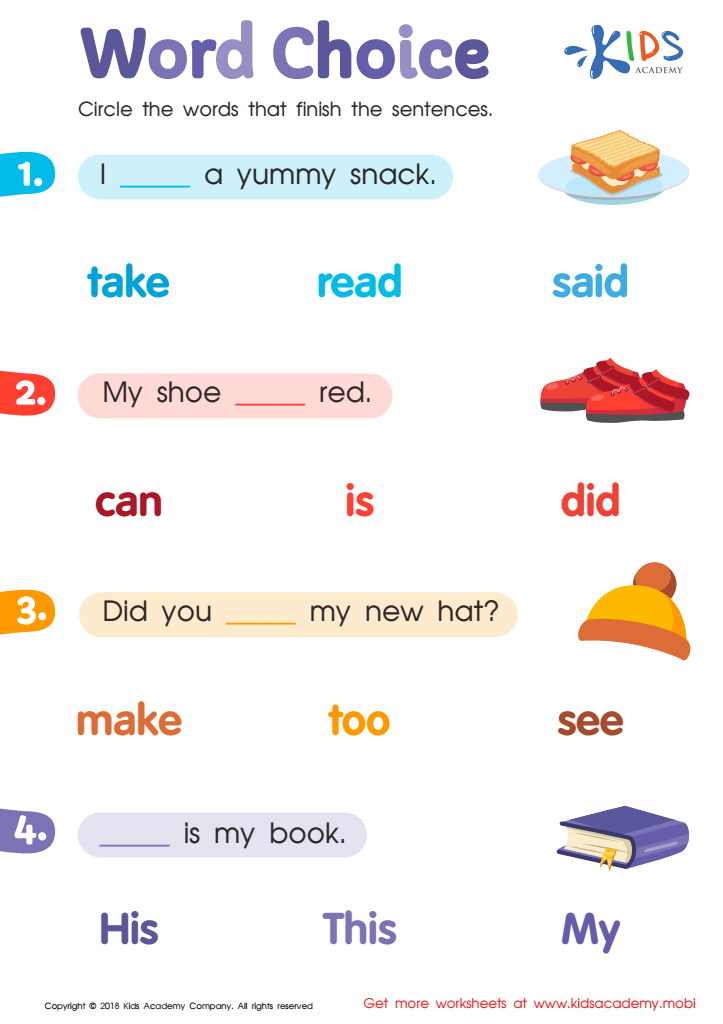
Word Choice Worksheet
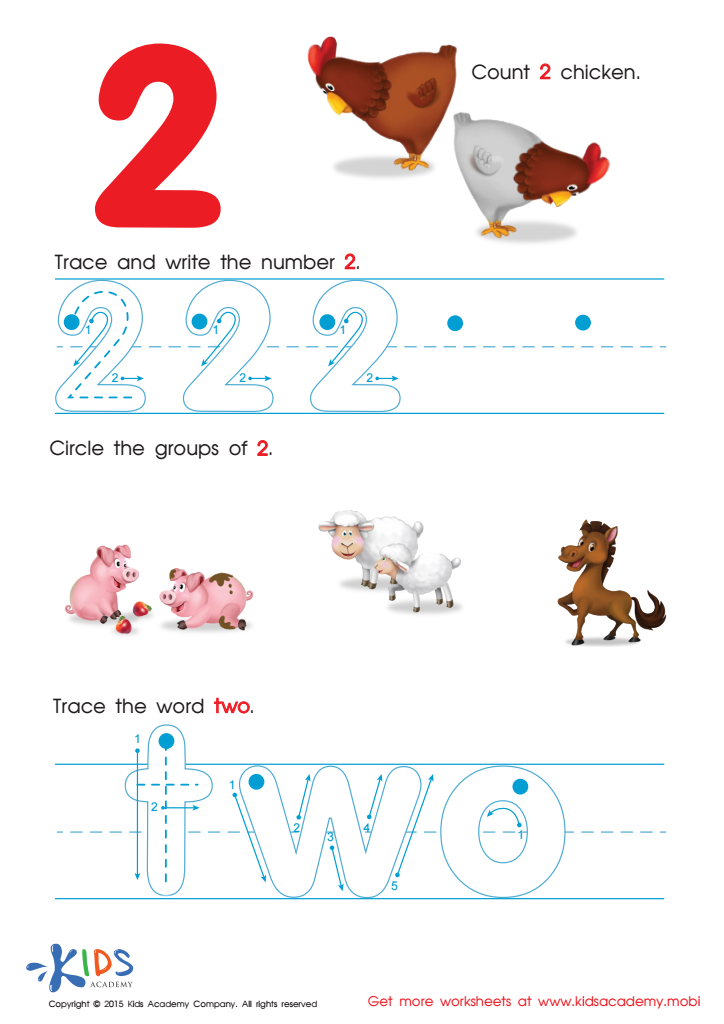
Learn to Write the Number 2 Worksheet
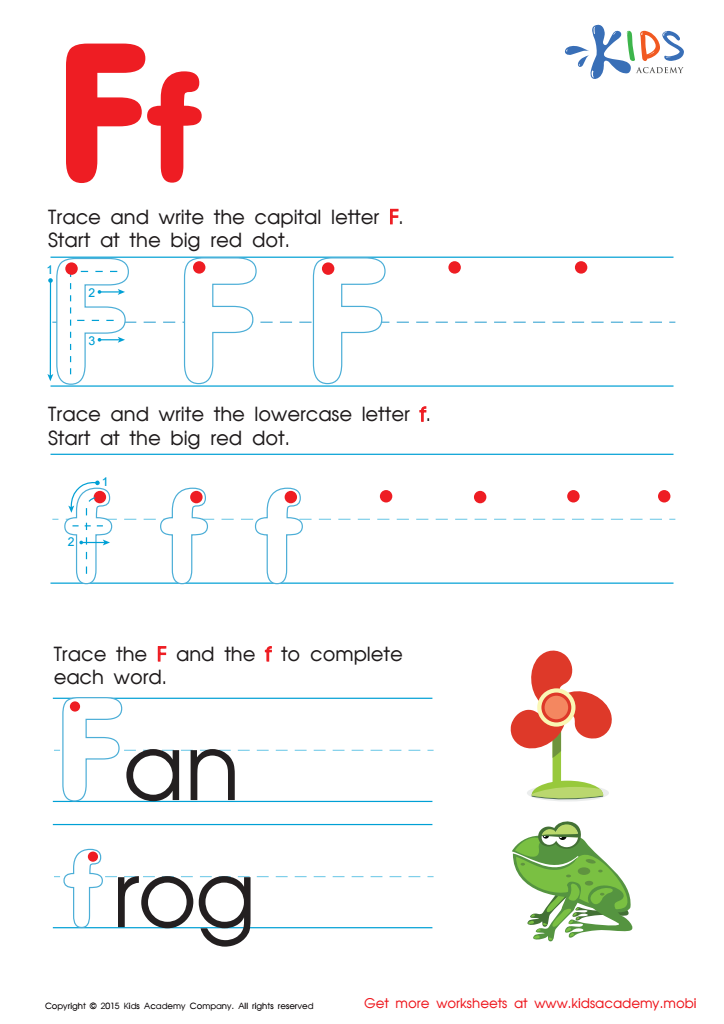
Letter F Tracing Page
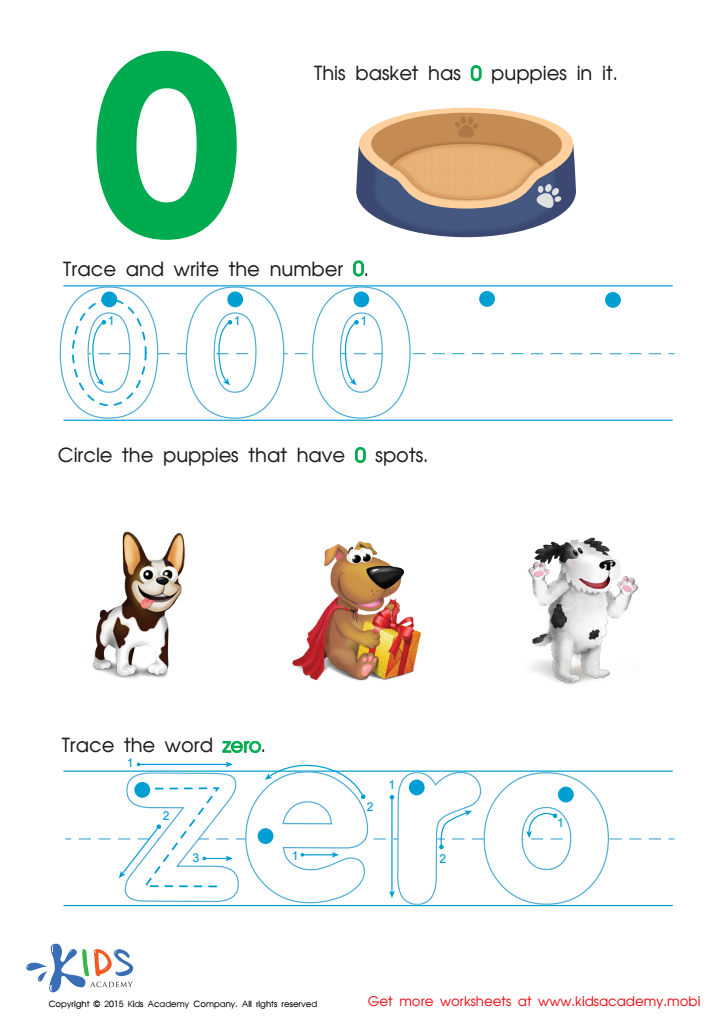
Trace And Write Number 0 Worksheet

Letter D Tracing Page
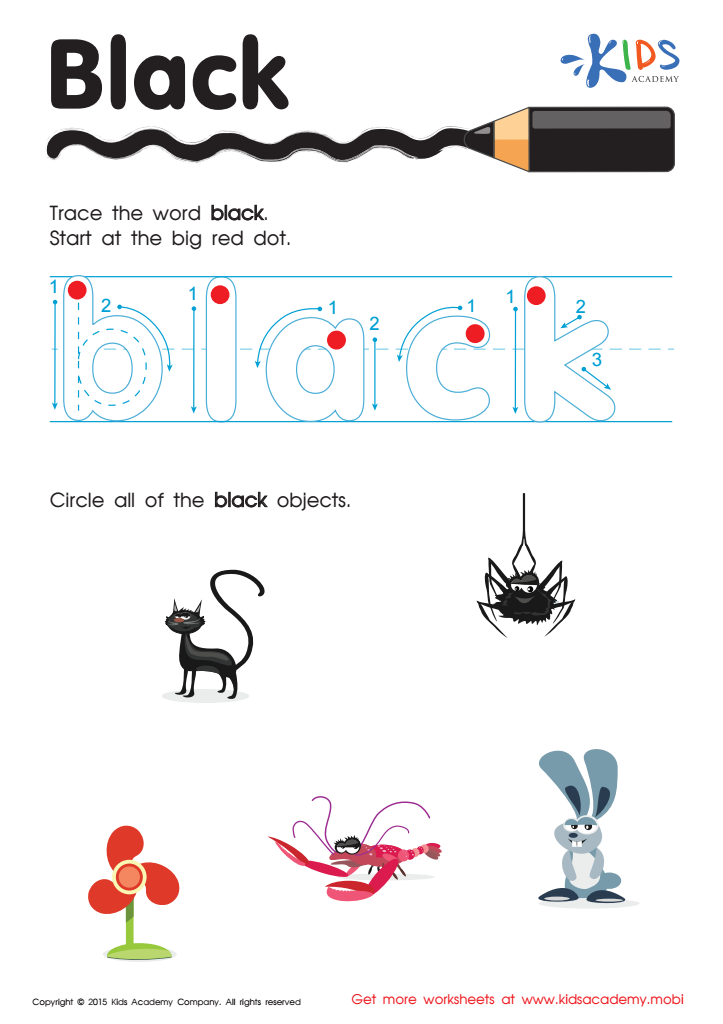
Black Tracing Color Words Printable
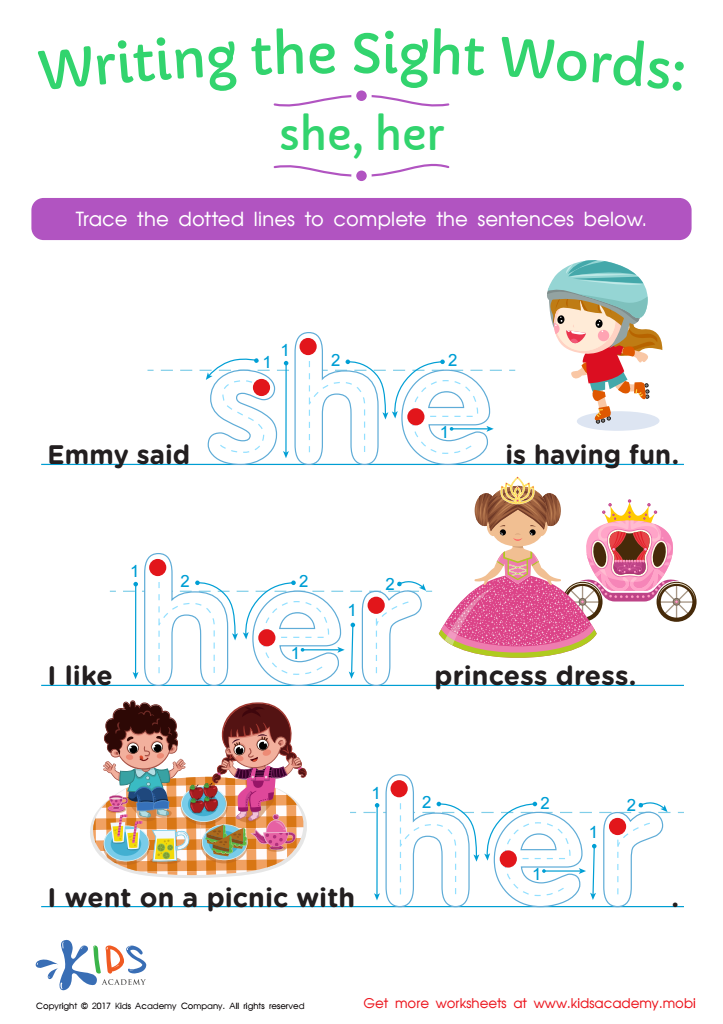
She, Her Printable Sight Words Worksheet
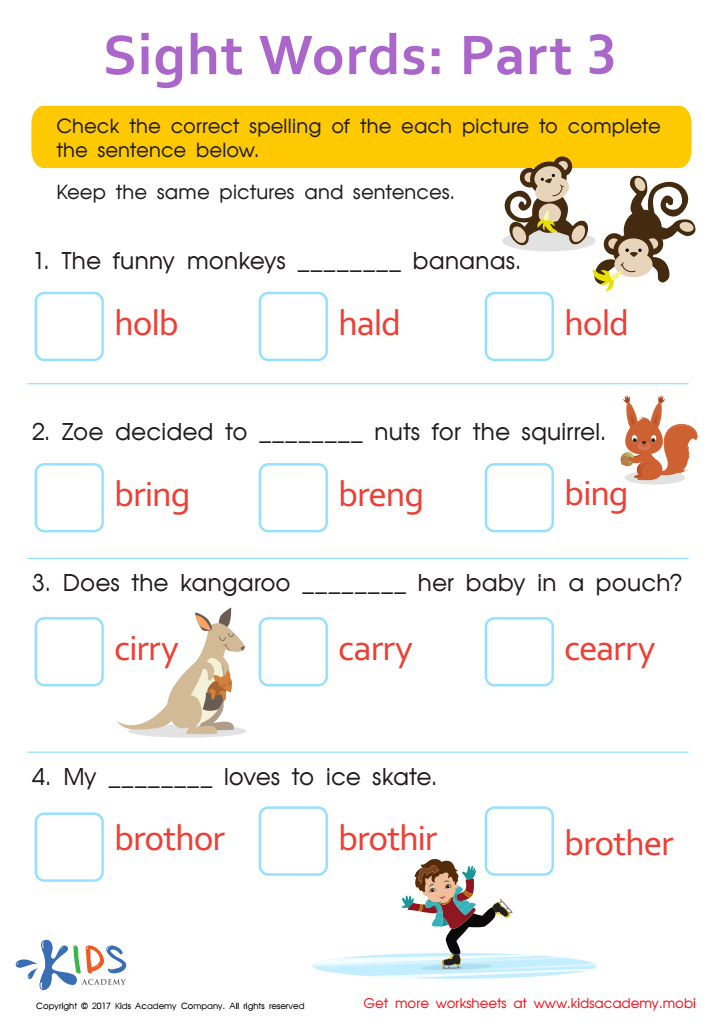
Hold, Bring, Carry, Brother Sight Words Worksheet
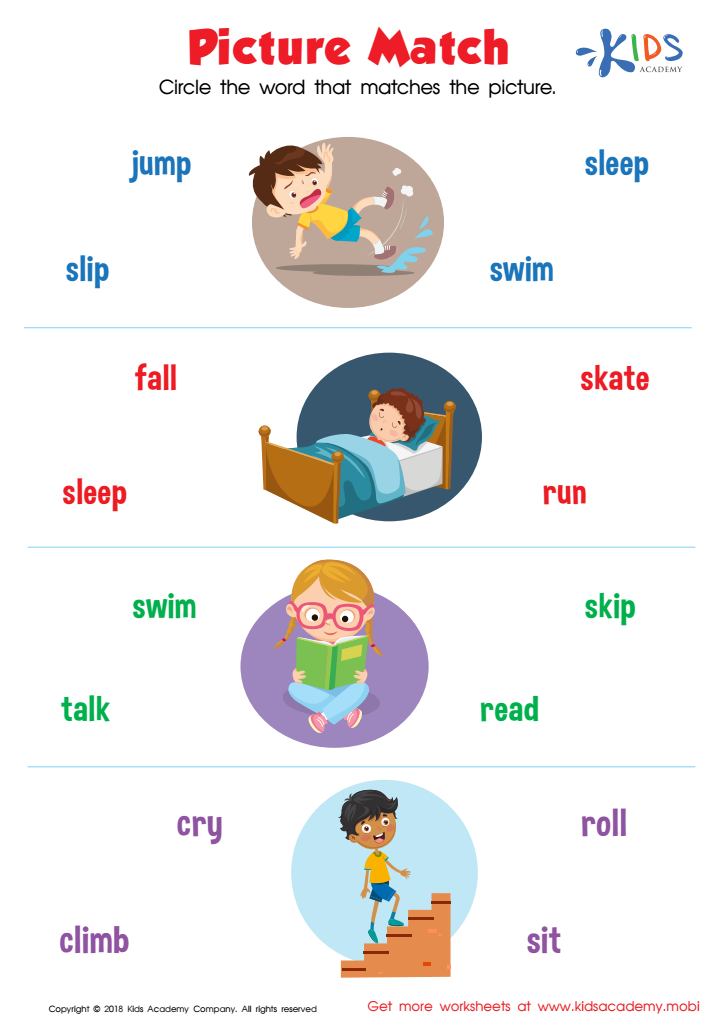
Picture Match Worksheet
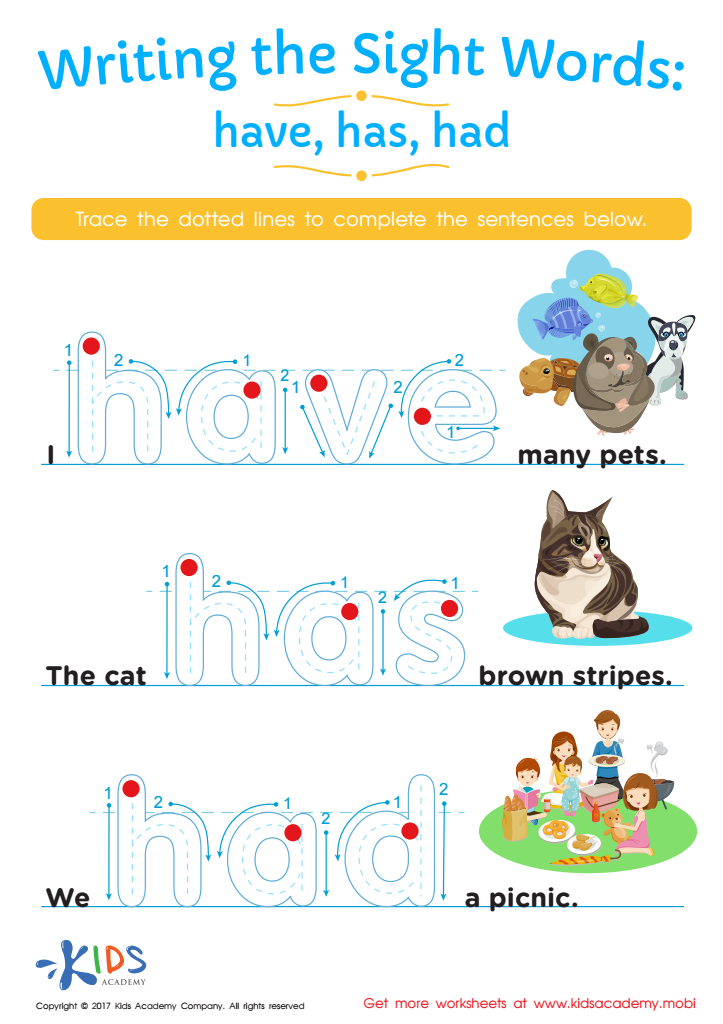
Have, Has, Had Worksheet Sight Words Worksheet





Parents and teachers should care about "Normal English for Beginners" for ages 6-9 because early childhood is a crucial period for language development. At this age, children's brains are particularly receptive to learning new languages and skills. Exposing them to English, if it's not their first language, or building a solid foundation if it is, helps set students up for future academic success and effective communication.
By focusing on normal, everyday English, young learners are more likely to grasp essential vocabulary and sentence structures that they can use in daily interactions. This kind of practical language learning fosters confident communication, enabling children to express their needs, thoughts, and feelings clearly. Such skills are important not only for their academic achievements but also for their social interactions and emotional development.
Moreover, competency in English can open doors to broader artistic, cultural, and scientific resources, enhancing a child’s overall educational experience. For kids in multilingual or English-jargon-rich environments, learning normal English serves as a springboard, making other subjects more accessible.
In summary, normal English learning during the important developmental stage of ages 6-9 is fundamental for effective comprehension and communication, supporting both the child's present learning needs and their future educational and personal endeavors.