Normal Plants and Animals Worksheets for Ages 6-9 - Page 5
99 filtered results
-
From - To
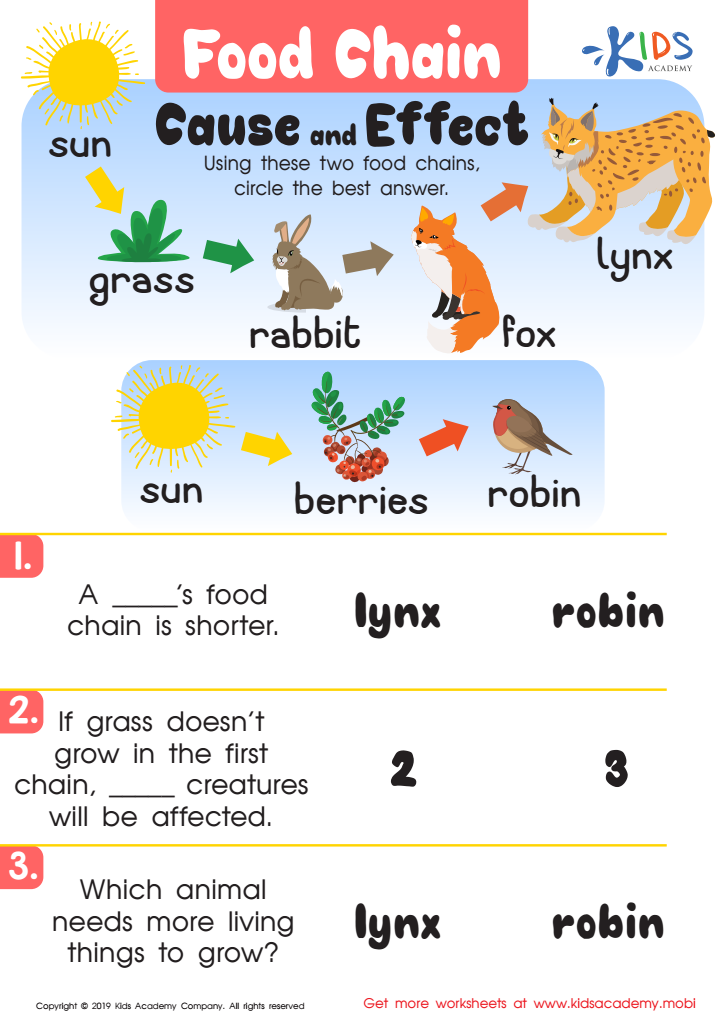
Food Chain Cause Worksheet
 Assign to My Students
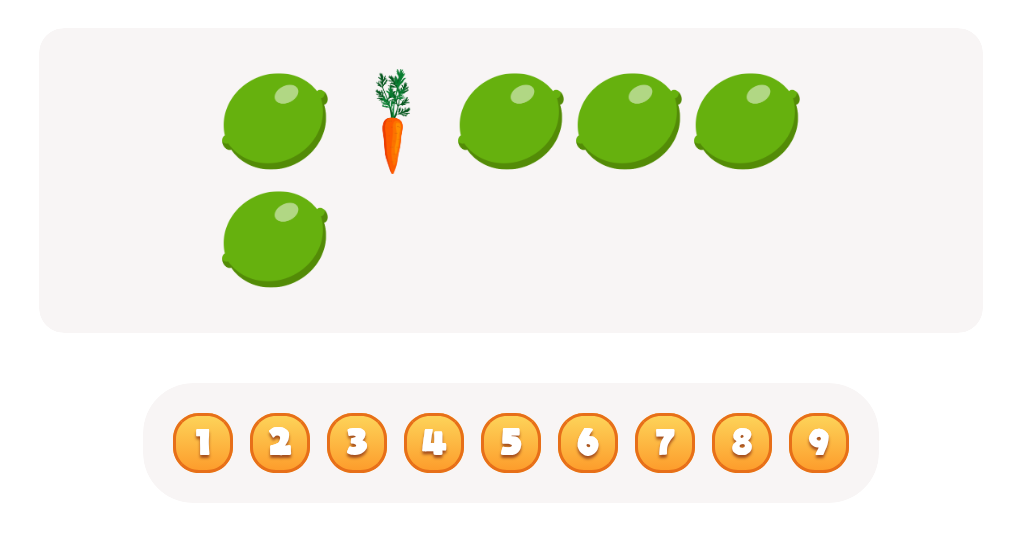


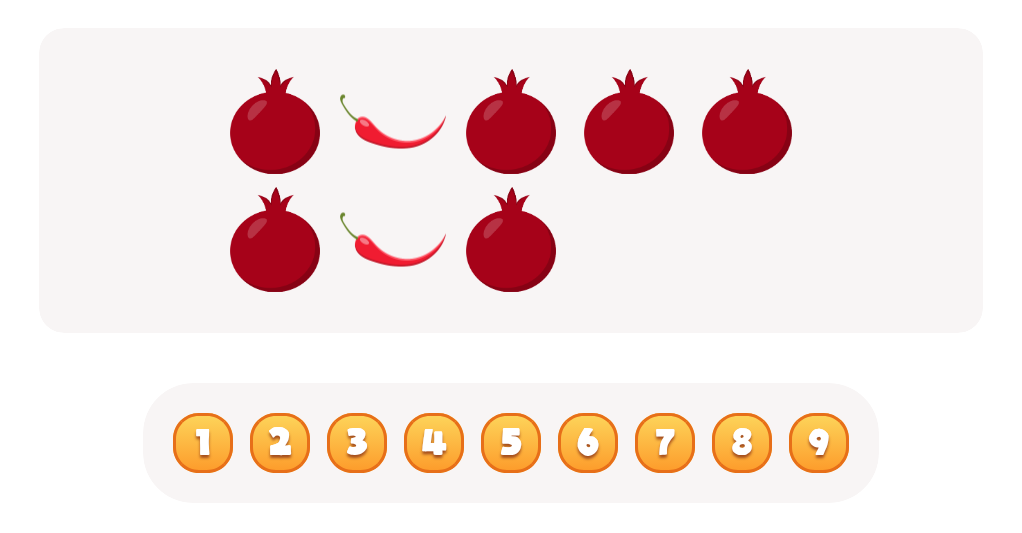
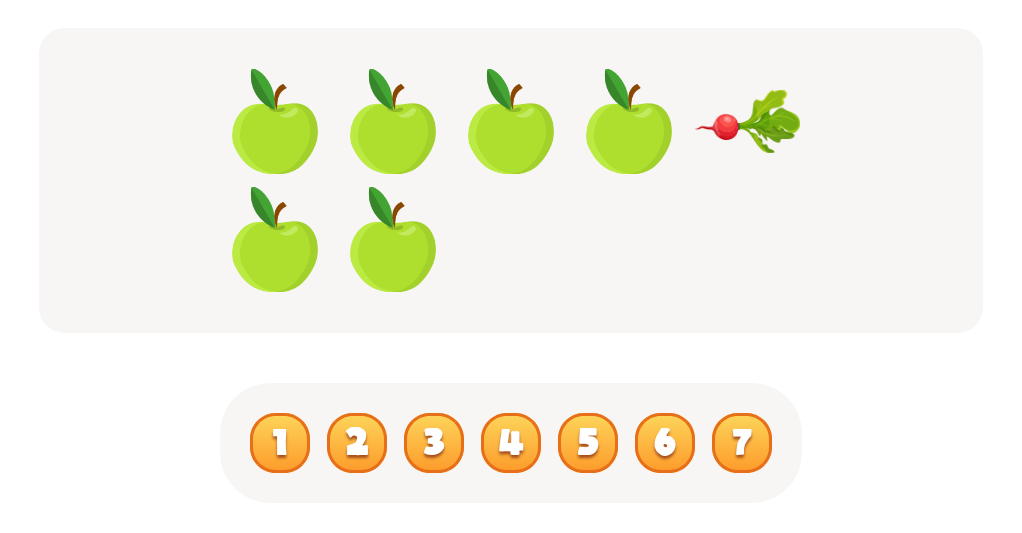
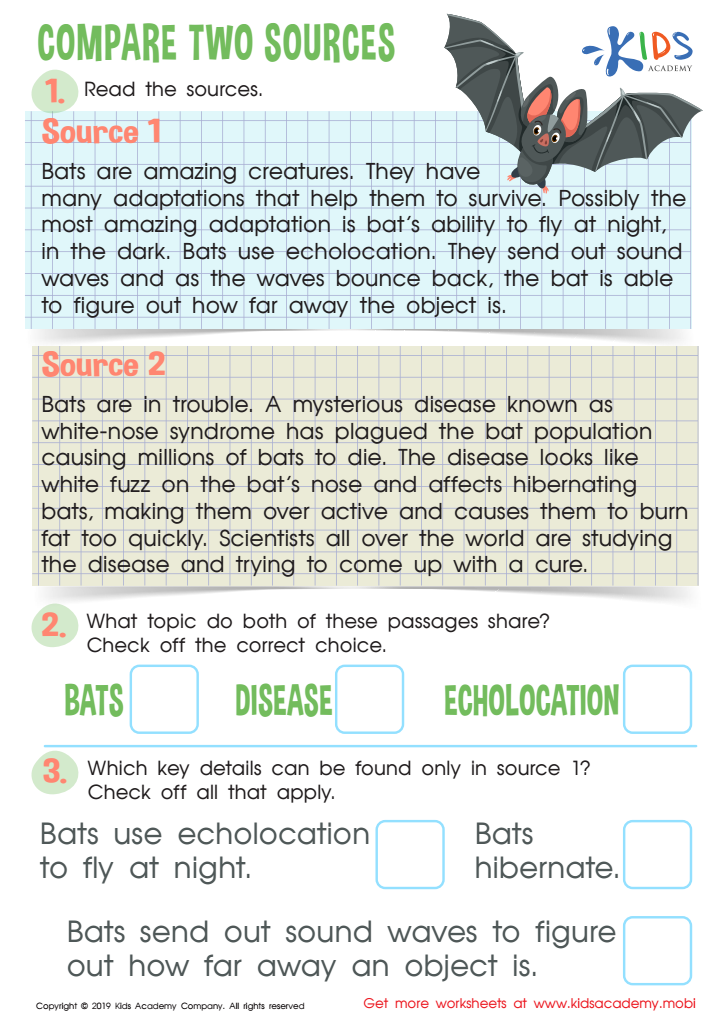
Compare Two Sources Worksheet
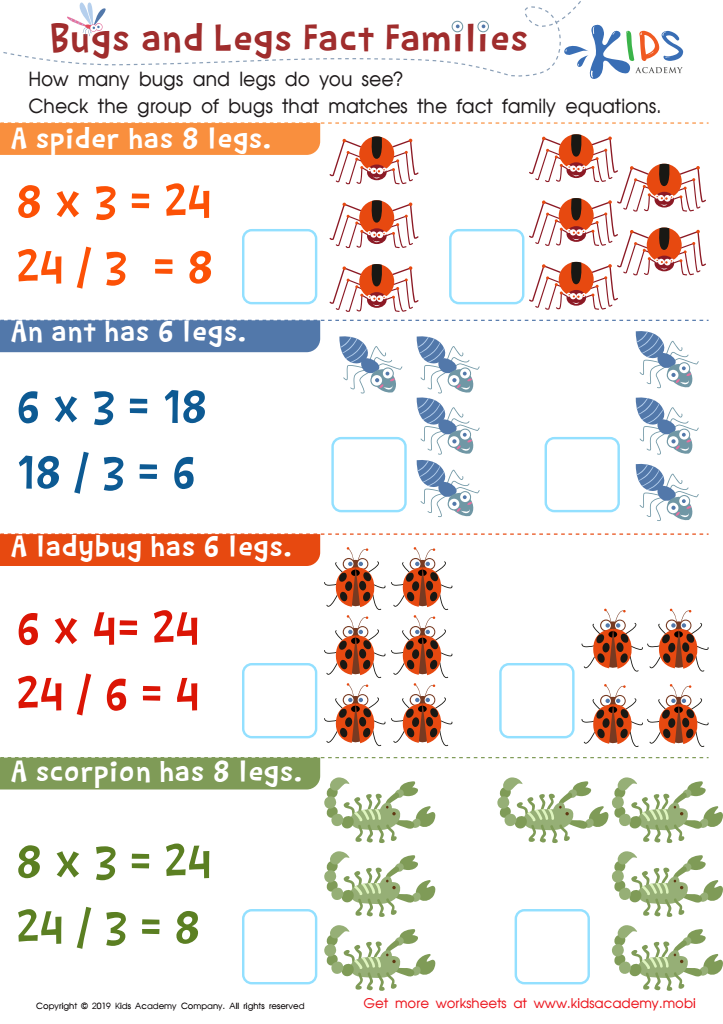
Bugs and Legs Fact Families Worksheet





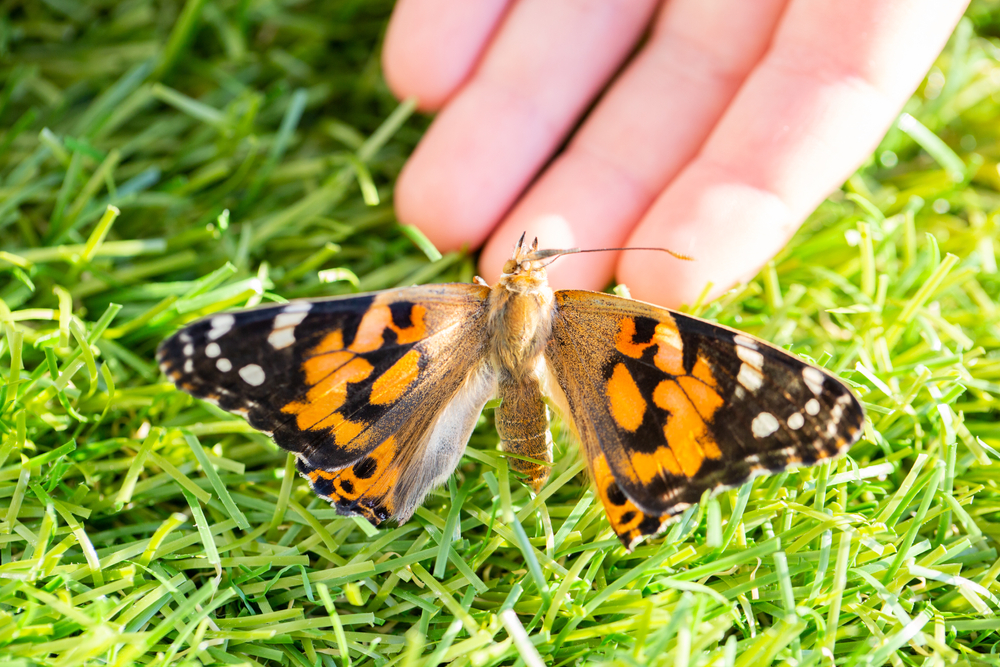


Parents and teachers should place special emphasis on teaching children about normal plants and animals during their formative years, particularly ages 6 to 9. At this age, children are naturally curious and open to learning, making it an ideal time to instill an appreciation for the natural world. Understanding basic plant and animal life can foster a sense of wonder and responsibility, encouraging children to become stewards of their environment.
Engaging with nature not only supports academic learning in subjects like biology and environmental science but also aids in the development of observational skills and critical thinking. Simple activities like observing plant growth, identifying animals, or understanding ecosystems can make these subjects come alive. Additionally, spending time outdoors and interacting with nature has been shown to improve mental and physical health, reducing stress and promoting better overall well-being.
Moreover, teaching kids about plants and animals helps to cultivate empathy and compassion. Understanding that all living things have roles in our ecosystem can lead to more conscientious and caring interactions with the world around them. By fostering a connection to nature early on, parents and teachers can nurture a generation that values and protects our planet’s biodiversity, ensuring a healthier future for all.







