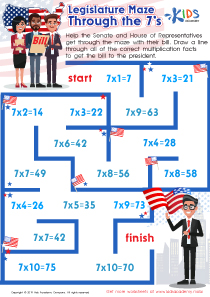
Normal Social Studies Worksheets for Ages 6-9 - Page 8
215 filtered results
-
From - To

Declaration of Independence Word Search Printable
 Assign to My Students
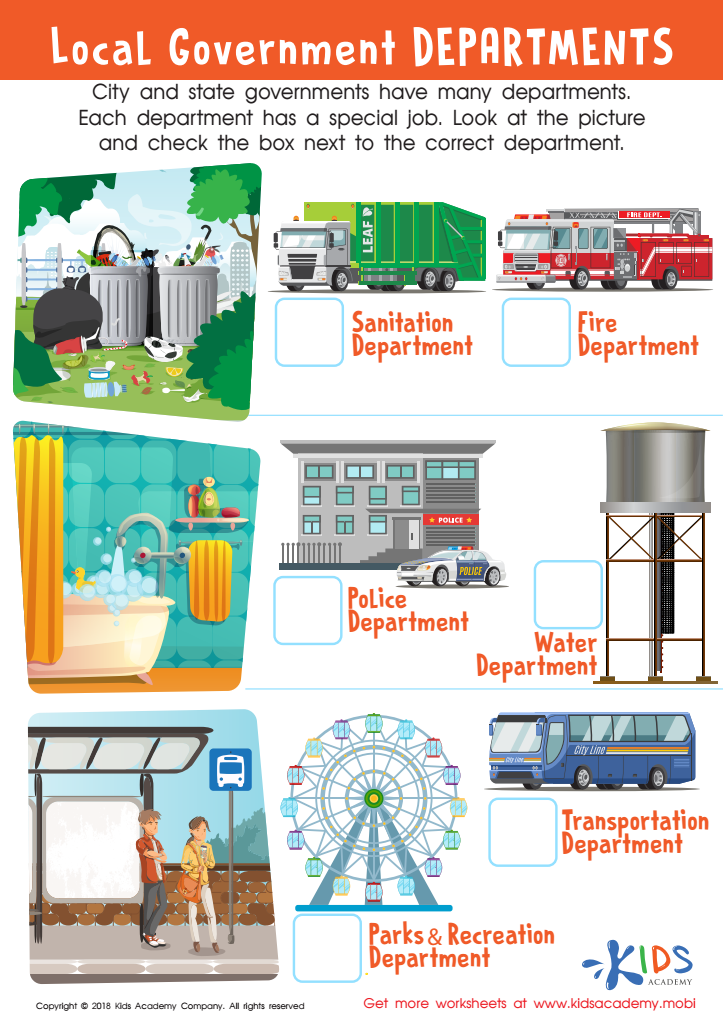
Local Government Departments Worksheet
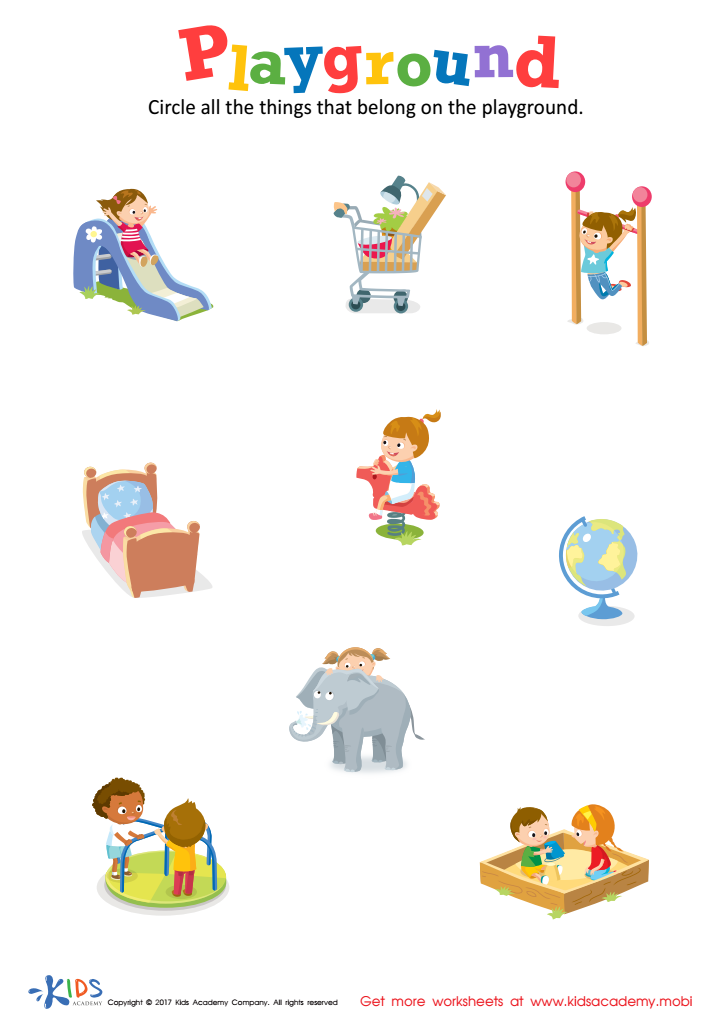
Playground Worksheet
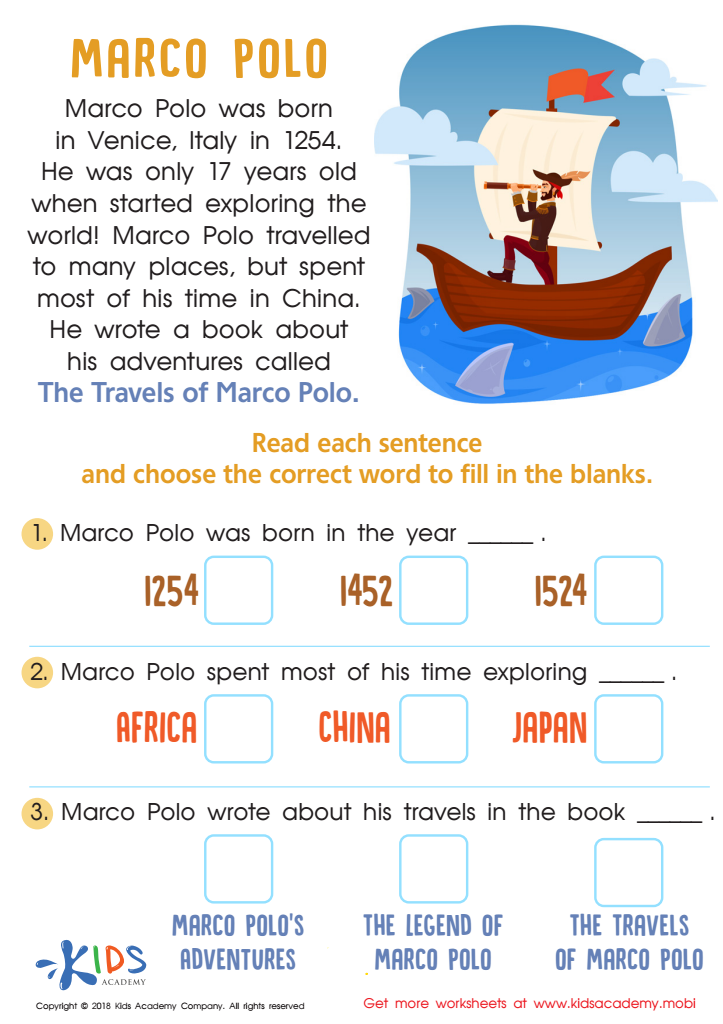
Marco Polo Worksheet
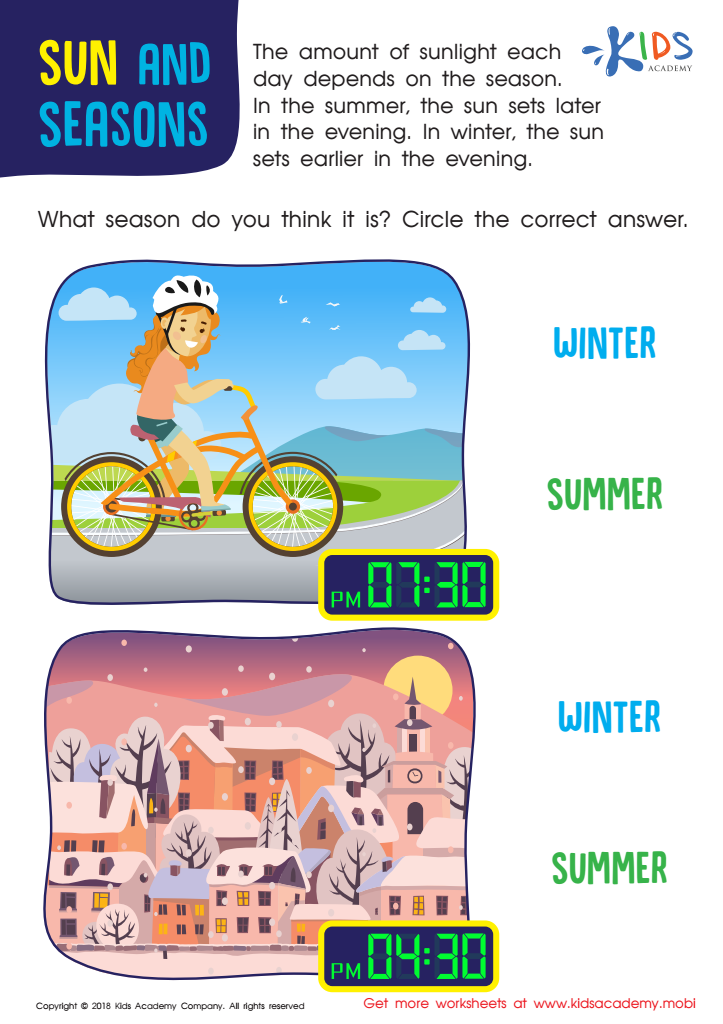
Sun and Seasons Worksheet
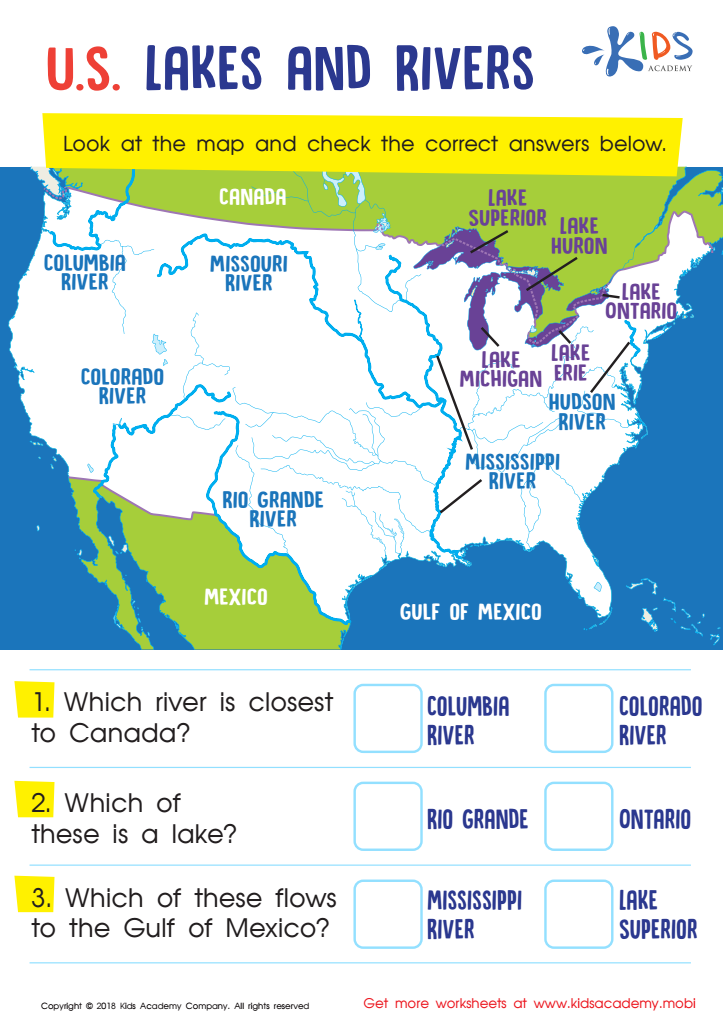
U.S. Lakes and Rivers Worksheet

Houses Around the World: Igloo Printable

Ben Franklin’s Invention Arrays Worksheet
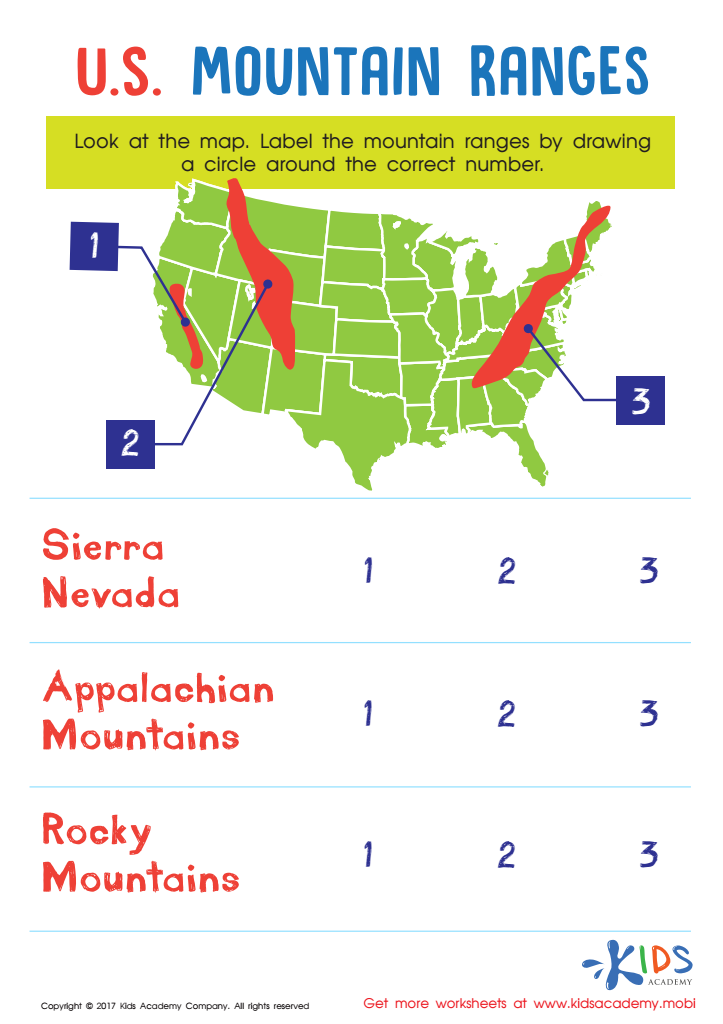
US Mountain Ranges Worksheet
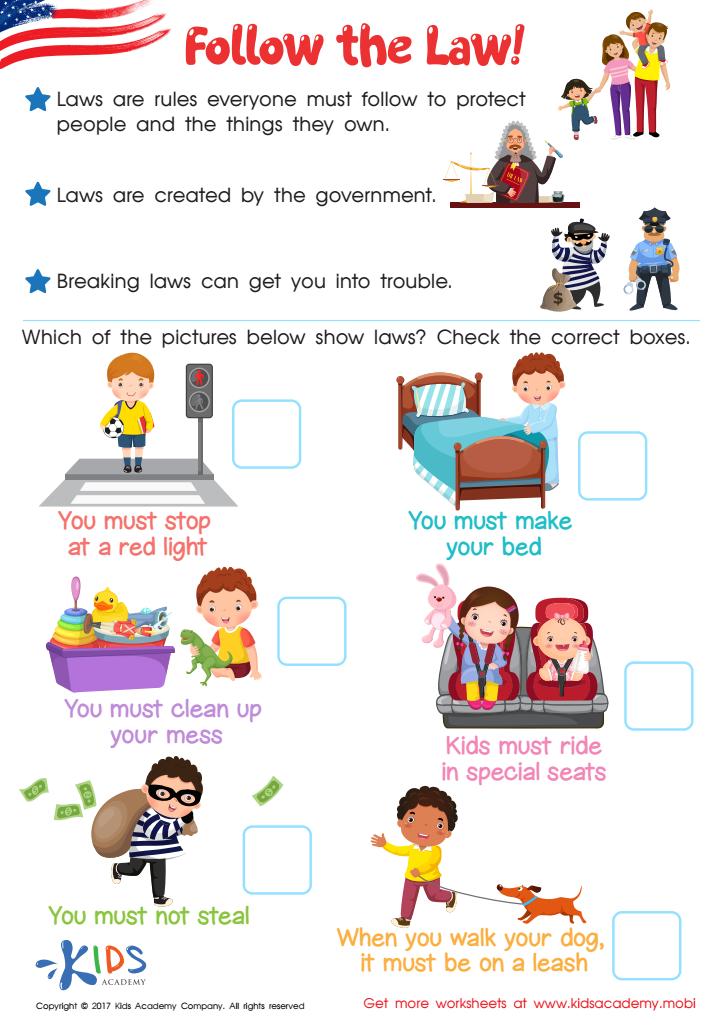
Follow the Law Worksheet

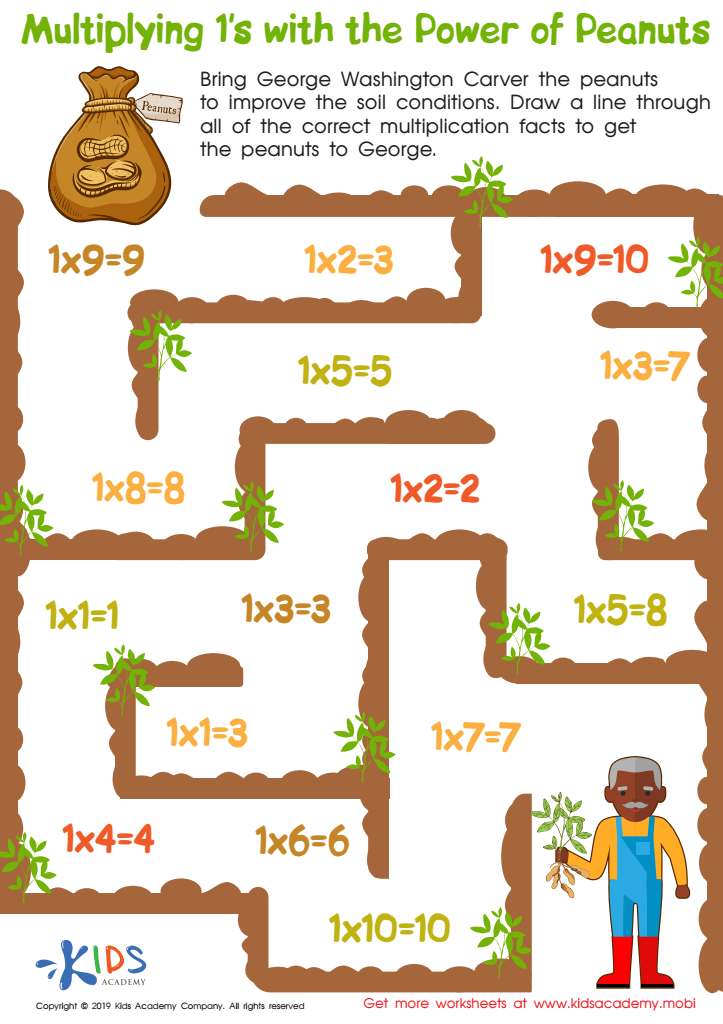
Multiplying 1’s With the Power of Peanuts Worksheet
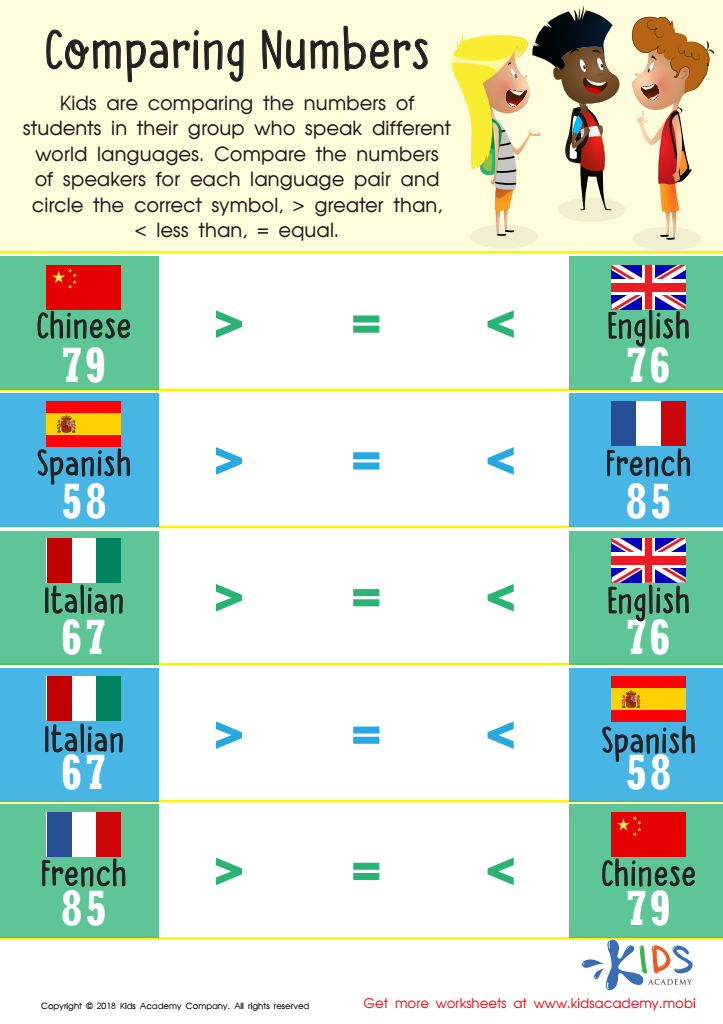
Comparing Numbers Worksheet for 1st Grade
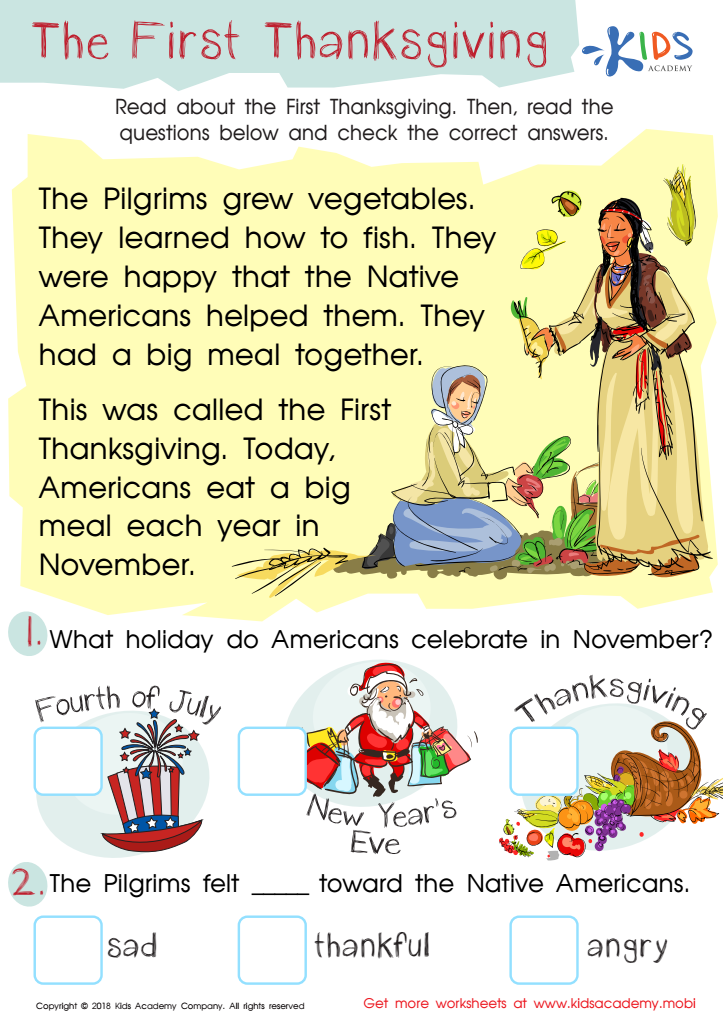
Assessment: First Thanksgiving Worksheet
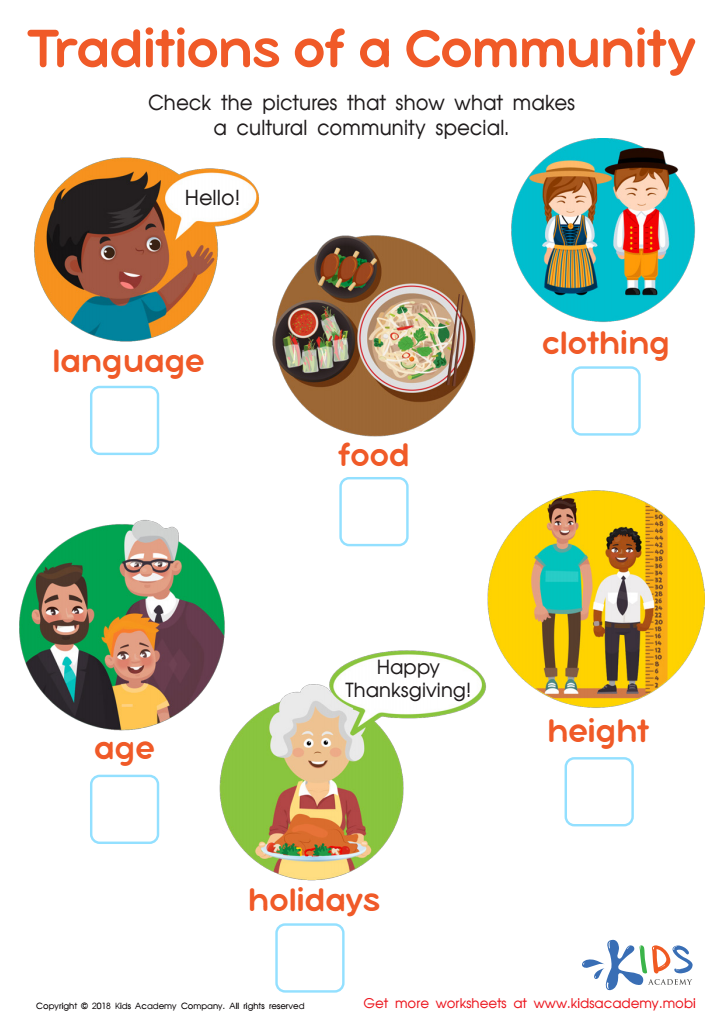
Traditions of a Community Worksheet
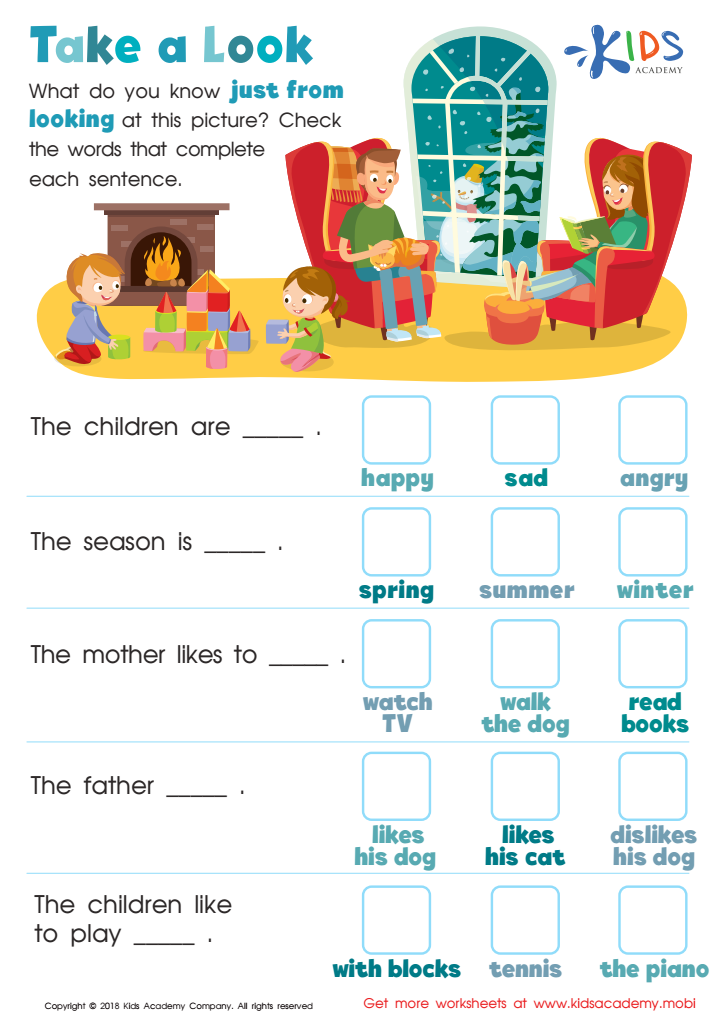
Take a Look - Part 1 Worksheet
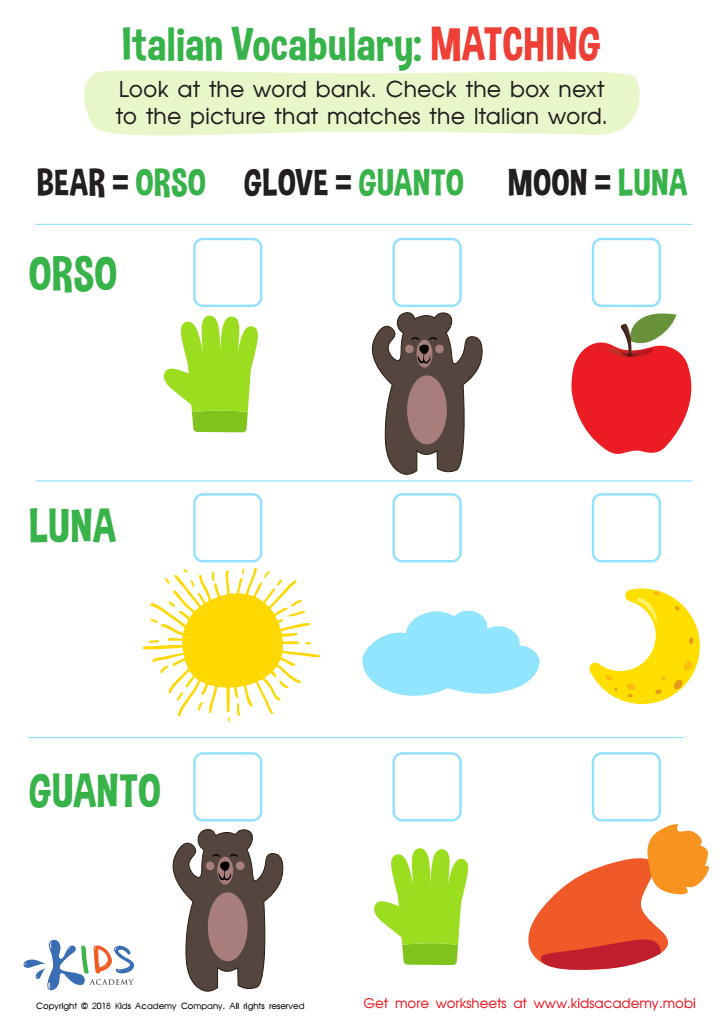
Italian Vocabulary Matching Worksheet
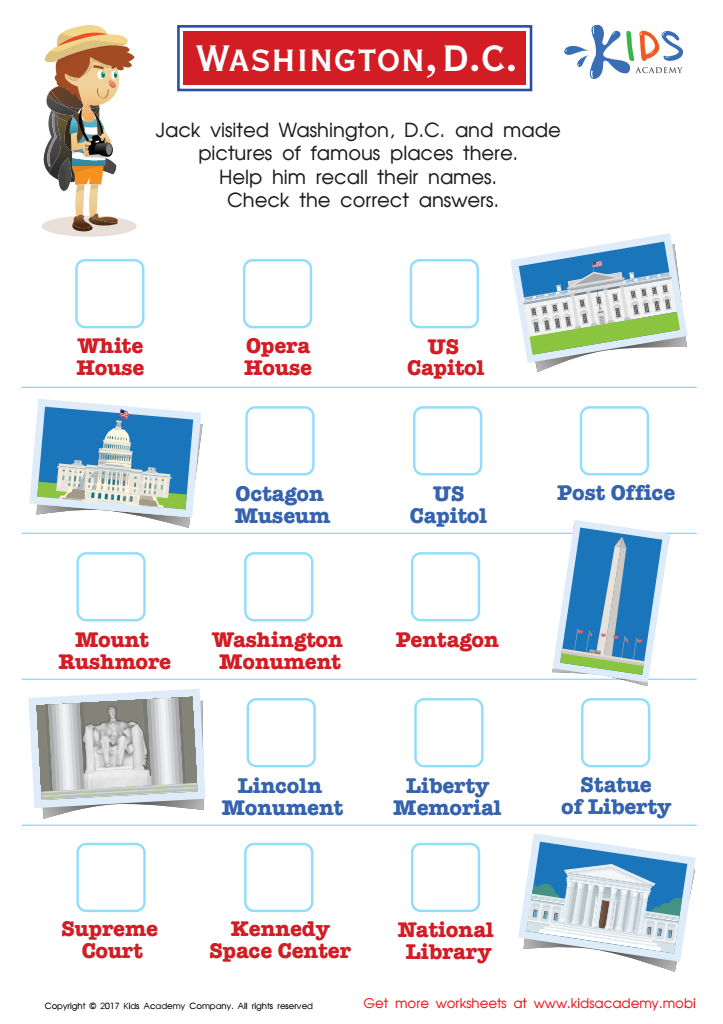
Washington D.C. Printable Worksheet
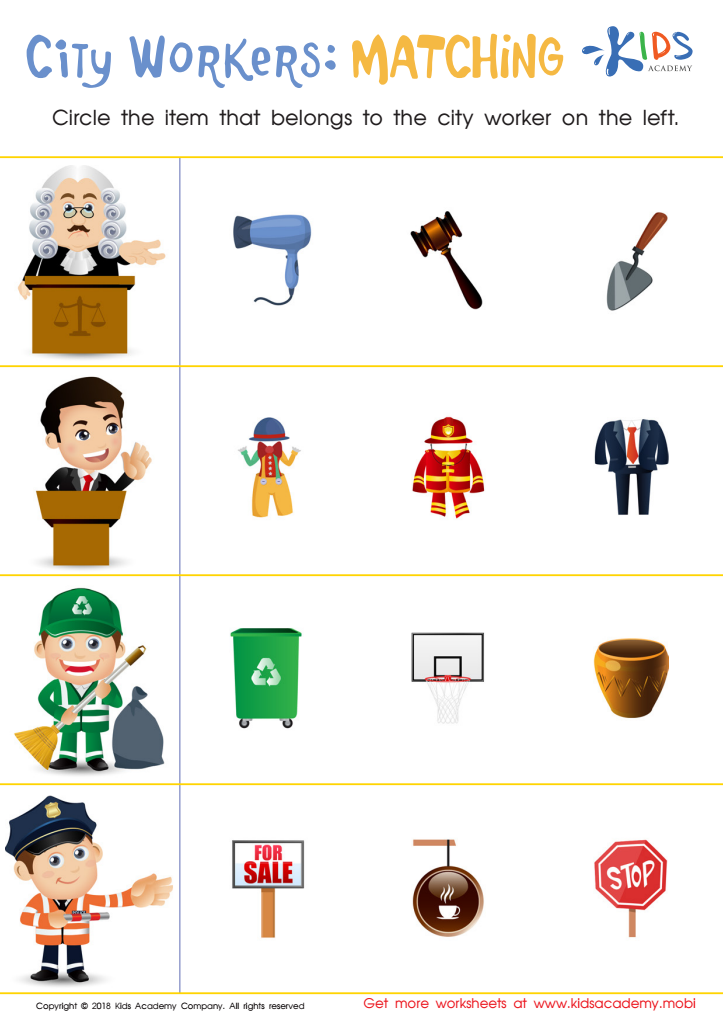
City Workers: Matching Worksheet
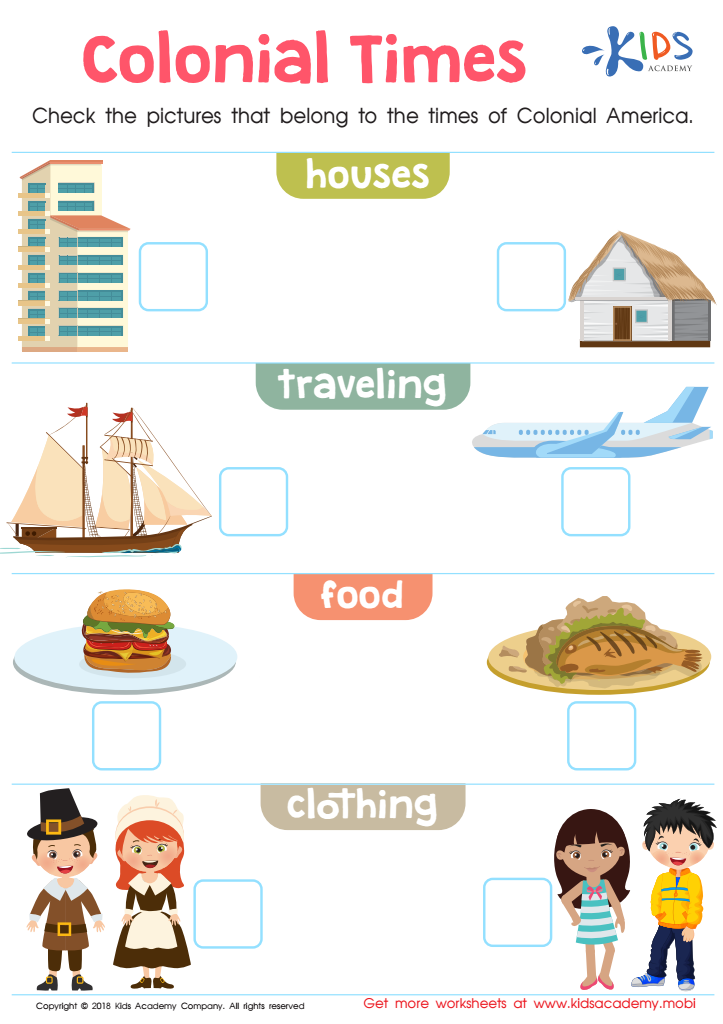
Colonial Times Worksheet

World Flags Printable
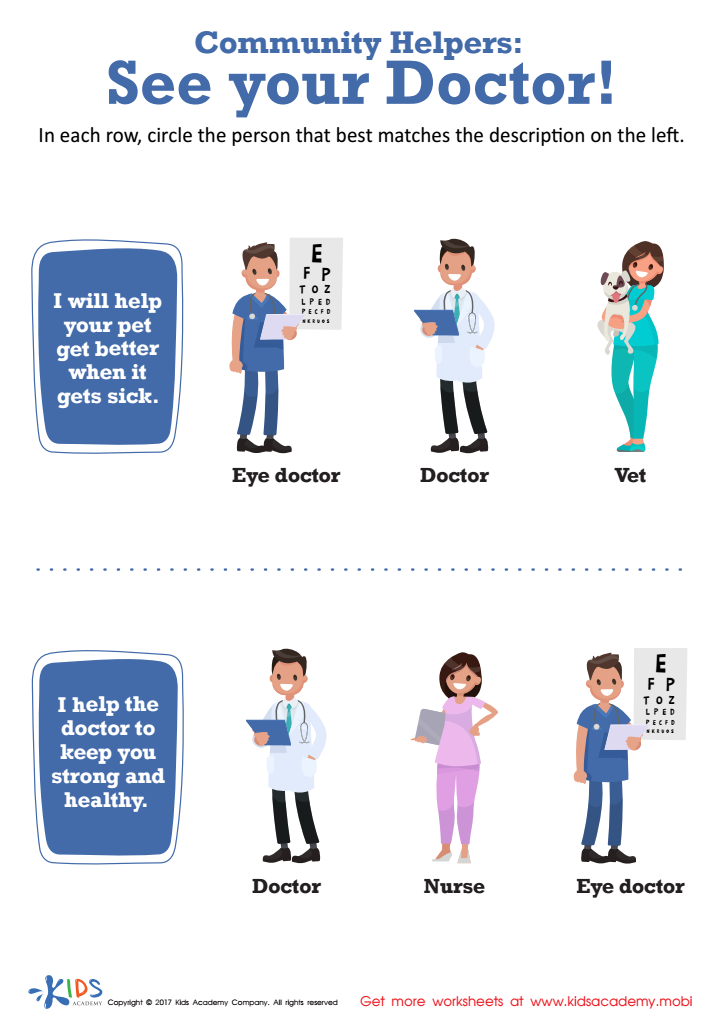
See Your Doctor (Part 2) Printable
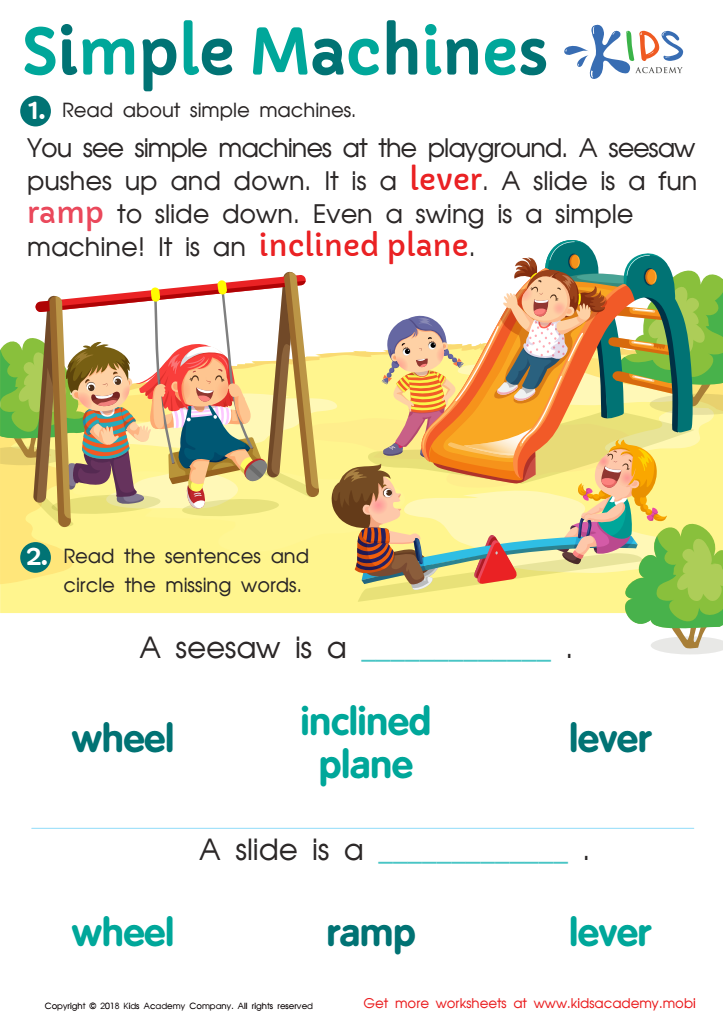
Simple Machines Worksheet








Normal Social Studies for Ages 6-9 plays a crucial role in the foundational development of young learners, shaping their identity, understanding of the world, and social interactions. At this stage, children are naturally curious and eager to learn about their surroundings, including culture, community, and citizenship. Engaging them in social studies fosters critical thinking, empathy, and awareness of diverse perspectives.
Parents and teachers should prioritize this subject because it equips children with essential life skills. Learning about history, geography, and civics helps students understand the importance of respect, responsibility, and community involvement. It encourages them to become informed and active participants in society, instilling values such as cooperation and conflict resolution.
Moreover, incorporating social studies into the curriculum enhances literacy and communication skills as children discuss, read, and write about complex topics. Early exposure to these concepts builds a strong educational foundation that inspires lifelong learning and civic engagement. By educating young minds about societal structures and their roles within them, we nurture not just students, but responsible citizens who can contribute positively to their communities. Therefore, parents and teachers play a vital role in making social studies a priority for this impressionable age group.