Normal History Worksheets for Ages 6-9 - Page 3
59 filtered results
-
From - To
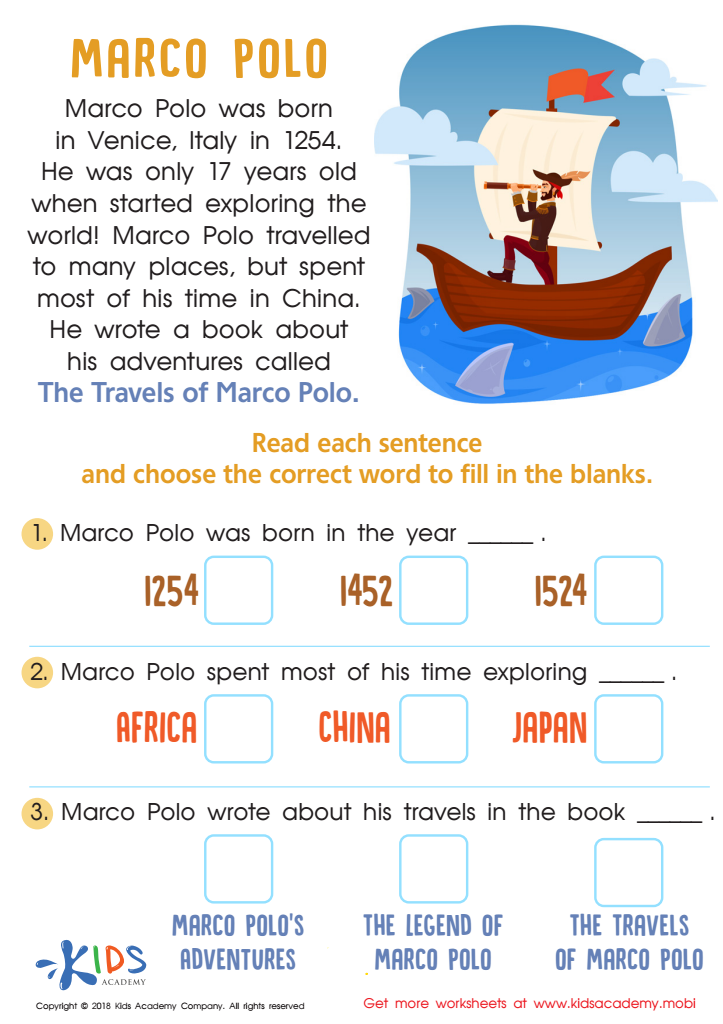
Marco Polo Worksheet
 Assign to My Students
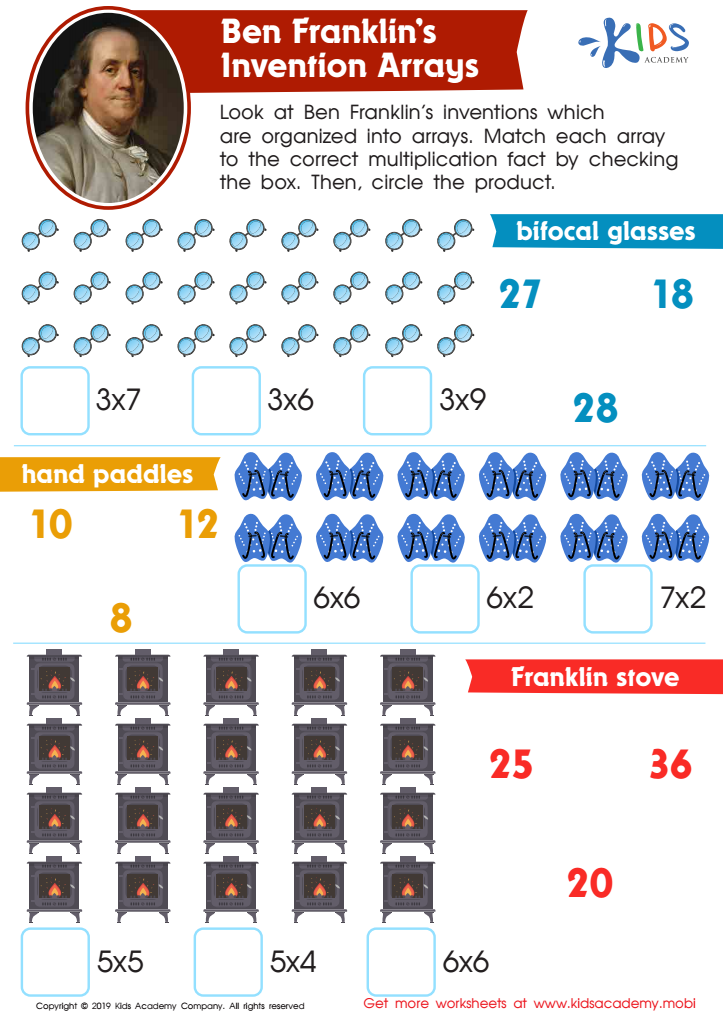
Ben Franklin’s Invention Arrays Worksheet
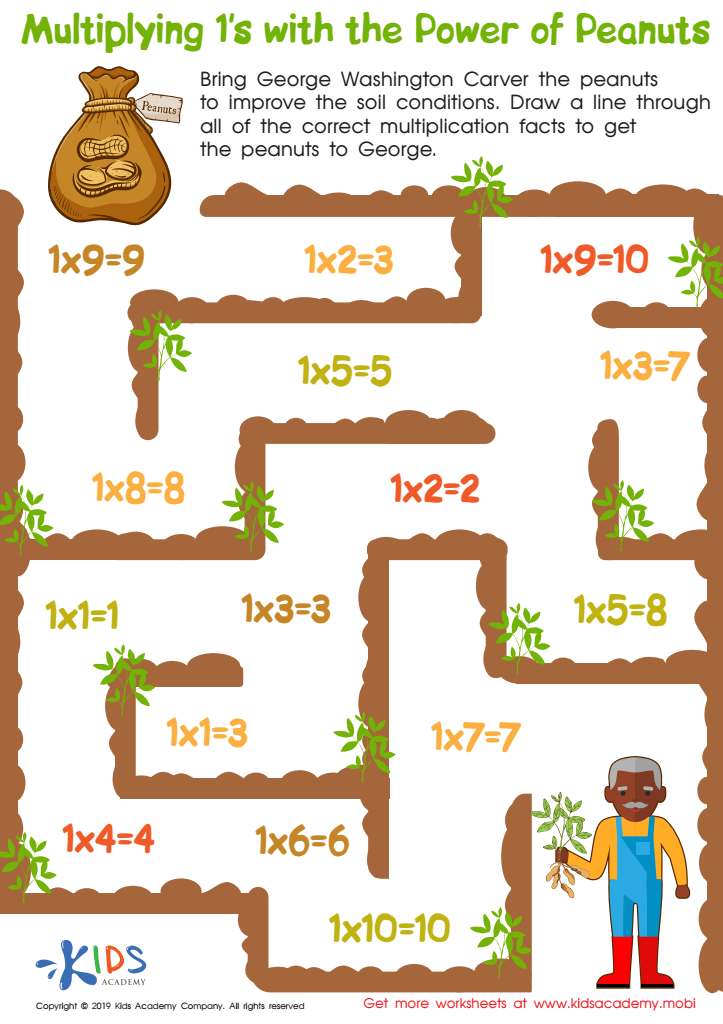
Multiplying 1’s With the Power of Peanuts Worksheet
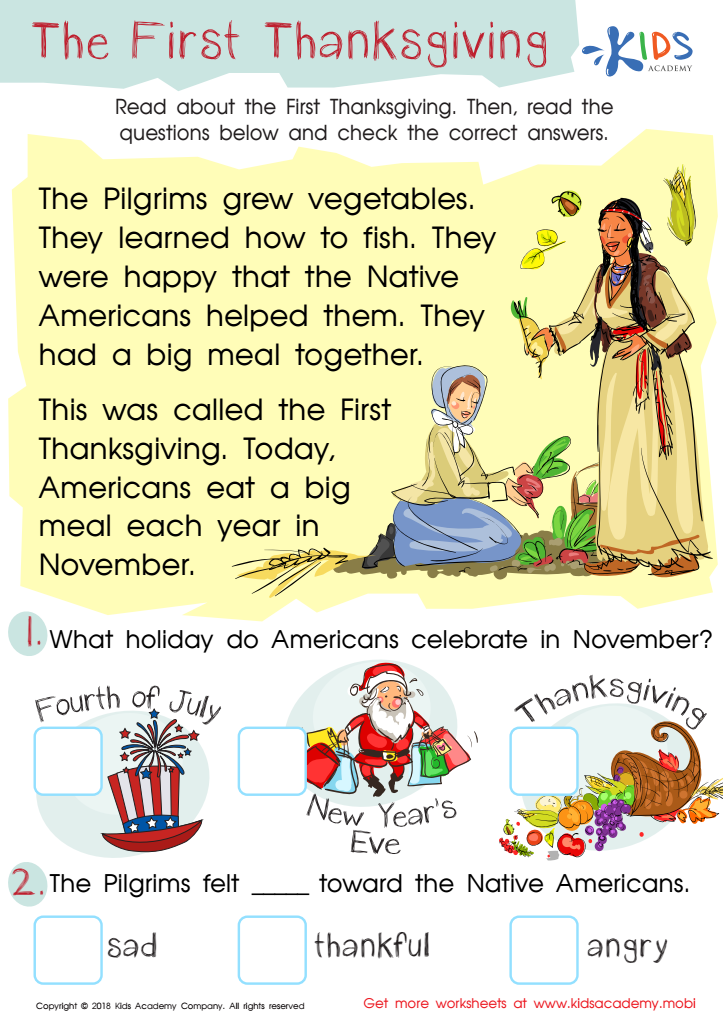
Assessment: First Thanksgiving Worksheet
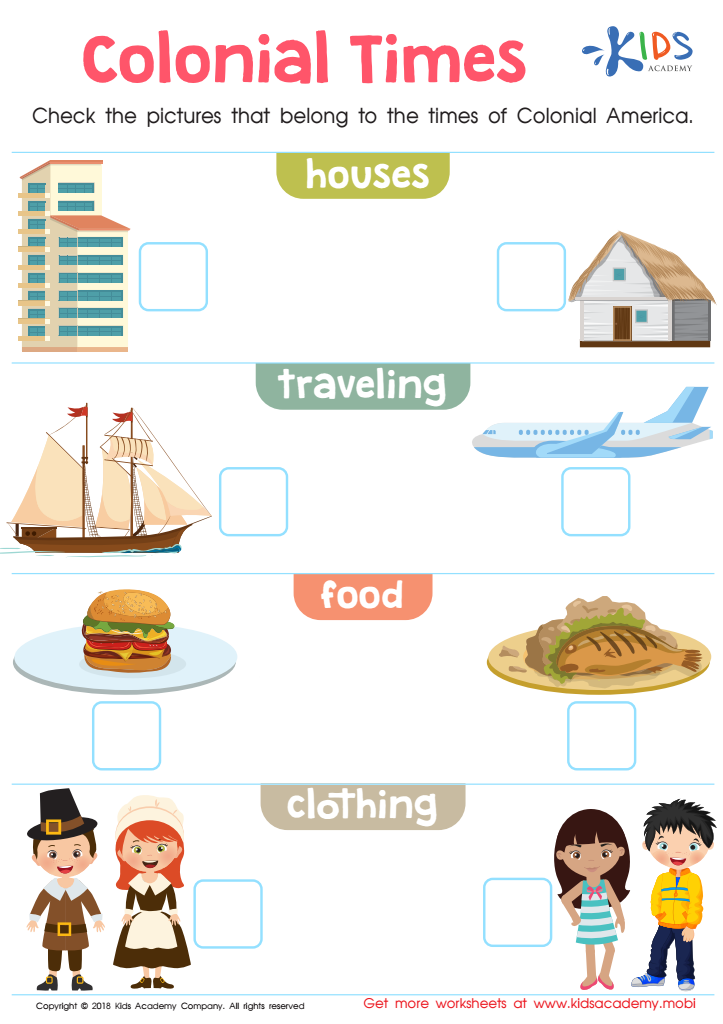
Colonial Times Worksheet
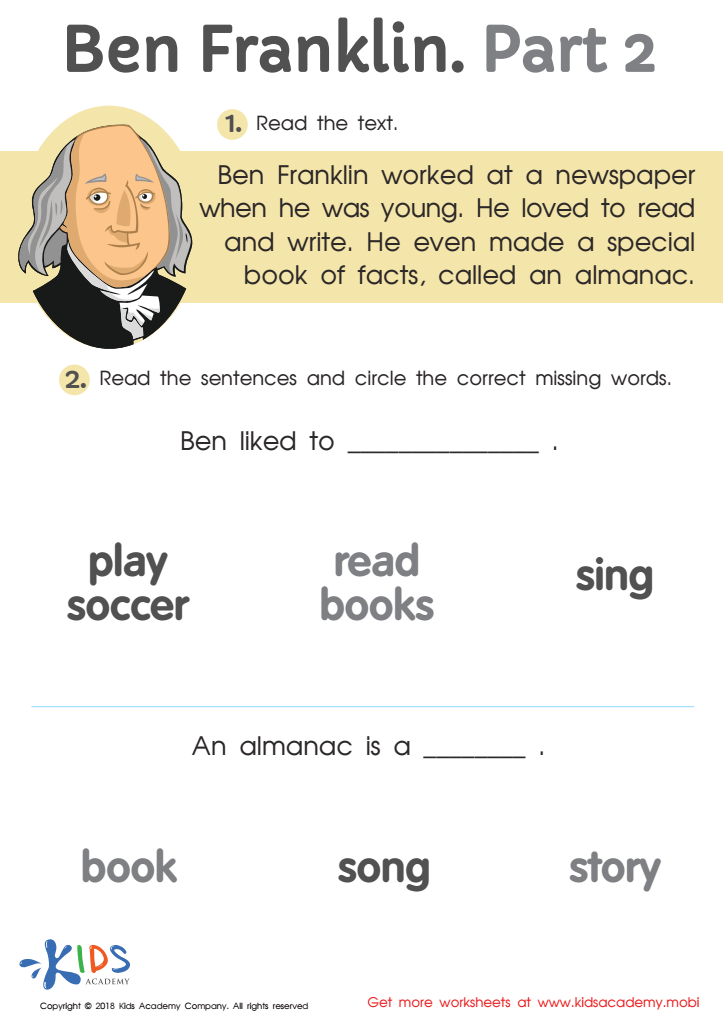
Ben Franklin Part 2 Worksheet
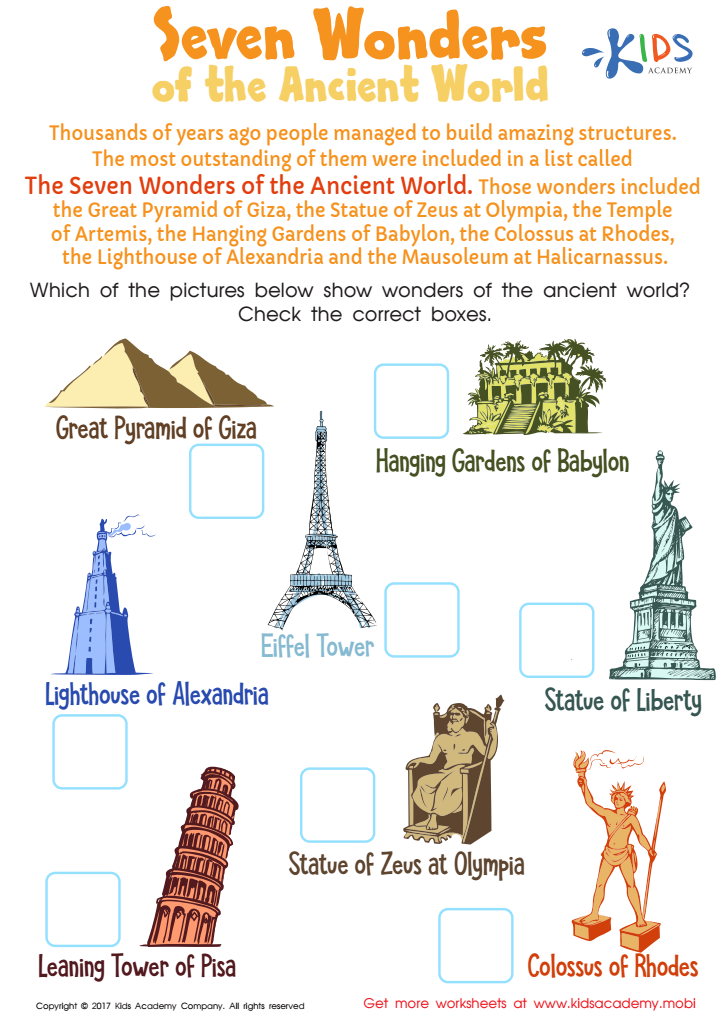
Seven Wonders of the Ancient World Worksheet
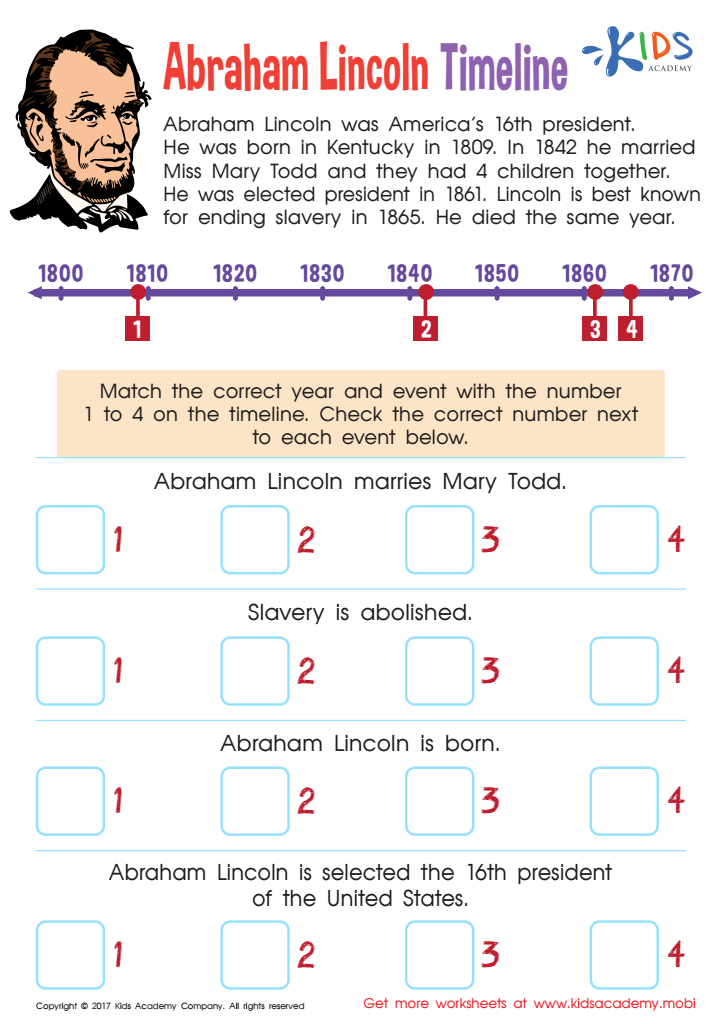
Abraham Lincoln Timeline Worksheet
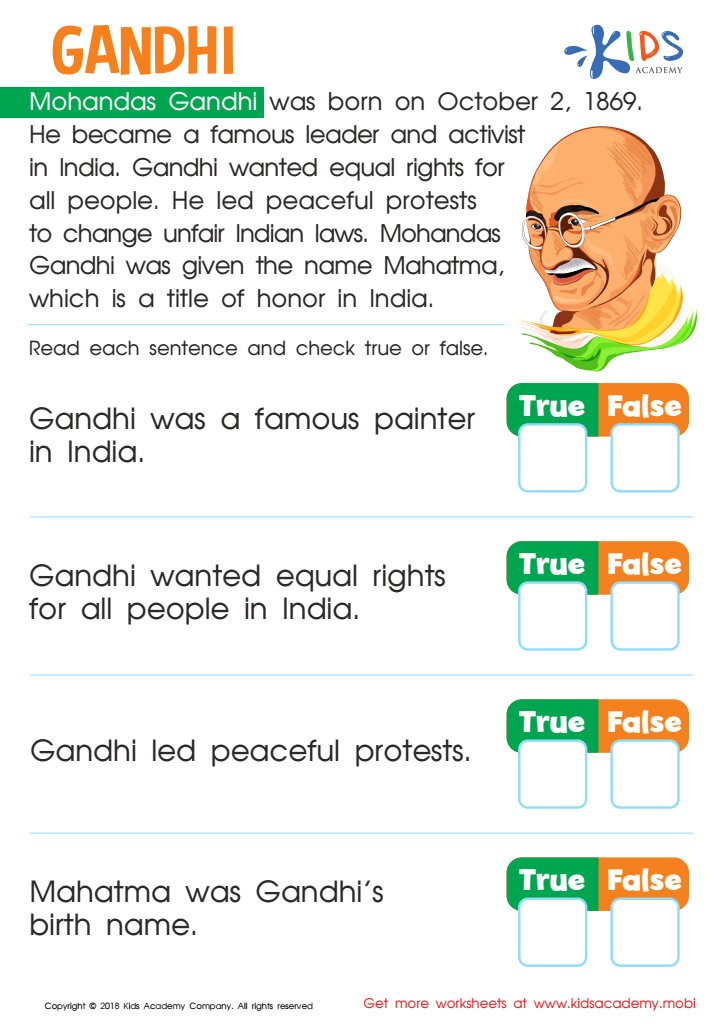
Gandhi Worksheet
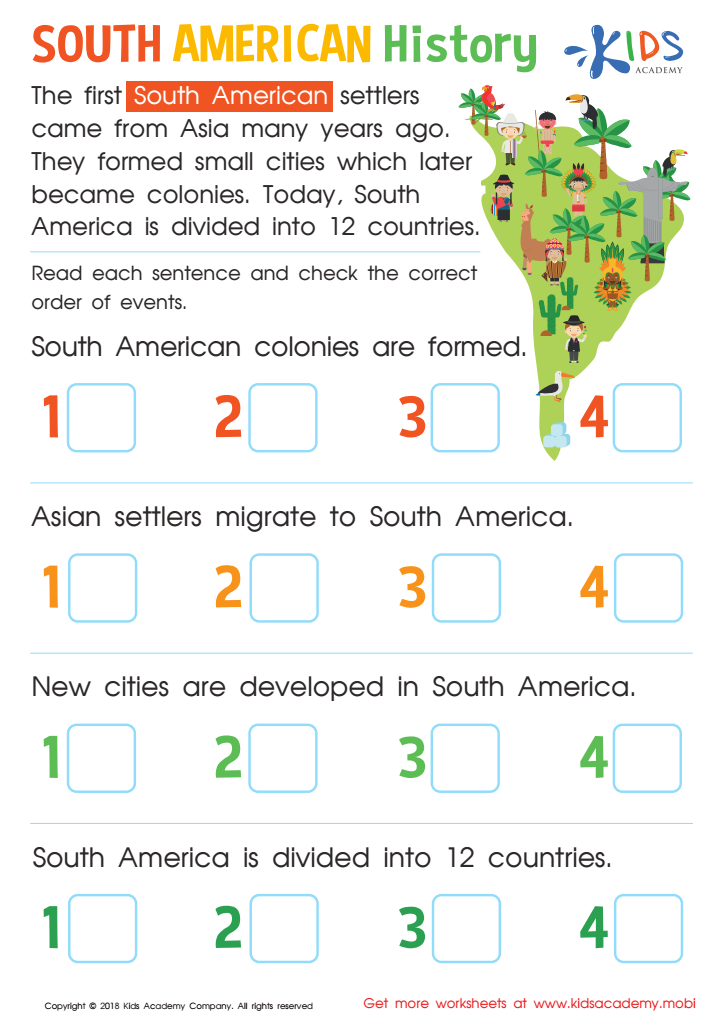
South American History Worksheet
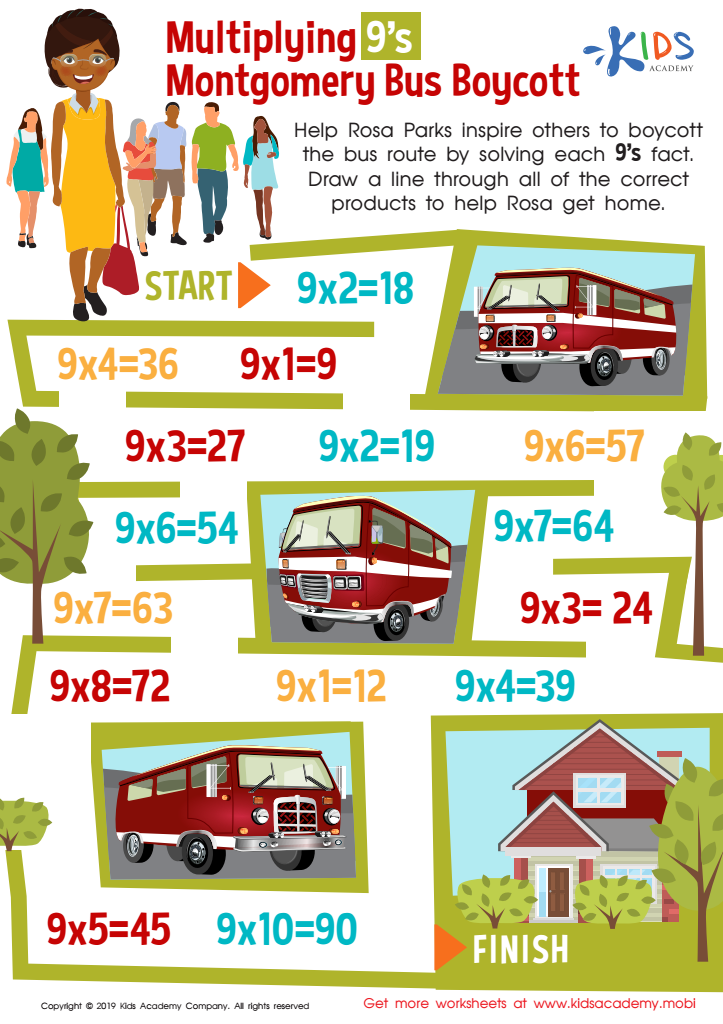
Multiplying 9’s Montgomery Bus Boycott Worksheet








Understanding Normal History for ages 6-9 is crucial for both parents and teachers because it lays the foundation for a child's perception of the world and their place within it. At this developmental stage, children are naturally curious about their surroundings, making it an ideal time to introduce them to important historical events and figures, albeit in an age-appropriate manner.
Teaching Normal History helps children develop critical thinking skills as they begin to understand cause and effect, learn about cultures and societies, and grasp the concept of changes over time. It nurtures empathy by exposing them to different perspectives and experiences, fostering a sense of connection to others despite differences.
Additionally, learning history can boost language and literacy skills as children engage with stories, discuss timelines, and explore new vocabulary. It also promotes engagement in civic values, encouraging understanding of their rights and responsibilities as future citizens.
Overall, by making history relatable and engaging, parents and teachers can instill a lifelong appreciation for knowledge, inspiring curiosity and enthusiasm that extends far beyond the classroom. Engaging with Normal History is a valuable investment in a child's social-emotional and cognitive development, paving the way for informed, thoughtful future adults.