Normal Short Vowels Worksheets for Ages 8-9
4 filtered results
-
From - To
Discover our engaging Normal Short Vowels Worksheets designed specifically for children aged 8-9! These worksheets provide a fun and interactive way for kids to master short vowel sounds through a variety of activities, including fill-in-the-blank tasks, matching exercises, and word searches. Each worksheet is crafted to enhance phonemic awareness, improve spelling skills, and boost reading comprehension. Perfect for classroom or home use, these resources support young learners in developing essential linguistic skills while enjoying the learning process. Empower your child to become more confident and proficient in their reading abilities with our specially designed short vowels worksheets today!
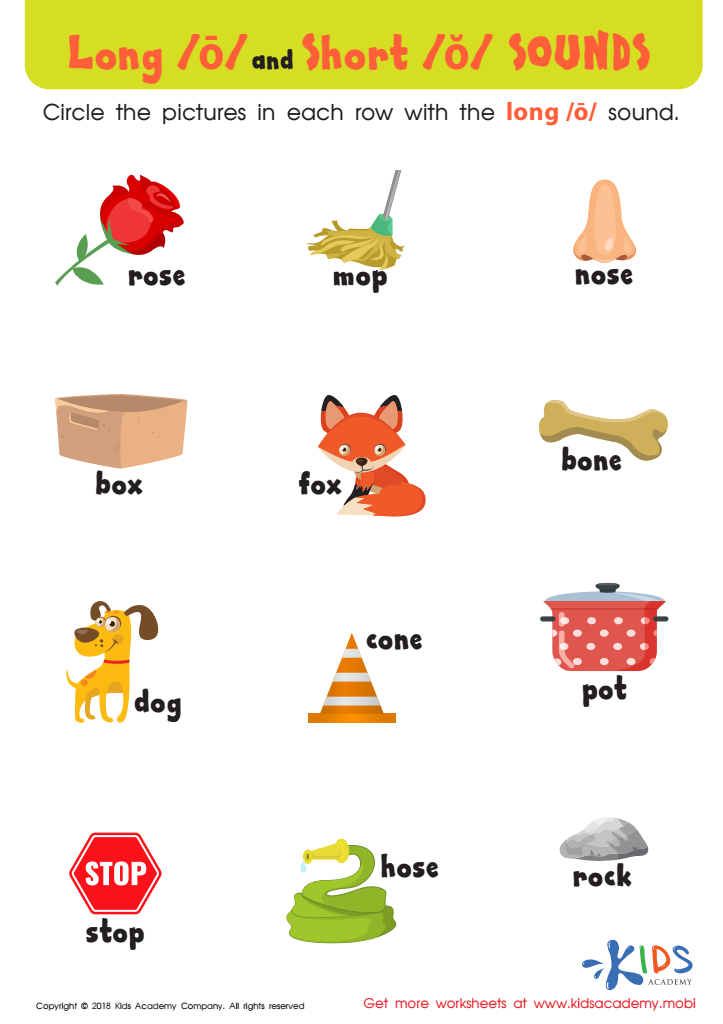
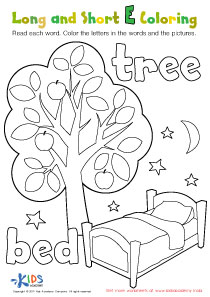
Reading: Long O and Short O Sounds Worksheet
 Assign to My Students
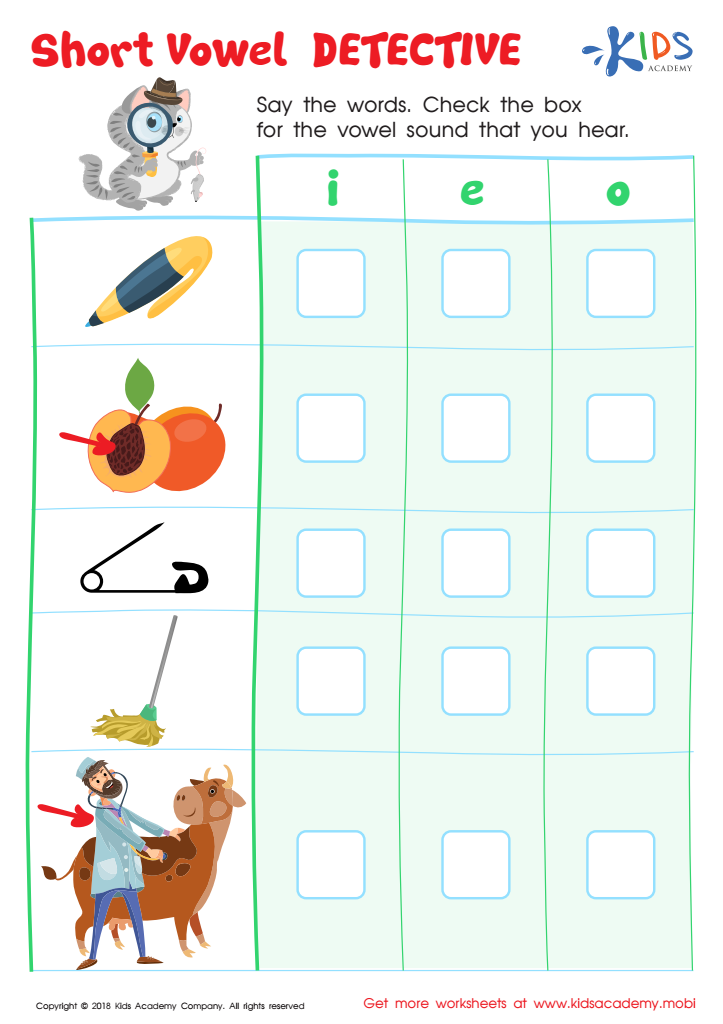
Short Vowel Detective Worksheet
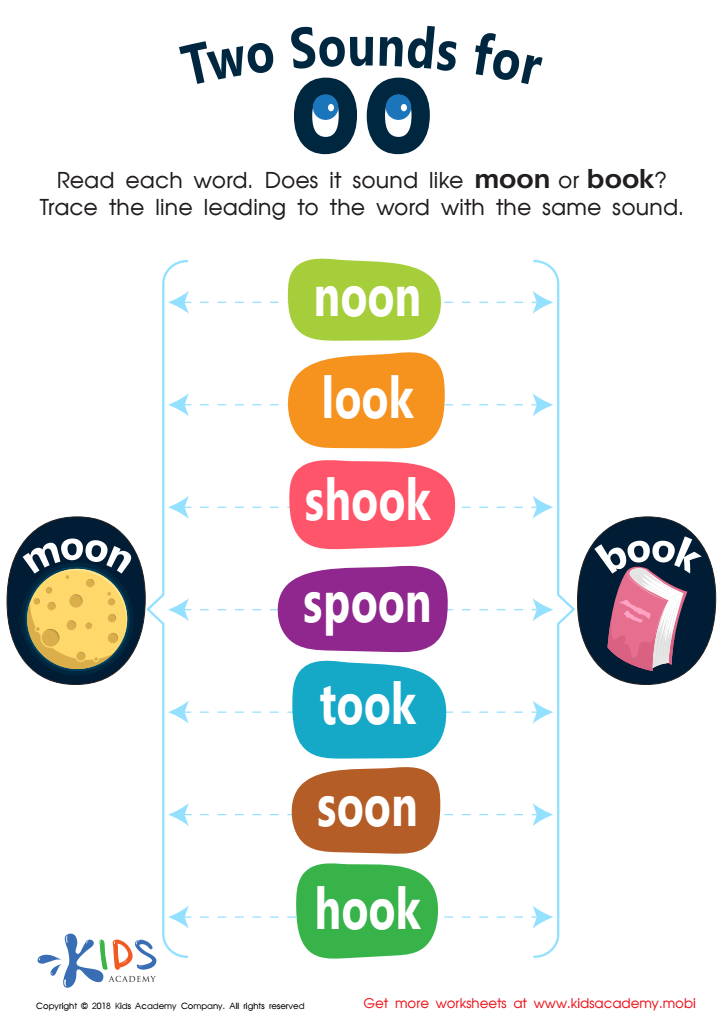
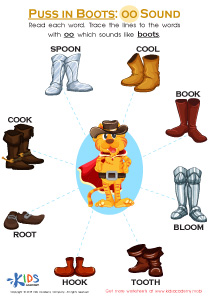
Two Sounds for OO Worksheet
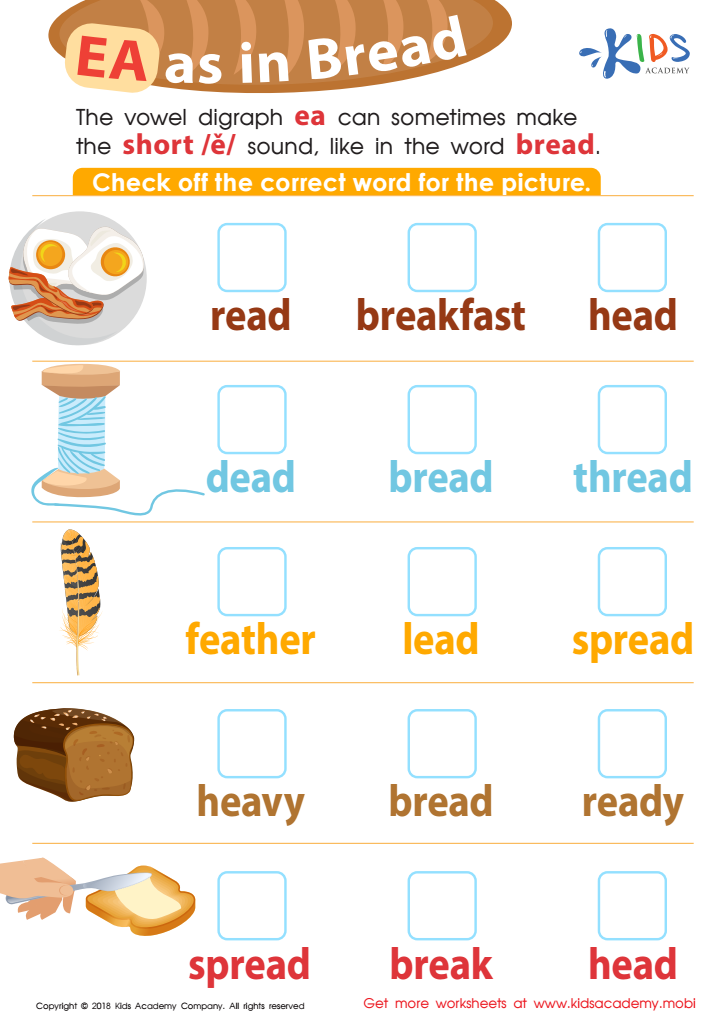
Reading: EA as in Bread Worksheet



Understanding normal short vowels is crucial for children aged 8-9, as these foundational sounds form the basis of reading and writing skills. At this age, students are transitioning from learning to read to reading to learn, which requires a solid grasp of phonetics. Short vowels—specifically the sounds represented by 'a,' 'e,' 'i,' 'o,' and 'u'—play a key role in this developmental phase.
Short vowels are essential for phonemic awareness, which helps children decode new words more easily. By mastering these vowel sounds, students enhance their spelling proficiency and broaden their vocabulary, enabling them to comprehend more complex texts. Additionally, understanding short vowels can aid in reducing reading difficulties, allowing children to build confidence as they encounter new material.
Parents and teachers can support this learning by incorporating games and activities centered around short vowels, enhancing engagement and retention. Encouraging reading aloud and providing opportunities for writing can further solidify this understanding. Ultimately, a strong foundation in short vowels equips children with the skills they need for academic success, fostering a love for learning that will benefit them throughout their educational journey. Hence, it is essential that both parents and educators prioritize this aspect of literacy development.