Chess knowledge Chess Worksheets
3 filtered results
-
From - To
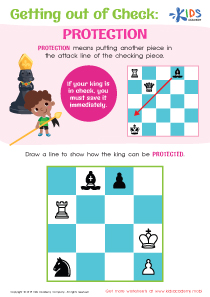
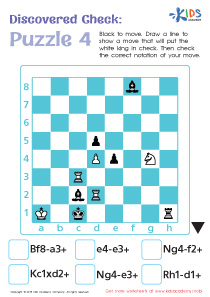
Discover the exciting world of chess with our "Chess Knowledge Worksheets"! Designed for young learners, these printable resources introduce key concepts, strategies, and terminology. Each worksheet fosters critical thinking and problem-solving skills while preparing students for the game. Hone your child's ability to recognize pieces, understand basic moves, and explore tactical plays through engaging exercises. Our chess worksheets cater to various skill levels, making learning accessible and fun! Ideal for classrooms or home use, these materials not only enhance chess proficiency but also promote focus and concentration. Unlock your child’s potential and let their chess journey begin!
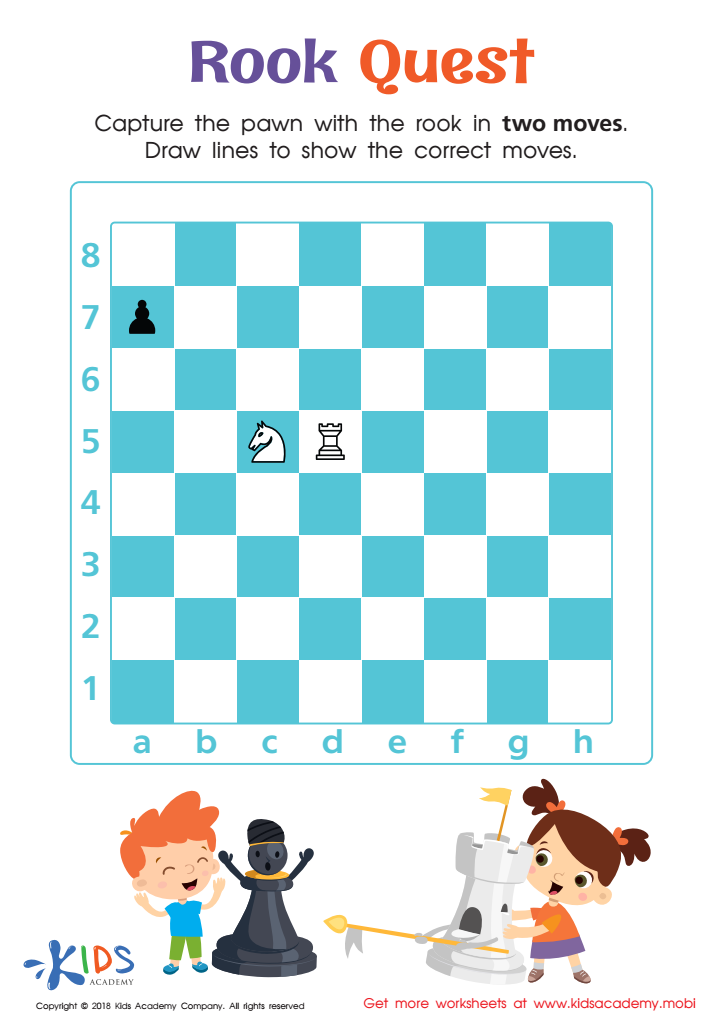
Rook Quest Worksheet
 Assign to My Students
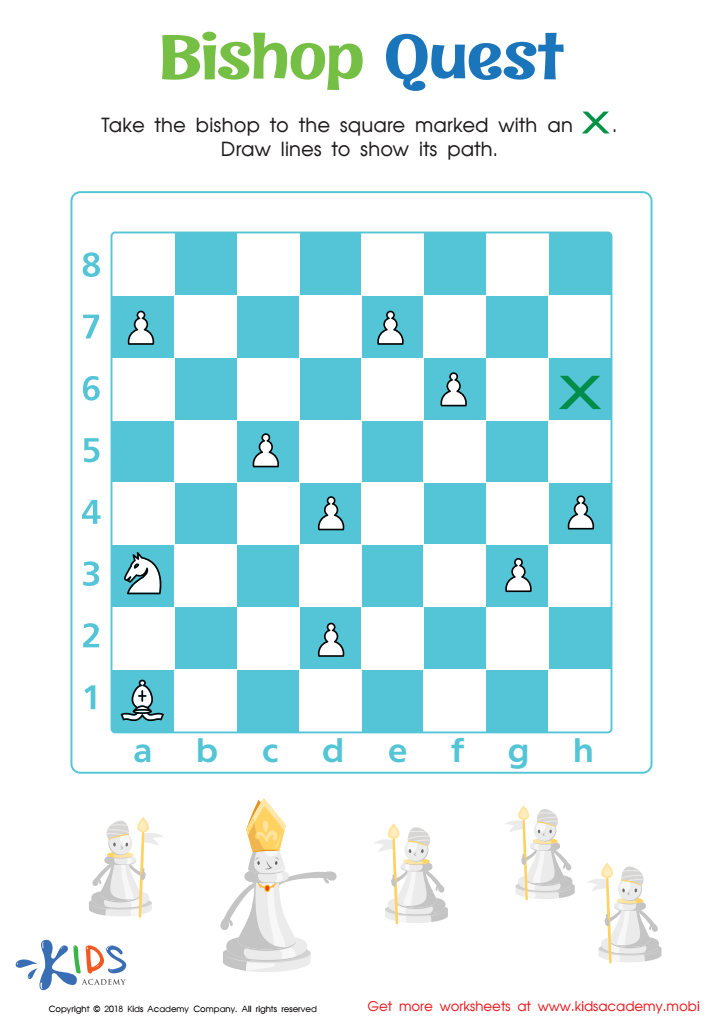
Bishop Quest Worksheet
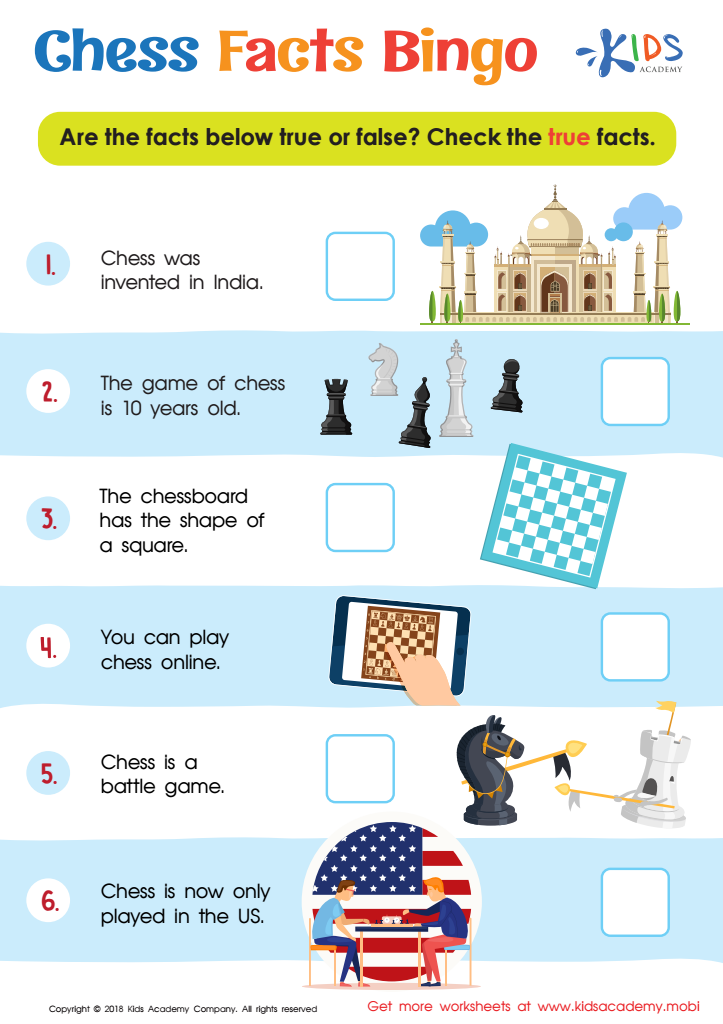
Chess Facts Bingo Worksheet







Parents and teachers should care about chess knowledge for several compelling reasons. First, chess is a powerful educational tool that enhances critical thinking and problem-solving skills. As children learn to strategize and anticipate their opponents' moves, they develop analytical abilities that are transferable to other academic subjects, such as math and science.
Moreover, chess promotes patience and concentration. Players must focus on the board and plan several moves ahead, fostering skills that are crucial for academic success and personal growth. This capacity for sustained attention can improve performance in classroom settings and homework completion.
Additional benefits include the development of emotional intelligence, as chess teaches children about winning and losing gracefully, building resilience and sportsmanship. Engaging in chess can also enhance social skills, as students connect with peers through friendly competition.
Furthermore, they may provide a creative outlet, allowing children to express themselves and explore imaginative strategies. Introducing chess to young learners nurtures a love for learning and challenges their minds in a fun, engaging way. Consequently, fostering chess knowledge can lead to well-rounded, thoughtful individuals, equipped with invaluable skills for their educational journeys and future endeavors.