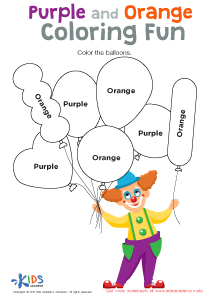
Alphabet Recognition Easy English for Beginners Worksheets for Ages 3-4
6 filtered results
-
From - To
Welcome to our "Alphabet Recognition Easy English for Beginners Worksheets for Ages 3-4"! Designed specifically for young learners, these engaging worksheets promote foundational literacy skills through fun activities. Children will explore the alphabet through colorful illustrations, letter tracing, and interactive exercises tailored to their developmental stage. Each worksheet encourages recognition of letters, fostering confidence and enthusiasm for learning English as a second language. These resources support early childhood educators and parents in nurturing essential skills, ensuring a solid groundwork for future reading and writing. Dive into our user-friendly worksheets, and watch your little ones develop a love for the alphabet!
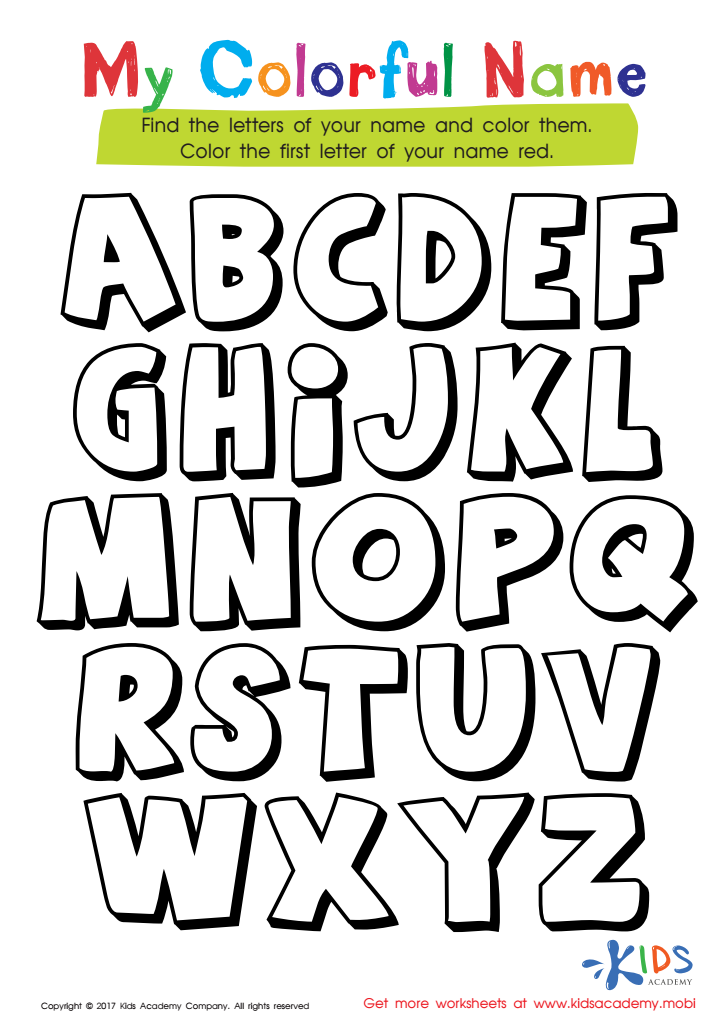
My Colorful Name Worksheet
 Assign to My Students
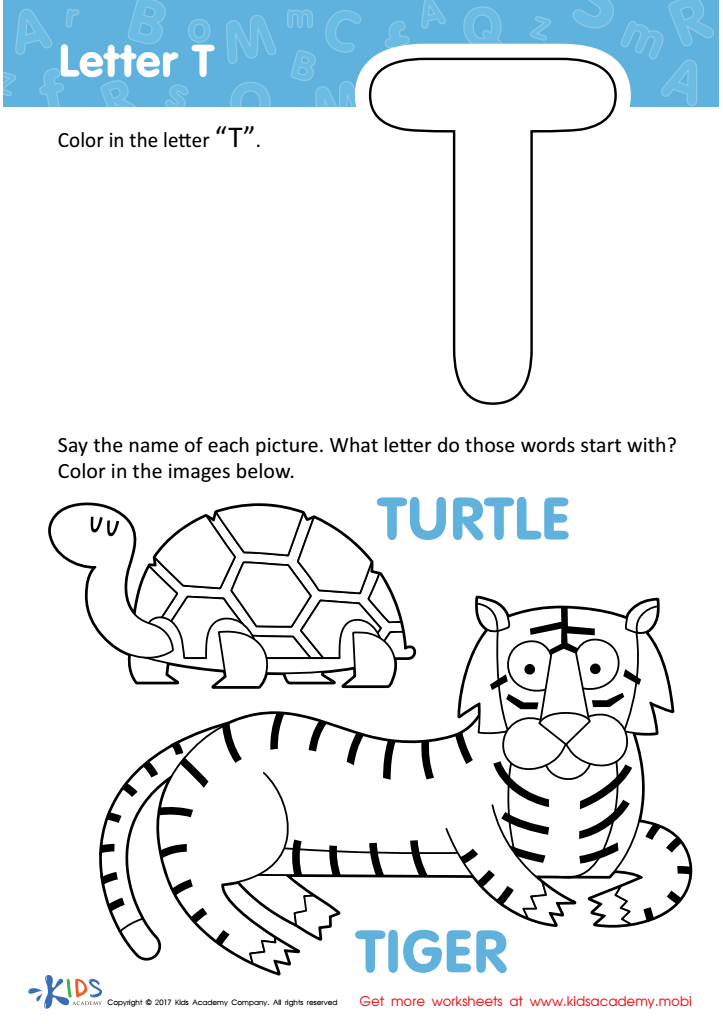
Letter T Coloring Sheet
Assign to My Students
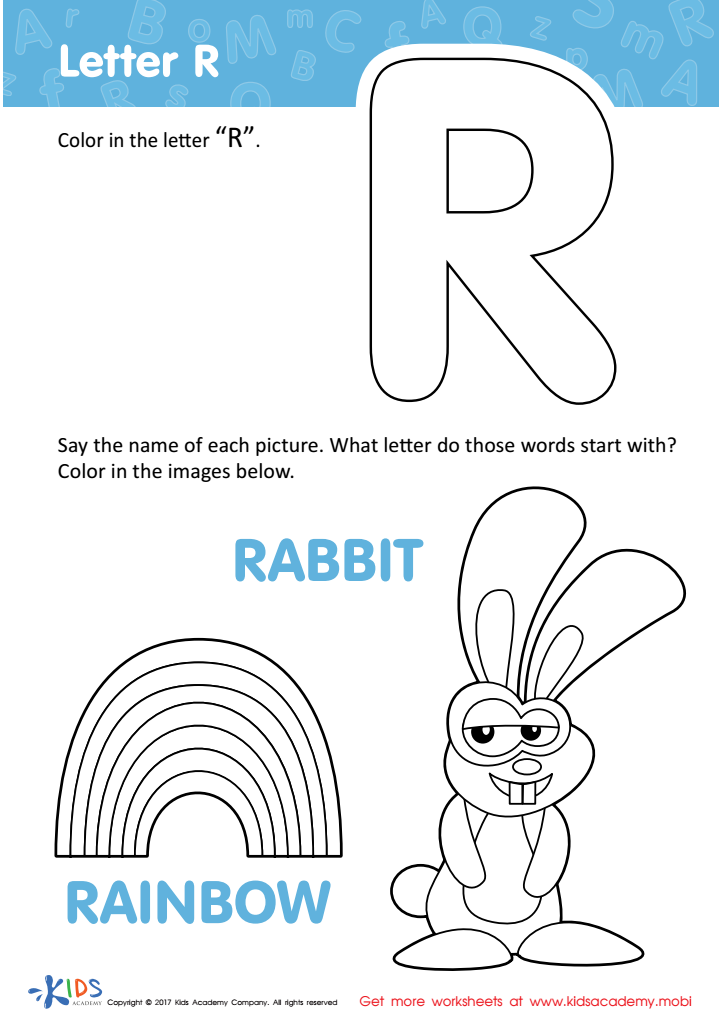
Letter R Coloring Sheet
Assign to My Students
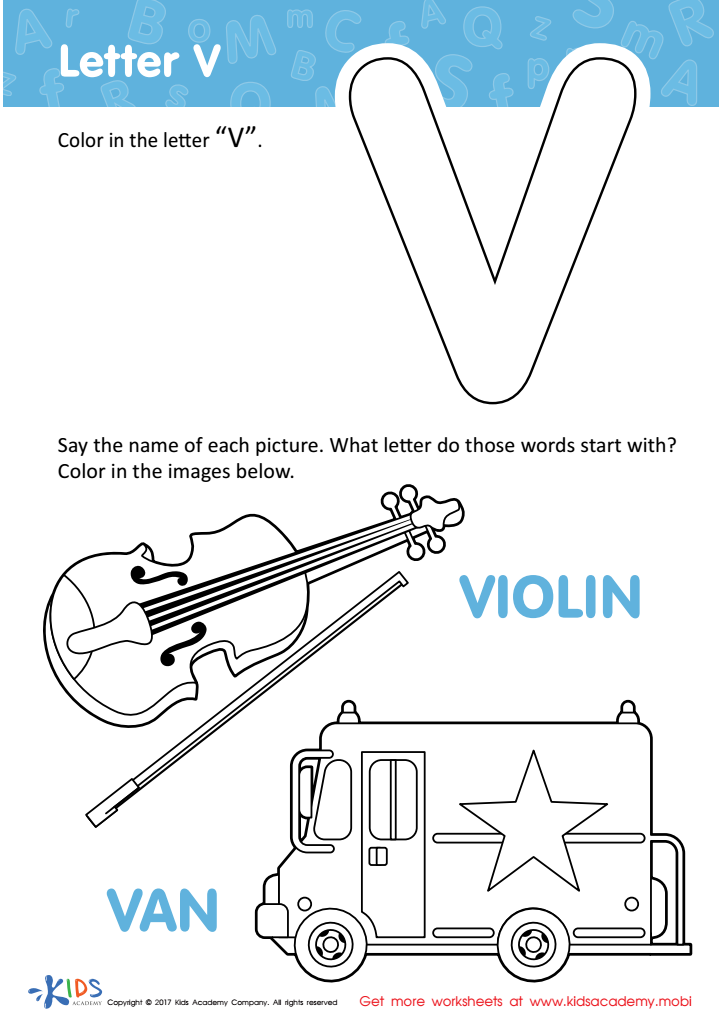
Letter V Coloring Sheet
Assign to My Students
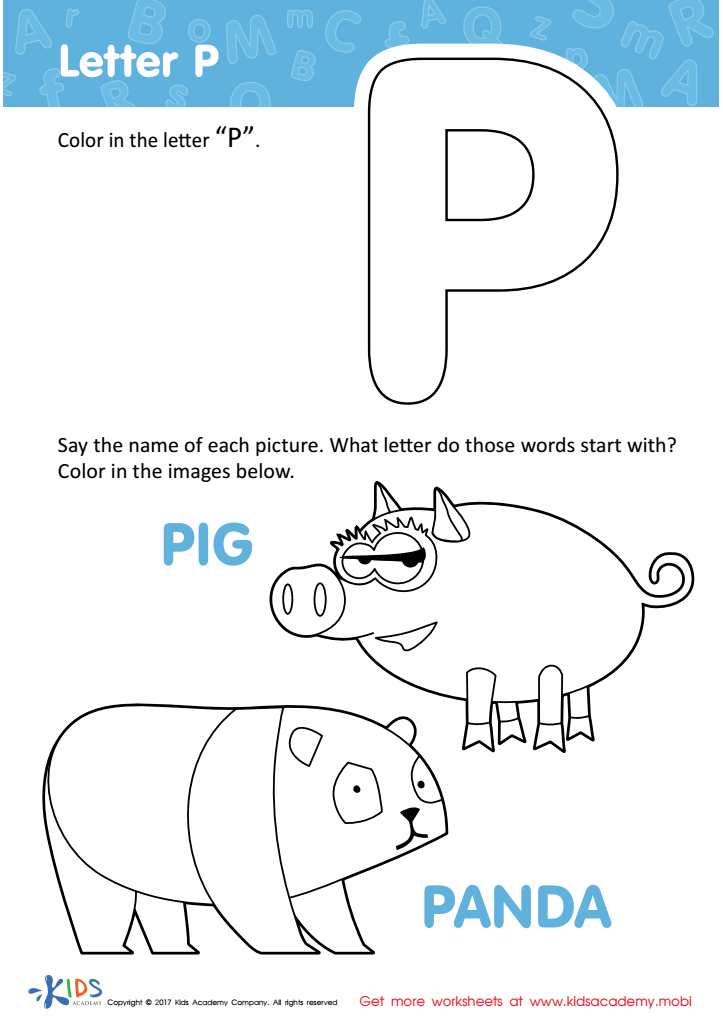
Letter P Coloring Sheet
Assign to My Students
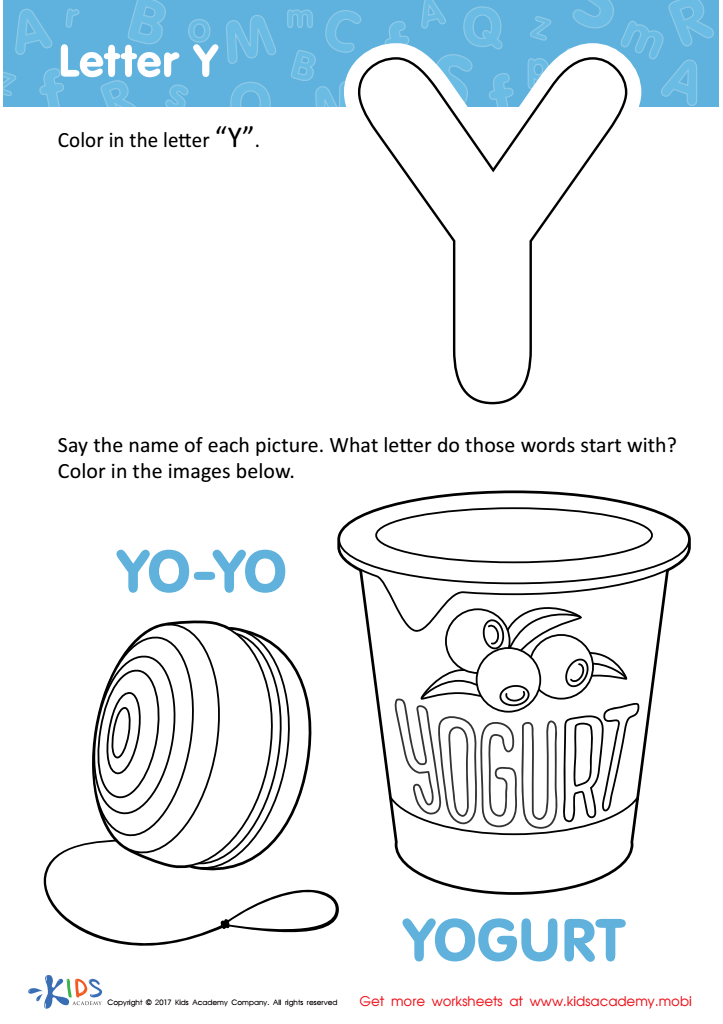
Letter Y Coloring Sheet
Assign to My Students




Alphabet recognition is a fundamental skill for early literacy development, making it essential for parents and teachers to prioritize for children ages 3-4. First and foremost, recognizing letters lays the groundwork for reading and writing skills. When children can identify each letter, they are better equipped to understand phonics and develop vocabulary, essential components of effective communication.
Moreover, engaging children with easy English materials enhances their language skills in a playful and supportive environment. At this age, children are naturally curious and eager to learn, and alphabet recognition activities can stimulate their interest in language, promoting cognitive development.
Additionally, fostering letter recognition helps boost children’s confidence as they embark on their literacy journey. When they can identify letters, it empowers them to participate more effectively during group activities and discussions in a classroom setting.
Importantly, building a strong foundation in alphabet recognition can contribute positively to a child’s future academic success, facilitating a smoother transition into more complex reading and writing tasks. Parents and teachers play a crucial role in providing resources and supportive learning experiences that nurture these early skills, ensuring children develop a lifelong love for reading and learning.