Categorization skills Easy Worksheets for Ages 3-4
5 filtered results
-
From - To
Unlock your child’s potential with our Categorization Skills Easy Worksheets designed specifically for ages 3-4! These engaging, fun-filled worksheets help young learners develop essential grouping and sorting abilities that lay the foundation for future learning. Through colorful visuals and interactive activities, kids will explore different categories such as shapes, animals, and everyday objects. Our worksheets encourage creativity and critical thinking while making learning enjoyable. Perfect for preschool educators and homeschooling parents, these resources offer structured activities that foster environmental awareness and cognitive skills. Give your child the tools they need to navigate the world around them with confidence and excitement!
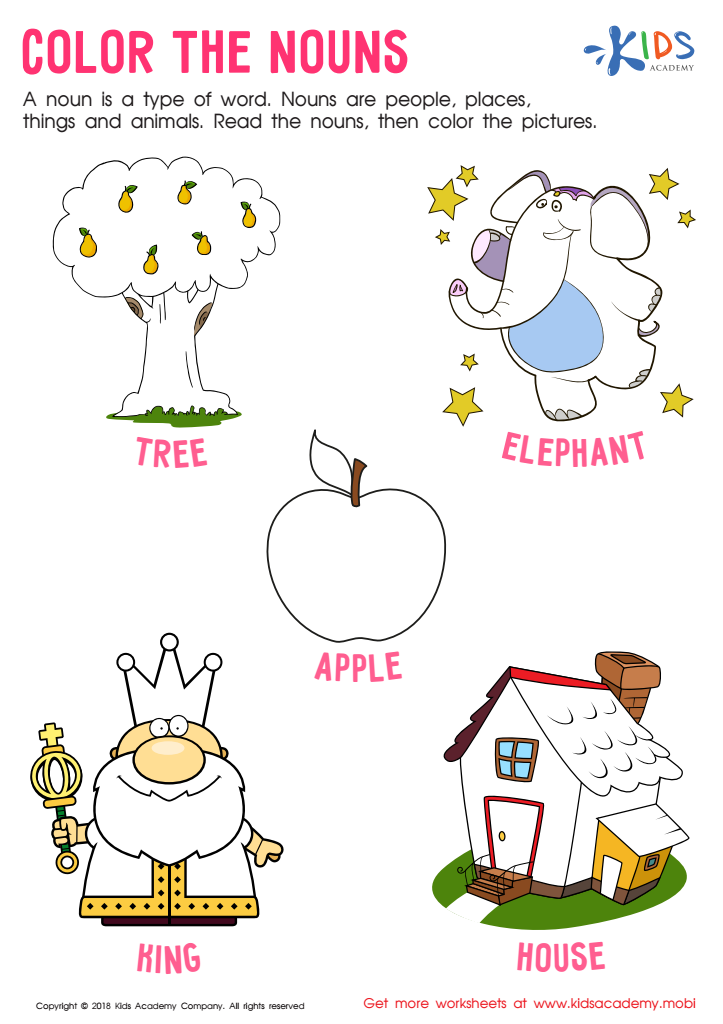
Color the Nouns Worksheet
 Assign to My Students
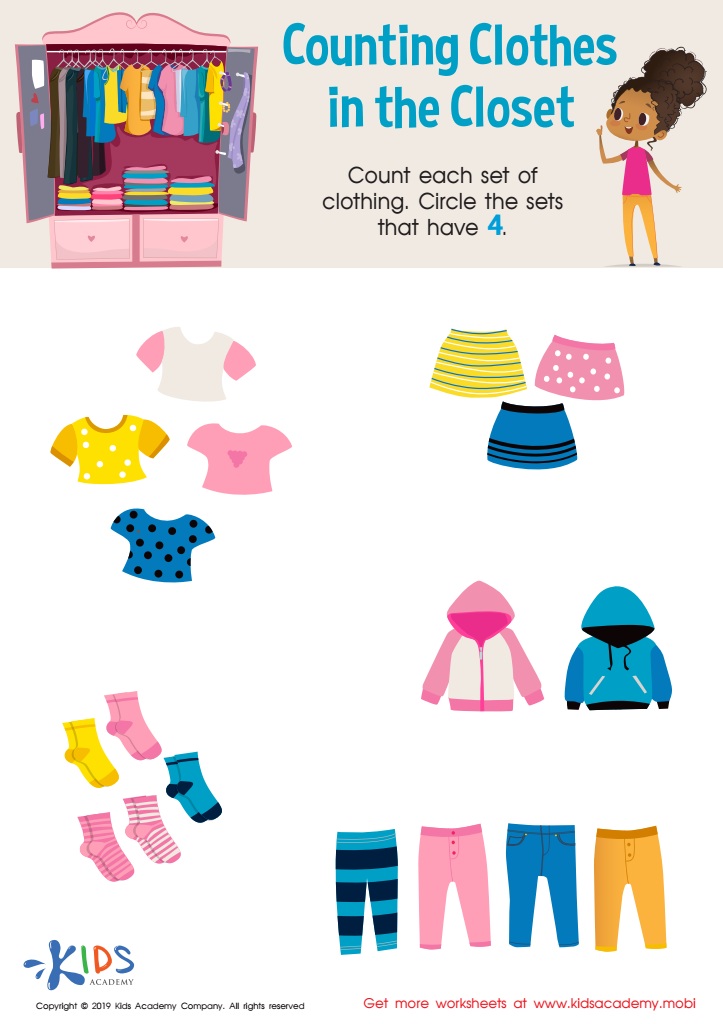
Counting Clothes Worksheet
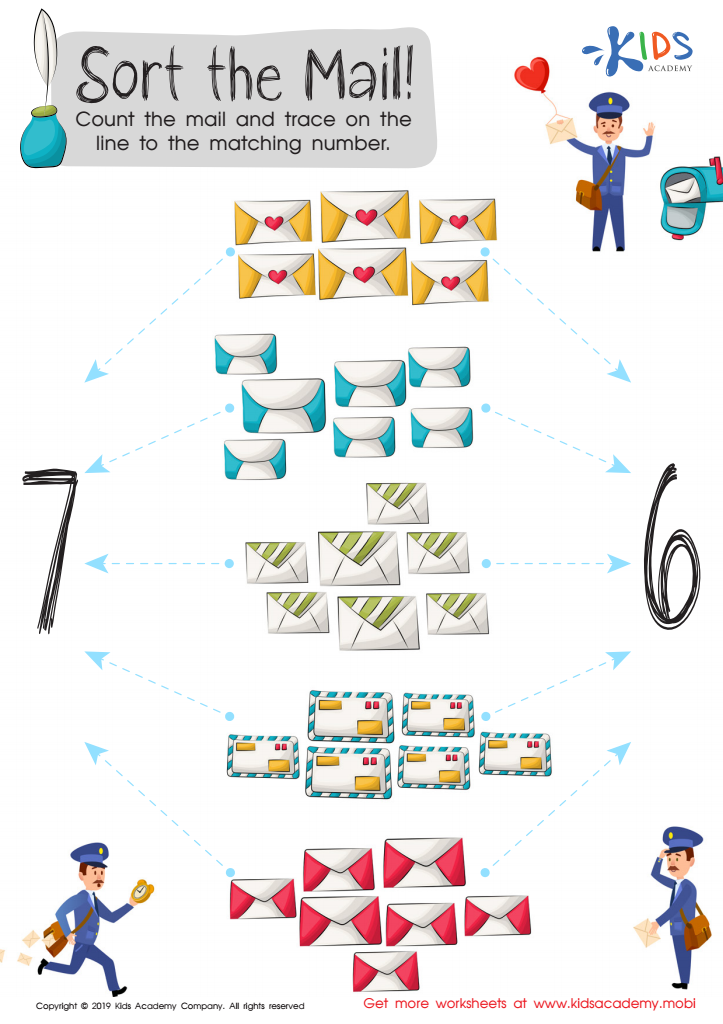
Sort the Mail Worksheet
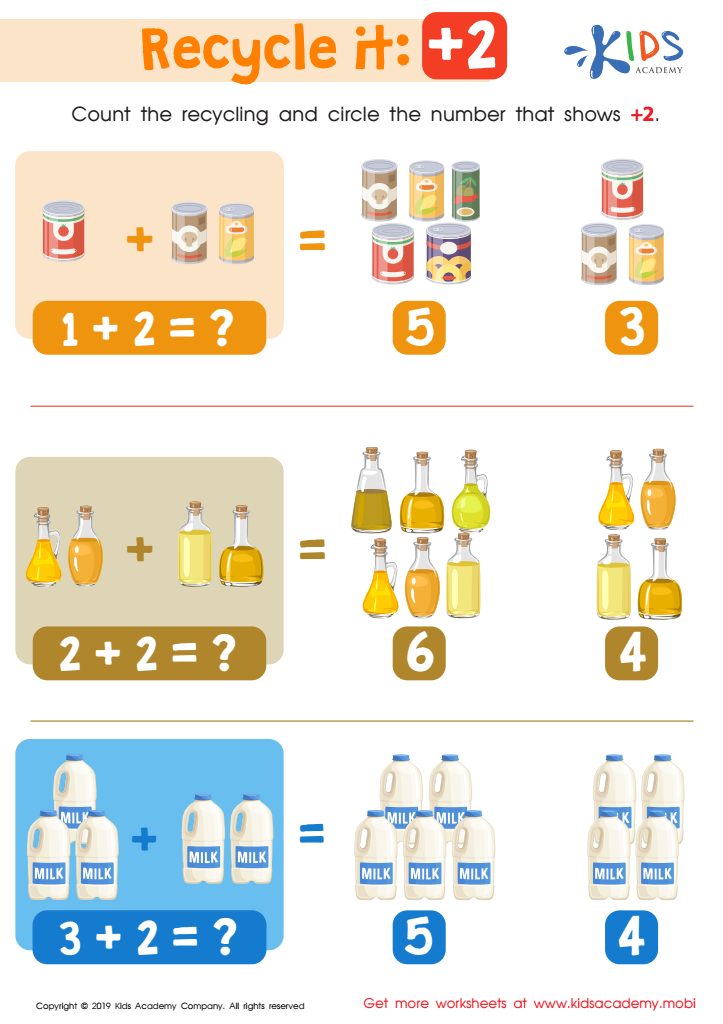
Recycle It: +2 Worksheet
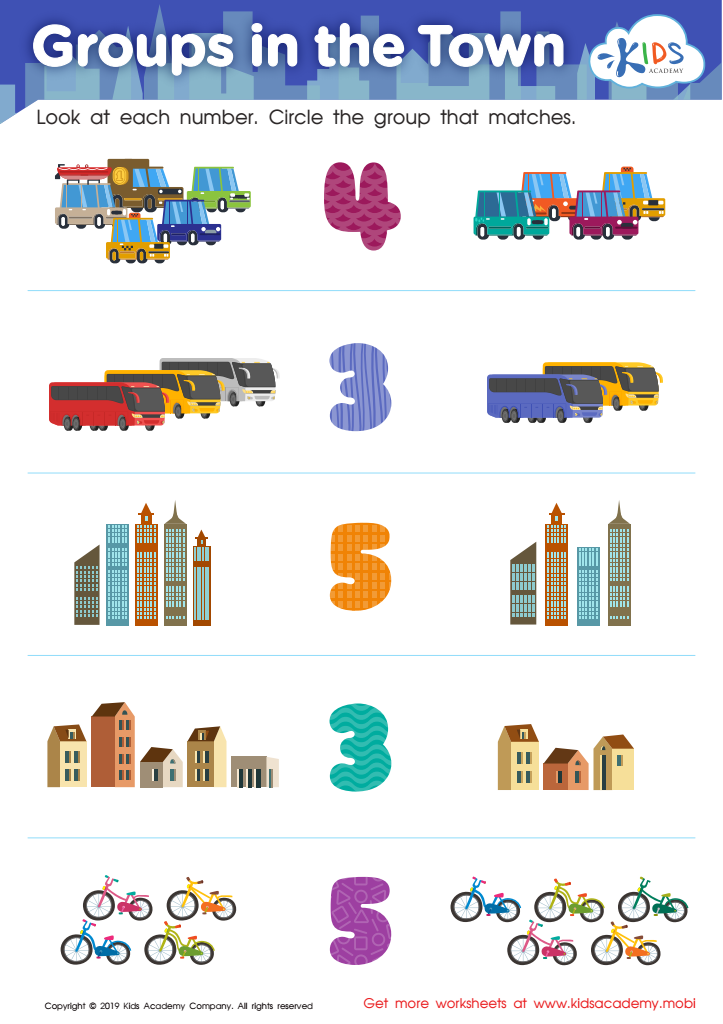
Groups in the Town Worksheet






Categorization skills are fundamental for children aged 3-4 as they lay the groundwork for critical thinking and problem-solving. At this stage, children begin to understand how to sort and group objects based on shared attributes, such as size, color, shape, or function. This ability is not merely a fun activity; it fosters cognitive development.
When parents and teachers encourage categorization, they help children develop important skills such as observation, reasoning, and classification. Recognizing similarities and differences enhances memory retention and language development, allowing children to articulate their thoughts more clearly. Additionally, strong categorization skills enable children to make sense of the world around them, fostering independence as they learn to navigate and understand their environment.
Moreover, these skills play a crucial role in early mathematics and literacy. Understanding categories helps children grasp concepts such as numbers and letters more effectively. By involving children in categorization games or activities, parents and teachers can create a stimulating learning atmosphere that promotes engagement and curiosity. Ultimately, developing categorization skills prepares young learners for more complex academic tasks and helps build a solid foundation for lifelong learning.








