Cognitive Development Easy Math Worksheets for Ages 3-4
17 filtered results
-
From - To
Nurture early mathematical skills with our "Cognitive Development Easy Math Worksheets for Ages 3-4." Designed to engage young minds, these worksheets offer interactive activities that promote fundamental math concepts in a fun, accessible way. From counting and recognizing numbers to simple addition and shape identification, our worksheets help build a strong mathematical foundation. Perfect for preschool-aged children, these resources support cognitive development through playful learning, ensuring that math becomes an enjoyable part of their daily routine. Give your child a head start on their educational journey with worksheets tailored to their developmental stage and cognitive skills.
Sunny Counting Backwards from 10 to 1 Worksheet
Numbers and Number Words Worksheet
Dinosaur Pieces: +2 Worksheet
Counting in the Neighborhood Part1 Worksheet
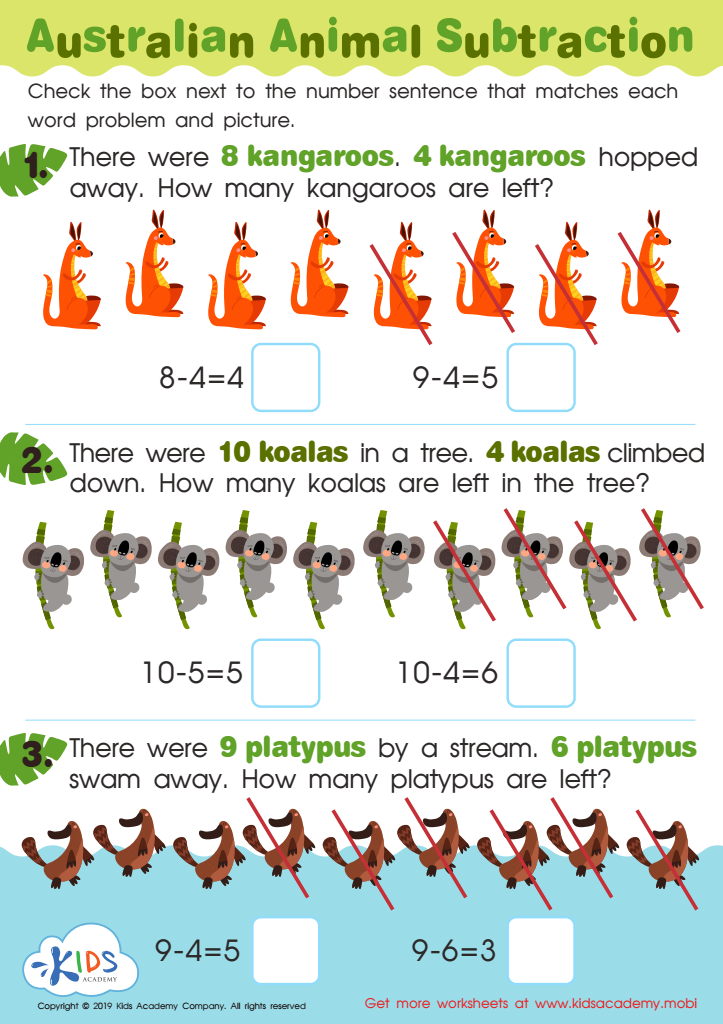
Australian Animal Subtraction Worksheet
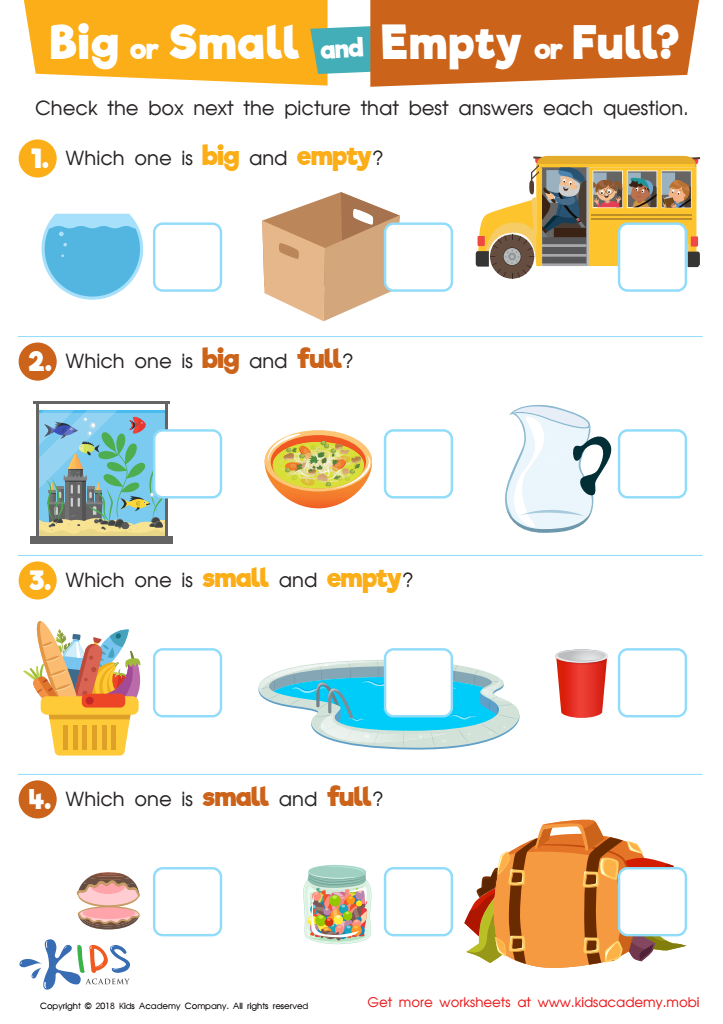
Big or Small and Empty or Full? Worksheet
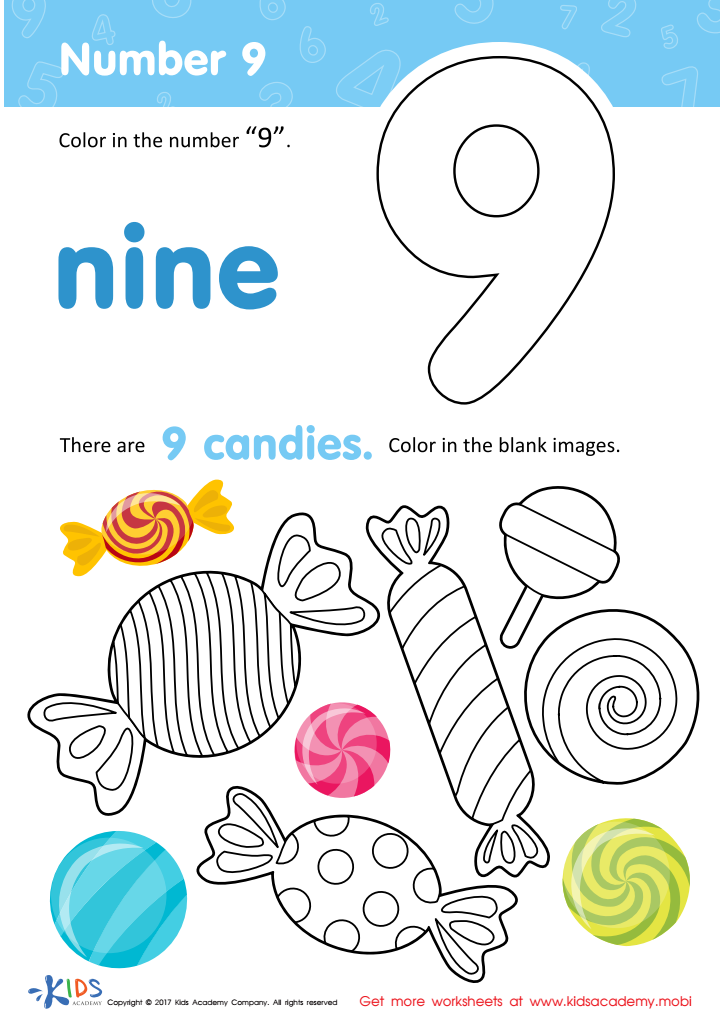
Number 9 Printable
 Assign to My Students
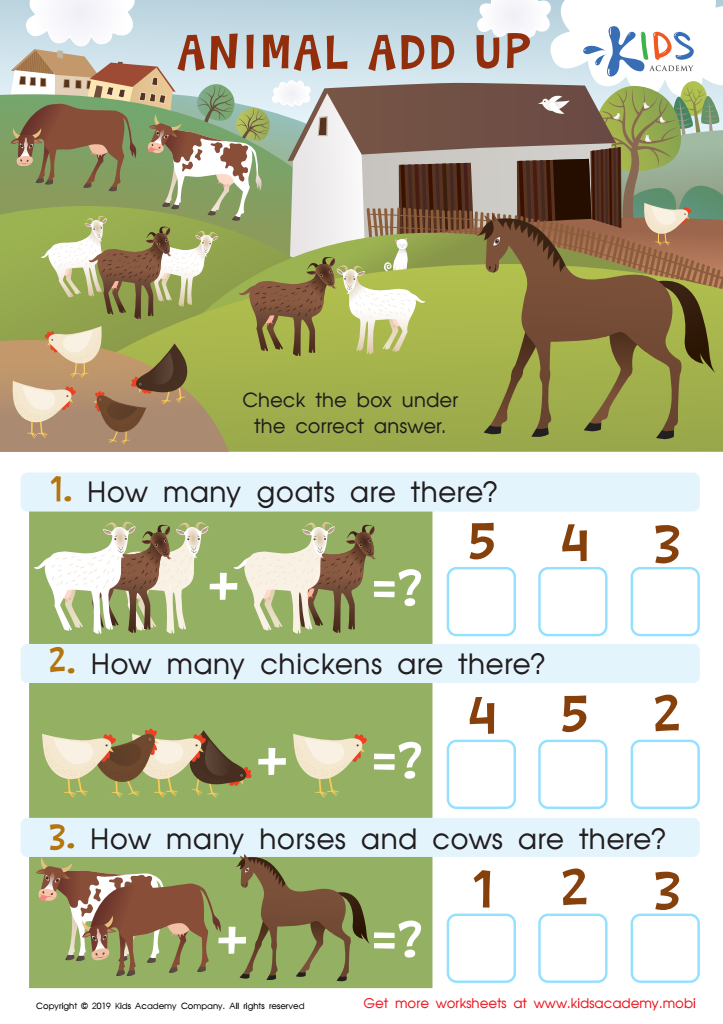
Animal Add Up Worksheet
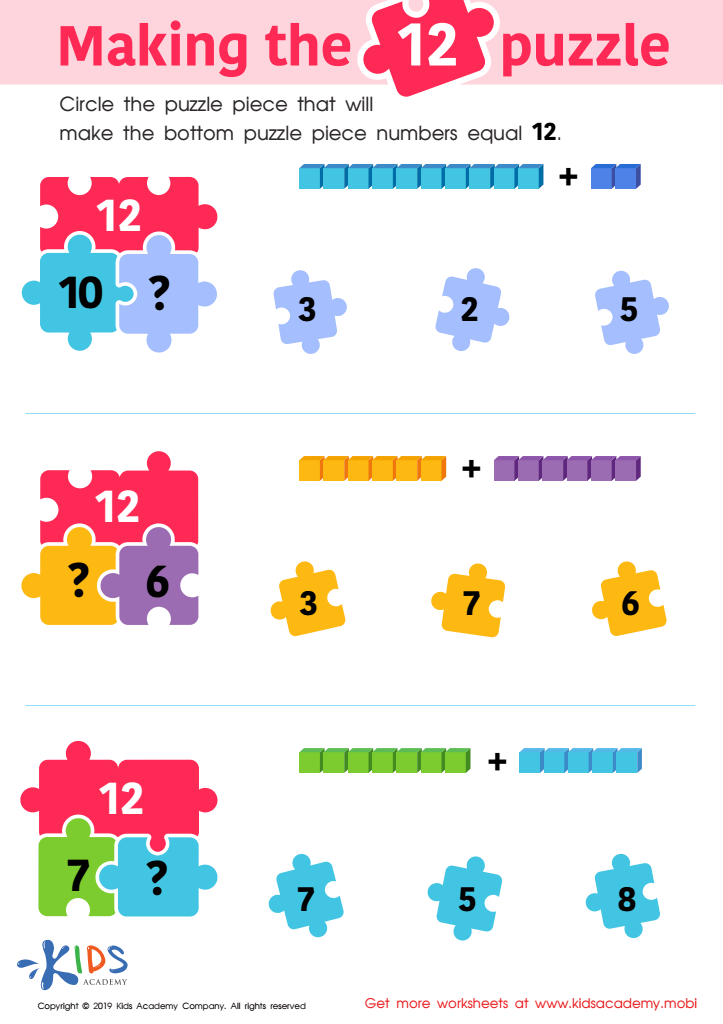
Making the 12 Puzzle Worksheet
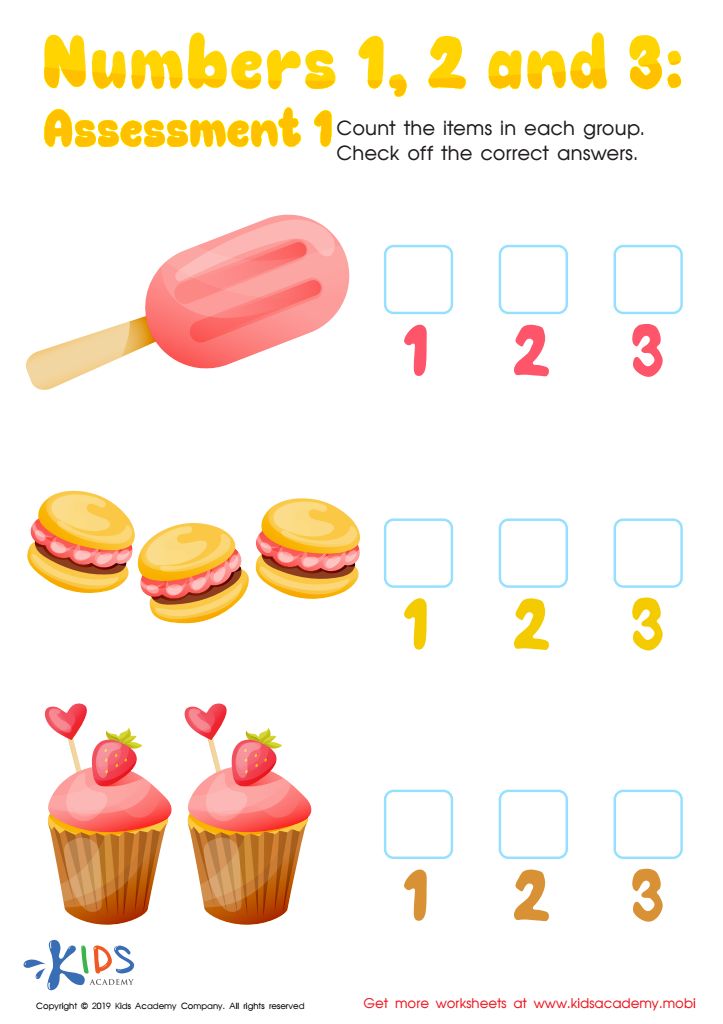
Numbers 1, 2 and 3: Assessment 1 Worksheet
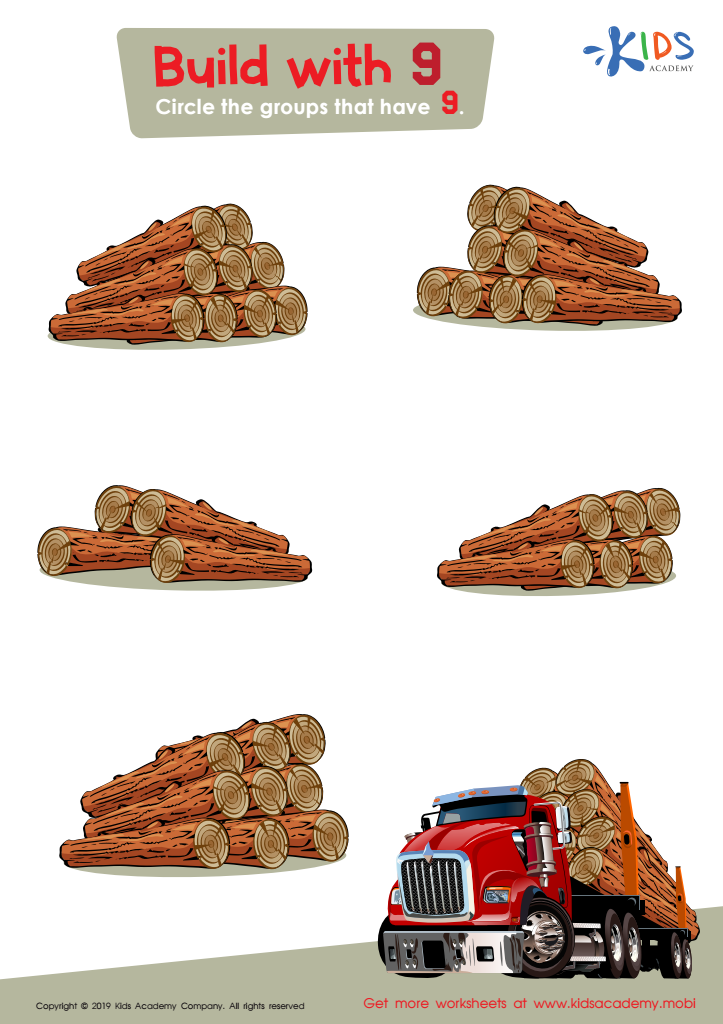
Build with 9 Worksheet
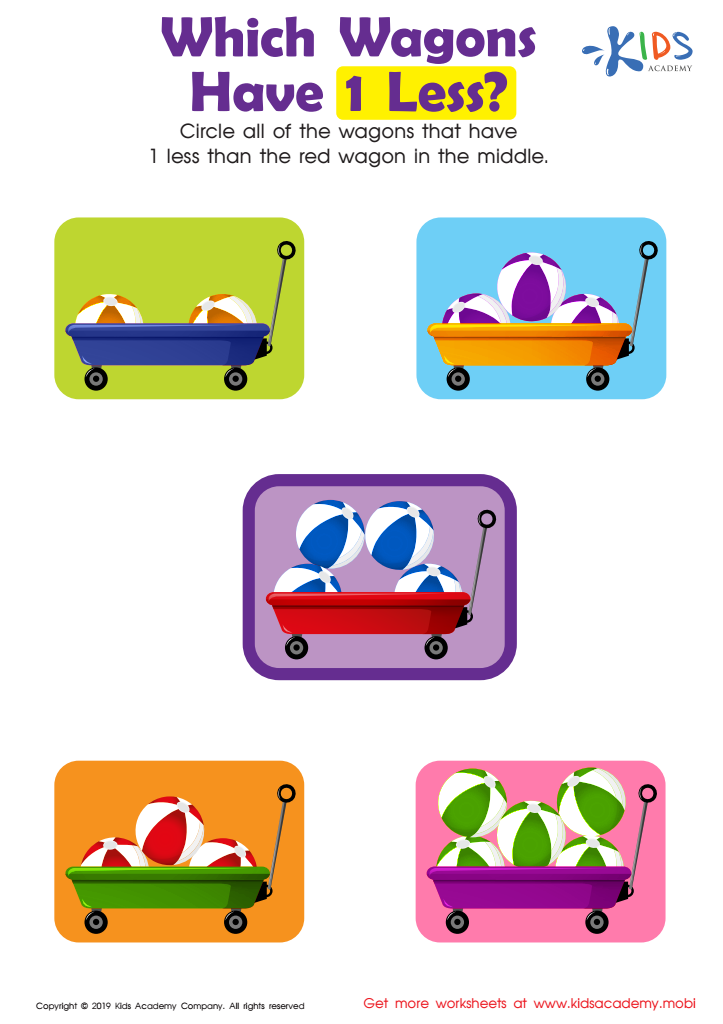
Which Wagons Have 1 Less? Worksheet
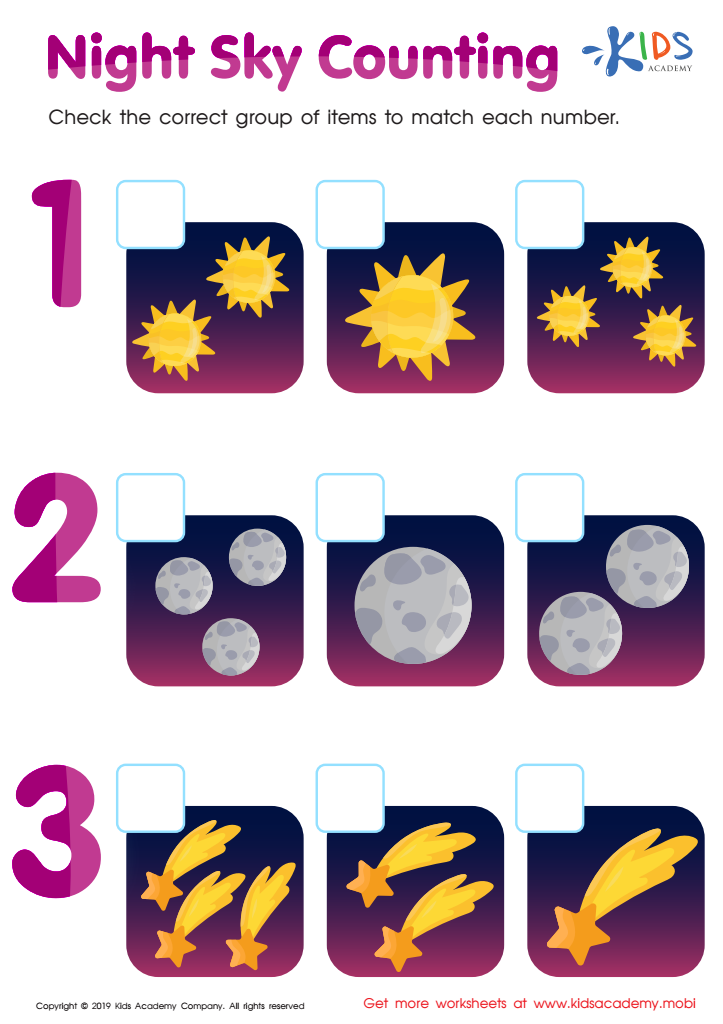
Night Sky Counting Worksheet
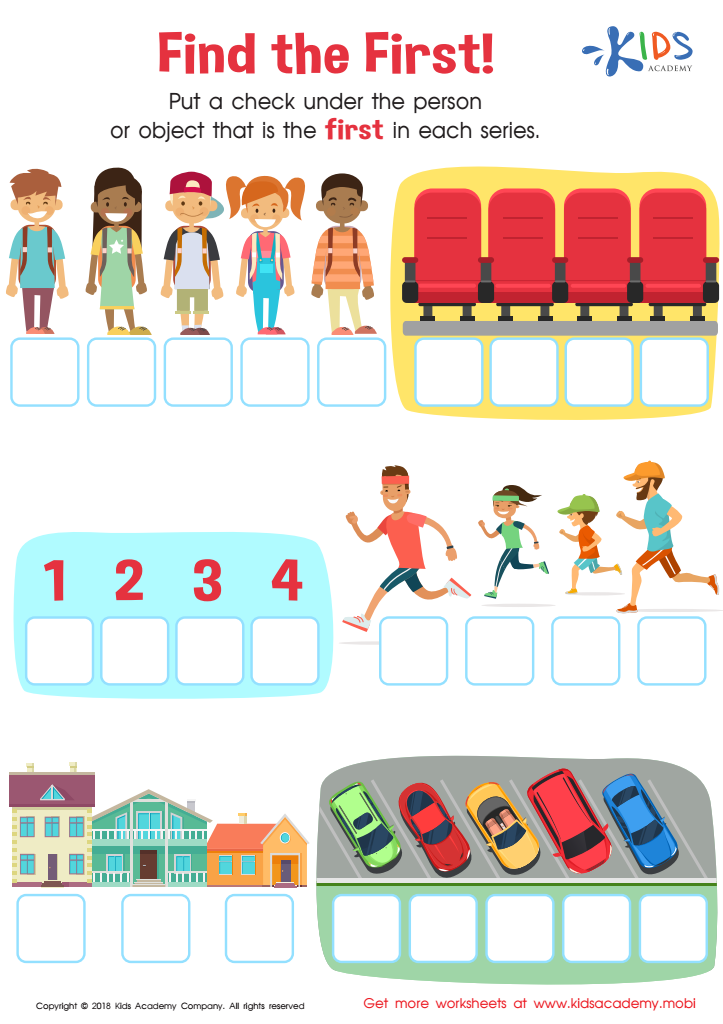
Find the First! Worksheet
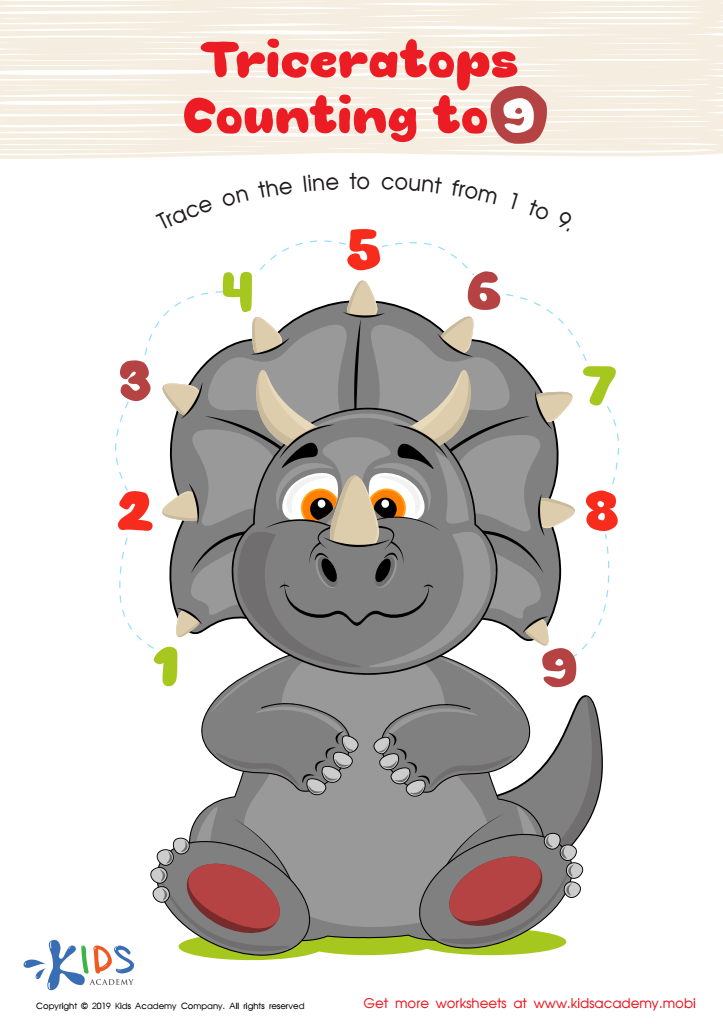
Triceratops Counting to 9 Worksheet
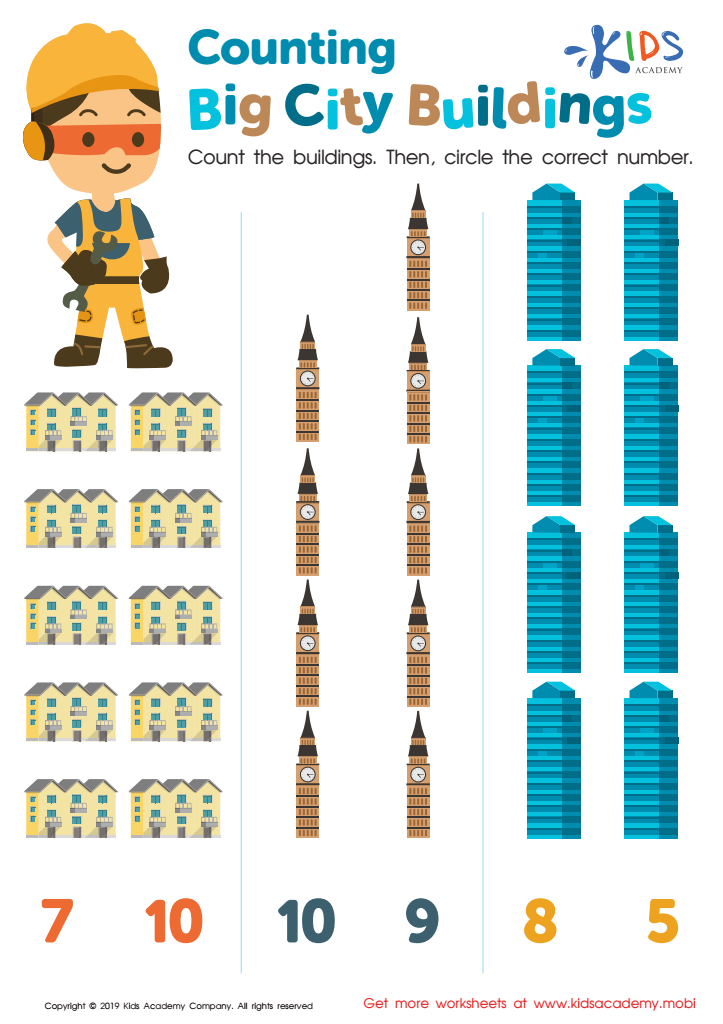
Counting Big City Buildings Worksheet

Night Sky Numbers Worksheet






.jpg)
Cognitive development during early childhood is critical as it lays the foundation for future learning and intellectual growth. Easy math activities for ages 3-4 offer a powerful avenue for nurturing this crucial stage. At this age, children's brains are rapidly forming connections, making it an ideal time to introduce foundational concepts in a simple and engaging manner.
For parents and teachers, integrating easy math encourages critical thinking, problem-solving, and helps children understand the world around them. Basic math skills such as counting, recognizing patterns, and sorting objects are not just academic exercises; they also enhance memory, attention, and problem-solving abilities. For example, counting objects can help children understand quantity and improve their number recognition skills, which are essential for future math proficiency.
Additionally, early exposure to math enhances confidence in their ability to tackle new challenges. It’s equally a quality time for parents and children to bond over educational activities, making learning a shared and enjoyable experience.
Given the compounding nature of early learning, a strong emphasis on cognitive development through easy math can set children on a successful educational path. Therefore, parents and teachers should prioritize these activities to foster a love for learning, build essential skills, and boost cognitive development during these formative years.








