Fine Motor Skills Easy Math Worksheets for Ages 3-4 - Page 2
34 filtered results
-
From - To
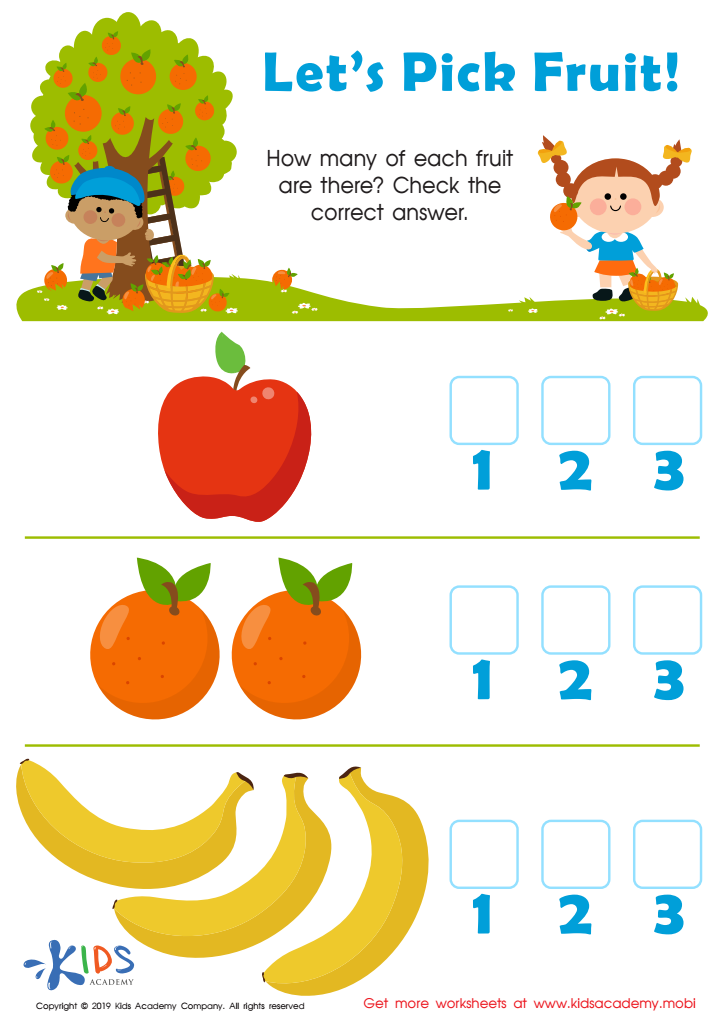
Let's Pick Fruit Worksheet
 Assign to My Students
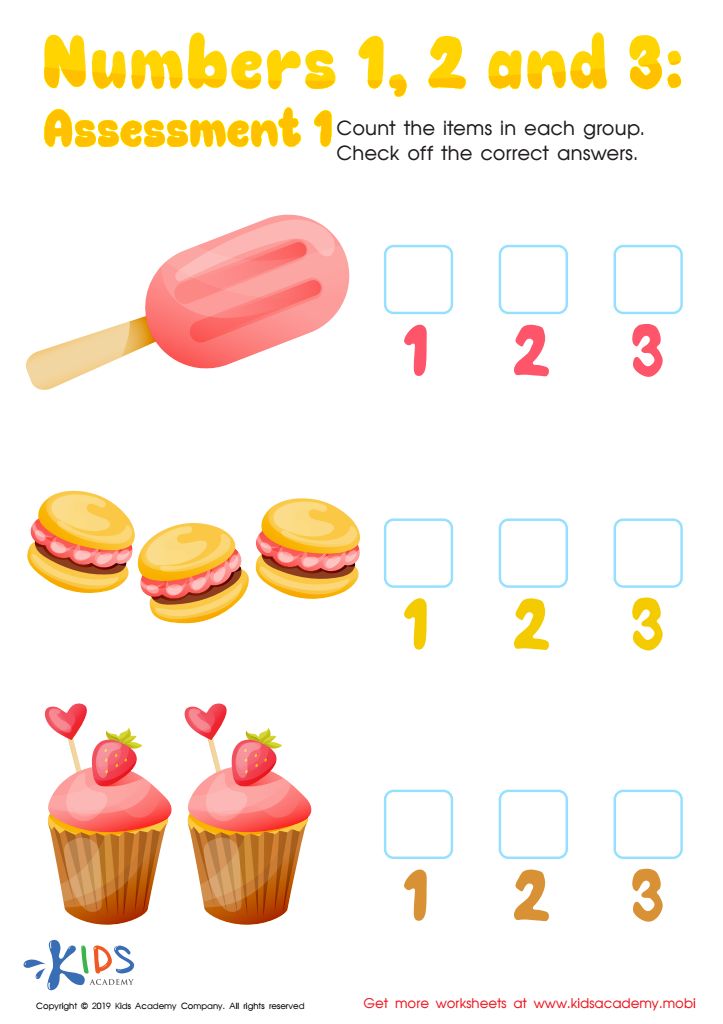
Numbers 1, 2 and 3: Assessment 1 Worksheet
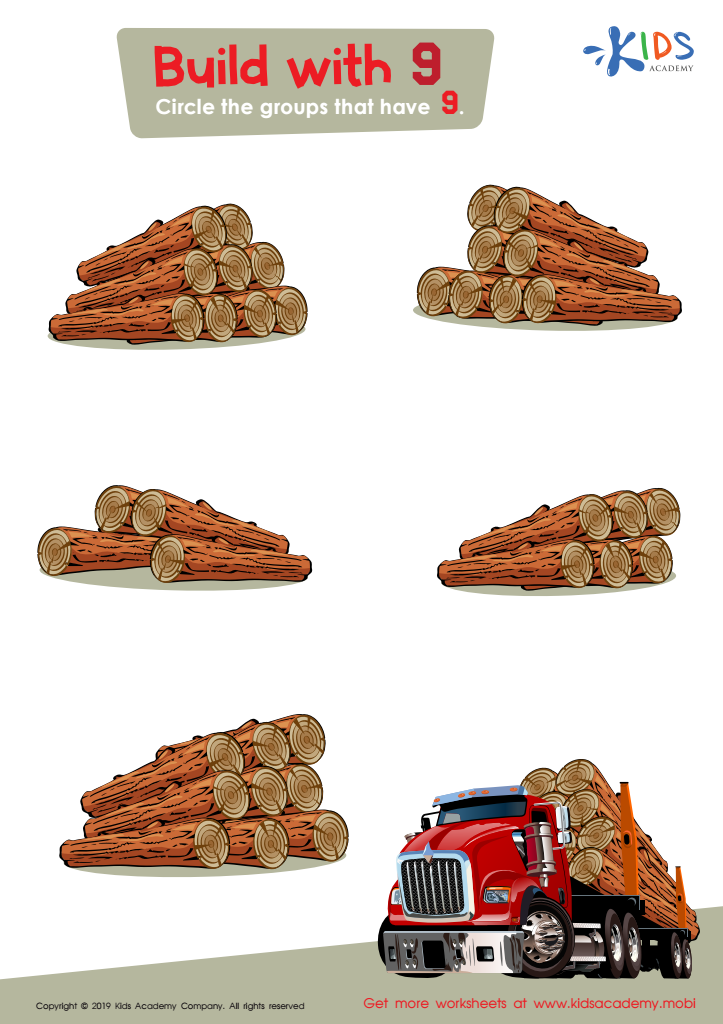
Build with 9 Worksheet
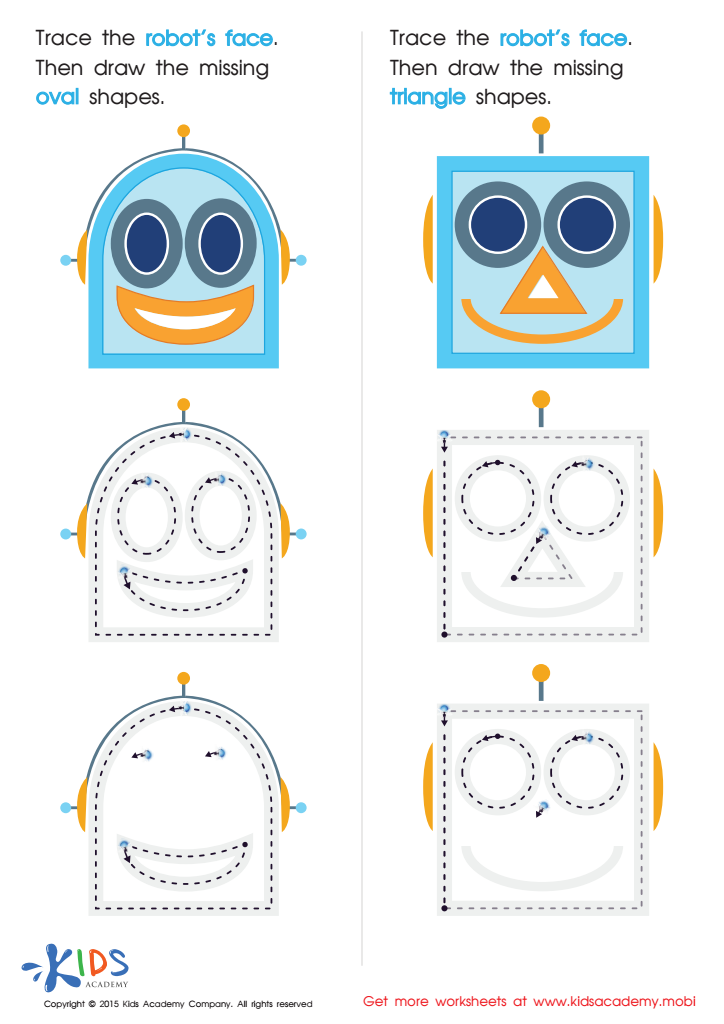
Drawing Ovals And Triangles with Fun Printable
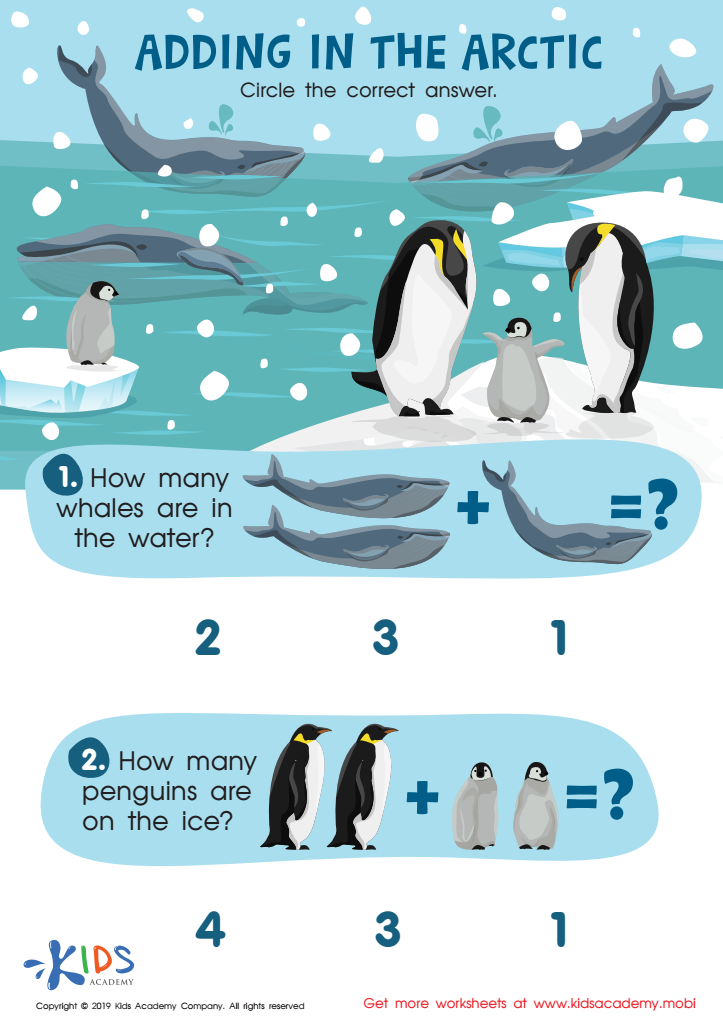
Adding in the Arctic Worksheet
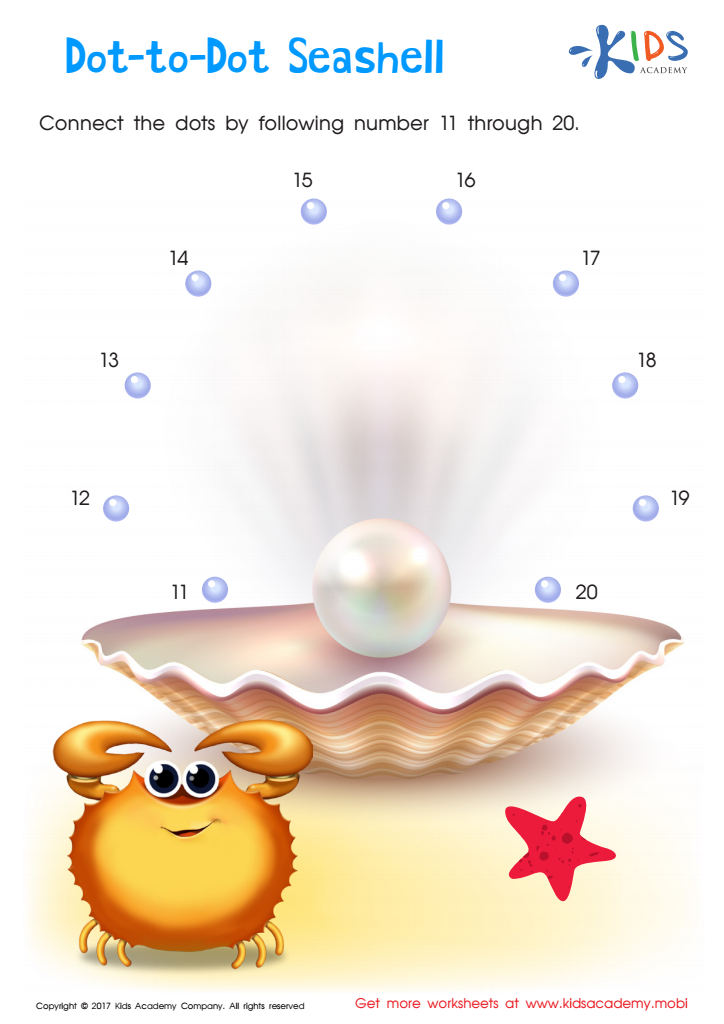
Ordering 11–20: Dot–to–dot Seashell Printable
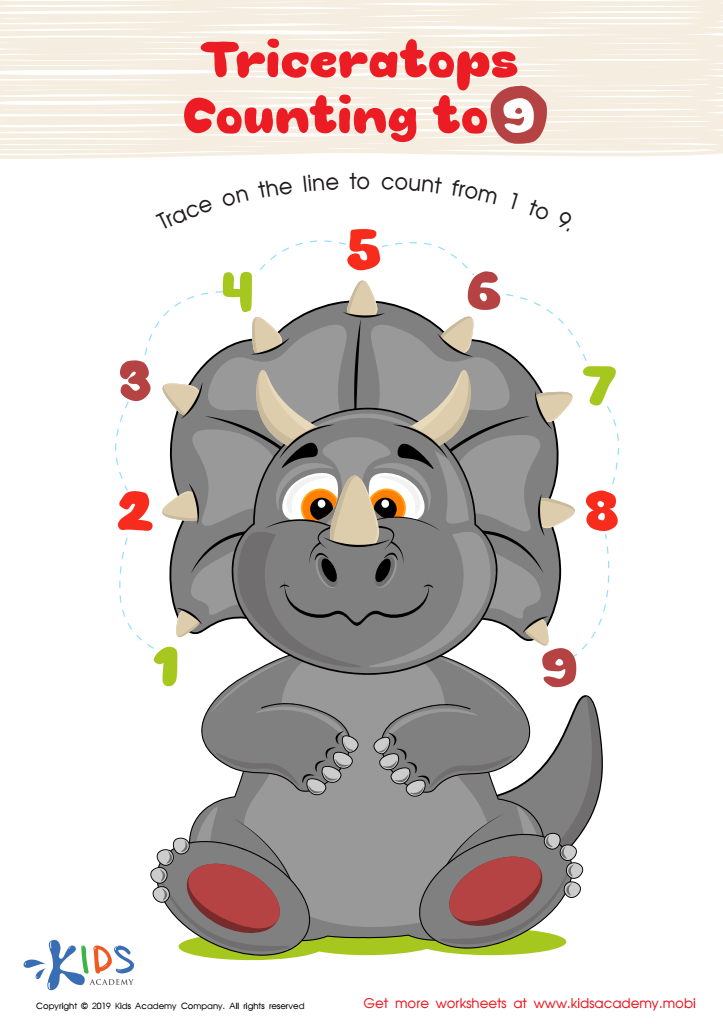
Triceratops Counting to 9 Worksheet

Counting on the City Skyline: Dot-to-Dot Worksheet
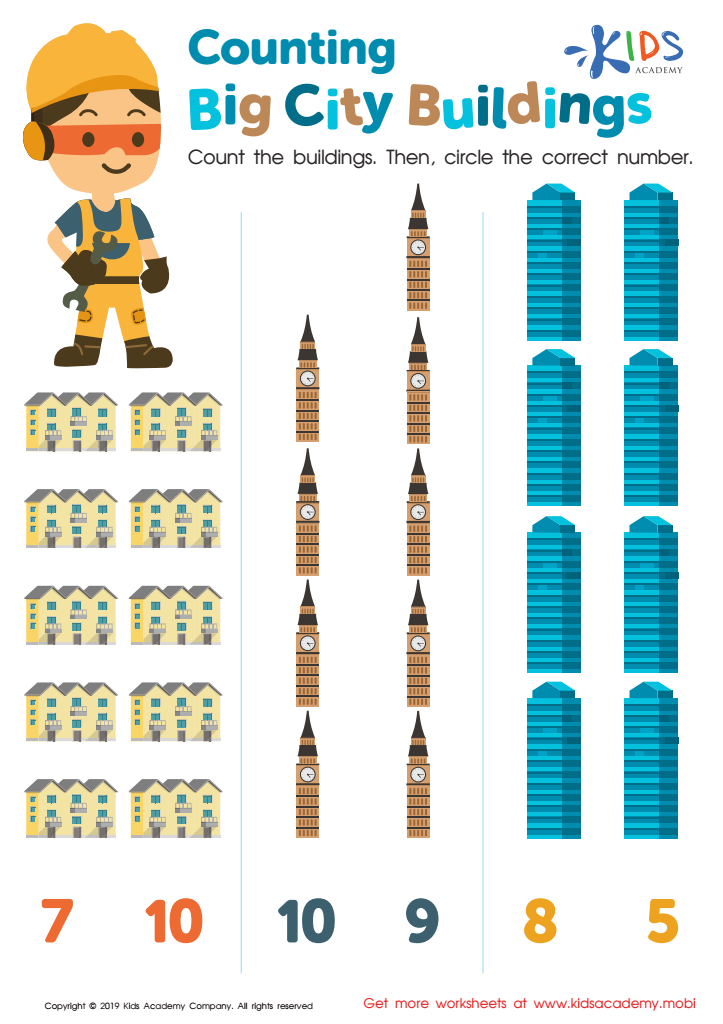
Counting Big City Buildings Worksheet

Night Sky Numbers Worksheet







%20(1).jpg)
Parents and teachers should prioritize fine motor skills development in early math education for children aged 3-4 for several compelling reasons. First, fine motor skills are crucial for young learners, as they enhance hand-eye coordination and dexterity, which are foundational for later writing and everyday tasks. Through fun activities that integrate easy math concepts, such as counting with blocks or sorting shapes, children effectively strengthen their grip and movement control.
Integrating fine motor skills with math also transforms learning into an engaging experience. Rather than simply memorizing numbers, children can explore math concepts in a hands-on way, which fosters a deeper understanding of patterns, quantities, and basic arithmetic. Engaging in such activities encourages critical thinking and problem-solving, essential skills for future academic success.
Moreover, early mastery of fine motor tasks gives children the confidence to tackle more complex challenges later on. As these skills improve, they gain increased motivation and a sense of achievement, promoting a positive attitude towards learning. Parents and teachers play a vital role in guiding these experiences, therefore igniting a lifelong passion for education. Overall, focusing on fine motor skills while teaching easy math sets a foundation for both skill development and a love for learning.








