Capitalization rules Easy Capitalization Worksheets for Ages 3-4
4 filtered results
Difficulty Level
Grade
Age
-
From - To
Subject
Activity
Standards
Introducing "Capitalization Rules Easy Capitalization Worksheets for Ages 3-4" by Kids Academy! Our expertly designed worksheets make learning capitalization fun and accessible for young learners. Tailored for preschoolers, these activities simplify the rules of capitalizing letters at the beginning of sentences, names, and days of the week. Through engaging exercises and vibrant illustrations, children will develop strong writing foundations. Perfect for parents and teachers to guide early literacy skills. Start your child's journey to mastering capitalization today with our user-friendly and enjoyable resources. Visit www.kidsacademy.mobi to explore our educational worksheets and more!
Favorites
With answer key
Interactive
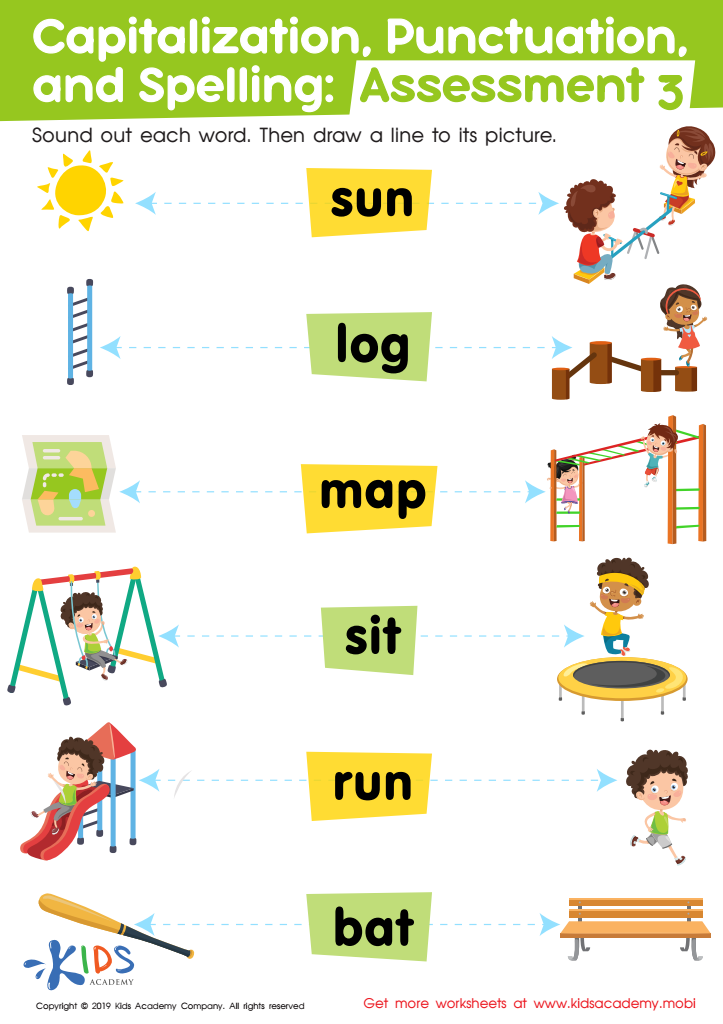
Capitalization. Punctuation. Spelling. Assessment 3 Worksheet
Before starting this worksheet, have your kids spell some simple words. Correct if wrong and show the right spellings. Then, ask them to link the pictures to the words you read out. Spelling is key for a good writer, and kids need to know how to spell to read texts easily.
 Assign to My Students
Capitalization. Punctuation. Spelling. Assessment 3 Worksheet
Worksheet
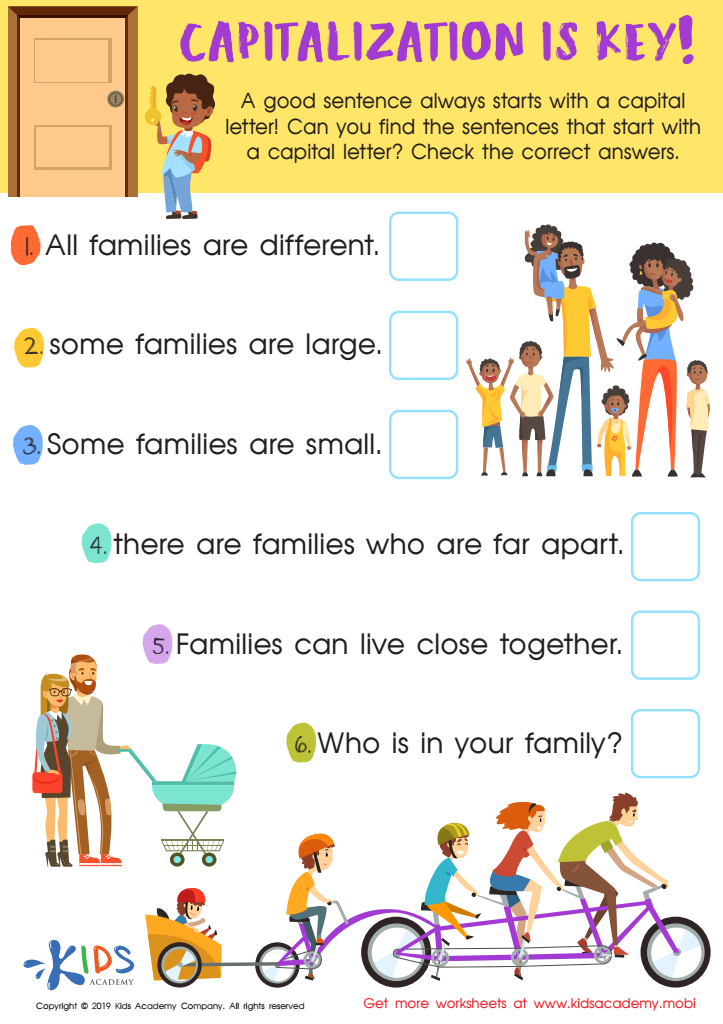
Capitalization Key Worksheet
Help your kids learn the importance of capitalizing at the start of sentences with this fun PDF! It features 6 family-themed sentences, with pictures, that your students have to find the correctly capitalized versions of. Perfect for young learners, this worksheet adds a fun twist to learning.
Capitalization Key Worksheet
Worksheet
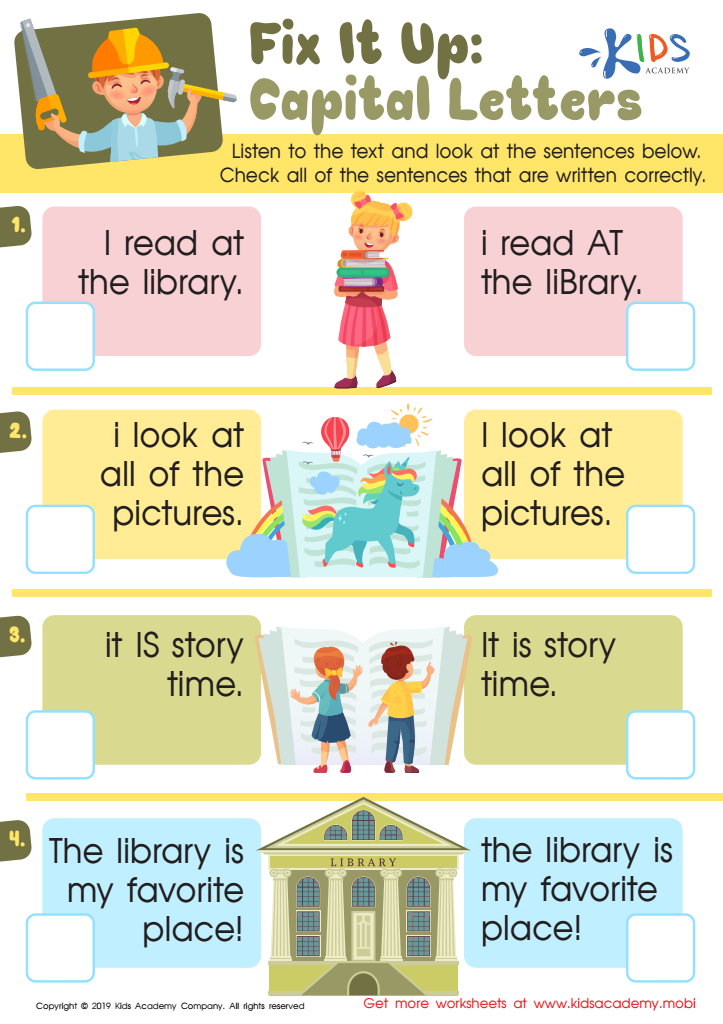
Fix Capital Letters Worksheet
Put on your hardhats and get out the tools - it's time to do some repair work! Have your child identify sentences written with proper capitalization on this fun and colorful worksheet. Ask more advanced students to rewrite incorrect sentences correctly - it'll help them understand letter case better.
Fix Capital Letters Worksheet
Worksheet
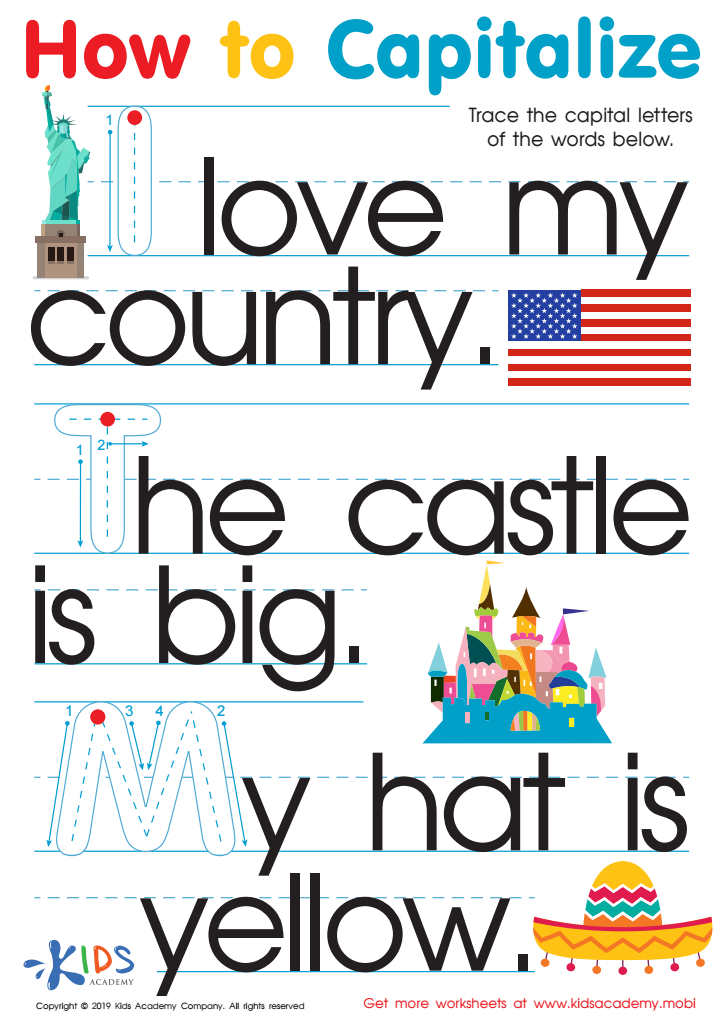
How to Capitalize Worksheet
Capitalizing letters is important in English. This worksheet will help your child learn how to write them. Words such as "the" and "I" will be covered, with visuals such as the Statue of Liberty, the American Flag, a castle, and a sombrero. The "How to Capitalize" PDF is a great way to sharpen your child's writing and aid their success!
How to Capitalize Worksheet
Worksheet
Join Kids Academy for Free
Who is primarily going to use this learning content?




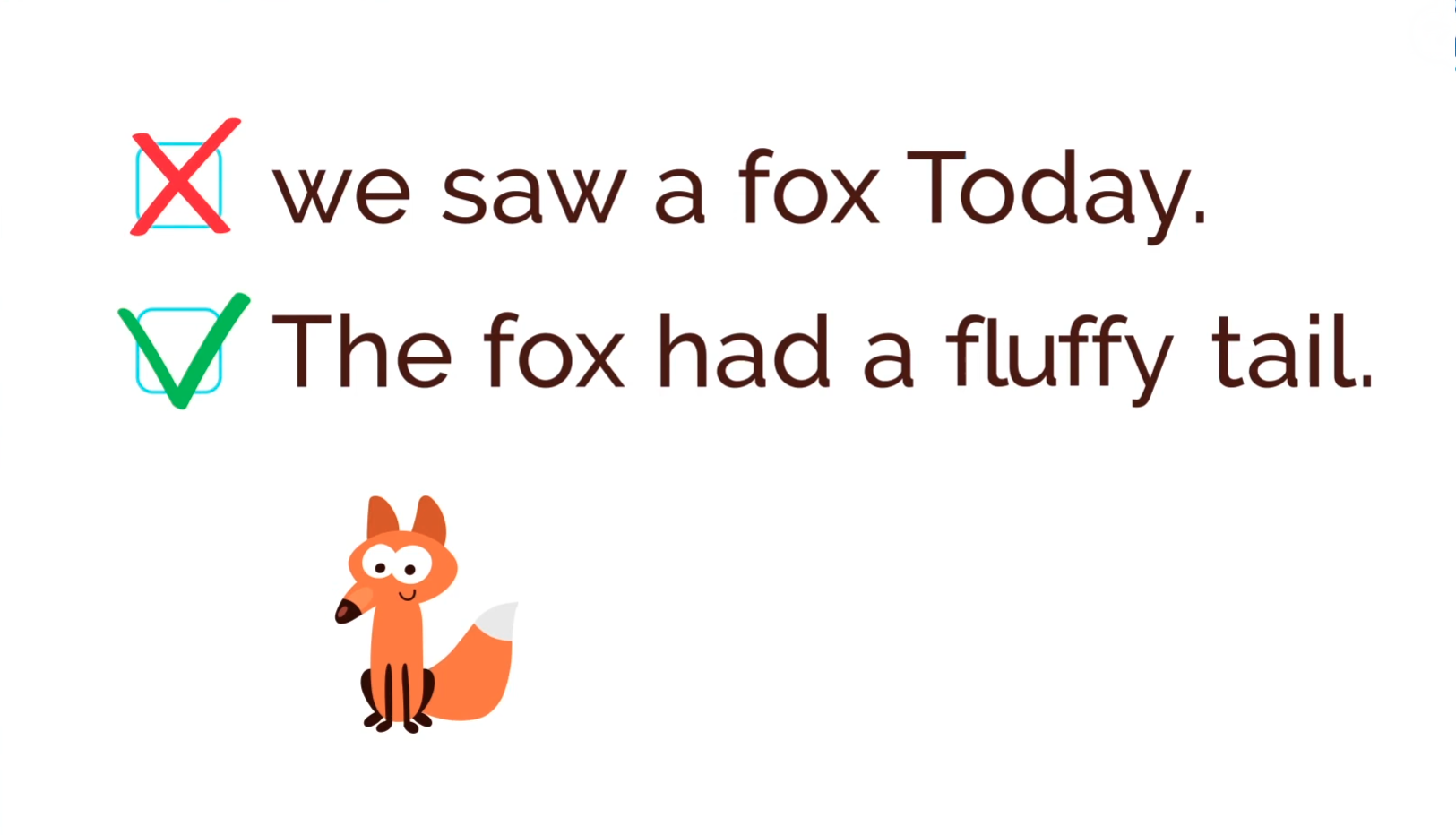


Capitalization rules are fundamental aspects of early literacy, and instilling these basics at a young age sets the stage for future academic success. For ages 3-4, it's crucial for parents and teachers to introduce these concepts in a simple, engaging way. Capitalization helps young children recognize the beginnings of sentences and names, allowing their writing to be more understandable and effective.
By teaching capitalization, you're enhancing a child's early reading and writing skills. For example, understanding that the first letter of a sentence is always capitalized helps children identify sentence boundaries, which in turn aids in reading comprehension. Similarly, knowing to capitalize one's own name or "I" promotes a sense of identity and importance.
Incorporating capitalization can be as simple as using name labels with proper capitalization or reading aloud while pointing out capital letters. This not only strengthens their grasp on language rules but also boosts their confidence. With consistent practice, children will find spelling and sentence construction less challenging as they progress in their education.
Overall, caring about capitalization paves the way for better communication skills and academic achievement, making it a core component of early childhood education. It sets a foundation for literacy that supports broader learning objectives in the years to come.