Vocabulary enhancement Easy Elementary Phonics Worksheets for Ages 3-5
3 filtered results
Difficulty Level
Grade
Age
-
From - To
Subject
Activity
Standards
Enhance your child’s vocabulary with our Easy Elementary Phonics Worksheets designed specifically for ages 3-5. These engaging worksheets provide a fun and interactive way for young learners to build essential vocabulary skills. Each sheet includes colorful illustrations and user-friendly activities that help reinforce phonics principles while stimulating early literacy. Your child will joyfully practice letter recognition, sounds, and word associations, promoting a strong foundation for reading success. Perfect for parents and educators alike, these worksheets make learning enjoyable and effective. Unlock your child's potential in vocabulary enhancement and phonics with our thoughtfully crafted resources that prioritize early learning and development!
Favorites
With answer key
Interactive
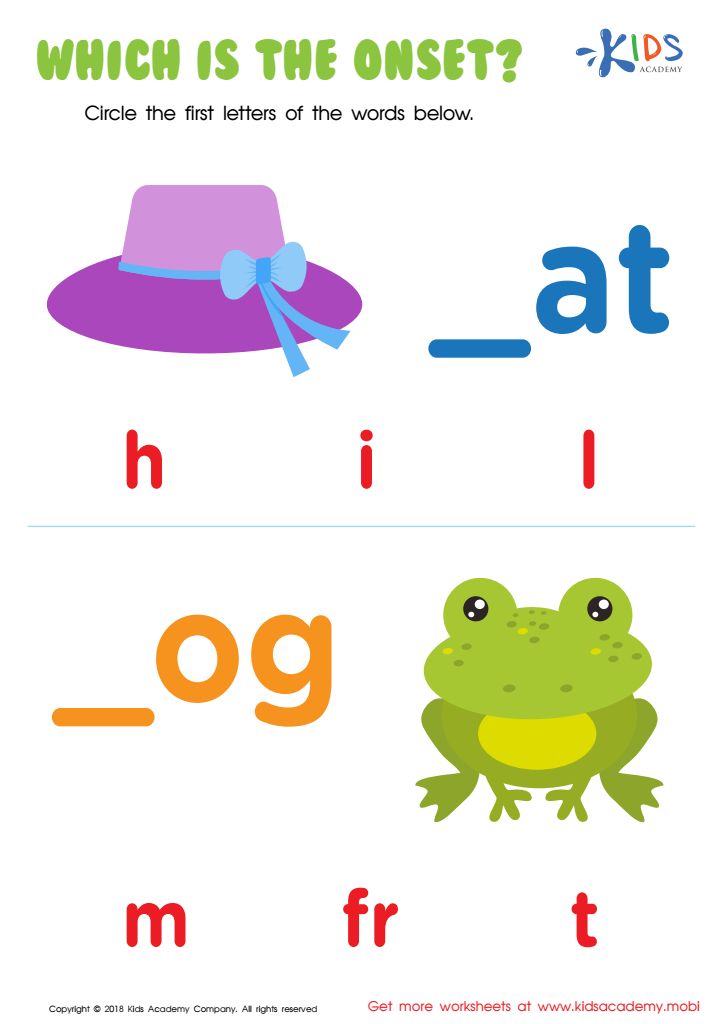
Which Is the Onset? Worksheet
Help your children learn to spell with this bright, fun worksheet. Struggling with spelling small words can make reading and writing sentences difficult. Encourage them to look at the pictures, say the names aloud and circle the correct first letter from the options. They will soon overcome any reluctance to spell.
 Assign to My Students
Which Is the Onset? Worksheet
Worksheet
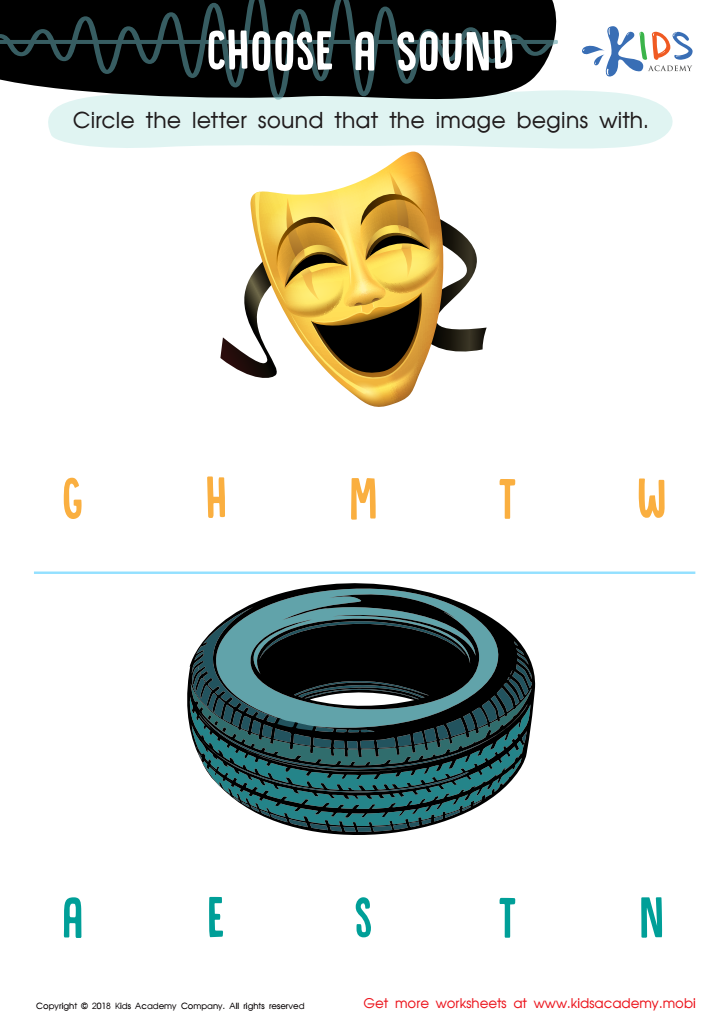
Choose a Sound Worksheet
Help your child hone pre-reading skills with this colorful worksheet! They'll practice tracing letter sounds, develop phoneme awareness, and gain confidence. Plus, it's a fun way to work on their fine motor skills.
Choose a Sound Worksheet
Worksheet
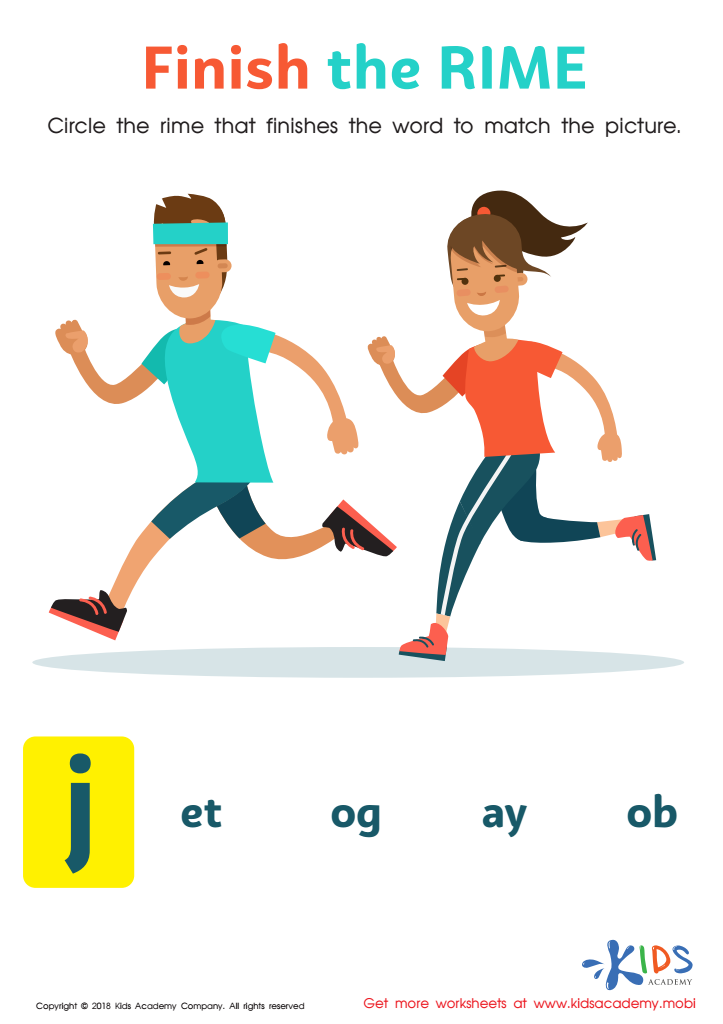
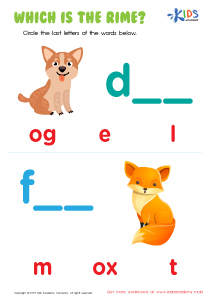
Finish the Rime Worksheet
Rimes help kids learn word families and spelling strategies. This PDF worksheet gives new readers practice with initial consonants, pictures, colors and motor skills. It's fun and cheery, and a great way to boost phonological awareness and rime identification.
Finish the Rime Worksheet
Worksheet
Join Kids Academy for Free
Who is primarily going to use this learning content?




Parents and teachers should prioritize vocabulary enhancement through Easy Elementary Phonics for children aged 3-5 because it lays the foundation for successful literacy development. At this critical age, children are incredibly receptive to language, and targeted phonics instruction helps them understand the relationship between sounds and letters. This understanding is vital for developing reading and writing skills.
Enhanced vocabulary not only improves a child's language skills but also builds their confidence in communication. As they learn new words, they can express their thoughts and emotions more effectively, fostering social skills and emotional development. Furthermore, a strong vocabulary supports cognitive skills such as critical thinking and problem-solving. It allows children to comprehend stories and concepts they encounter in their education.
Additionally, early vocabulary enhancement sets the stage for academic success in later years. Children with a solid phonics foundation are more likely to excel in reading and other subjects in school, as literacy is key to learning across all areas. By focusing on phonics and vocabulary at this young age, parents and teachers can create a robust learning environment that promotes lifelong reading and learning habits. Investing in these early experiences produces future readers, thinkers, and communicators.