Writing practice Easy Alphabet Worksheets for Ages 3-5
3 filtered results
-
From - To
Welcome to our "Writing Practice Easy Alphabet Worksheets" perfectly designed for children ages 3-5! These engaging and fun worksheets help your little ones develop essential writing skills while introducing them to the alphabet. Each worksheet is tailored to support young learners in practicing letter formation through a variety of creative activities. With colorful illustrations and simple instructions, kids will enjoy enhancing their fine motor skills and building confidence in writing. Ideal for both home and classroom use, these worksheets provide a fantastic way to make learning letters enjoyable. Start your child's writing journey today with our easy-to-use resources!
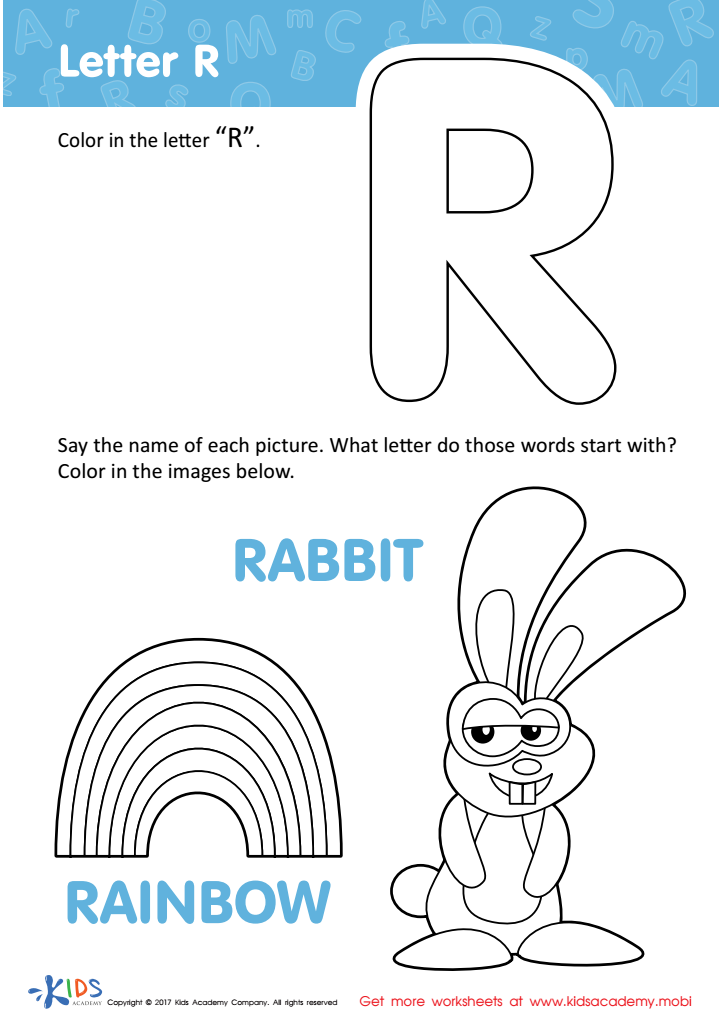
Letter R Coloring Sheet
 Assign to My Students
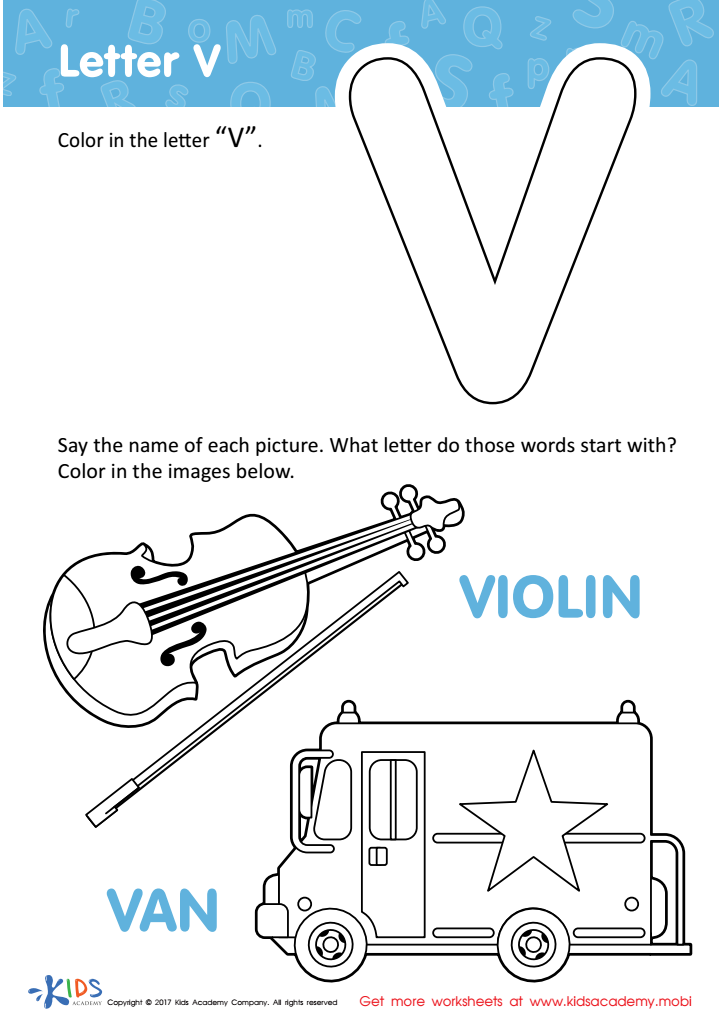
Letter V Coloring Sheet
Assign to My Students
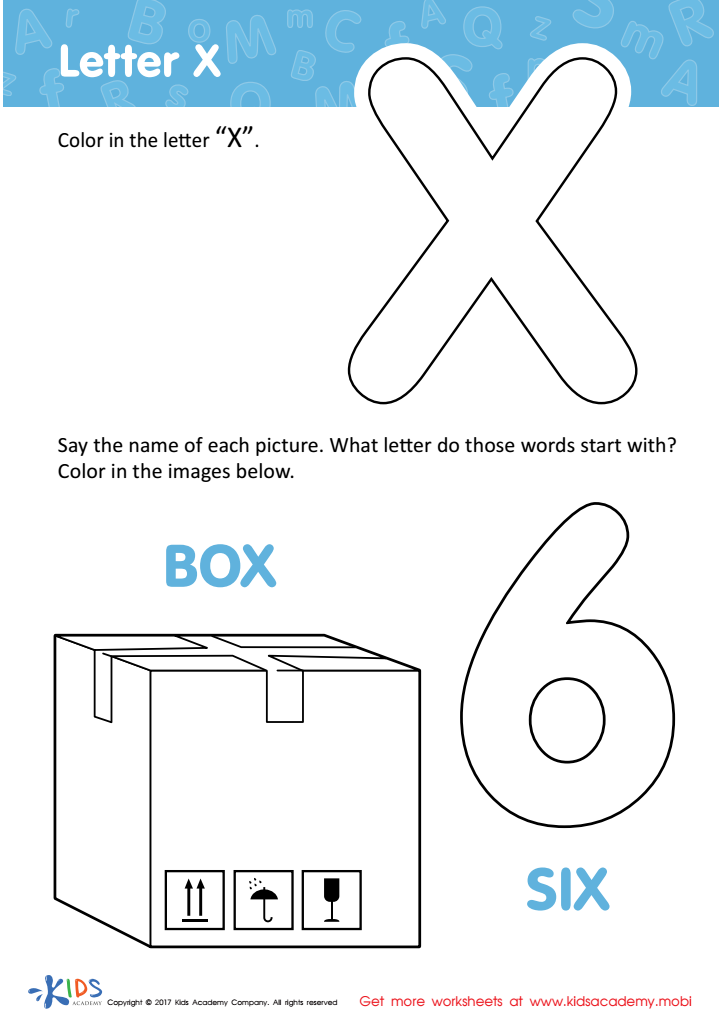
Letter X Coloring Sheet
Assign to My Students







Writing practice, specifically the Easy Alphabet program for ages 3-5, is crucial for early childhood development and literacy. At this age, children are in a vital stage of cognitive growth, where they begin mastering the building blocks of language and communication. Engaging in writing practice provides numerous benefits, fostering not only linguistic skills but also fine motor coordination.
First, mastering the alphabet sets a strong foundation for reading and writing. Recognizing letters and understanding their sounds are essential precursors to becoming proficient readers. Writing helps reinforce these connections as children physically engage with each letter.
Second, engaging in writing activities enhances fine motor skills, an important aspect of overall development. Grasping crayons, tracing letters, and forming shapes require hand-eye coordination and dexterity, supporting them in other tasks, both academic and everyday life.
Third, writing practice can boost a child's confidence and sense of achievement. Completing a writing task gives them a sense of accomplishment and encourages a love for learning.
Finally, involving parents or teachers in the writing process fosters a supportive environment, making children feel valued and engaged. This collaborative effort instills a positive attitude towards education, paving the way for a lifelong love for writing and learning.