Reading comprehension Easy Phonics Worksheets for Ages 3-5
5 filtered results
-
From - To
Explore our engaging Reading Comprehension Easy Phonics Worksheets designed specifically for children aged 3-5! These carefully crafted worksheets help young learners develop essential reading skills through fun and interactive activities. Each worksheet focuses on phonics concepts, promoting vocabulary growth, sentence structure understanding, and comprehension abilities. Ideal for preschoolers and early readers, our resources make learning enjoyable and effective. With colorful illustrations and age-appropriate content, children will stay motivated and excited while building a solid foundation in literacy. Perfect for home or classroom use, our worksheets encourage early success in reading, ensuring a love for learning that lasts a lifetime!
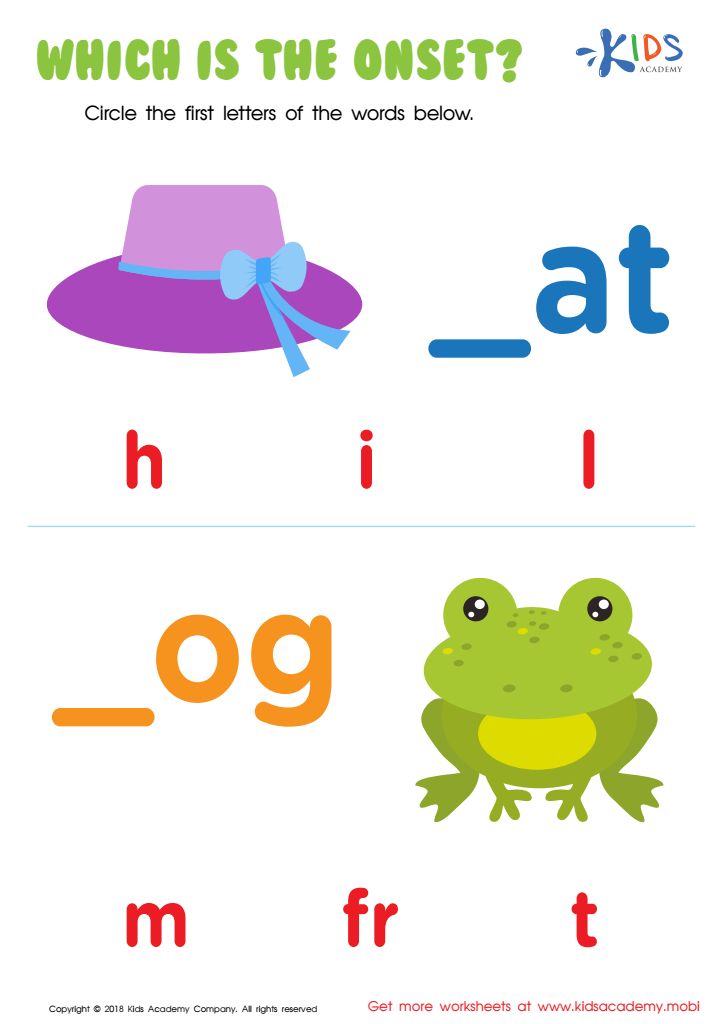
Which Is the Onset? Worksheet
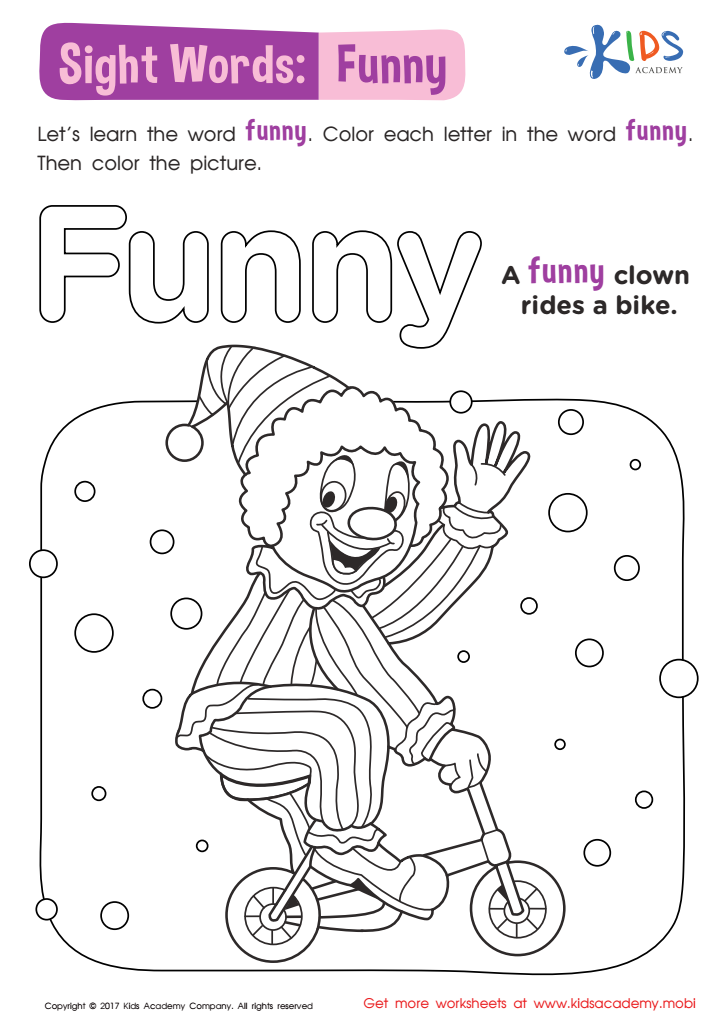
Funny Worksheet Sight Words Worksheet
 Assign to My Students
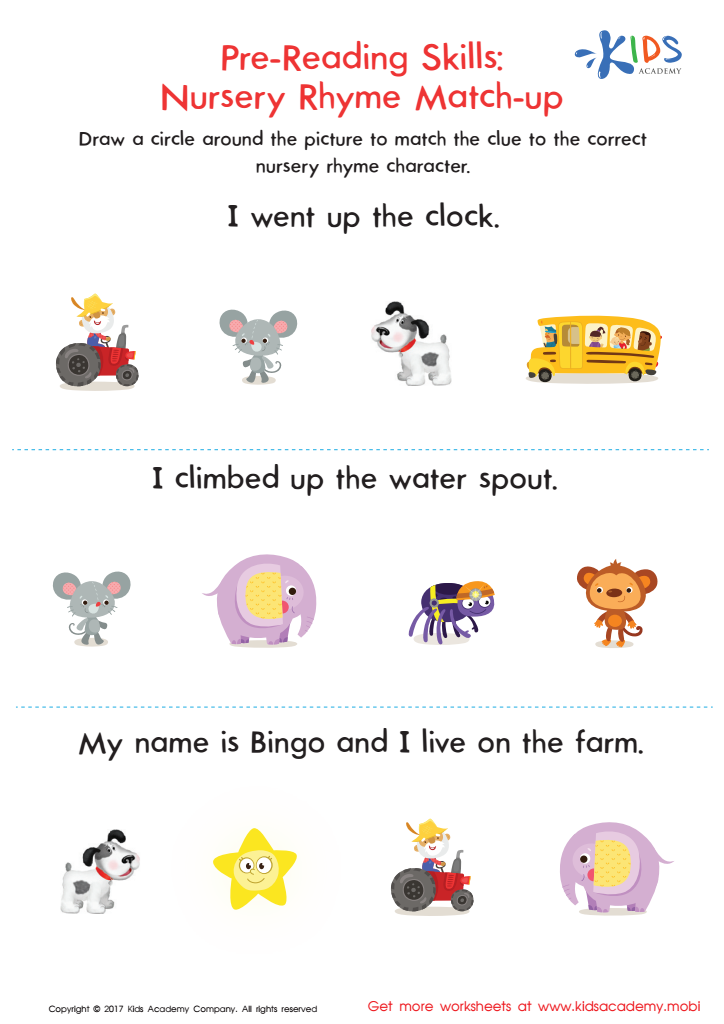
Nursery Rhyme Match–Up Worksheet
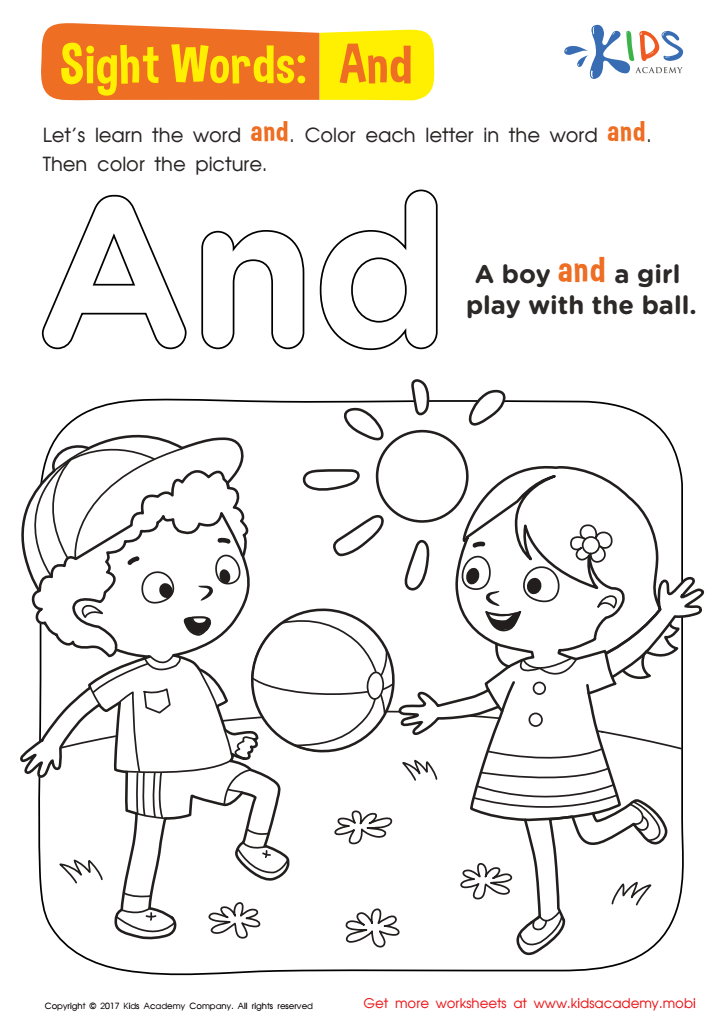
And Worksheet Sight Words Worksheet
Assign to My Students
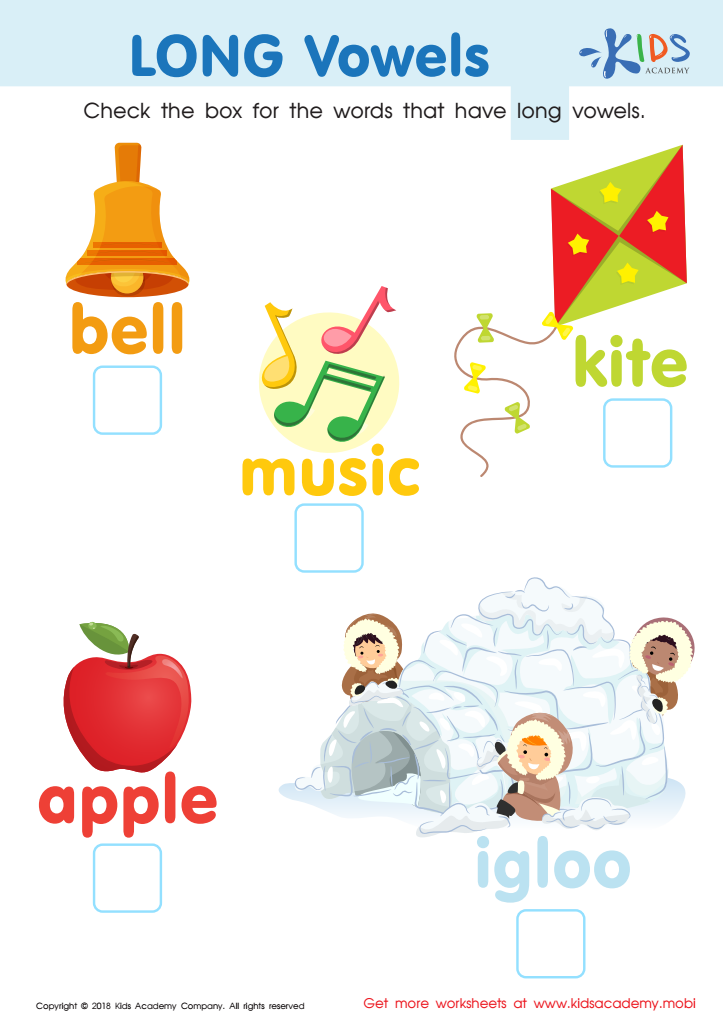
long vowels Worksheet








Parents and teachers should prioritize reading comprehension and phonics for children ages 3-5, as these foundational skills are crucial for literacy development. Phonics, the relationship between sounds and their corresponding letters, forms the building blocks of reading. By introducing phonics early, children develop the ability to decode words, which enhances their confidence and eagerness to read.
Reading comprehension is equally essential, as it allows young learners to understand and derive meaning from texts. When children can comprehend what they read, they are more likely to engage actively with stories, which nurtures their imagination and critical thinking skills. During this crucial developmental stage, fostering a love for reading and providing children with rich, engaging materials can ignite a passion for learning that lasts a lifetime.
Moreover, strong reading skills are linked to better academic performance across all subjects. They enhance vocabulary, communication skills, and even social interaction, preparing children for success in school and beyond. By focusing on easy phonics and comprehension strategies, caregivers can provide a solid literacy foundation that supports children's overall cognitive and emotional growth, helping them become confident, competent readers ready to explore the world through literature.