Fine motor development Easy Worksheets for Ages 3-5
3 filtered results
-
From - To
Explore our collection of Fine Motor Development Easy Worksheets designed specifically for children ages 3 to 5! These engaging worksheets help young learners enhance their fine motor skills through fun activities like coloring, tracing, and cutting. By improving hand-eye coordination and grip strength, children build a strong foundation for writing and everyday tasks. Our carefully crafted resources promote cognitive and physical development in a playful setting, ensuring your little ones gain essential skills while enjoying interactive learning. Perfect for teachers and parents alike, these worksheets make fine motor practice enjoyable and effective! Download today and support your child's growth!
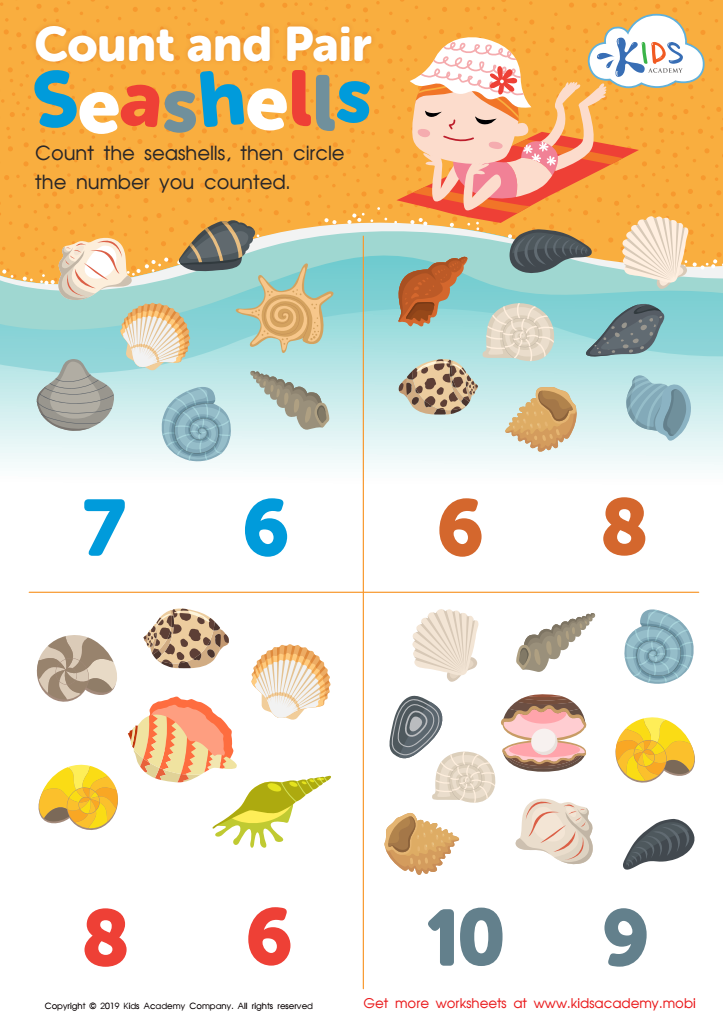
Count and Pair Seashells Worksheet
 Assign to My Students
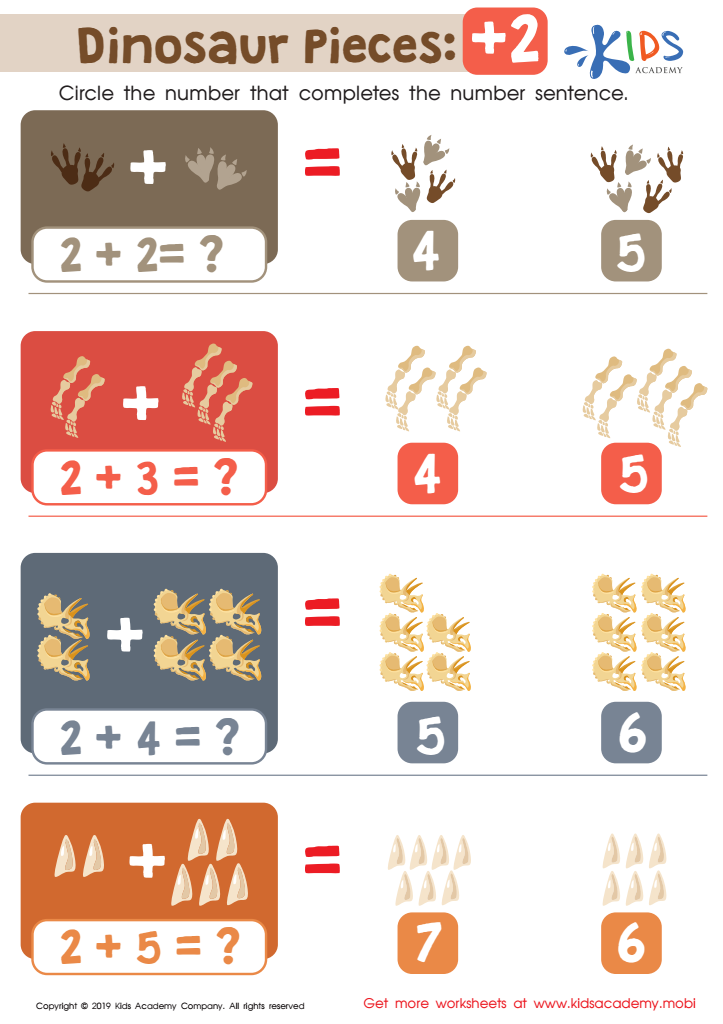
Dinosaur Pieces: +2 Worksheet





.jpg)


Fine motor development is crucial for children ages 3-5 because it lays the foundation for essential skills they will use throughout their lives. During this period, children's finger muscles, hand-eye coordination, and dexterity are rapidly developing. Activities that promote fine motor skills, like cutting with scissors, drawing, painting, or playing with building blocks, help children enhance their physical abilities and gain confidence in their capabilities.
Parents and teachers should care about fine motor development because it directly impacts children’s academic performance. Strong fine motor skills are necessary for tasks such as writing, using school tools, and completing arts and crafts projects. Furthermore, these skills are linked to self-regulation, concentration, and problem-solving abilities.
Supporting fine motor development can also foster creativity in children, allowing them to express themselves as they manipulate various materials. By engaging in play that encourages these skills, caregivers provide an enjoyable learning environment that promotes cognitive and emotional growth.
Understanding the importance of fine motor skills empowers parents and teachers to create opportunities for practice and help children develop a sense of independence and mastery, both critical for school readiness and lifelong learning.








