Identifying objects Easy Worksheets for Ages 3-5
3 filtered results
-
From - To
Welcome to our Identifying Objects Easy Worksheets for Ages 3-5! These engaging printables are designed to enhance young children's observation skills while introducing them to basic vocabulary. Each worksheet includes colorful images and fun exercises that encourage kids to identify and name various objects. This activity promotes cognitive development, improves focus, and boosts confidence in early learners. Suitable for home or classroom use, these worksheets are a fantastic resource for teachers and parents alike. With our easy-to-follow format, your little ones will be excited to explore the world around them while honing essential skills. Download now and foster their love for learning!
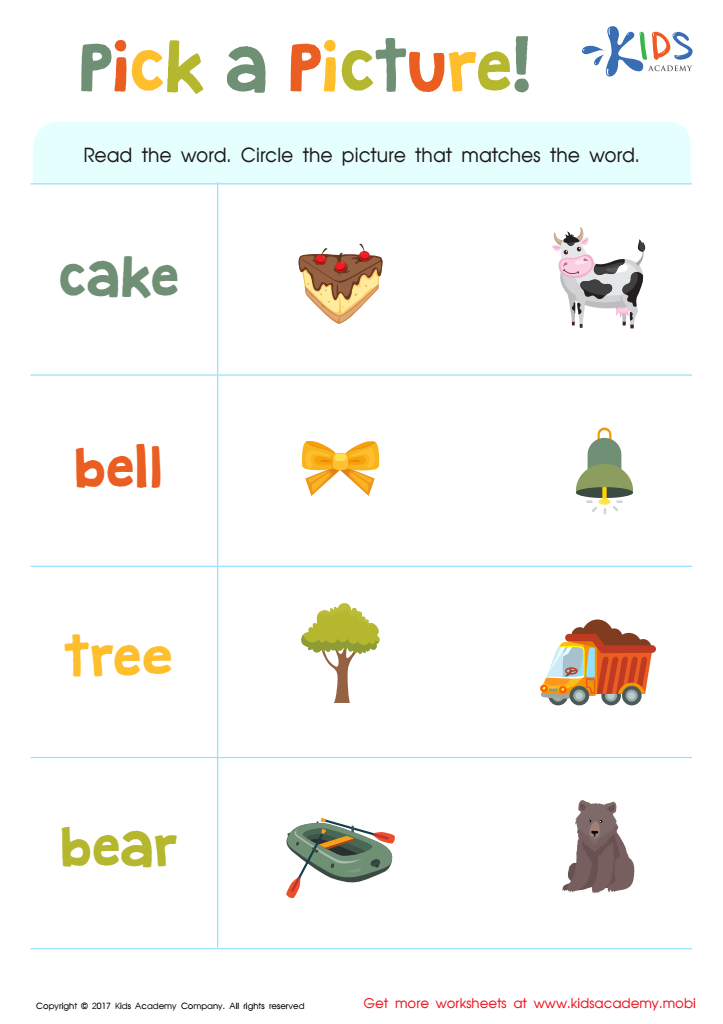
Pick a Picture Word Recognition Worksheet
 Assign to My Students
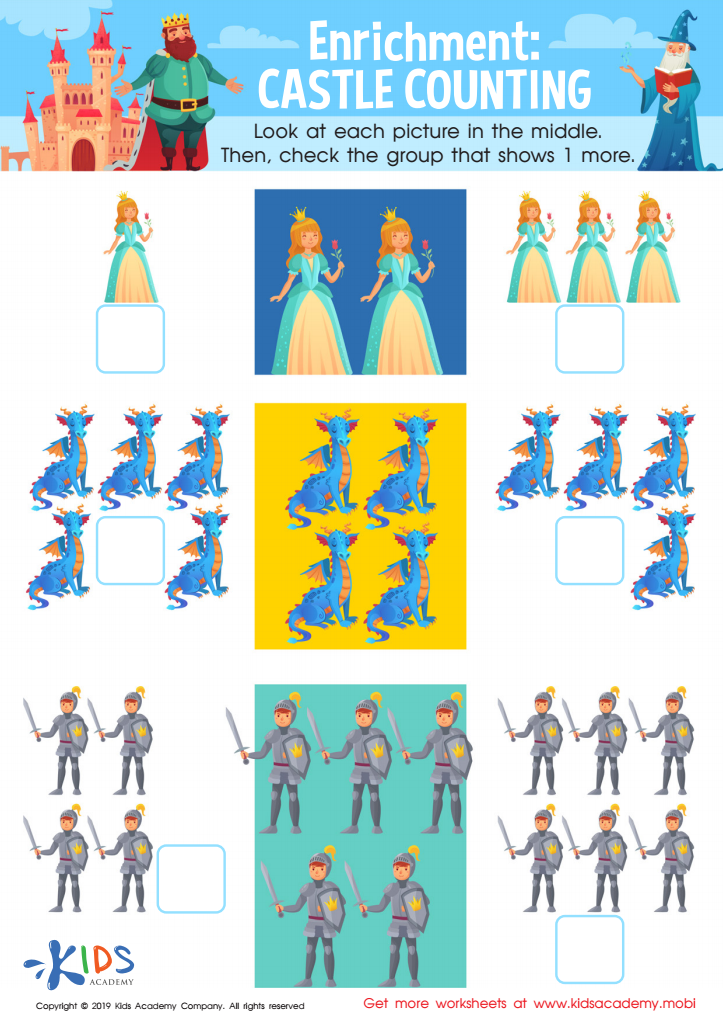
Enrichment: Castle Counting Worksheet
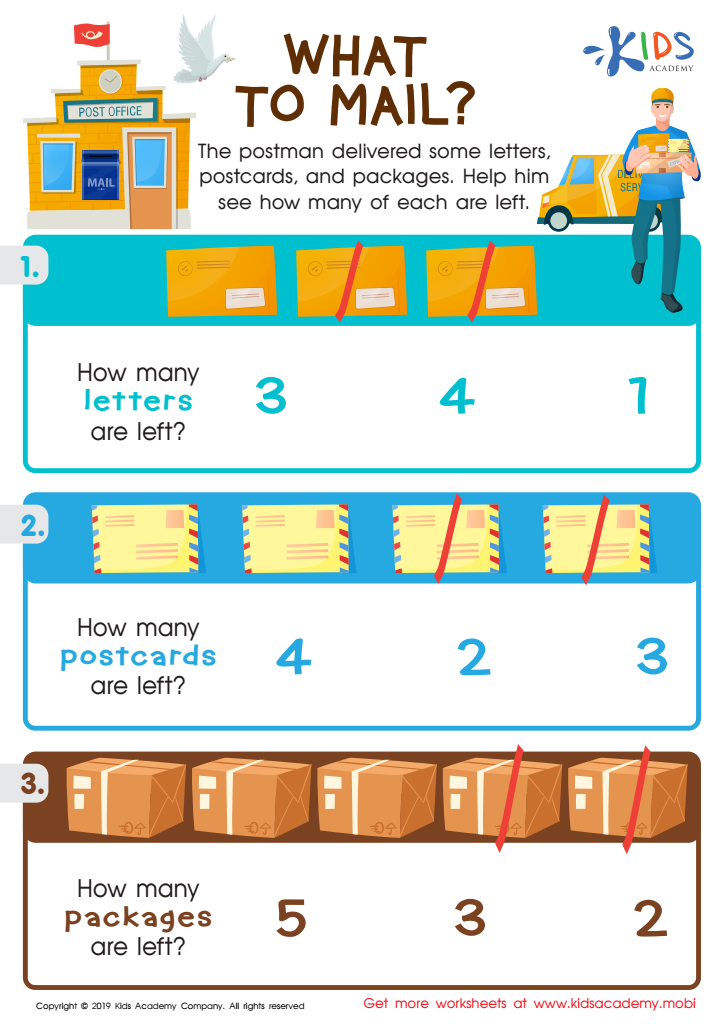
What to Mail? Worksheet







Identifying objects is a foundational skill for children aged 3-5 that significantly influences their developmental milestones. For parents and teachers, recognizing the importance of this skill is crucial for fostering early learning and cognitive development. When children learn to identify objects, they enhance their vocabulary, sharpen their observational skills, and increase their capacity for critical thinking.
At this age, children are naturally curious and eager to explore their surroundings. Encouraging them to identify objects helps cultivate their language abilities, as they learn to label and describe what they see in their environment. This not only boosts their communication but also builds confidence as they express themselves.
Additionally, object identification plays a critical role in promoting categorization and organization skills, foundational components of early math and literacy development. It aids in establishing connections between words, pictures, and concepts, making learning enjoyable and engaging.
By prioritizing object identification activities, parents and teachers can create a rich learning atmosphere that supports children's development, laying the groundwork for lifelong learning. Engaging in these simple yet effective exercises fosters a child’s sense of security, encourages curiosity, and ultimately empowers them to thrive in both academic and social contexts.








