Fine Motor Skills Easy Math Worksheets for Ages 3-5 - Page 2
34 filtered results
-
From - To
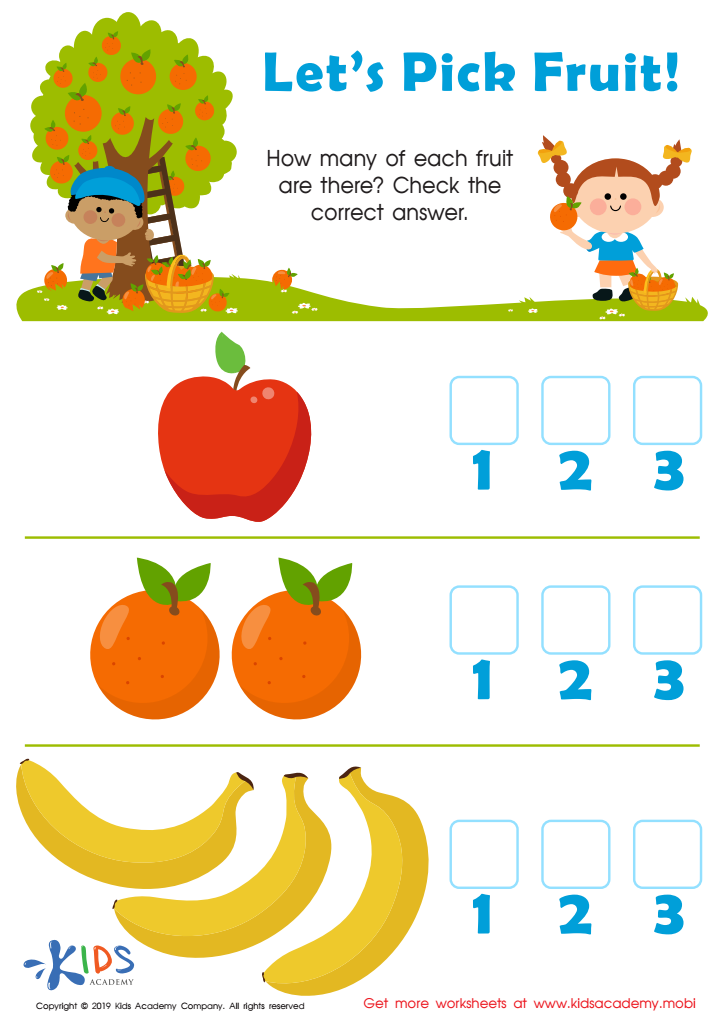
Let's Pick Fruit Worksheet
 Assign to My Students
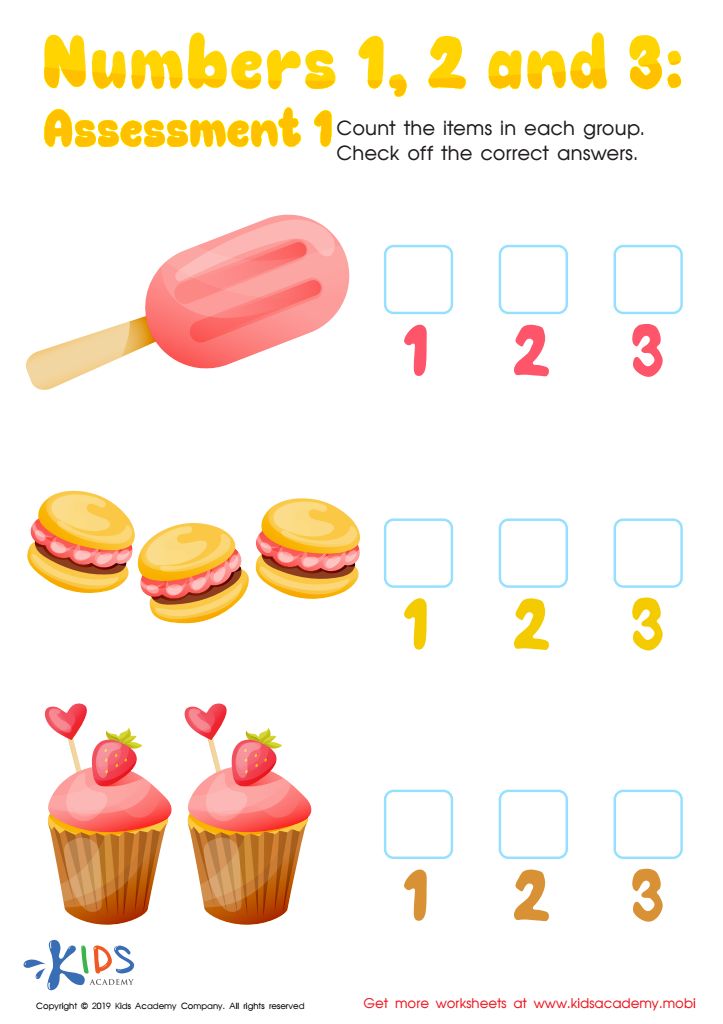
Numbers 1, 2 and 3: Assessment 1 Worksheet
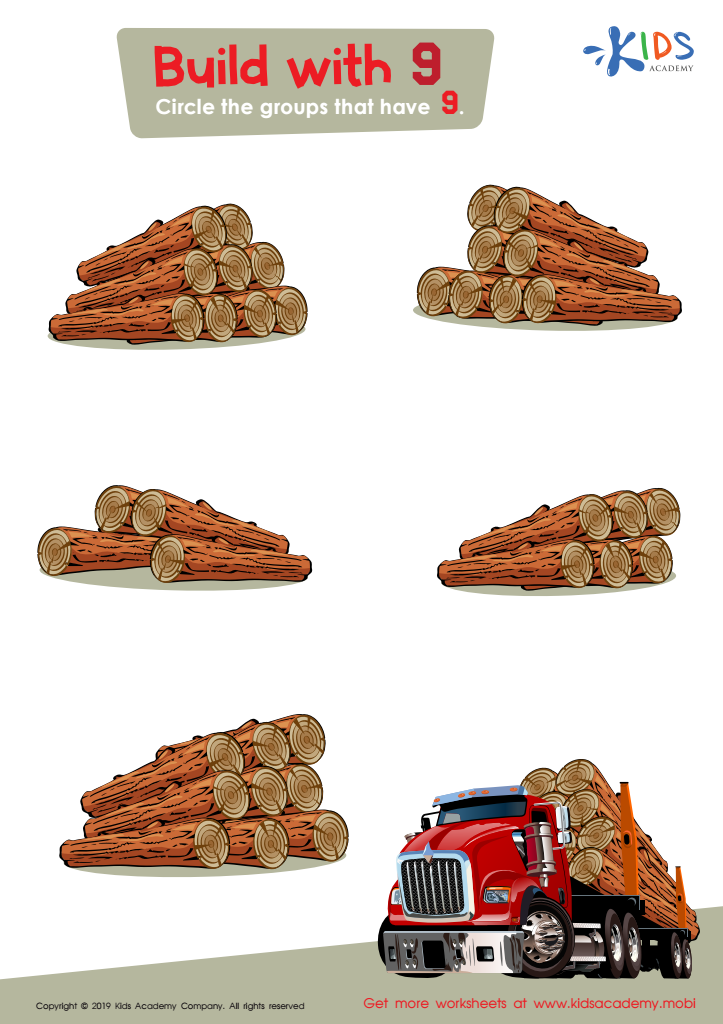
Build with 9 Worksheet
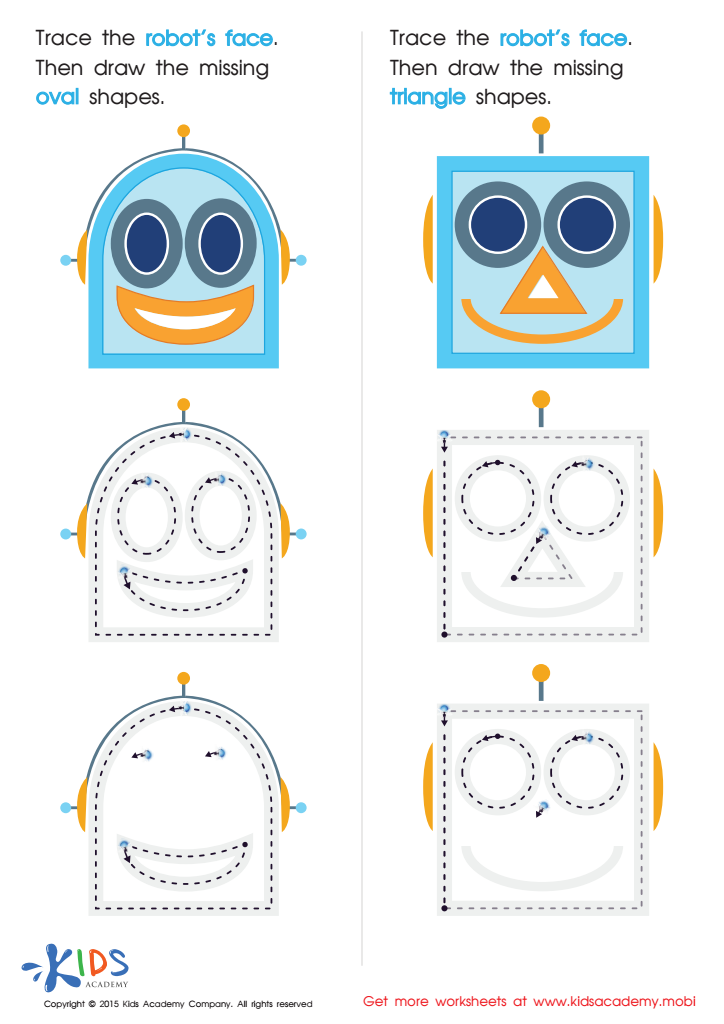
Drawing Ovals And Triangles with Fun Printable
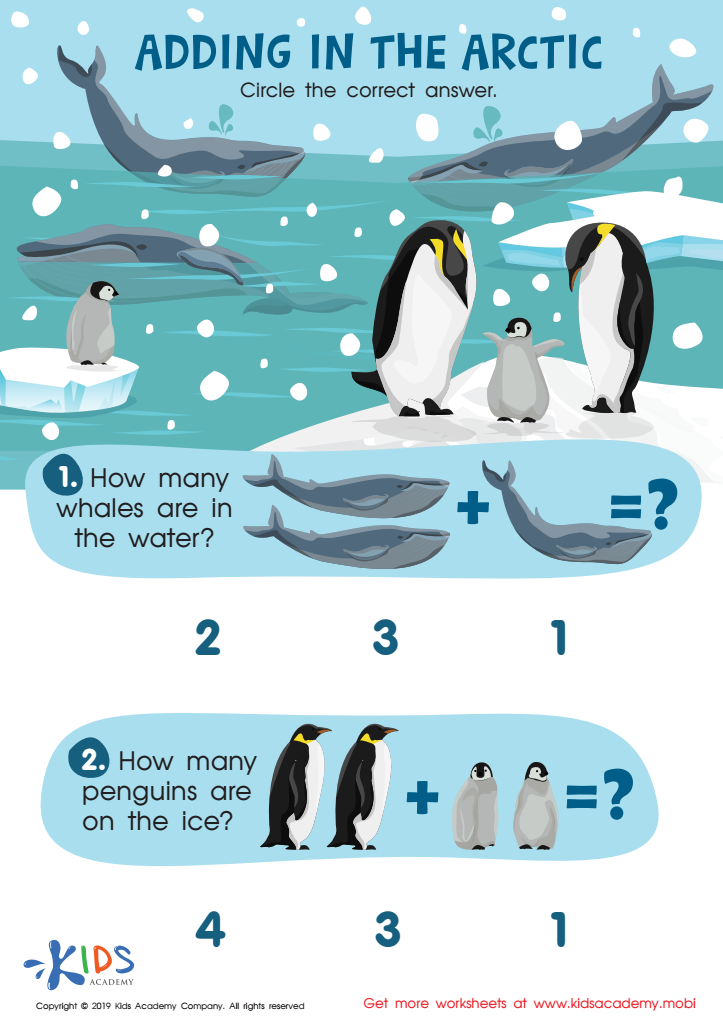
Adding in the Arctic Worksheet
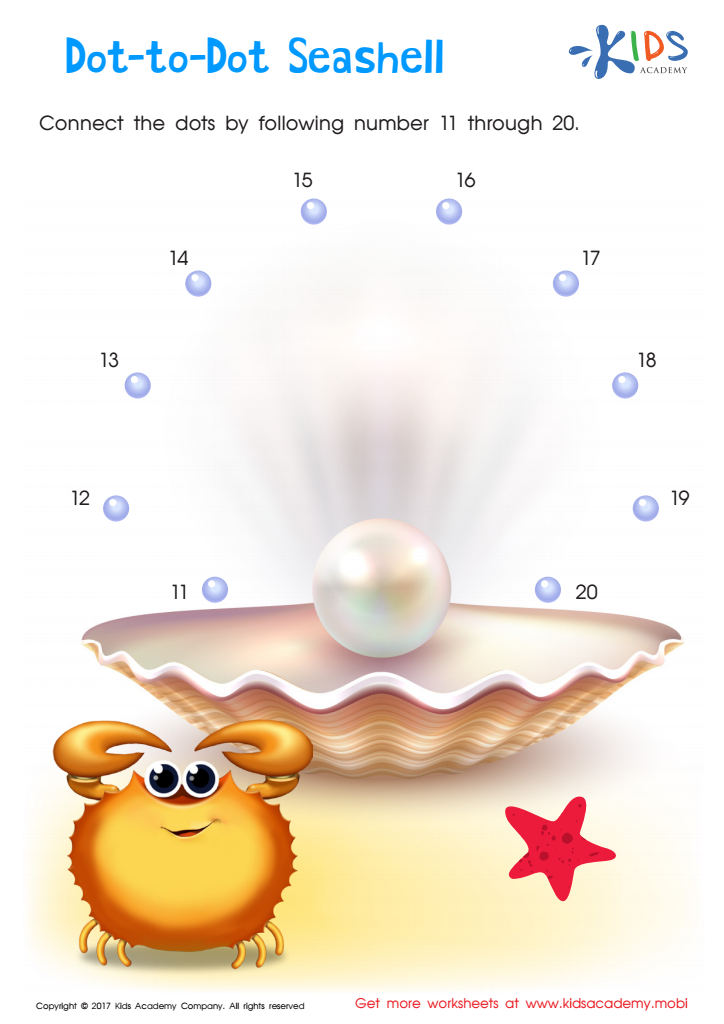
Ordering 11–20: Dot–to–dot Seashell Printable
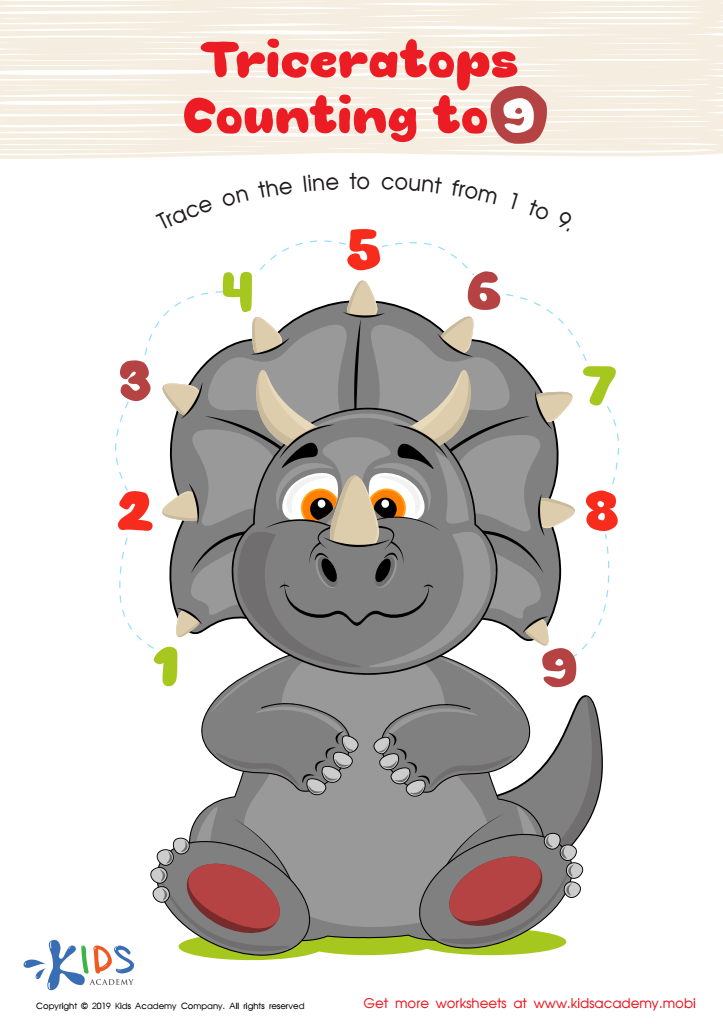
Triceratops Counting to 9 Worksheet

Counting on the City Skyline: Dot-to-Dot Worksheet
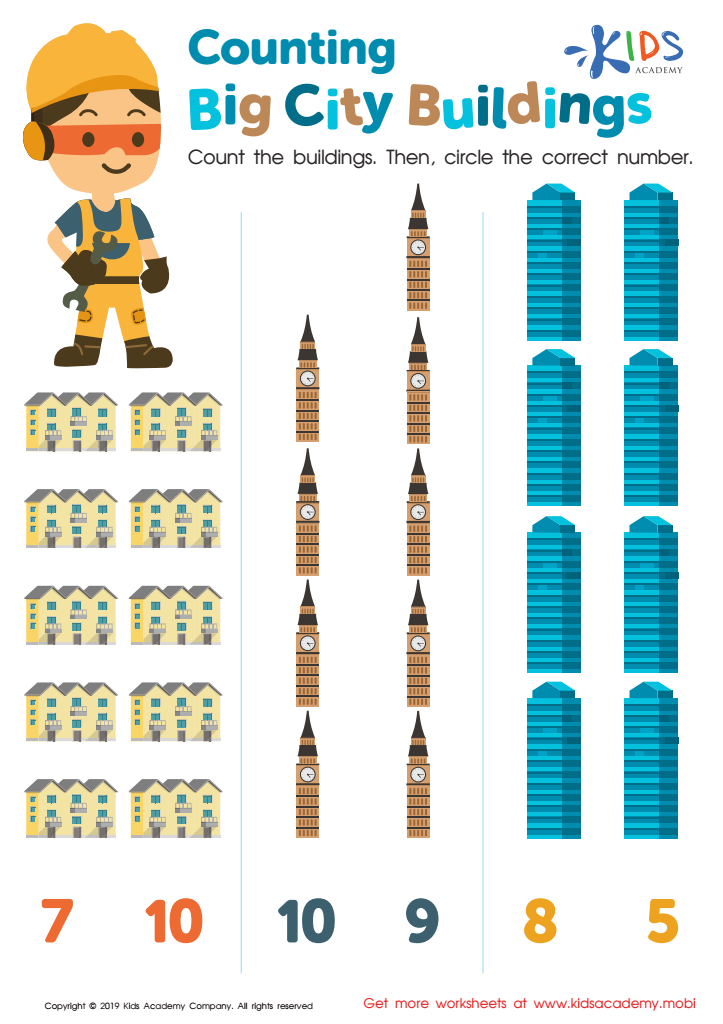
Counting Big City Buildings Worksheet

Night Sky Numbers Worksheet







Fine motor skills are crucial for young children's overall development, especially in a math context. For children aged 3-5, these skills involve the coordination of small muscles, particularly in the hands and fingers. Enhancing fine motor skills not only supports children's ability to perform everyday tasks (like buttoning shirts or holding a pencil) but also lays a foundation for mathematical learning.
Engaging in activities that strengthen fine motor skills—such as cutting, threading beads, or playing with clay—also promotes cognitive development. When children manipulate objects, they begin to understand shapes, sizes, and spatial relationships, which are essential concepts in math. Additionally, developing these skills boosts confidence, allowing children to experiment with different math tools and strategies freely.
Teachers and parents should care about integrating fine motor skill development into math activities, as it fosters an interactive learning atmosphere. Children learn better when they can express their understanding through hands-on experiences. By focusing on fine motor skills in easy math activities, adults can create a fun, enriching environment where children feel empowered to explore and learn, building a strong foundation for future academic success.








