Understanding sequencing Easy Math Worksheets for Ages 3-5
3 filtered results
-
From - To
Discover our "Understanding Sequencing Easy Math Worksheets" designed for ages 3-5! These interactive and engaging worksheets help young learners grasp the concept of sequencing through fun illustrations and activities. Ideal for early childhood education, our materials foster critical thinking as children learn to arrange objects, pictures, and events in a logical sequence. Each worksheet enhances cognitive skills while making math enjoyable and accessible. Perfect for home or classroom use, these worksheets promote essential developmental milestones in a playful format. Start your child's math journey today and watch them thrive as they master sequencing skills!
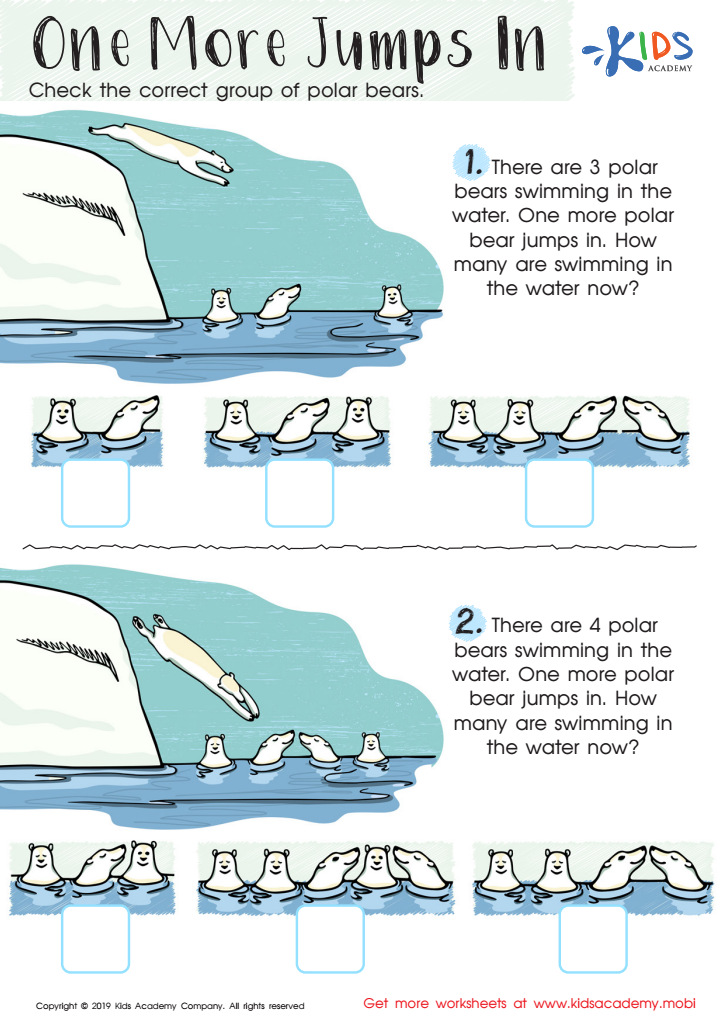
One More Jumps In Worksheet
 Assign to My Students
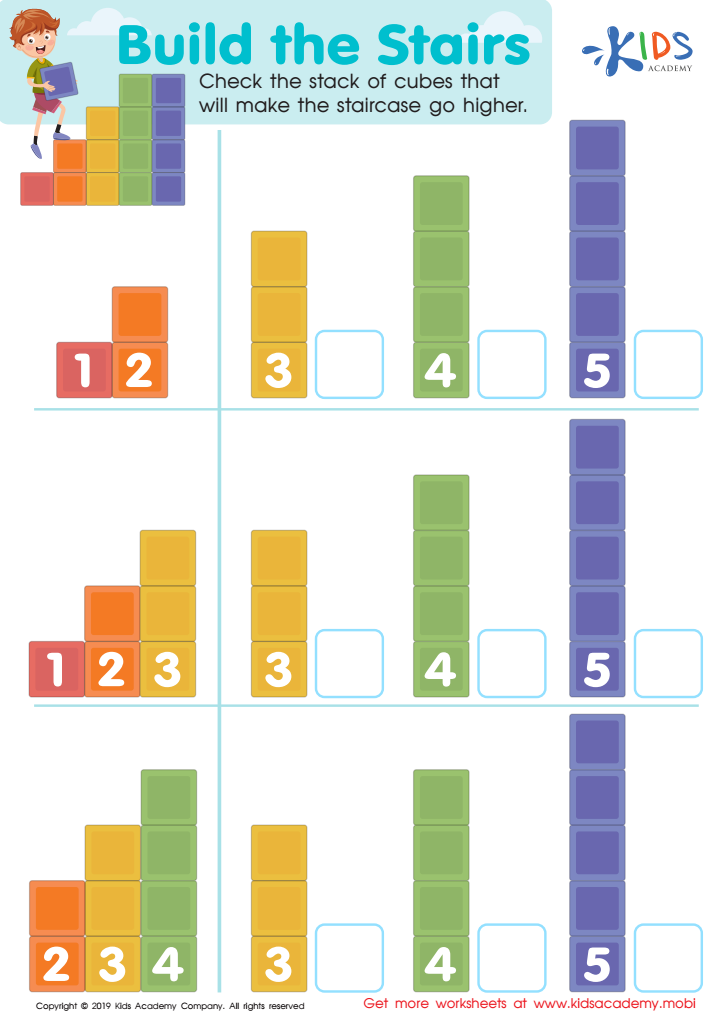
Build the Stairs Worksheet
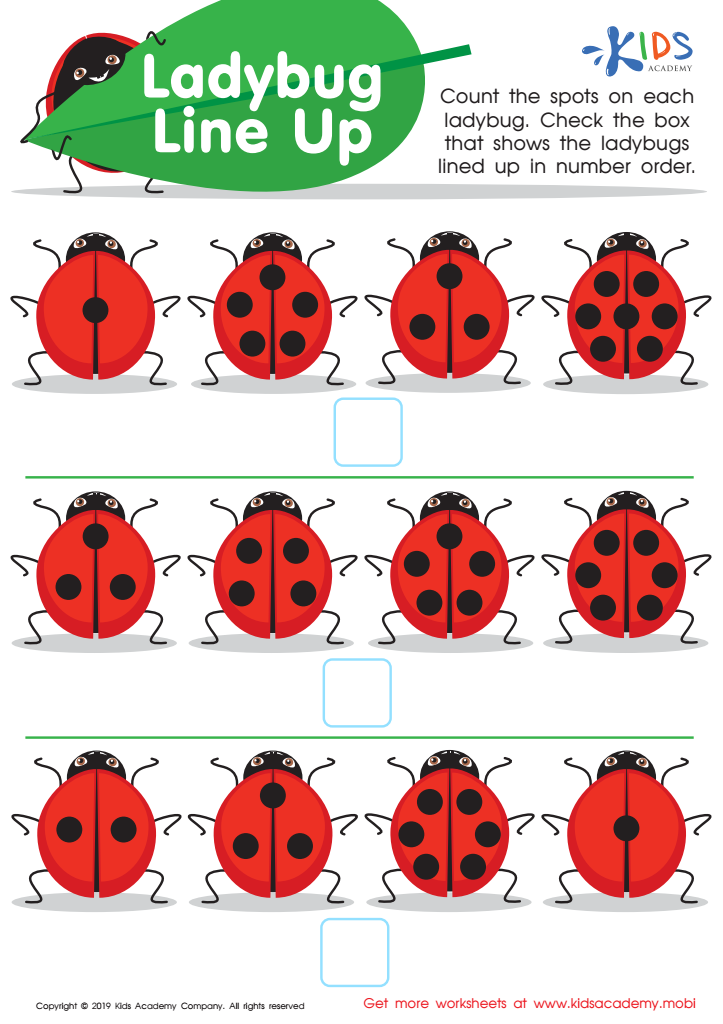
Ladybug Line Up Worksheet








Understanding sequencing is crucial for young children, particularly for ages 3-5, because it serves as a foundational skill in math and cognitive development. Sequencing helps children grasp the concept of order and can improve their logical thinking abilities, which are essential for problem-solving as they progress in their education.
For parents and teachers, recognizing the importance of sequencing in early math education allows them to engage children in meaningful activities that promote comprehension and retention. Engaging children in sequencing activities, such as arranging events in a story or organizing objects by size or color, not only makes learning enjoyable but also enhances critical thinking.
Moreover, sequencing skills correlate with numerous life skills beyond mathematics, including reading comprehension, everyday decision-making, and even social interactions. By expressing early engagement with sequencing, both parents and teachers can foster a love for learning and empower children with the tools they need for academic success.
In conclusion, understanding sequencing is not just about mastering math; it's about laying the groundwork for a well-rounded educational journey, making it essential for stakeholders in early childhood education to actively support and promote these early concepts.








