Attention to Detail Easy Worksheets for Ages 3-6
5 filtered results
-
From - To
Enhance your child's learning experience with our "Attention to Detail Easy Worksheets" designed specifically for ages 3-6. These engaging, fun, and colorful worksheets are perfect for young learners who are beginning to develop their observational skills. With activities that encourage focus, engagement, and fine motor skills, children will enjoy tasks like spotting differences, completing patterns, and simple counting exercises. Each worksheet aims to stimulate curiosity and promote cognitive development while providing a solid foundation for early academic success. Download our worksheets today and help your little ones sharpen their attention to detail in a playful and interactive way!
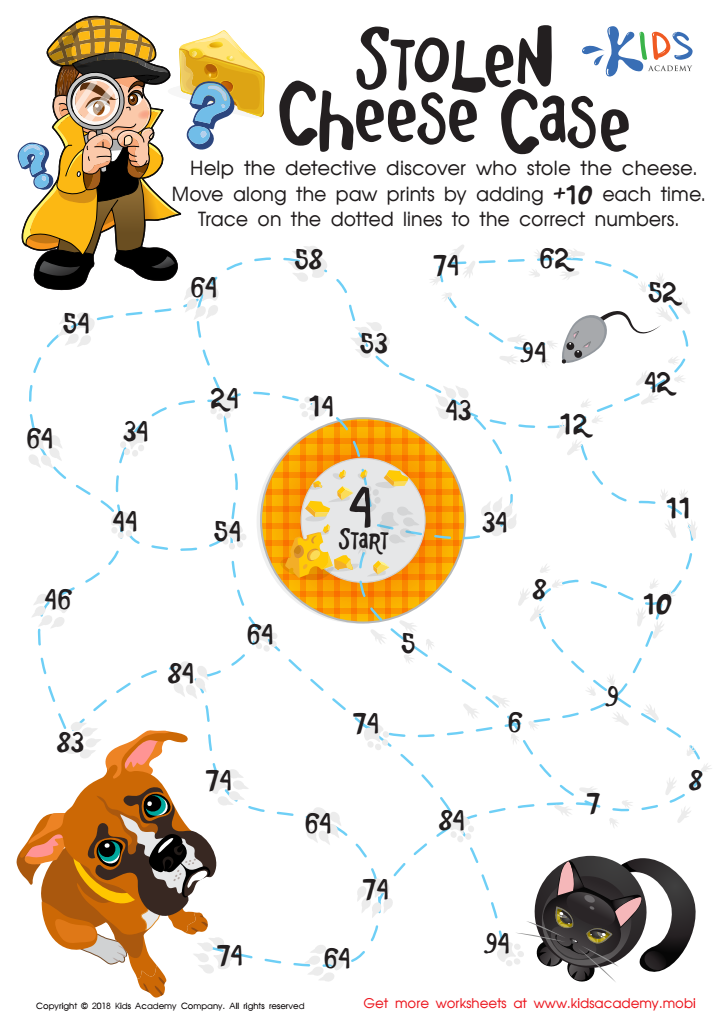
Stolen Cheese Case Maze Worksheet
 Assign to My Students
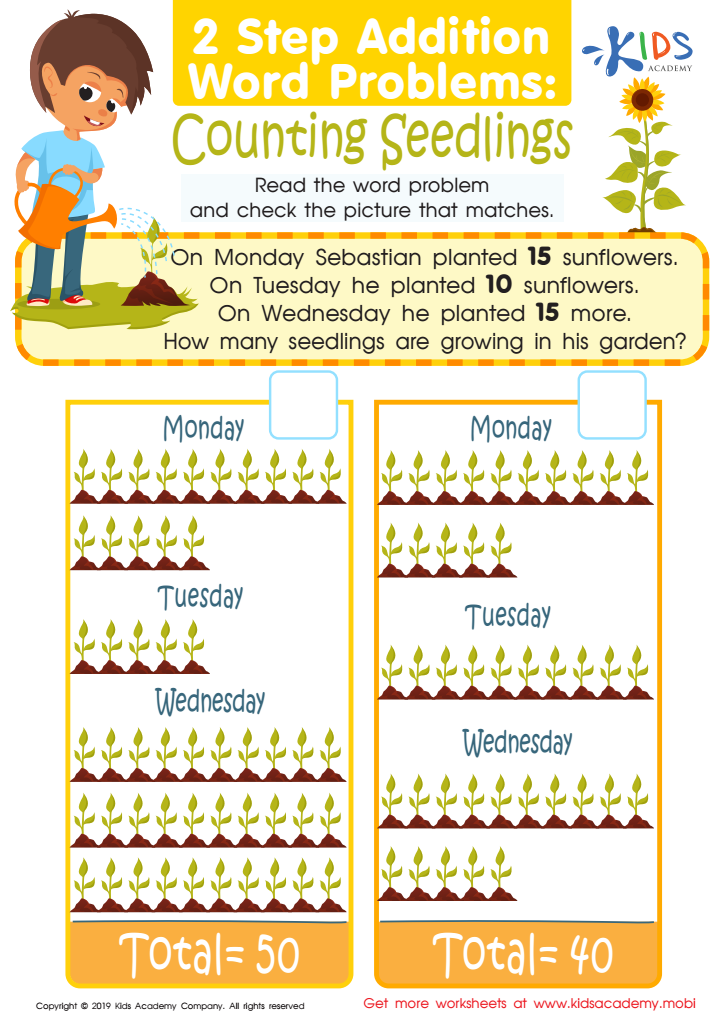
Counting Seedlings Worksheet
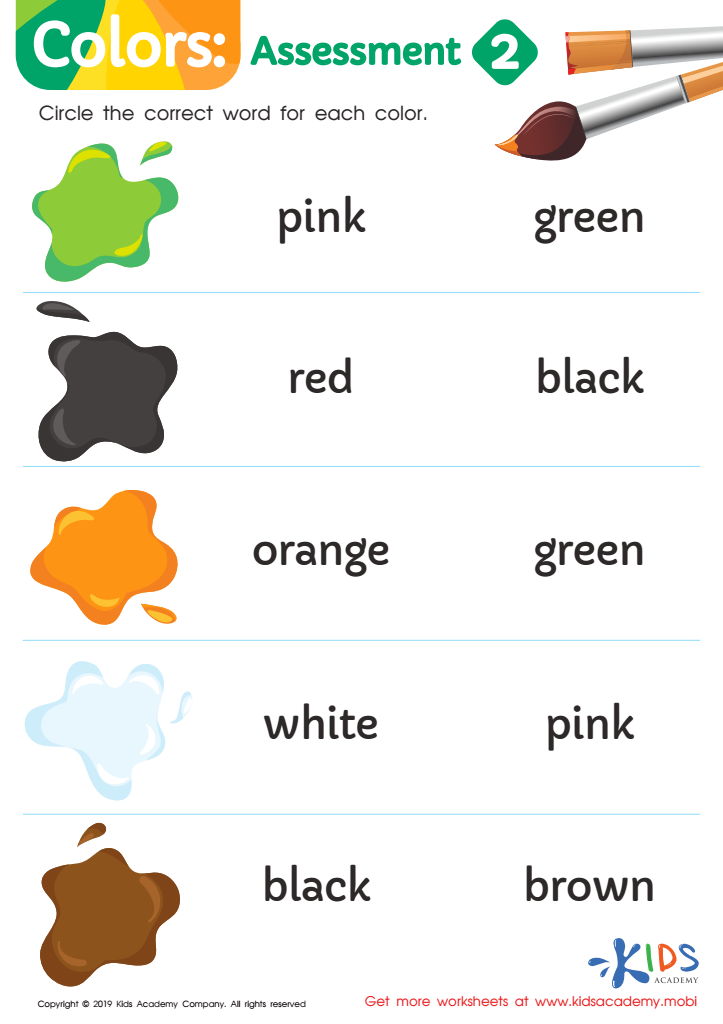
Colors: Assessment 2 Worksheet

Cities Worksheet

Cities: Finding Differences Worksheet


.jpg)





Attention to detail is crucial for children ages 3-6 as it lays the foundation for cognitive, social, and emotional development. During these formative years, children are naturally curious and explore their surroundings. Emphasizing attention to detail helps sharpen their observational skills, enabling them to notice differences, patterns, and relationships in their environment.
Teachers and parents can nurture this skill through engaging activities such as puzzles, arts and crafts, or storytelling. These activities promote critical thinking and enhance problem-solving abilities, essential for future academic success. Additionally, paying attention to details fosters language development; children learn to articulate their observations, express ideas clearly, and enhance vocabulary by focusing on nuances.
Moreover, fostering attention to detail also builds self-esteem and confidence. When children successfully identify an element or solve a problem, they experience a sense of accomplishment. It encourages them to engage more with tasks, improving their perseverance and focus.
Lastly, habits developed at this young stage are likely to persist, instilling a lifelong appreciation for careful observation and thoroughness in any endeavor they pursue, whether academics, art, or daily life. In essence, prioritizing attention to detail during these years positively influences various aspects of a child’s growth and learning journey.








