Categorization skills Easy Worksheets for Ages 3-6
5 filtered results
-
From - To
Enhance your child's learning with our "Categorization Skills Easy Worksheets" tailored for ages 3-6! These engaging worksheets are designed to help young learners develop essential categorization skills through fun and interactive activities. By sorting pictures, matching items, and identifying similarities and differences, children will improve their critical thinking and organizational abilities. The worksheets cover various themes, making learning enjoyable and relatable. Perfect for home or classroom use, these resources foster creativity while reinforcing important concepts. Support your little one's educational journey today by exploring our comprehensive collection of easy-to-use worksheets that make learning both effective and delightful!
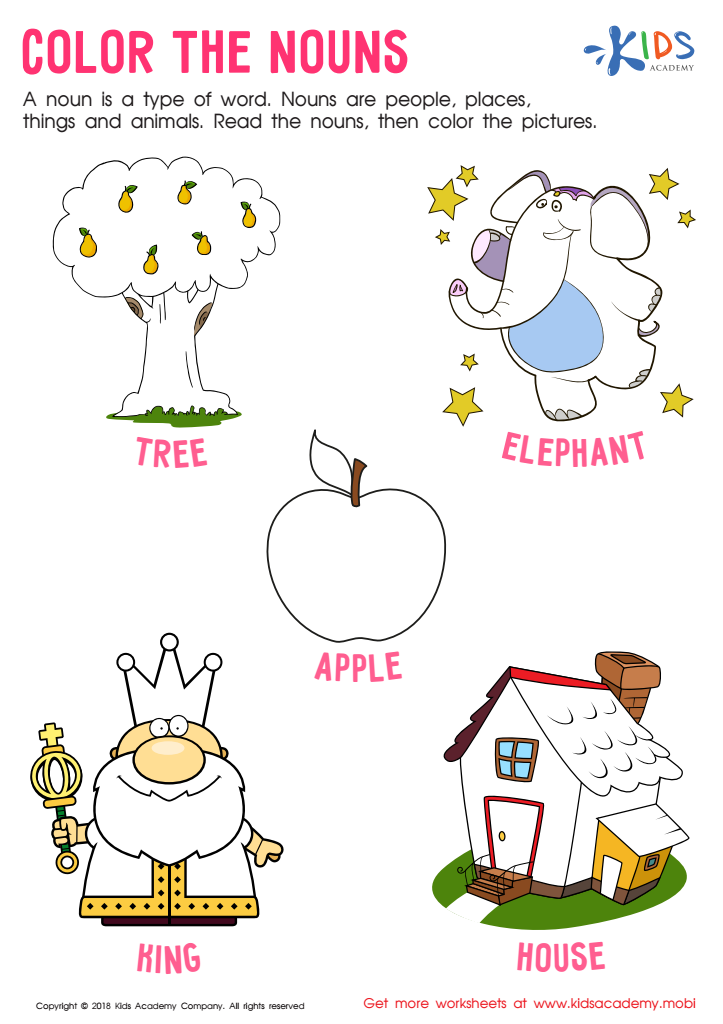
Color the Nouns Worksheet
 Assign to My Students
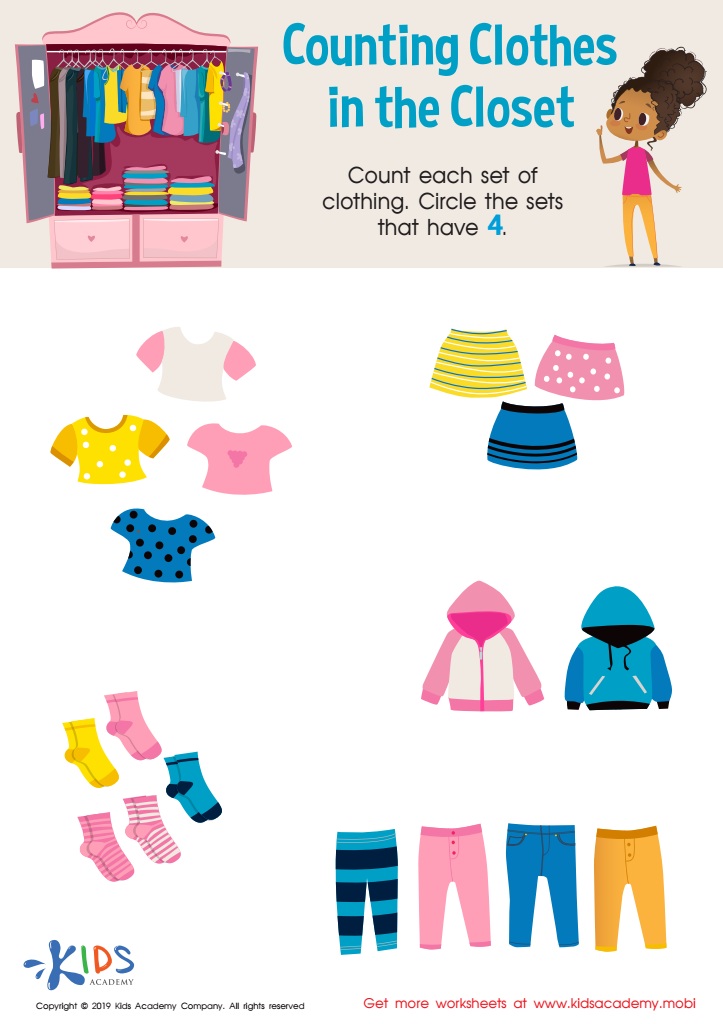
Counting Clothes Worksheet
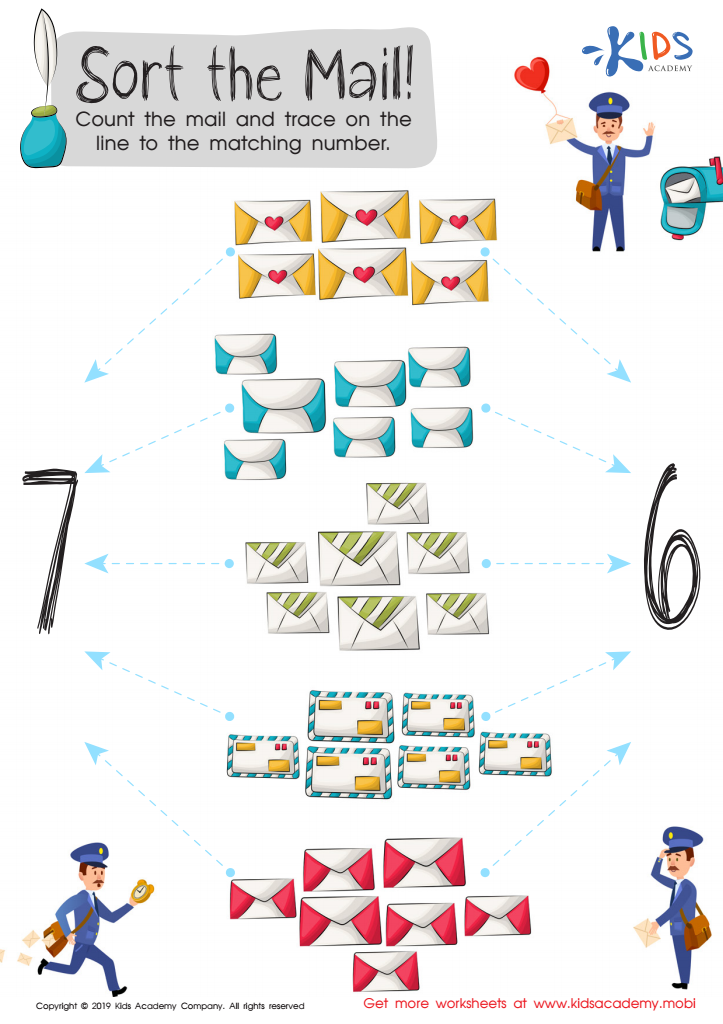
Sort the Mail Worksheet
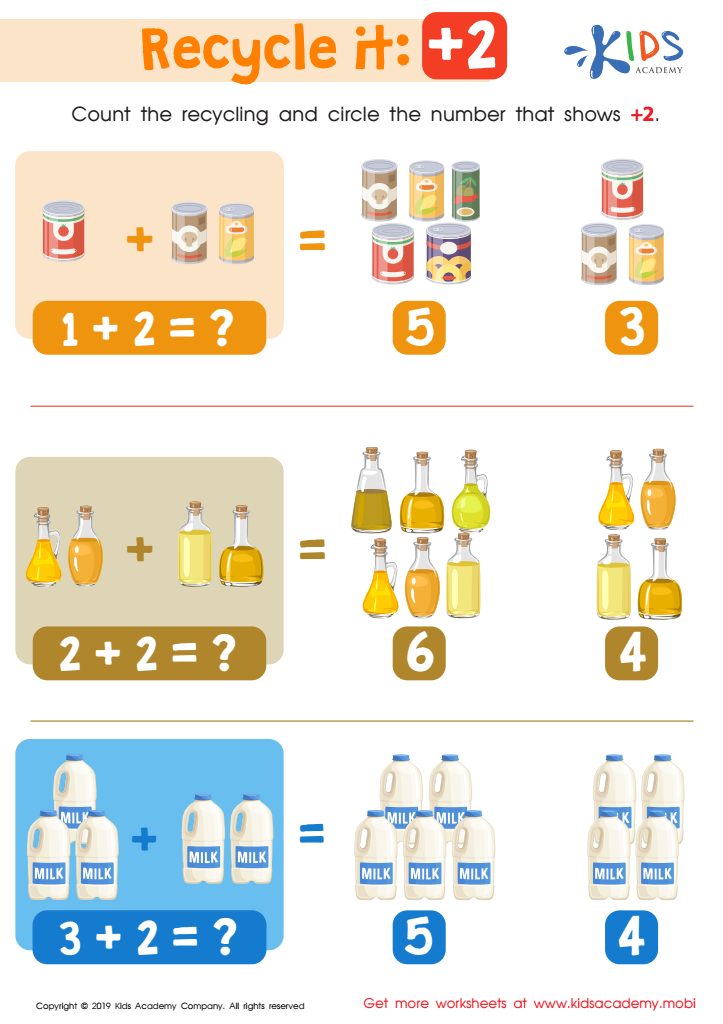
Recycle It: +2 Worksheet
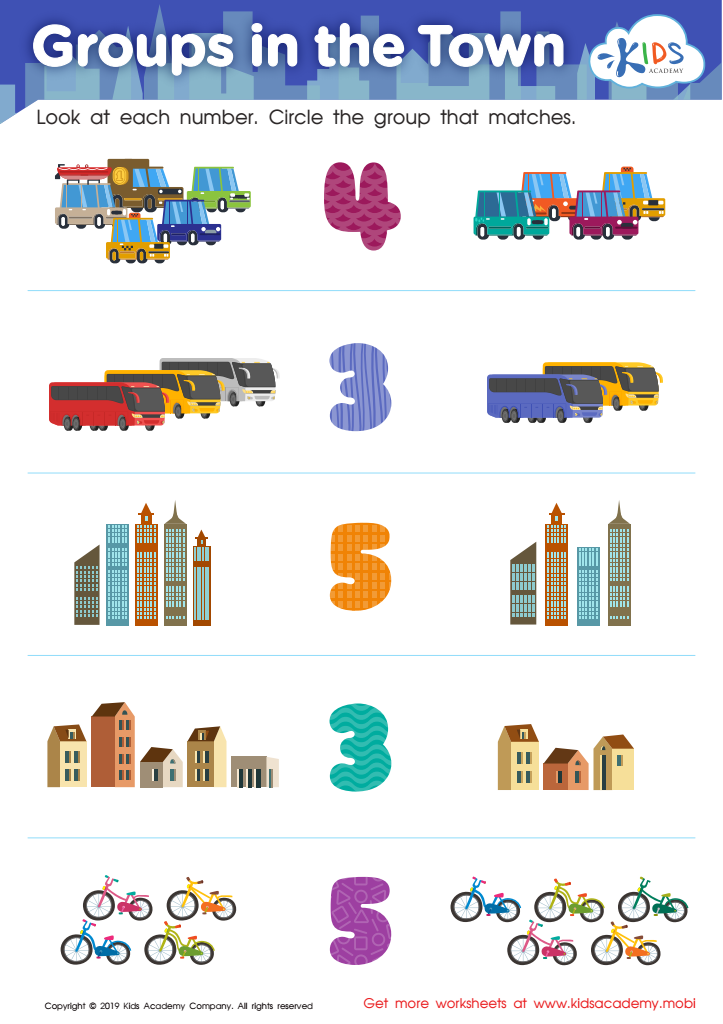
Groups in the Town Worksheet





Categorization skills are vital for children aged 3 to 6, as they form the foundation for critical thinking, problem-solving, and academic success. When parents or teachers prioritize the development of these skills, they are essentially nurturing a child's ability to organize and interpret their surroundings. Categorization involves grouping objects or ideas based on shared characteristics, which enhances cognitive abilities and prepares children for more complex tasks.
Young children learn through play and exploration, often engaging with their environment in ways that promote categorization. For instance, sorting toys by color, size, or shape not only makes playtime educational but also helps children recognize patterns and relationships. These skills translate to vital academic areas, from reading comprehension—where understanding categories aids in grasping context—to math, where sorting and grouping lay the groundwork for concepts like addition and subtraction.
Moreover, categorization fosters communication skills. Children articulate their thoughts better when they can express why certain items belong together. By encouraging these skills, parents and teachers empower children to make connections, enhancing their creativity and social skills. In short, supporting categorization skills is essential for holistic development, equipping children with the mental tools they need for lifelong learning and success.








