Improving counting skills Easy Worksheets for Ages 3-6
5 filtered results
-
From - To
Enhance your child's counting abilities with our Easy Worksheets for Ages 3-6, specially designed to make learning fun and engaging. These vibrant, age-appropriate printables help young learners develop essential math skills through interactive activities featuring colorful illustrations and playful themes. Perfect for preschool and kindergarten, our worksheets bolster number recognition, counting proficiency, and basic arithmetic. They're an excellent resource for parents and teachers looking to supplement early education with effective and enjoyable practice. Foster a love for numbers in your little ones and watch their confidence soar as they master fundamental counting skills with ease.
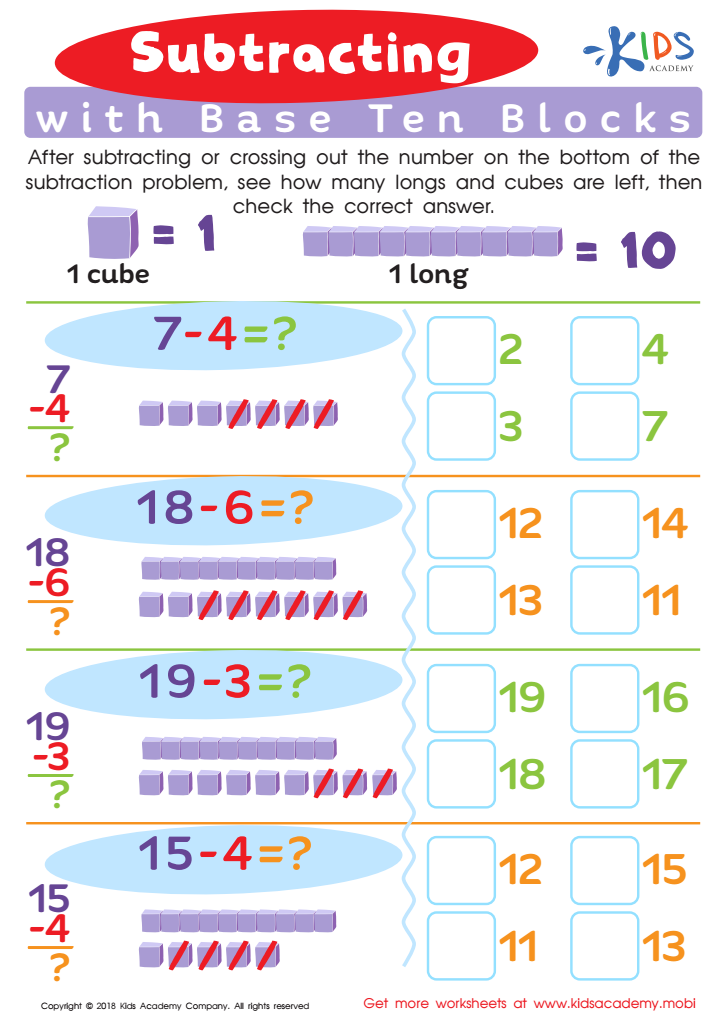
Subtracting With Base 10 Blocks Worksheet
 Assign to My Students
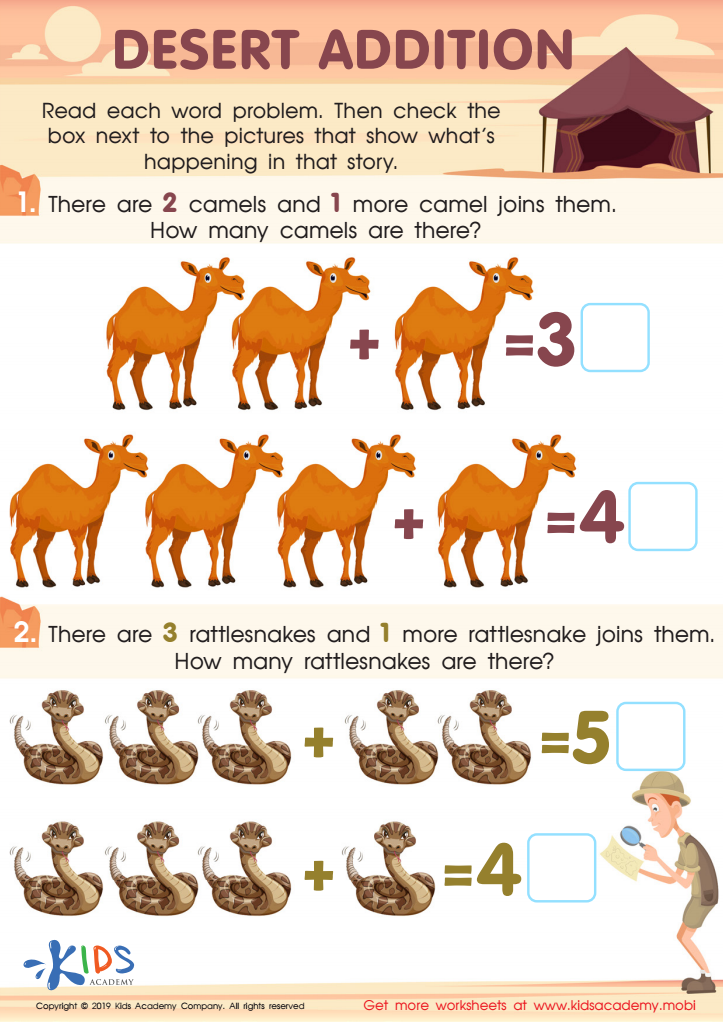
Desert Addition Worksheet
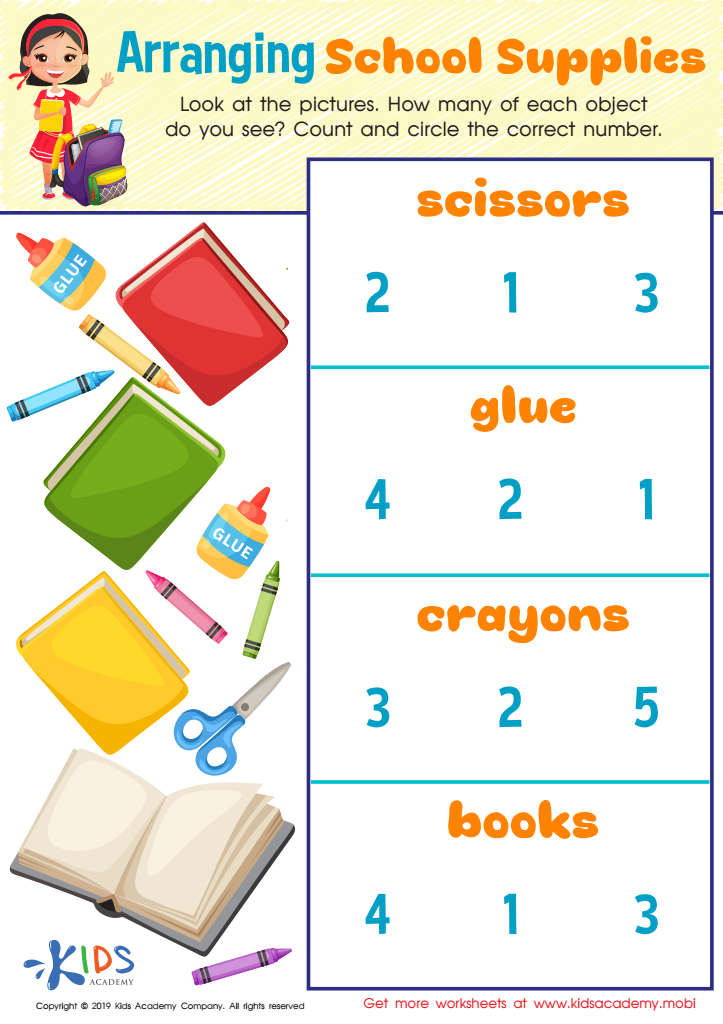
Arranging School Supplies Worksheet
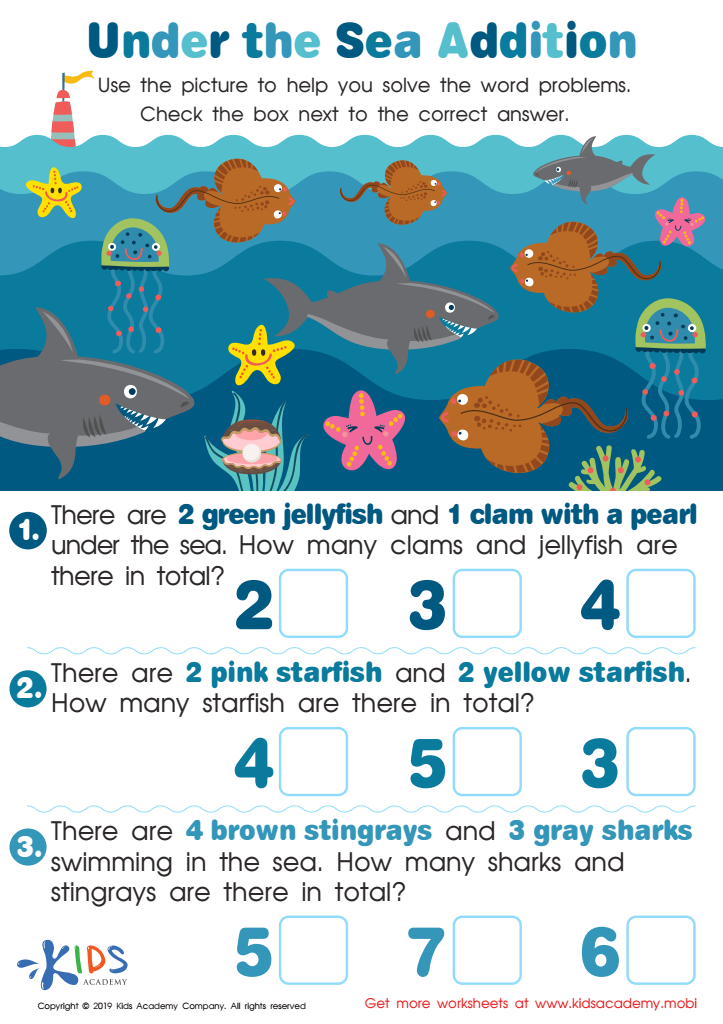
Under the Sea Addition Worksheet
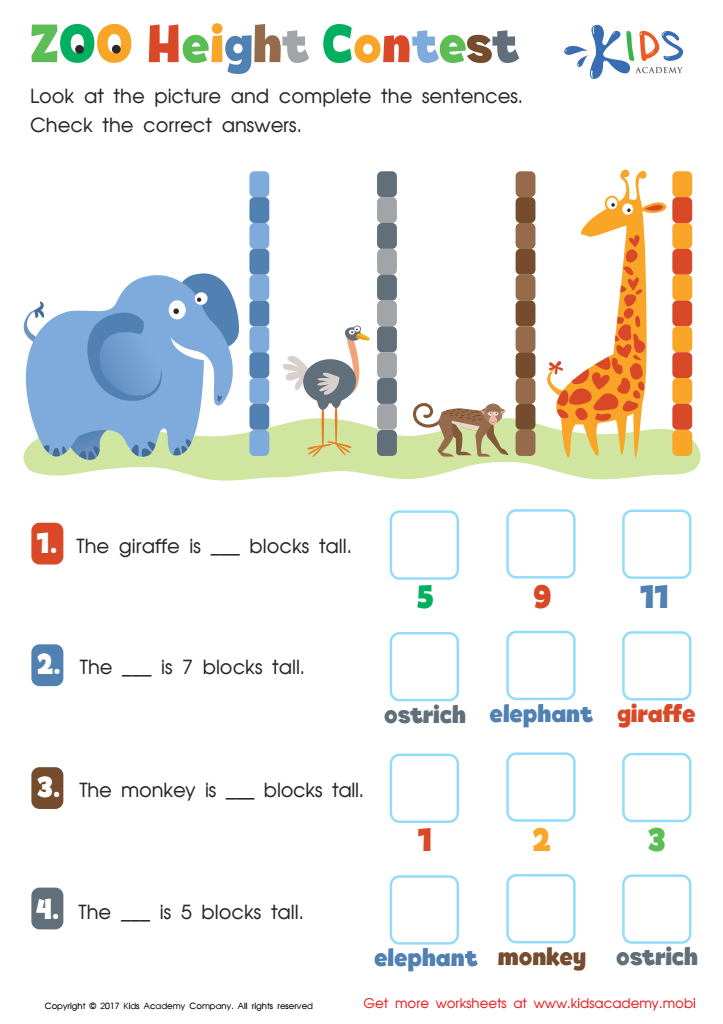
Zoo Height Contest Worksheet








Counting skills are foundational for young children, ages 3-6, as they set the stage for future mathematical learning and other cognitive development processes. During these early years, the brain is particularly receptive to learning basic numeric concepts, which are critical building blocks for more complex math skills.
Improving counting skills helps children understand the world around them. They begin to recognize patterns, sequences, and relationships between numbers. This understanding boosts their confidence and curiosity, making future learning less intimidating. Counting is not just reciting numbers; it helps kids understand quantity, order, and value, essential concepts in daily life.
For parents and teachers, focusing on counting skills fosters a strong educational foundation. Engaging children with hands-on activities like counting toys, steps, or everyday objects provides practical experiences that enhance their learning. Additionally, counting games and activities stimulate children's problem-solving and logical thinking capabilities.
Moreover, early counting skills are linked to better performance in school. They help children succeed not just in math, but in other subjects that require analytical skills. When teachers and parents invest in improving counting skills, they equip children with tools for lifelong learning and critical thinking, thereby contributing to their overall development and future academic success.








