Word Recognition Easy Worksheets for Ages 3-6
4 filtered results
-
From - To
Unlock the magic of reading with our "Word Recognition Easy Worksheets for Ages 3-6" from Kids Academy! Tailored for young learners, these engaging activities build essential early literacy skills. Our worksheets feature colorful images and fun exercises, making it easy for children to learn sight words, boost vocabulary, and develop strong reading foundations. Perfect for preschoolers and kindergarteners, these printable sheets provide a joyful path to mastering word recognition. Support your child's learning journey and watch their confidence soar as they discover the exciting world of words. Start today and spark a lifelong love for reading!
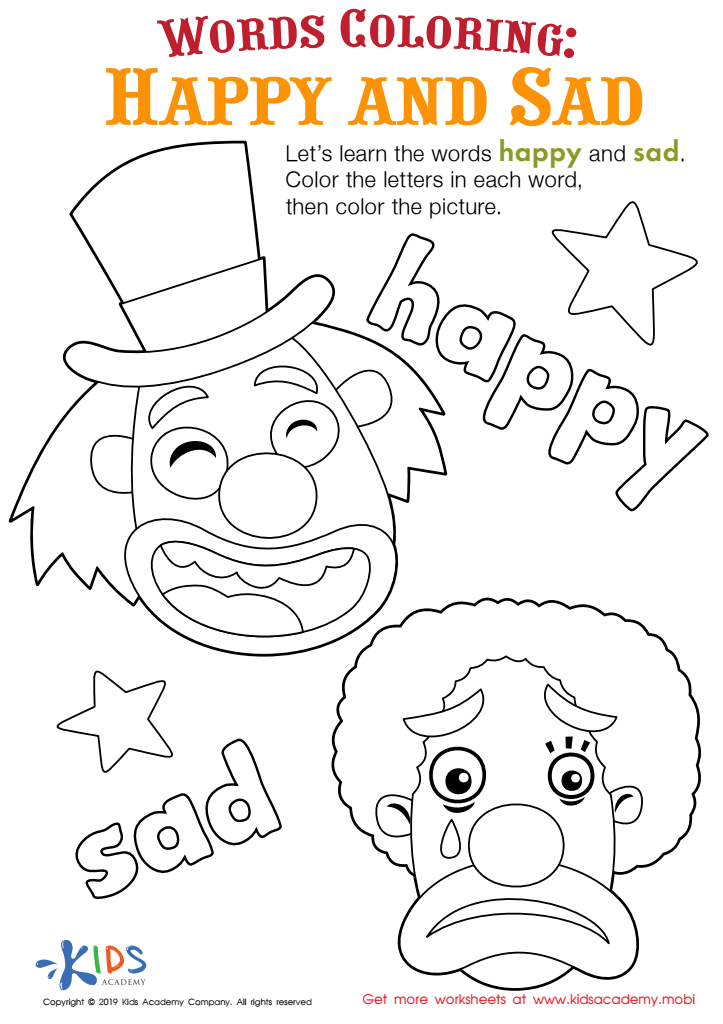
Happy and Sad Words Coloring Worksheet
 Assign to My Students
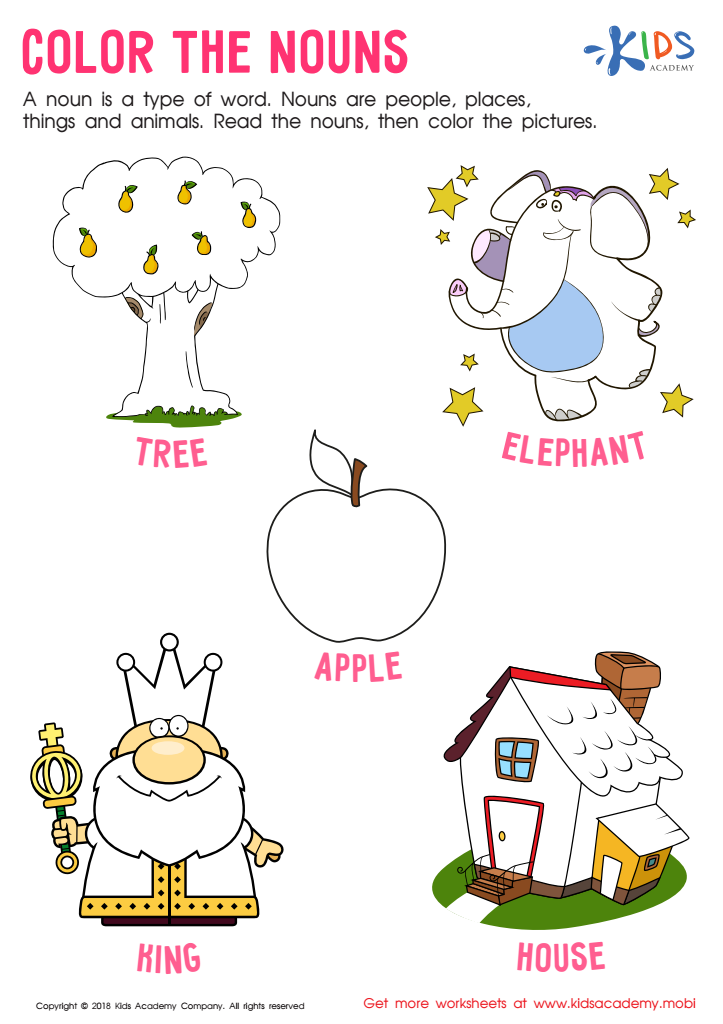
Color the Nouns Worksheet
Assign to My Students
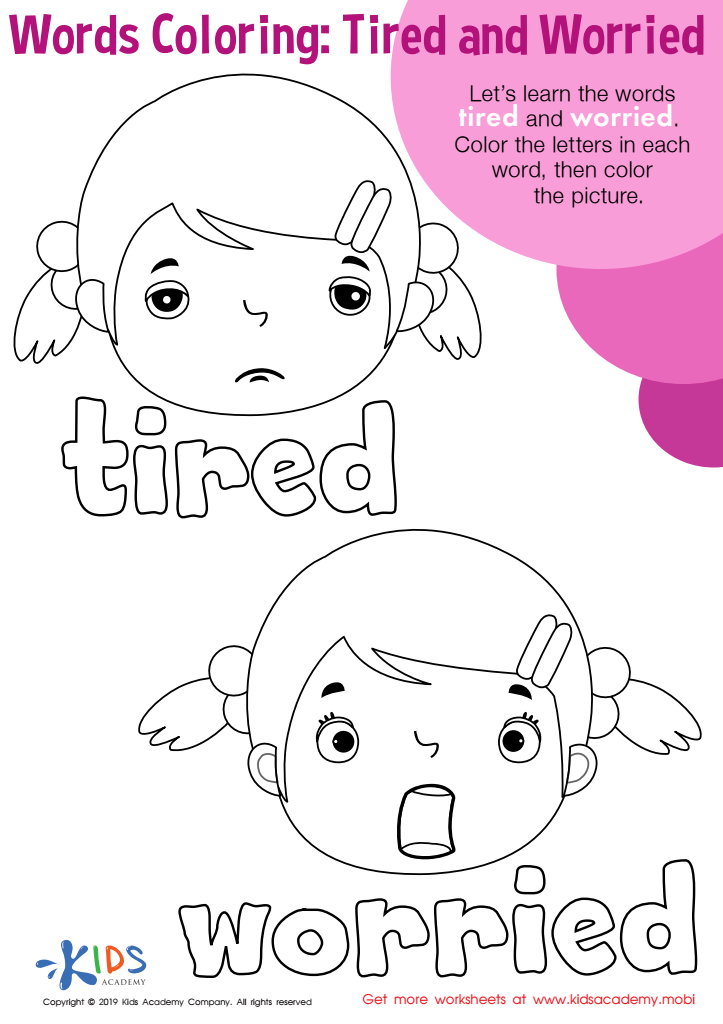
Tired and Worried Words Coloring Worksheet
Assign to My Students
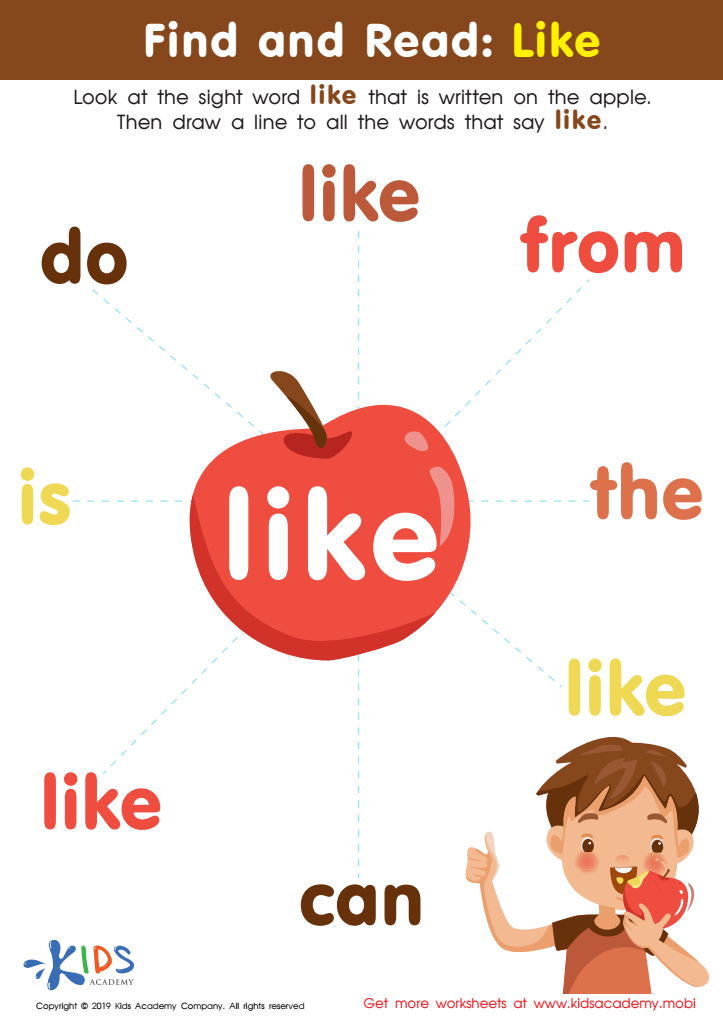
Find and Read: Like Worksheet







Word recognition is a critical skill for young children aged 3-6, forming the foundation for their reading proficiency and overall academic success. During these early developmental years, children are particularly receptive to language acquisition, making it an ideal time to introduce them to the building blocks of literacy through word recognition exercises.
By frequently engaging with words, children enhance their vocabulary, pronunciation, and understanding of sentence structures. This familiarity with words fosters confidence and encourages a positive attitude toward reading. Recognizing words quickly and accurately enables children to focus on comprehension rather than decoding, allowing them to absorb and enjoy stories and information.
Implementing easy word recognition activities tailored to this age group, such as alphabet games, flashcards, and interactive reading, supports cognitive development by stimulating memory and attention spans. Additionally, it strengthens fine motor skills through the physical act of writing or manipulating letters.
Parents and teachers should care about word recognition for early learners as it not only lays a strong groundwork for future reading and writing abilities but also contributes to better academic performance across subjects. Early mastery of word recognition instills a lifelong love of reading, critical thinking, and effective communication—essential skills for personal and academic growth.








