Subtraction practice Easy Addition & Subtraction Worksheets for Ages 3-6
24 filtered results
-
From - To
Welcome to our Subtraction Practice page, featuring easy addition and subtraction worksheets designed specifically for children aged 3-6. Our engaging worksheets provide a fun and interactive way for young learners to develop essential math skills. These activities incorporate bright visuals and relatable scenarios that make subtraction relatable and enjoyable. Children will build confidence as they practice basic subtraction concepts, enhancing their problem-solving abilities. Ideal for home or classroom use, our worksheets cater to various learning styles, ensuring that every child can thrive. Start your child's math journey today with our carefully crafted subtraction worksheets that lay the foundation for a lifelong love of learning!
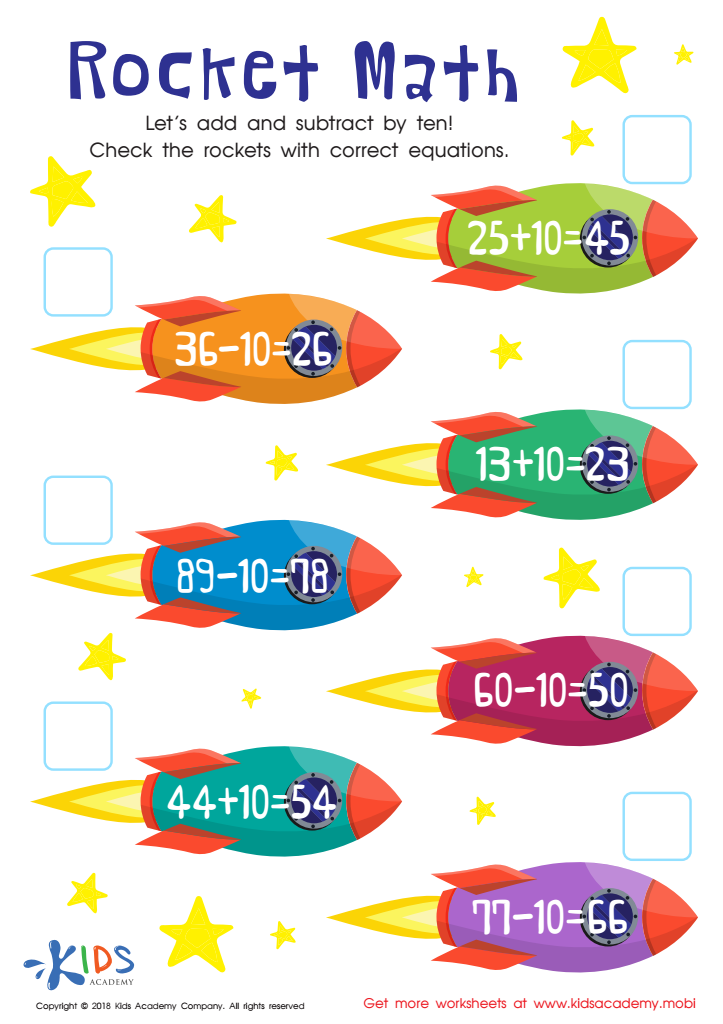
Rocket Math Worksheet
 Assign to My Students
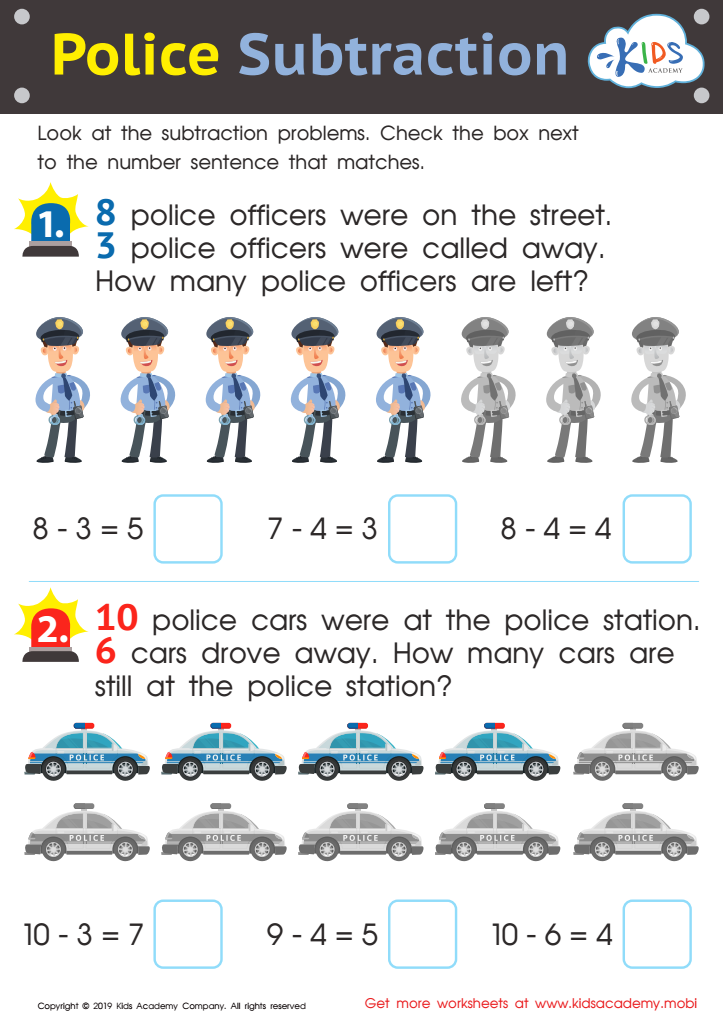
Police Subtraction Worksheet
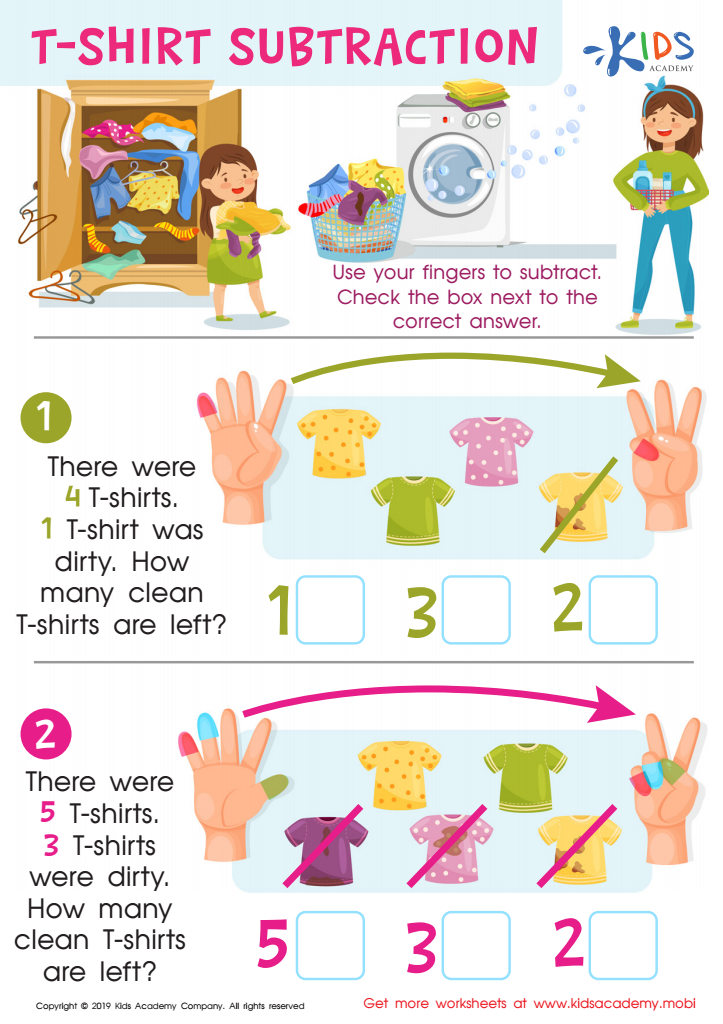
T-shirt Subtraction Worksheet
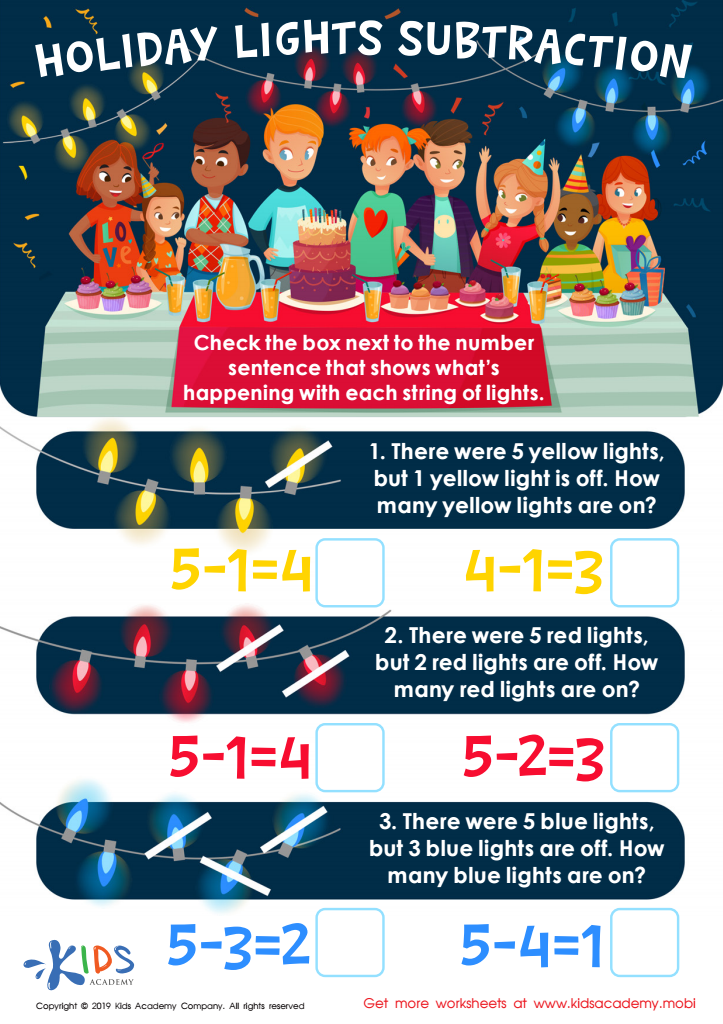
Holiday Lights Subtraction Worksheet
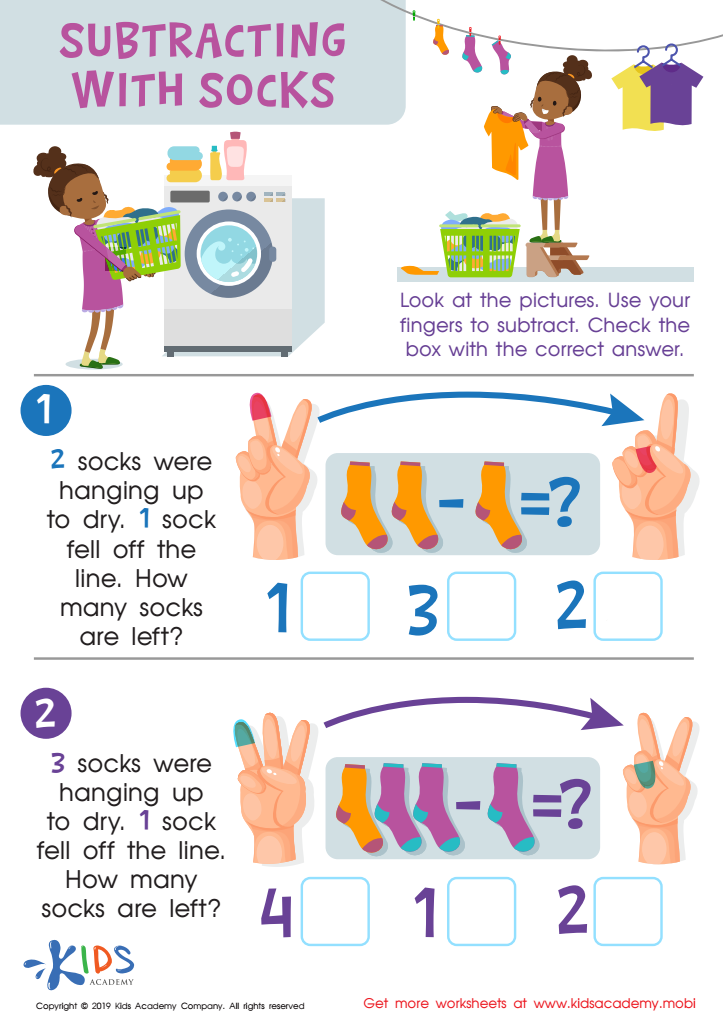
Subtracting Socks Worksheet
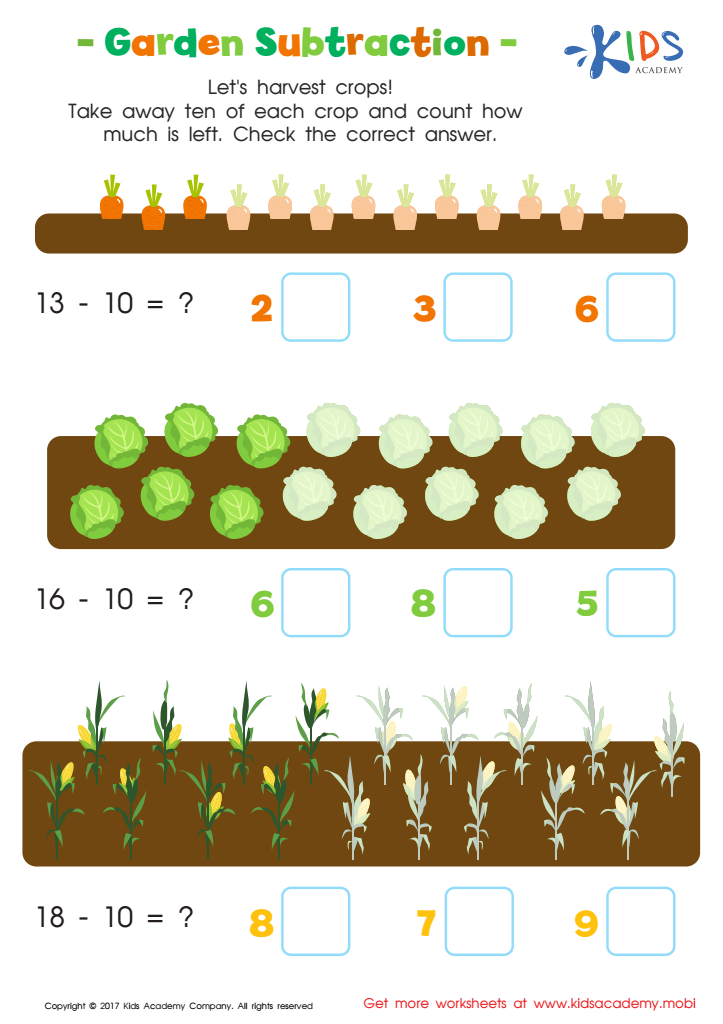
Garden Subtraction Worksheet
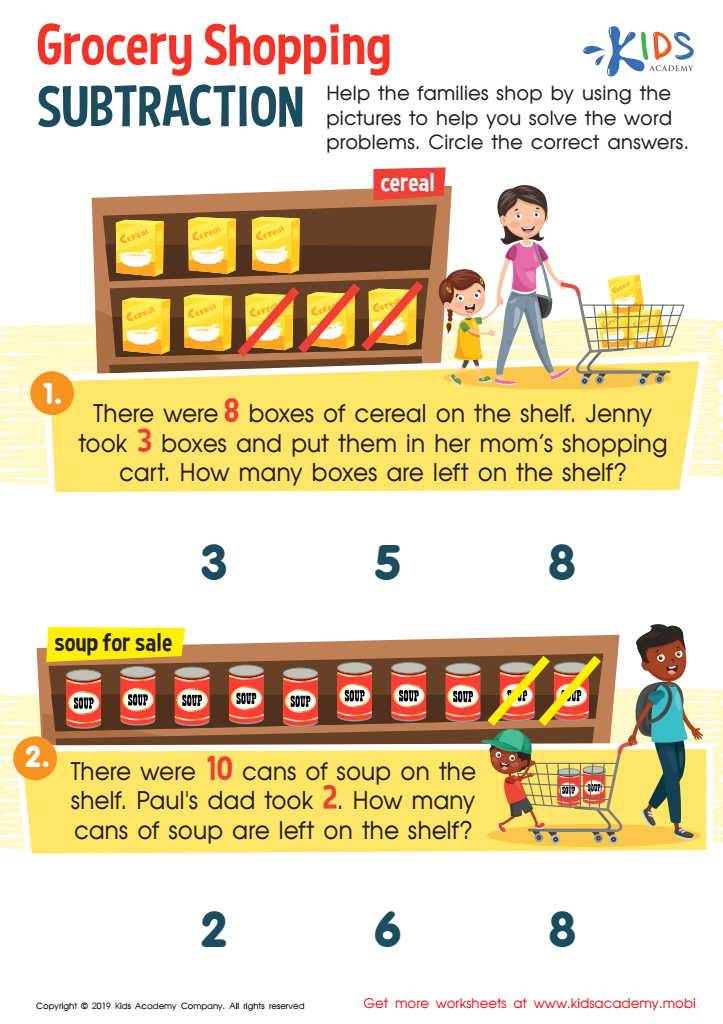
Grocery Shopping Subtraction Worksheet
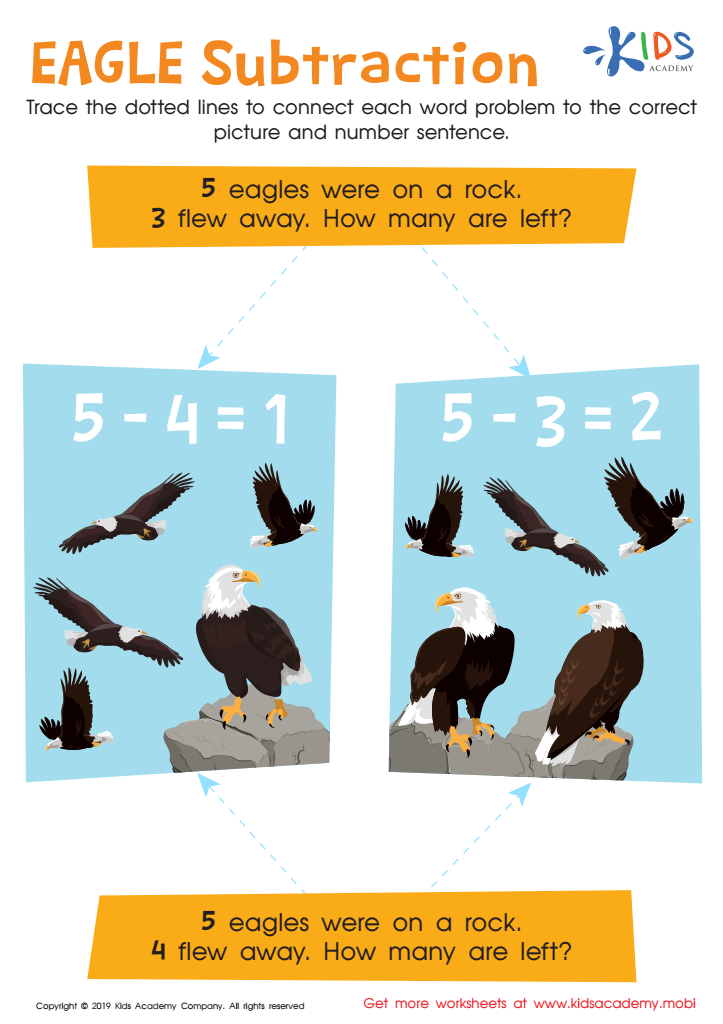
Eagle Subtraction Worksheet
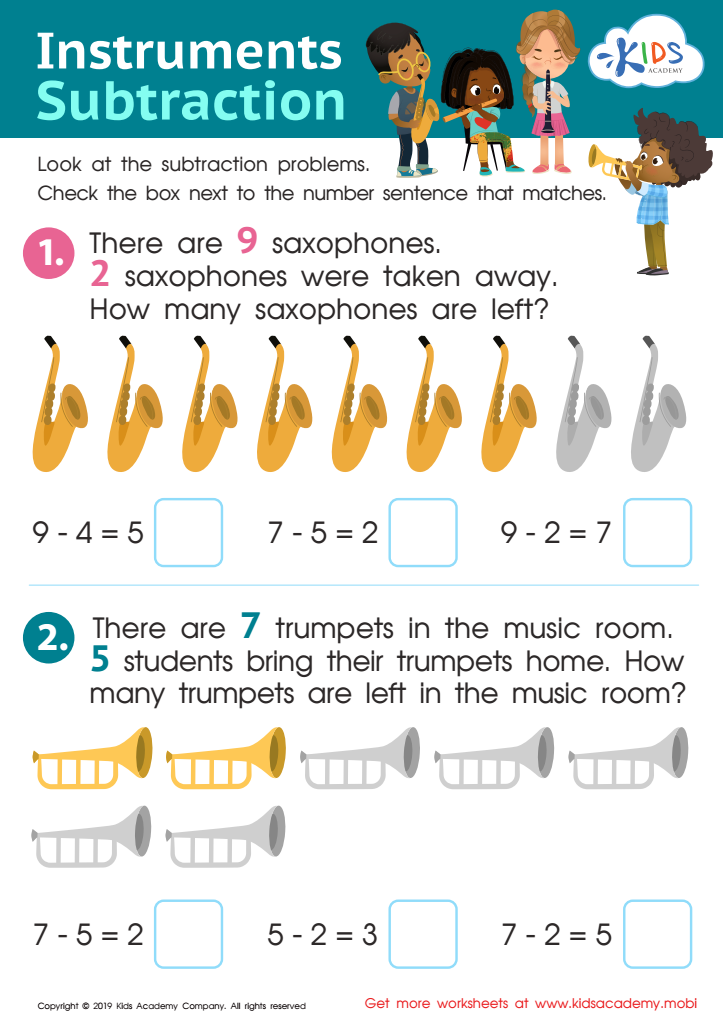
Instrument Subtraction Worksheet
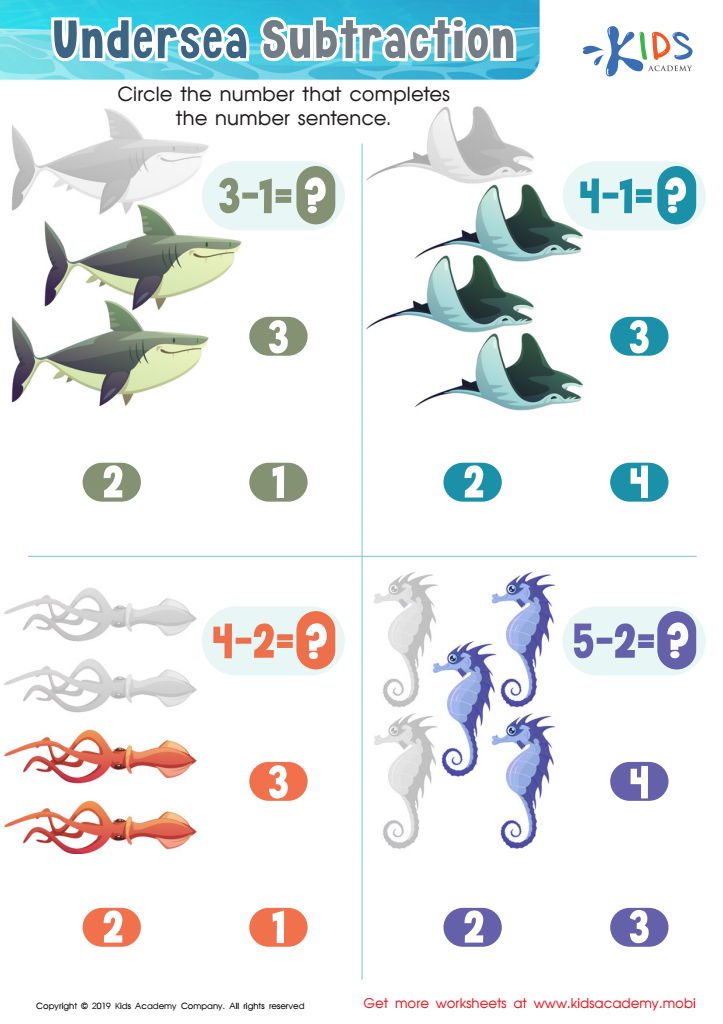
Undersea Subtraction Worksheet
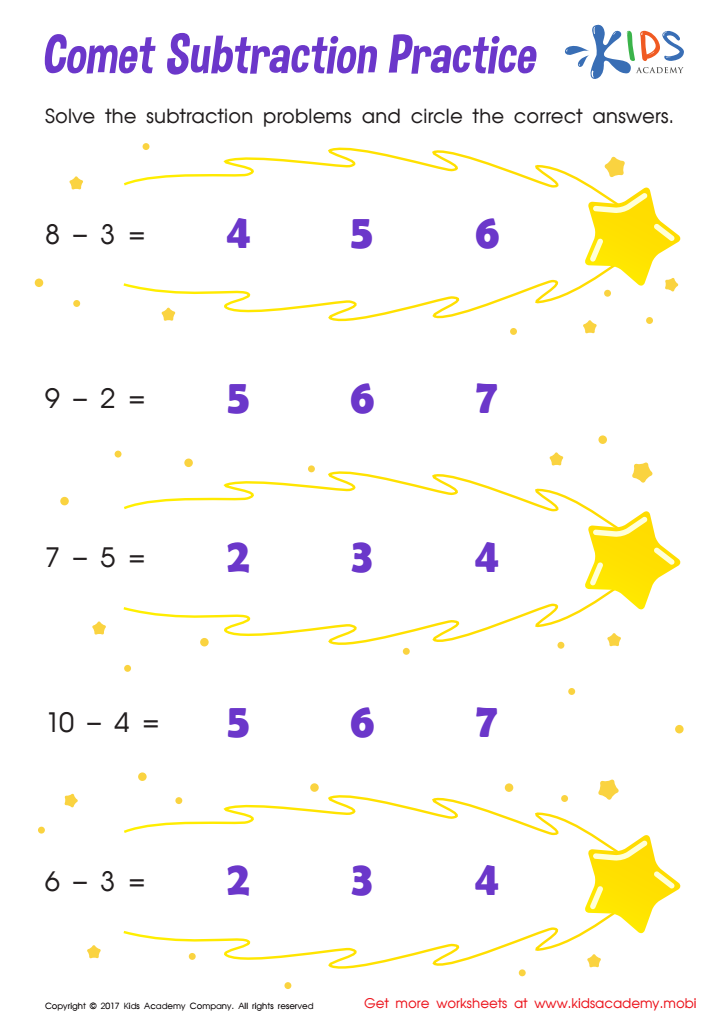
Comet Subtraction Practice Substraction Worksheet
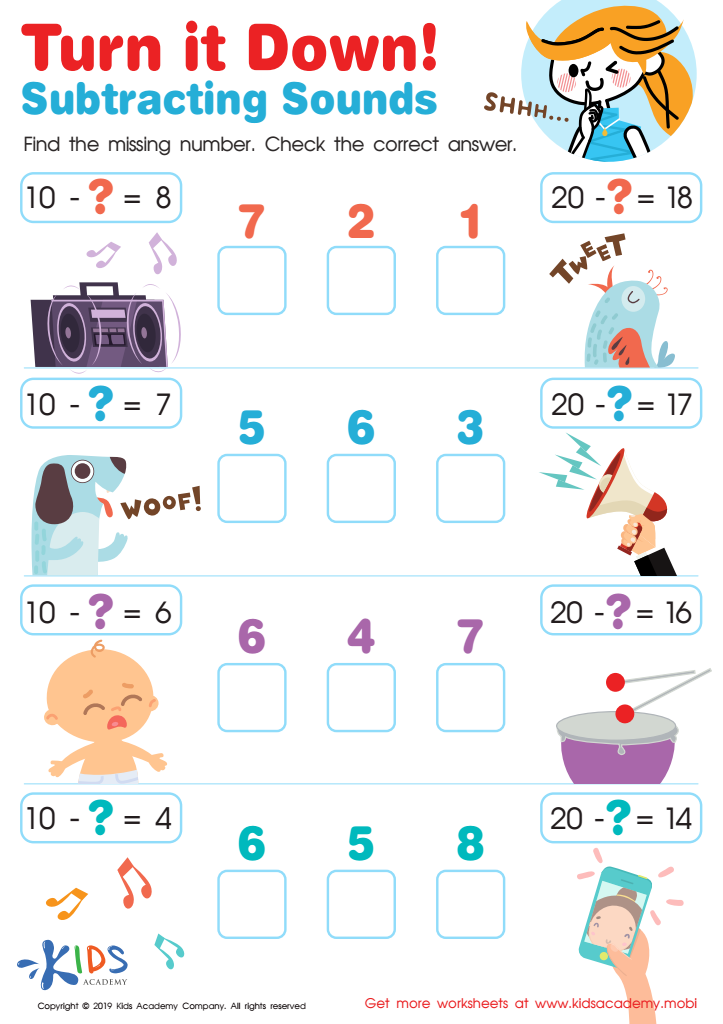
Turn It down! Subtracting Sounds Worksheet
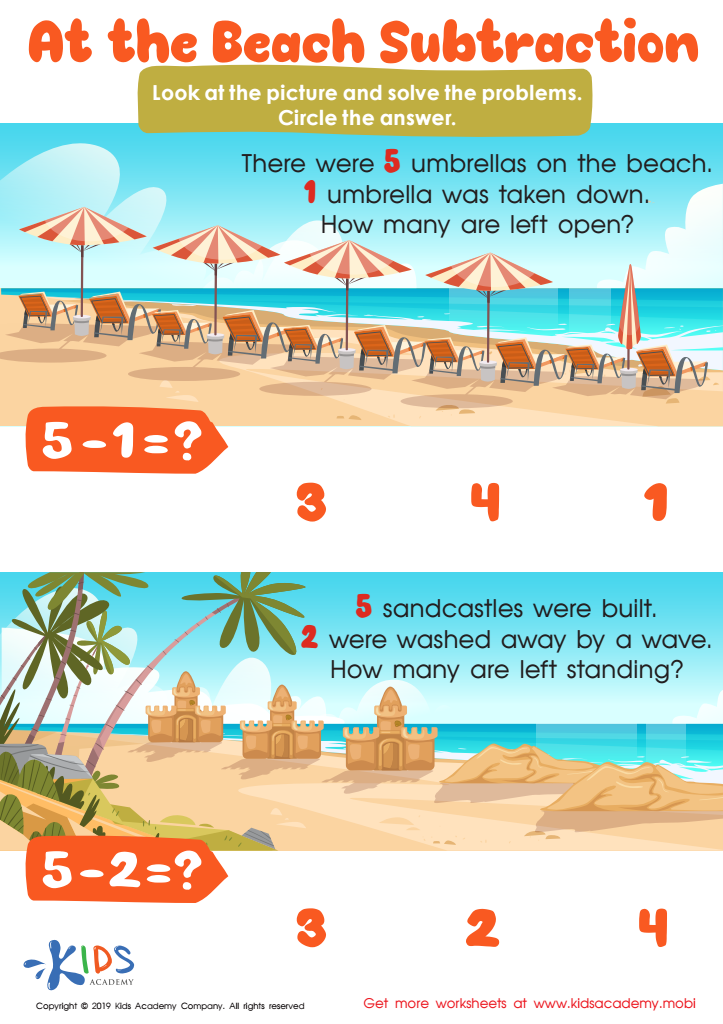
At the Beach Subtraction Worksheet
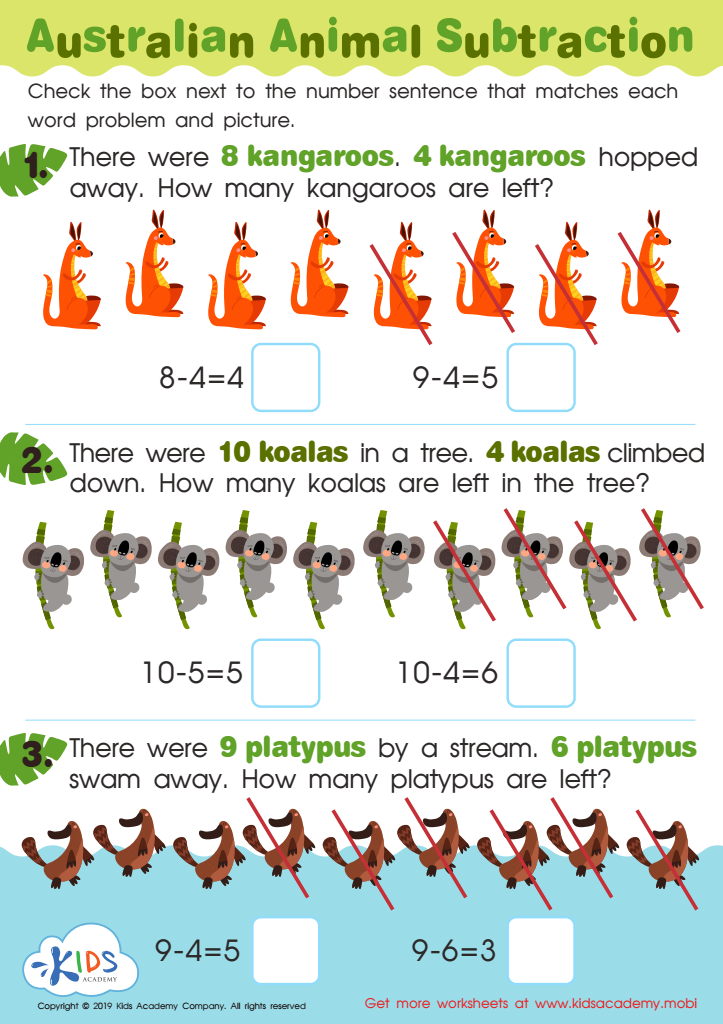
Australian Animal Subtraction Worksheet
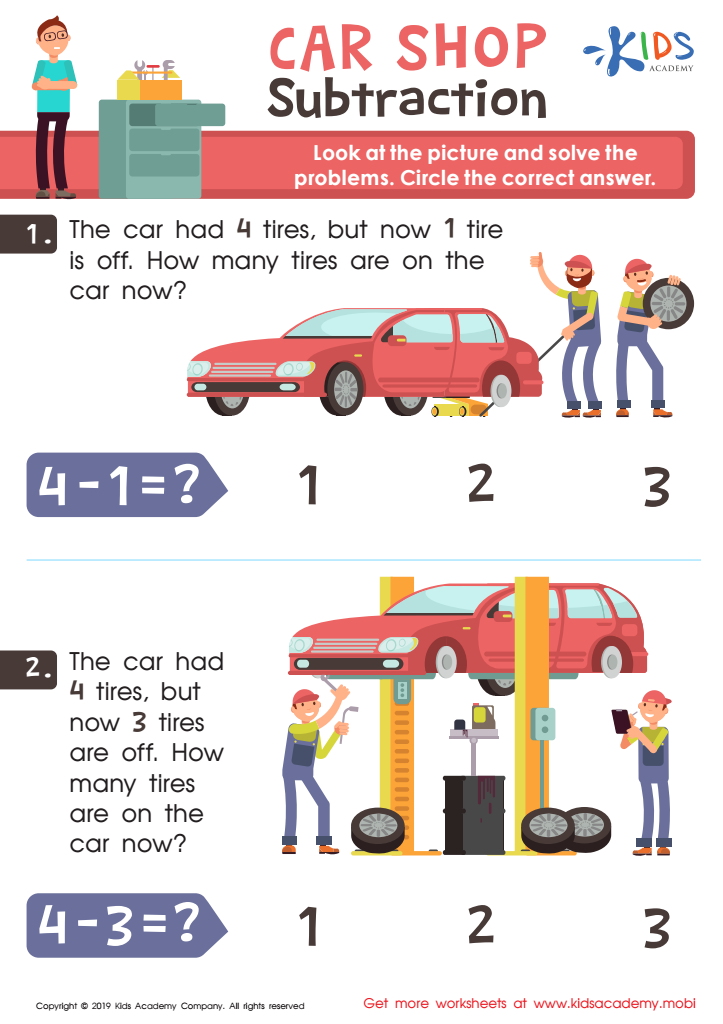
Car Shop Subtraction Worksheet
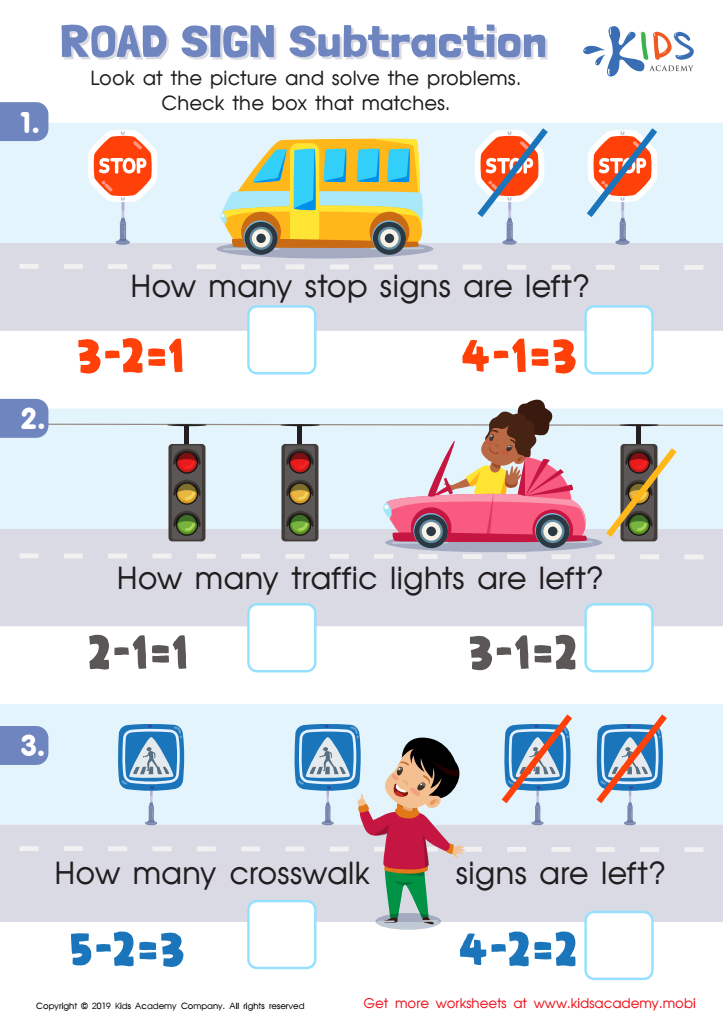
Road Sign Subtraction Worksheet
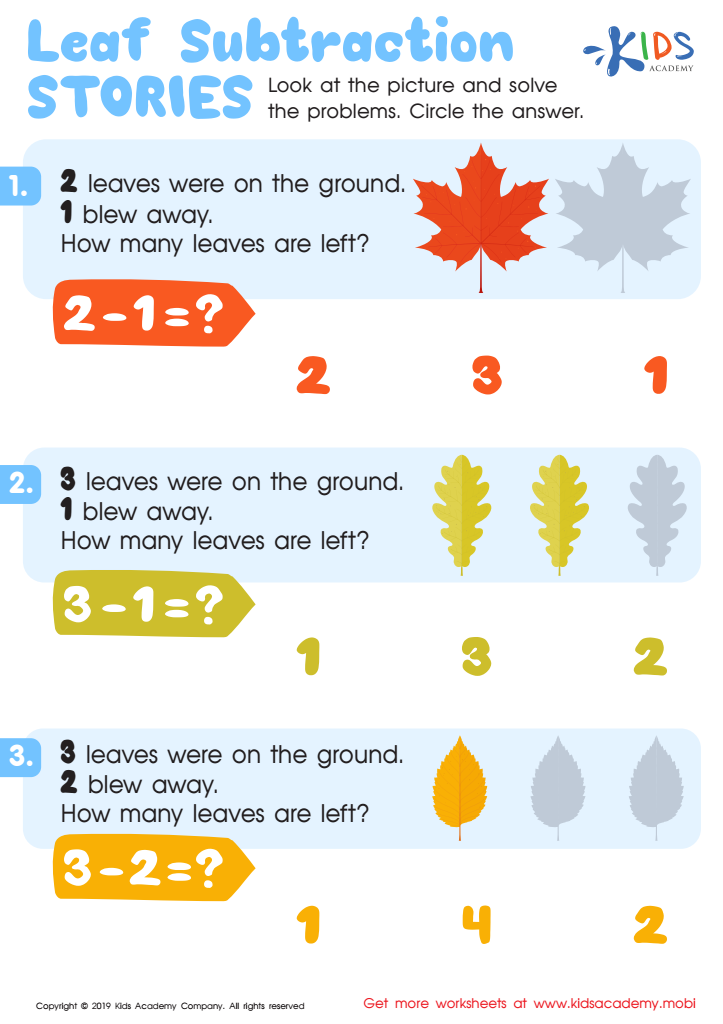
Leaf Subtraction Stories Worksheet
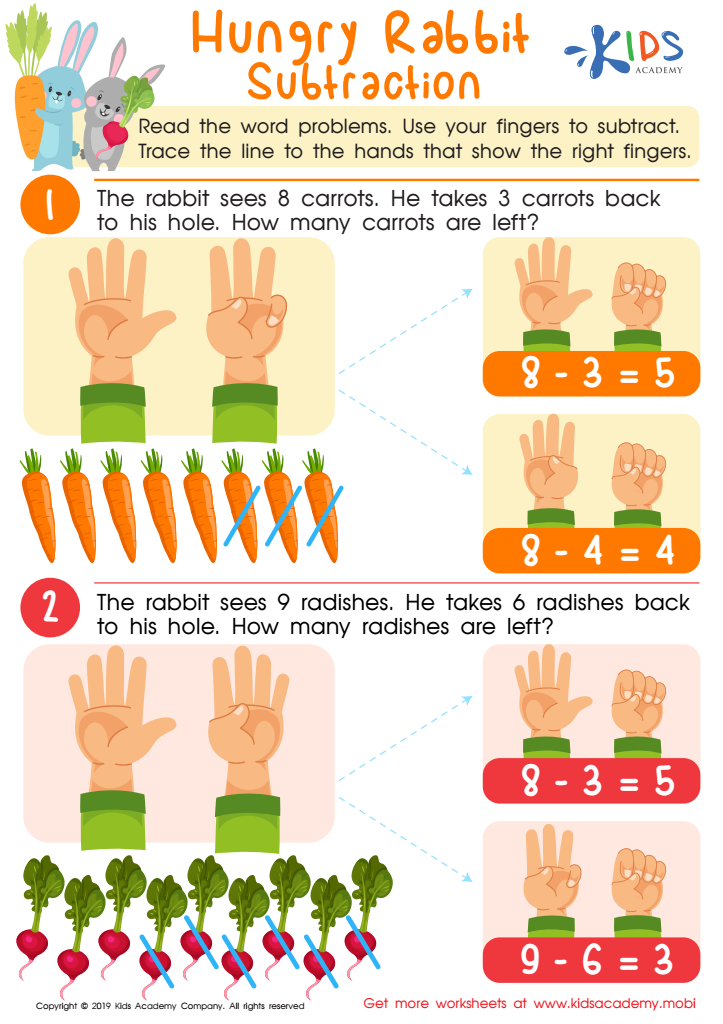
Hungry Rabbit Subtraction Worksheet
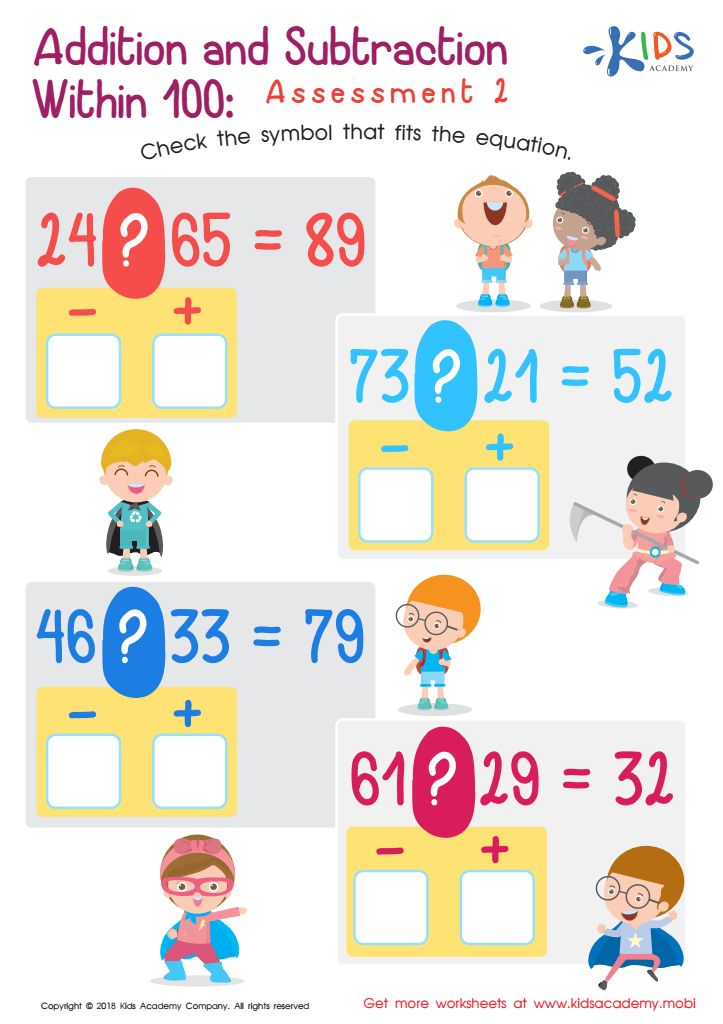
Addition and Subtraction Within 1: Assessment 2 Worksheet
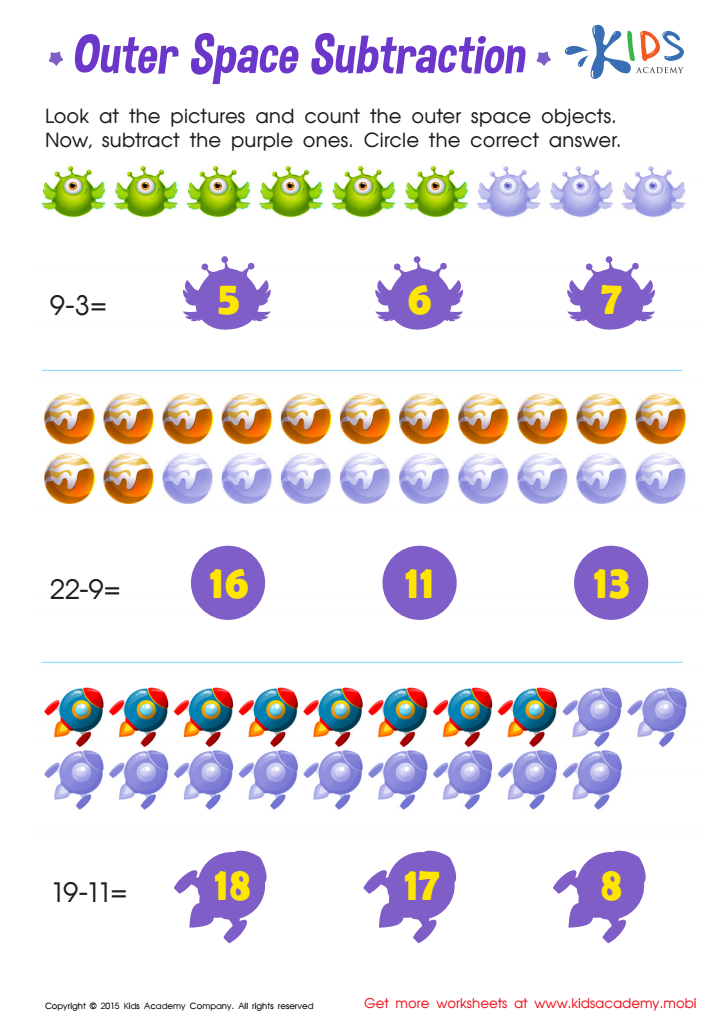
Outer Space Substraction Worksheet
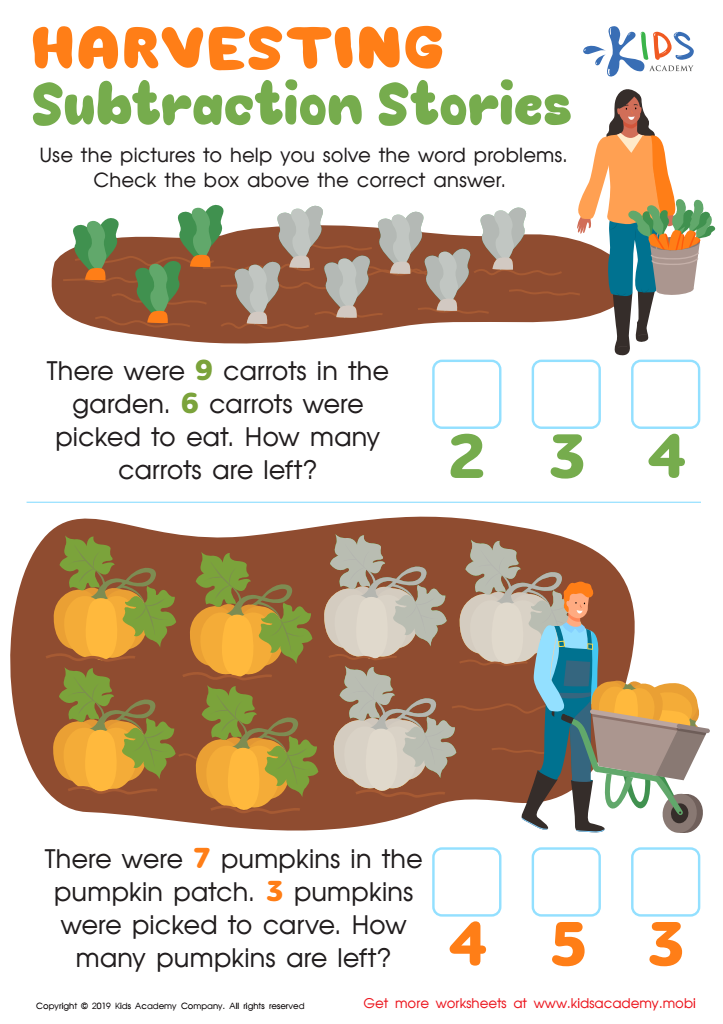
Harvesting Subtraction Stories Worksheet
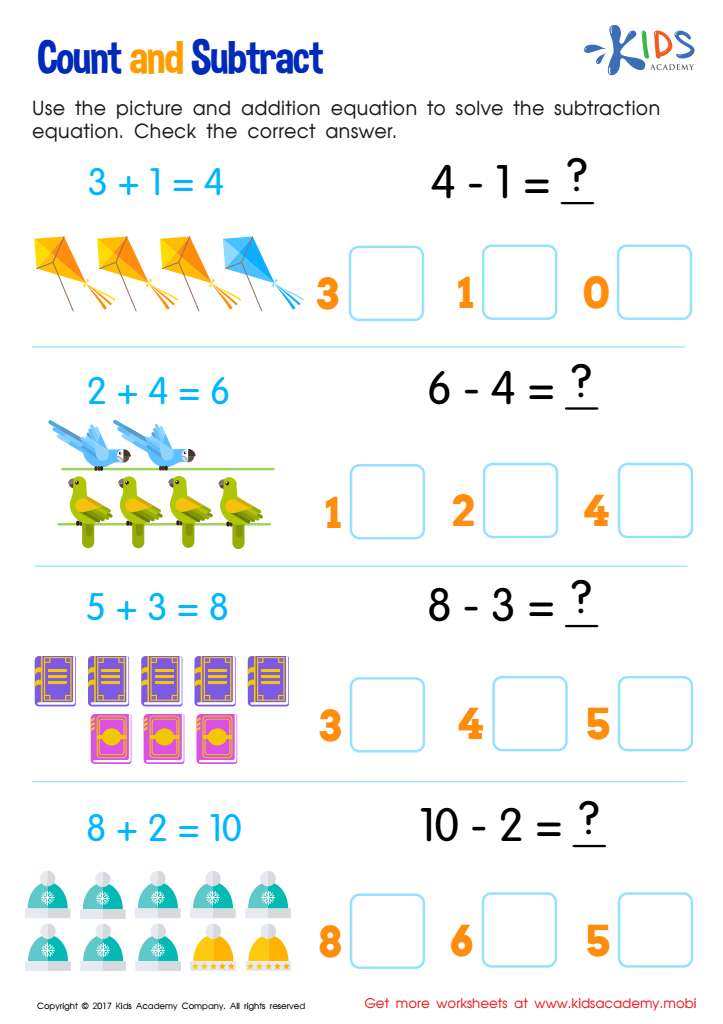
Count and Subtract Worksheet
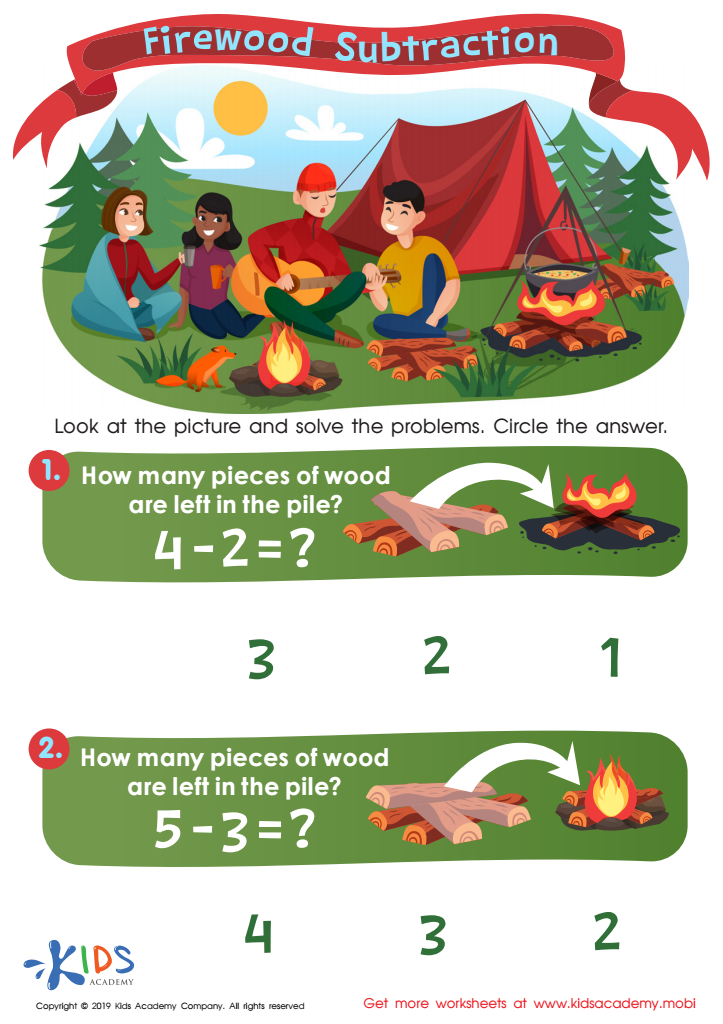
Firewood Subtraction Worksheet
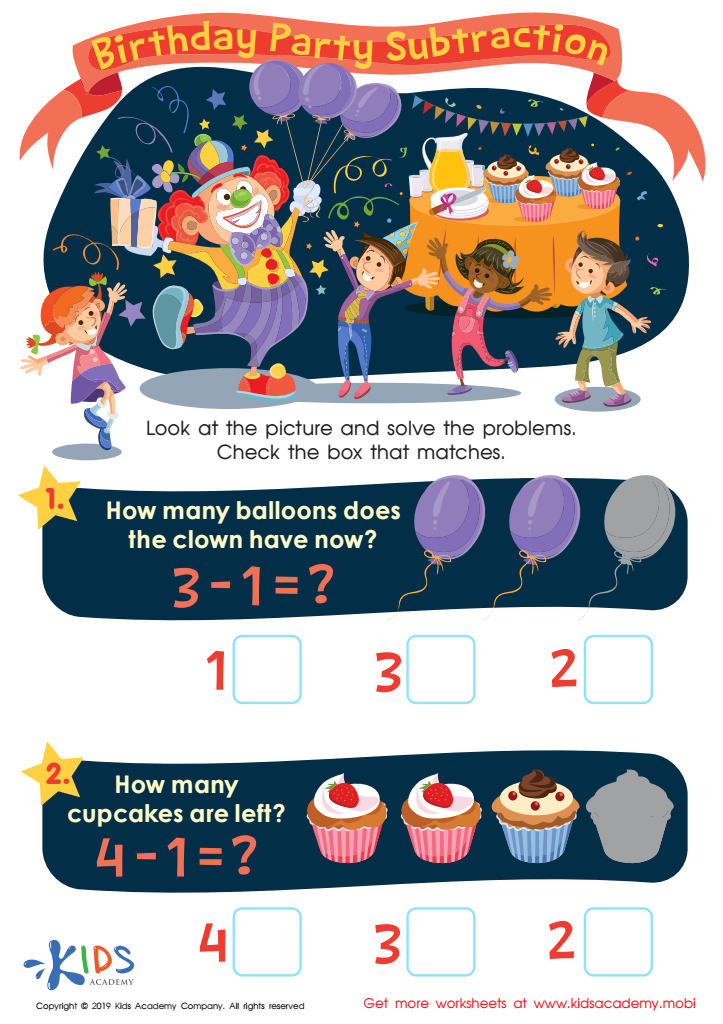
Birthday Party Subtraction Worksheet








Parents and teachers should prioritize easy addition and subtraction practice for children aged 3-6 because these foundational skills form the bedrock of math literacy and critical thinking. Mastering basic arithmetic helps young learners confidently engage with more complex concepts later in their educational journey.
Firstly, early exposure to subtraction and addition promotes cognitive development by enhancing problem-solving skills and logical thinking. Children learn to recognize patterns, make connections, and understand relationships between numbers through simple arithmetic operations. Moreover, such skills are not limited to mathematics but interlace with daily activities, helping children solve real-life problems related to counting, sharing, and organizing.
Secondly, developing these skills in early childhood contributes to fostering a positive attitude towards learning. When subtraction practice is simple and engaging, it can instill a sense of achievement and motivate children to tackle challenges without anxiety. Furthermore, practicing these operations boosts their confidence, leading to a more profound love for learning as they progress through their educational path.
Overall, engaging children in easy addition and subtraction practice contributes significantly to their emotional, cognitive, and social growth, equipping them with essential tools for lifelong learning.








