Counting skills Easy Numbers Worksheets for Ages 3-6 - Page 3
59 filtered results
-
From - To
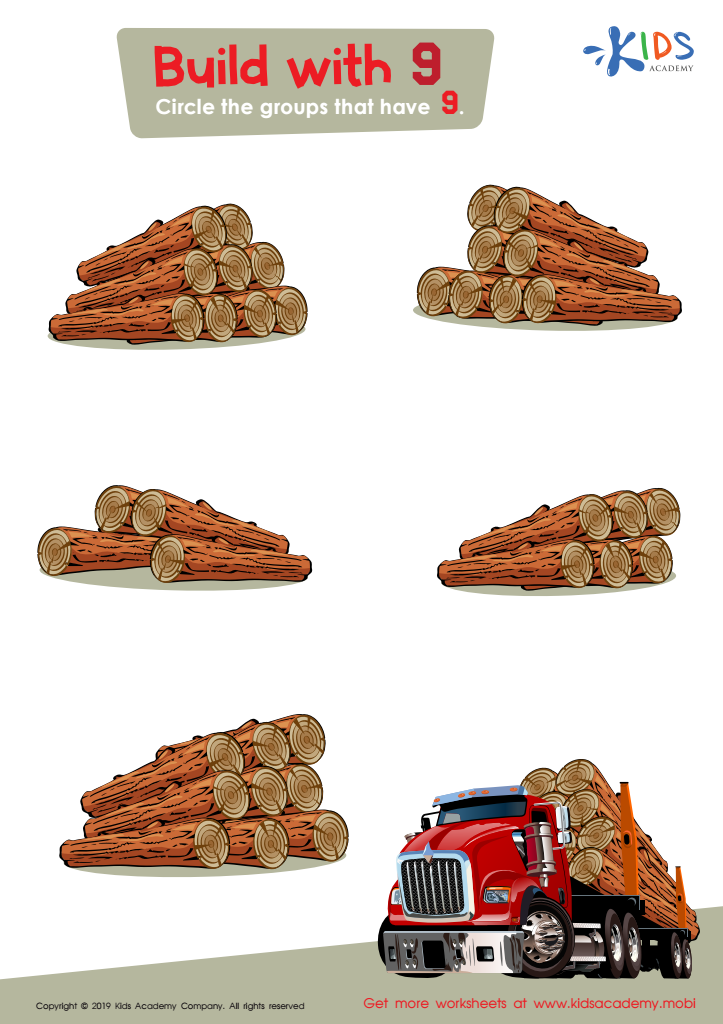
Build with 9 Worksheet
 Assign to My Students
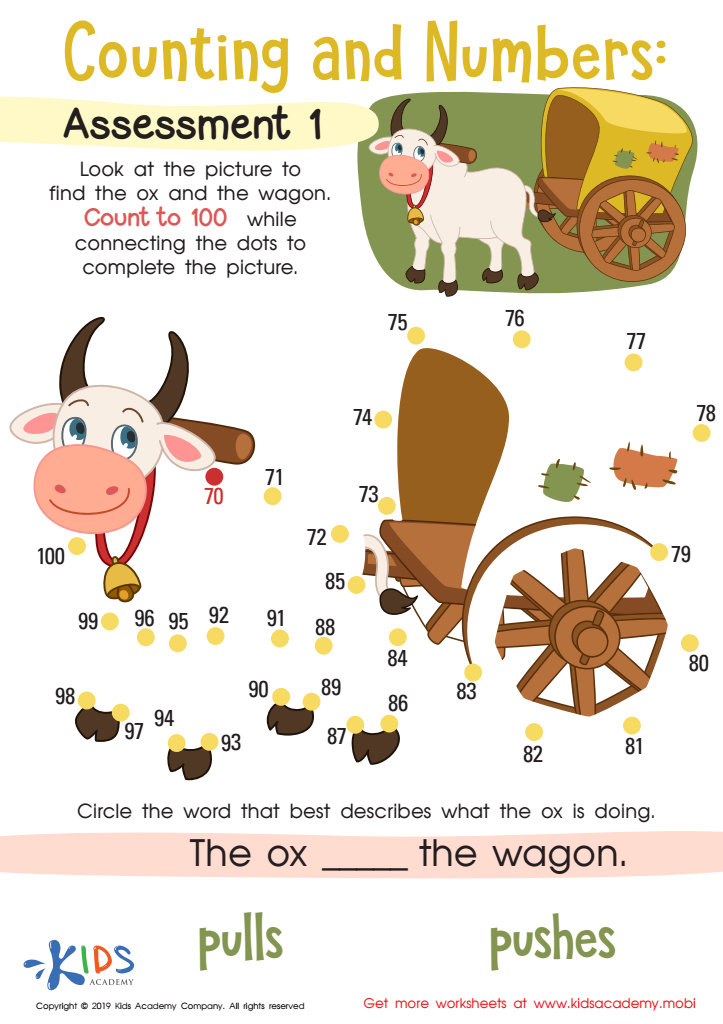
Counting and Numbers: Assessment 1 Worksheet
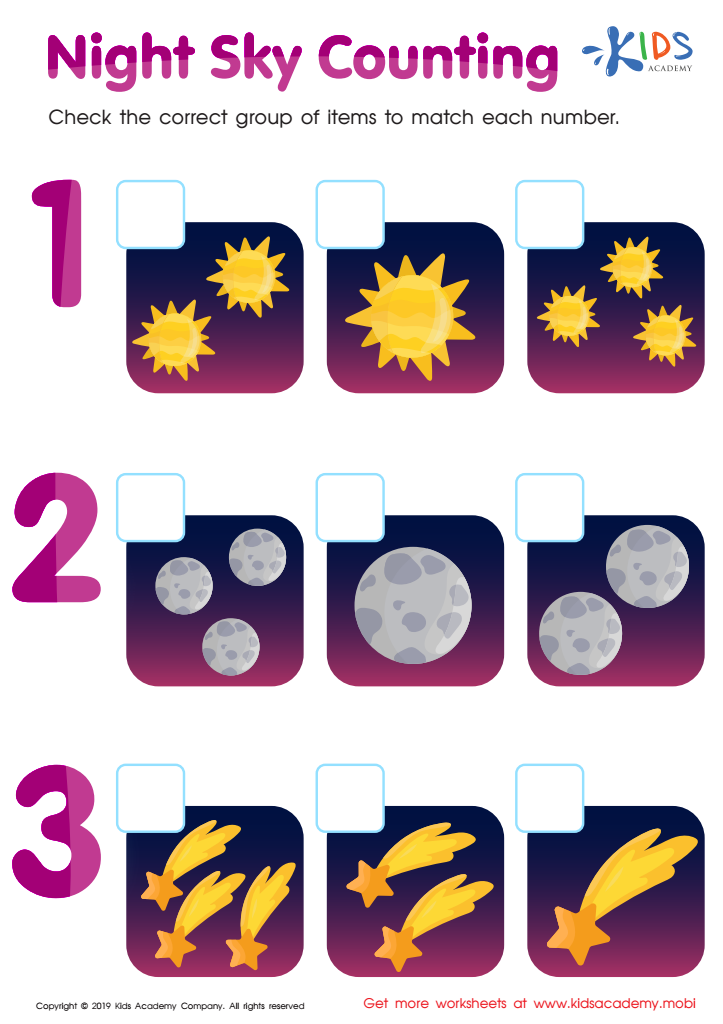
Night Sky Counting Worksheet
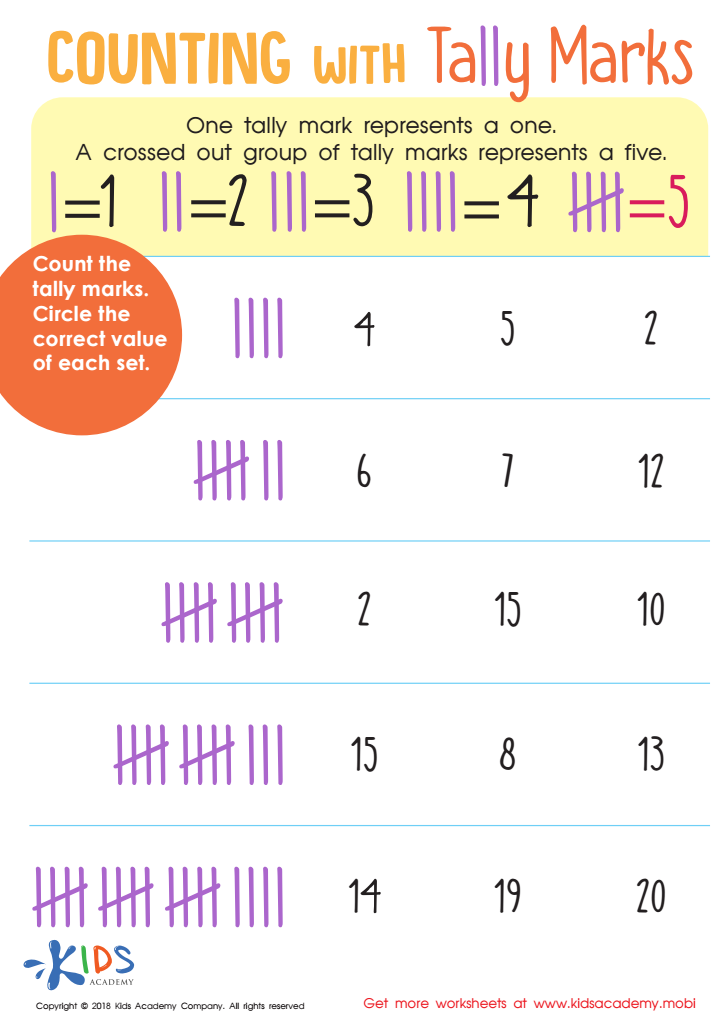
Counting with Tally Marks Worksheet
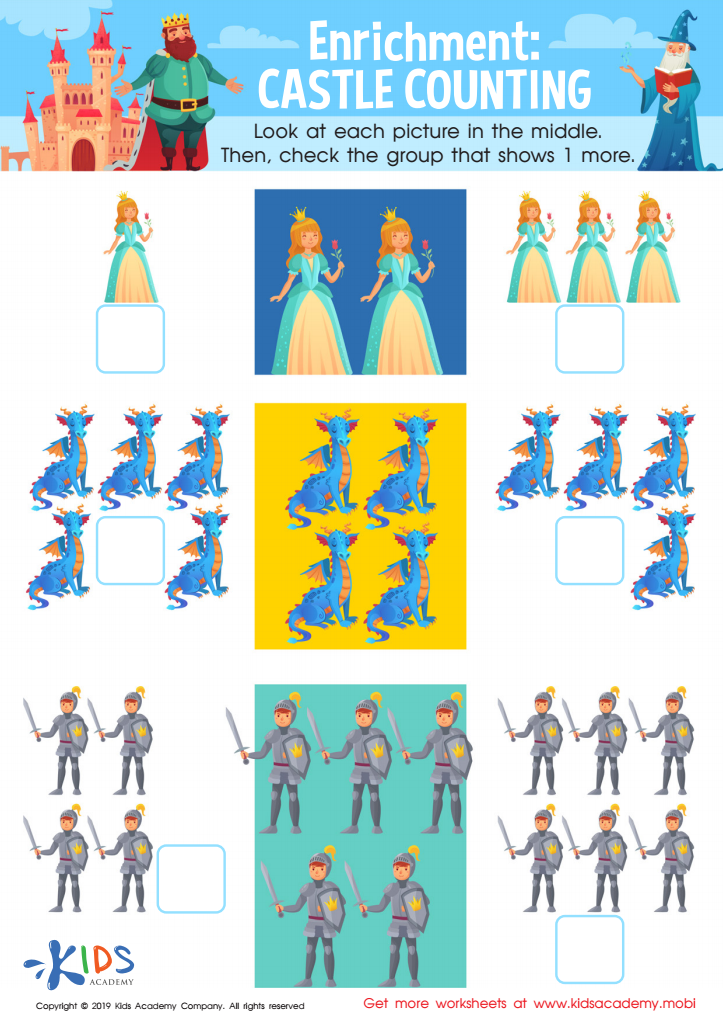
Enrichment: Castle Counting Worksheet
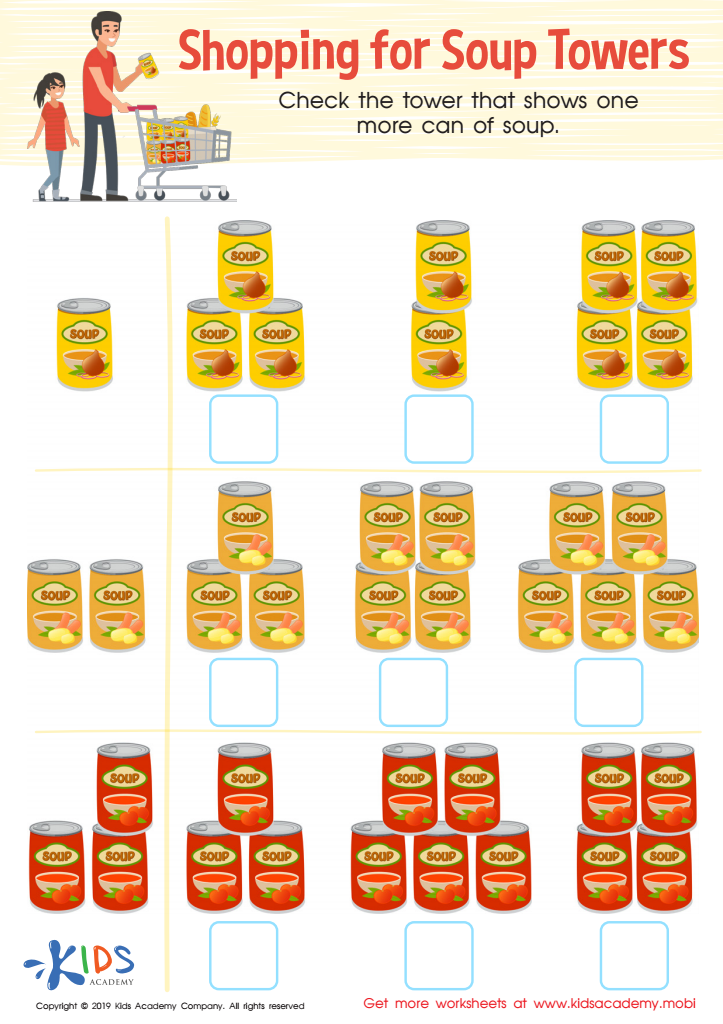
Soup Towers Worksheet
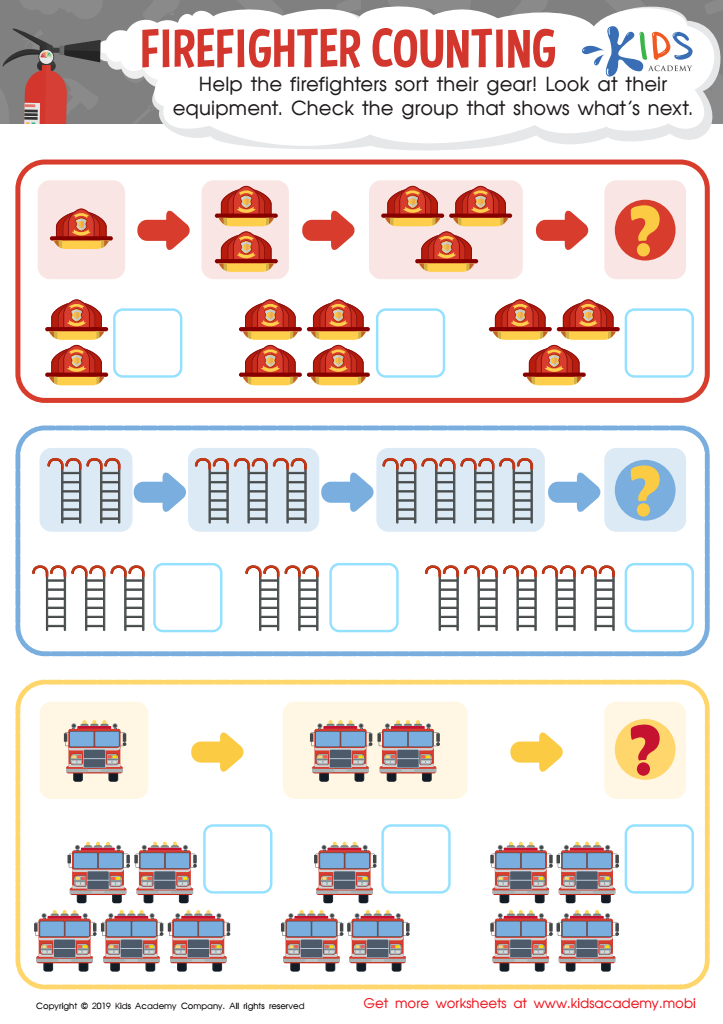
Firefighter Counting Worksheet
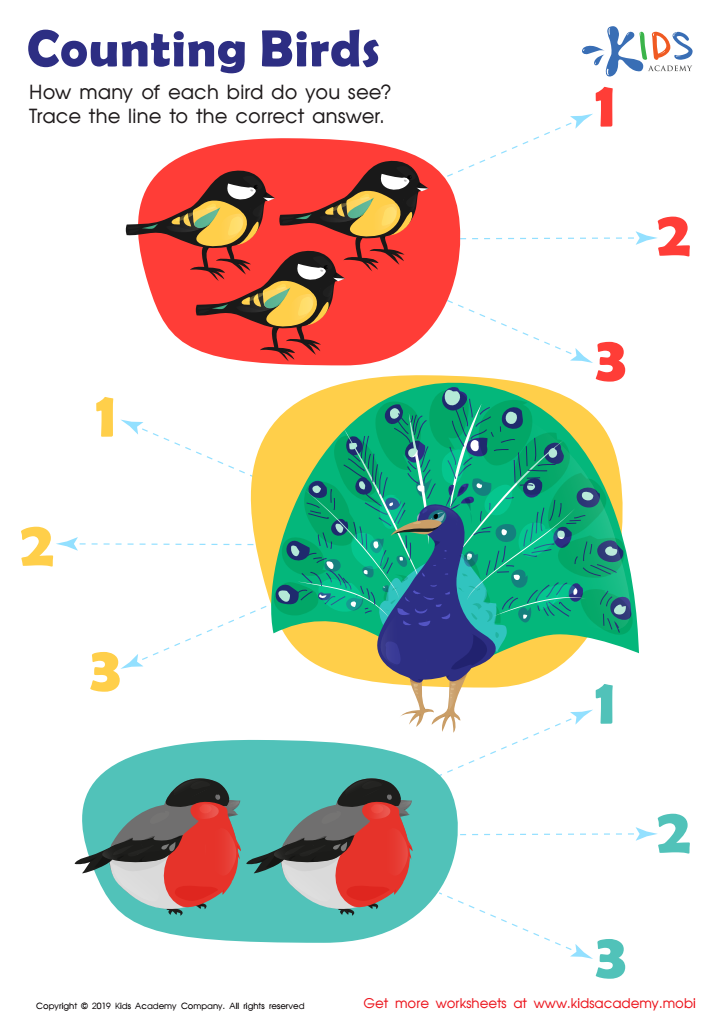
Counting Birds Worksheet
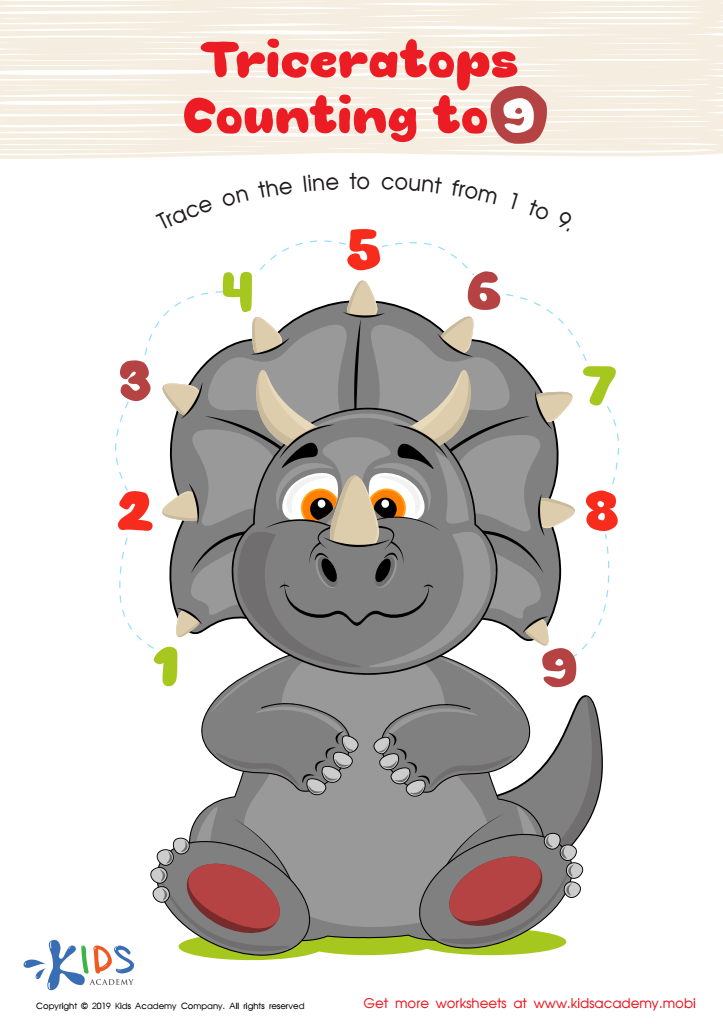
Triceratops Counting to 9 Worksheet
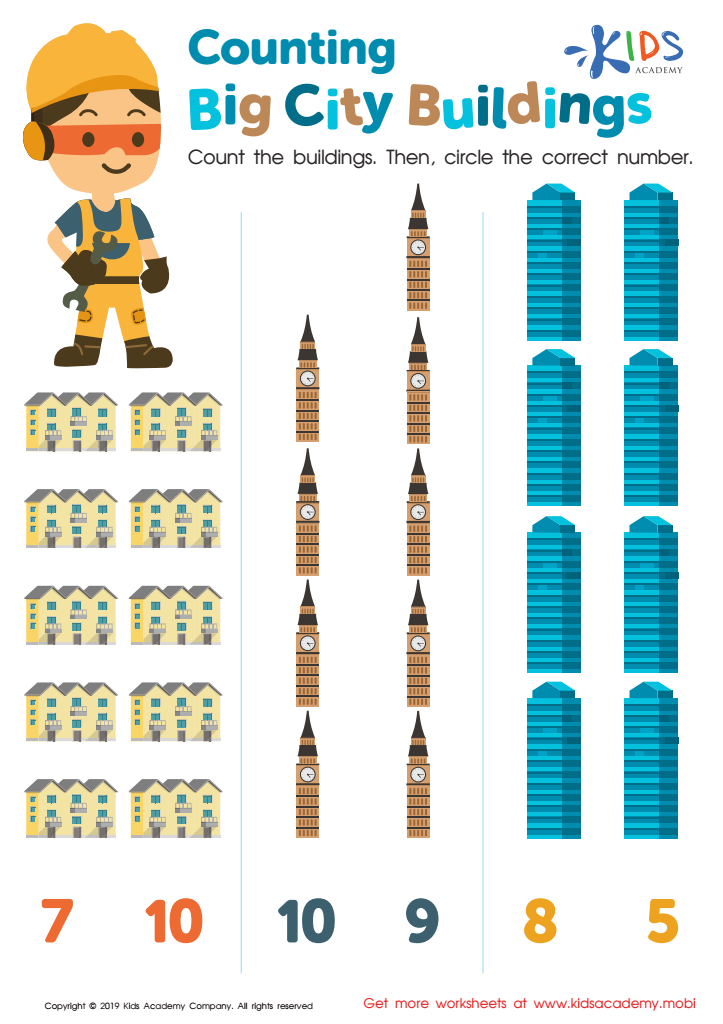
Counting Big City Buildings Worksheet
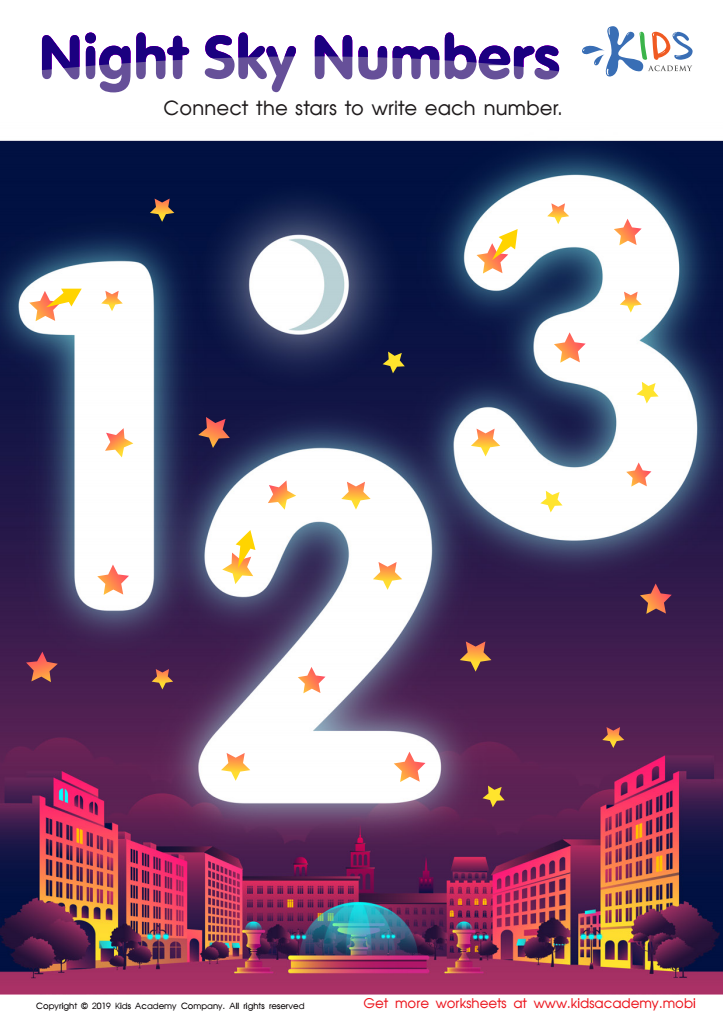
Night Sky Numbers Worksheet








Counting skills are foundational to early mathematics and essential for a child's cognitive development. For ages 3-6, these skills lay the groundwork for future academic success in mathematics and problem-solving. Parents and teachers should care about counting skills because they serve as a bridge to understanding more complex concepts such as addition, subtraction, and even basic geometry.
At this stage, children learn through play and hands-on experiences. Introducing counting in engaging ways, such as through songs, games, and everyday activities, makes learning enjoyable and memorable. It helps them develop number recognition, the ability to compare quantities, and a basic understanding of the relationships between numbers.
Additionally, counting skills contribute to a child’s confidence and self-esteem. Mastering these skills provides a sense of accomplishment, encouraging positive attitudes towards math. Moreover, they aid in developing critical thinking and logical reasoning, as children learn to make connections and solve problems.
Teaching counting skills also fosters social skills, as kids often engage collaboratively during counting games. By prioritizing counting in early education, parents and teachers equip children with vital tools for their academic journey, helping to create a strong foundation for lifelong learning.








