Problem-Solving Skills Easy Math Worksheets for Ages 3-6 - Page 2
35 filtered results
-
From - To
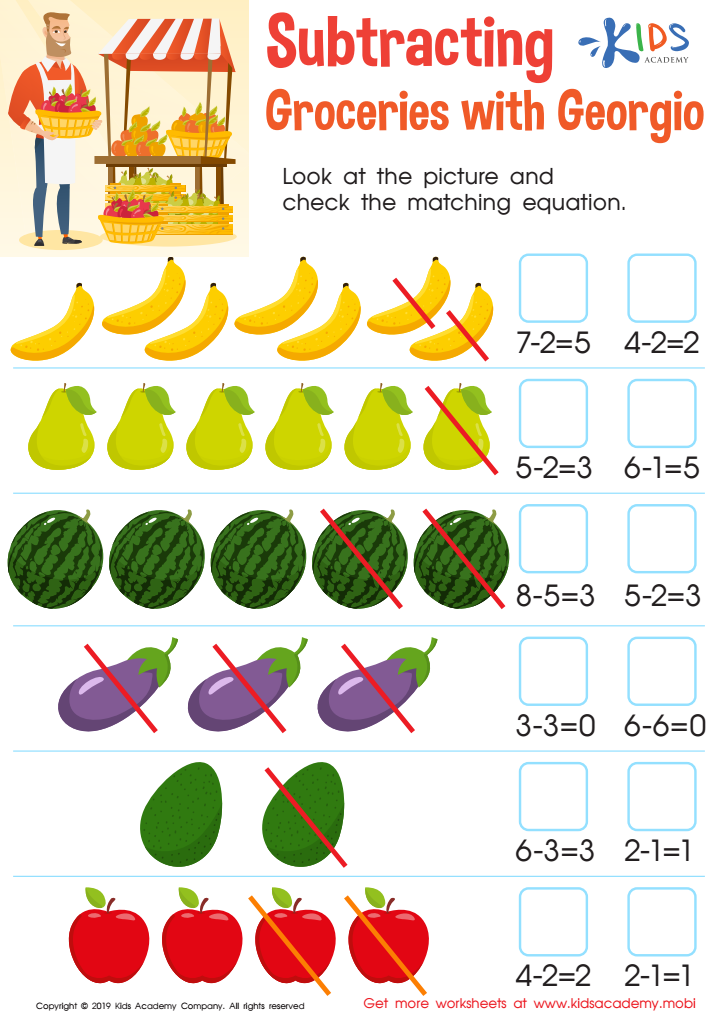
Subtracting: Groceries with Georgio Worksheet
 Assign to My Students
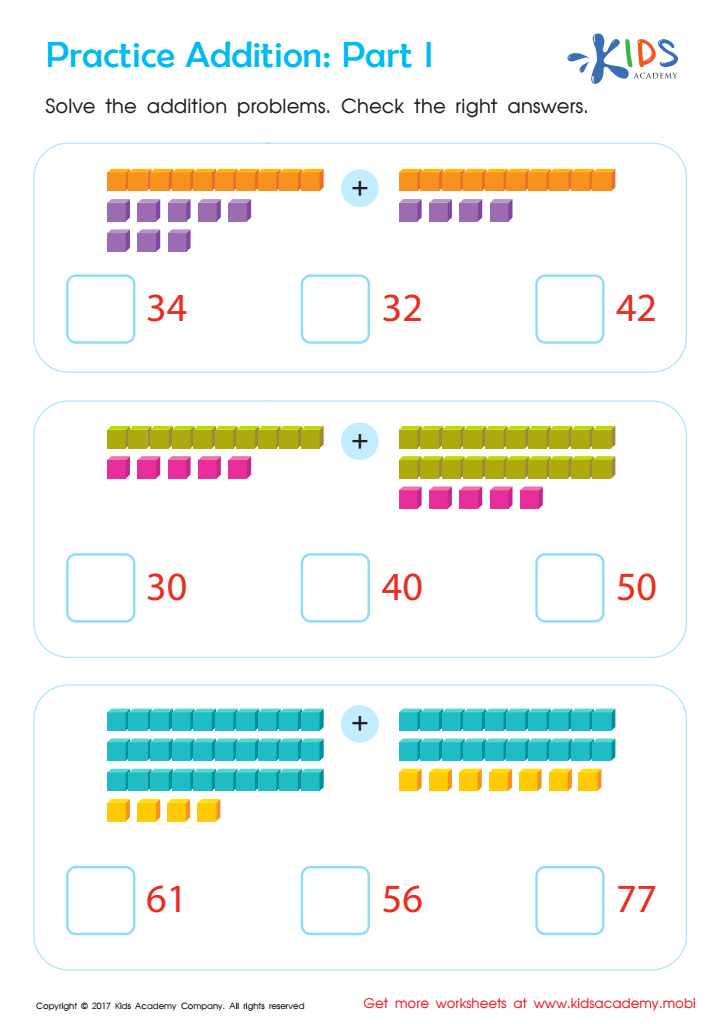
Practice Addition: Part 1 Worksheet
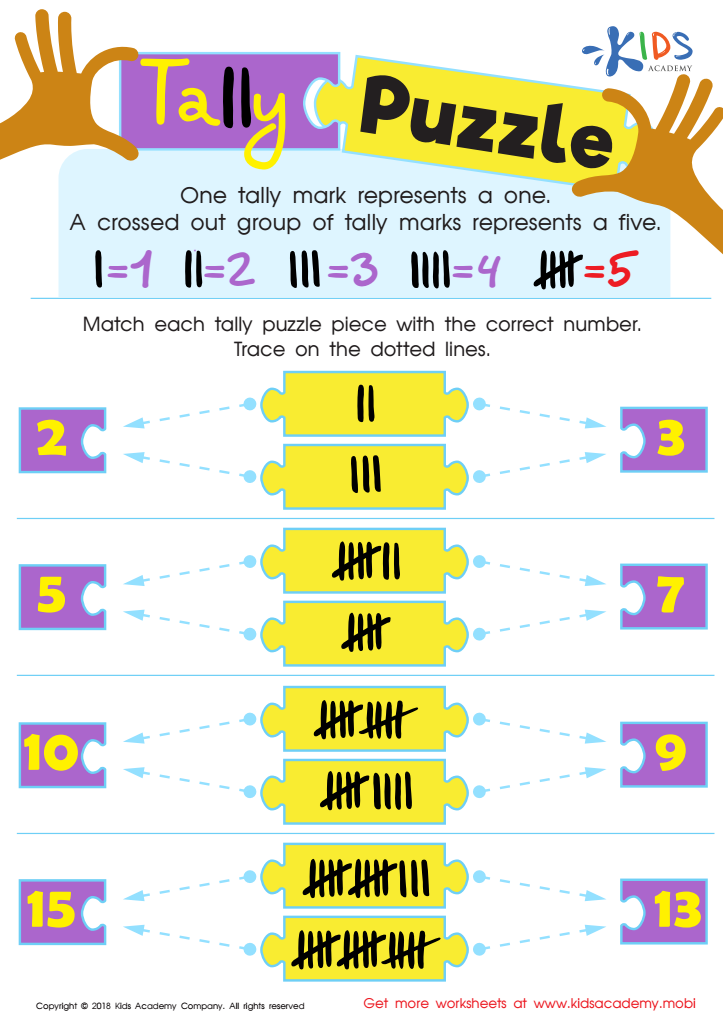
Tally Puzzle Worksheet
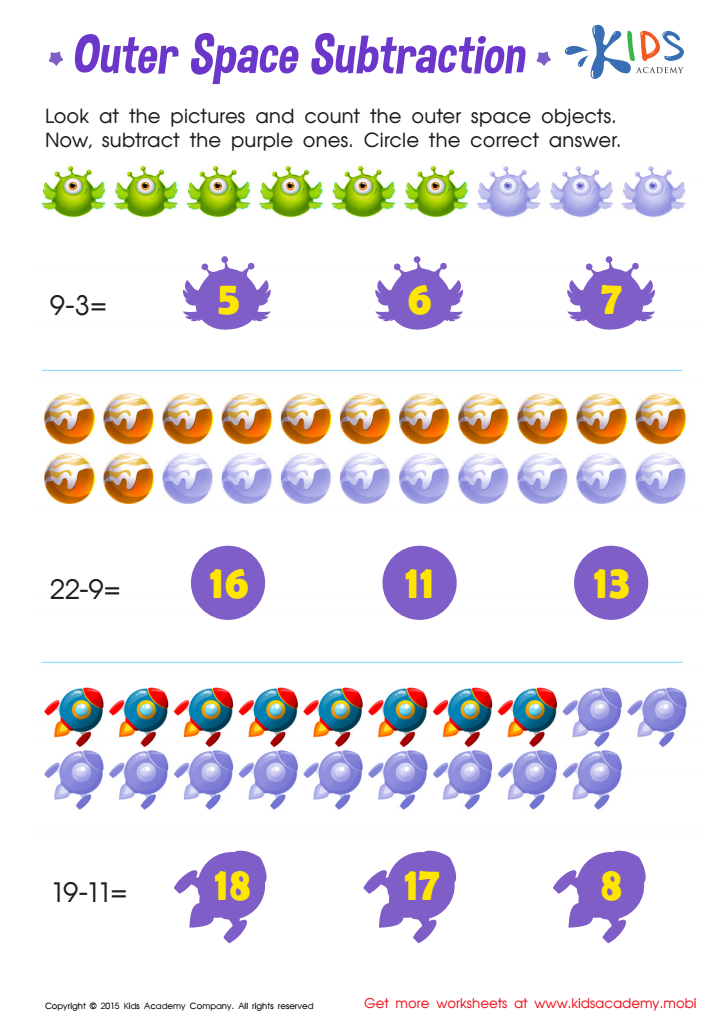
Outer Space Substraction Worksheet
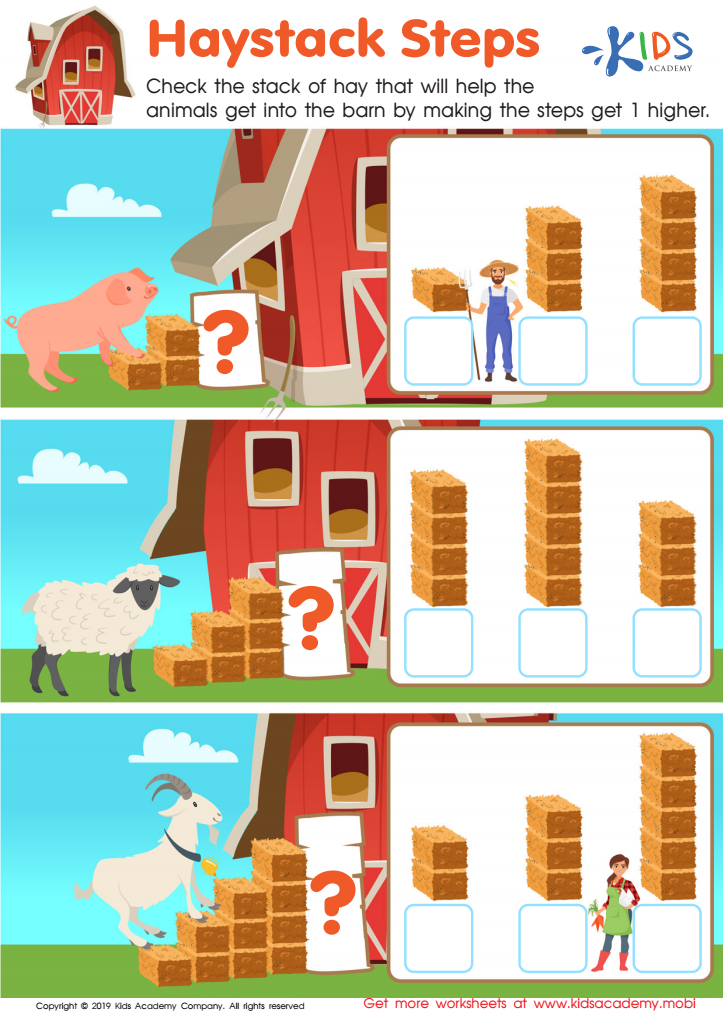
Haystack Steps Worksheet
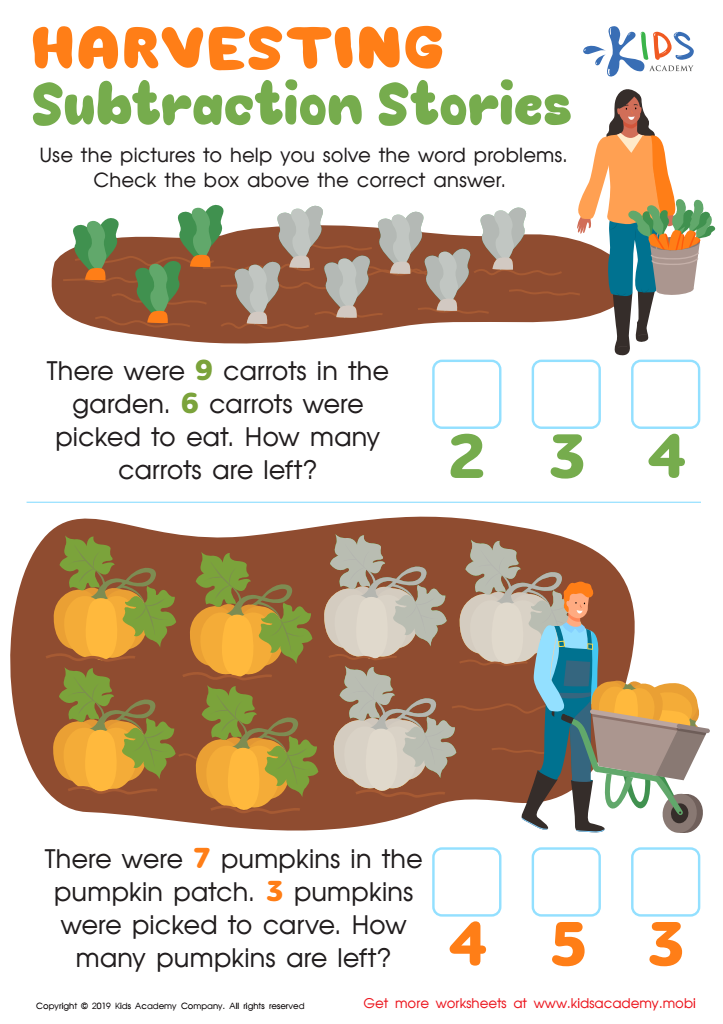
Harvesting Subtraction Stories Worksheet
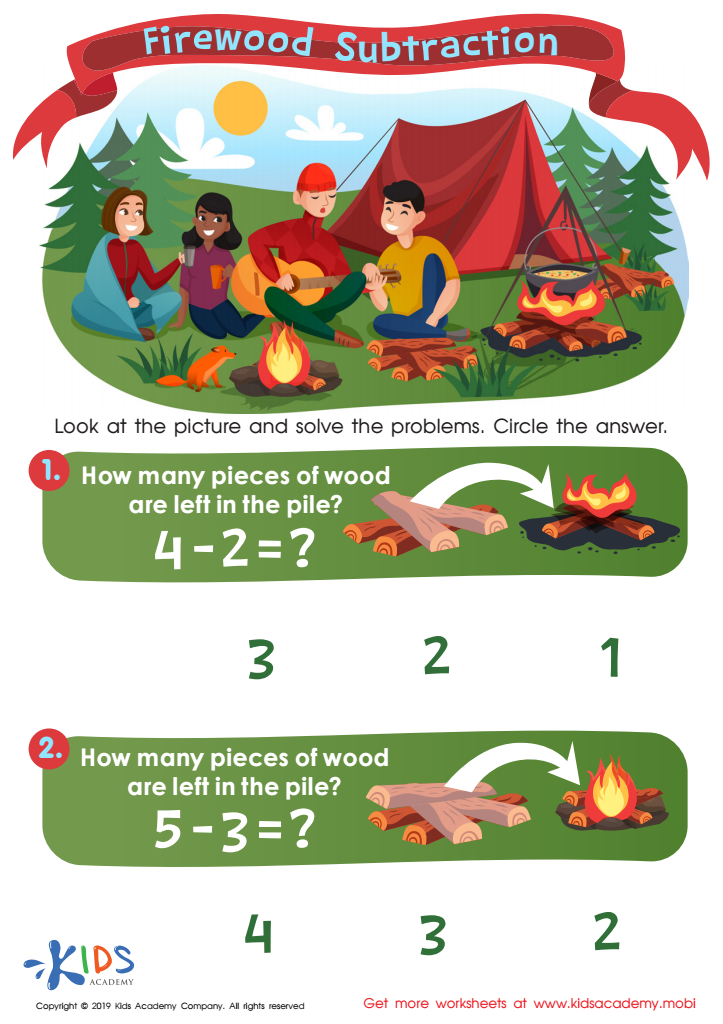
Firewood Subtraction Worksheet
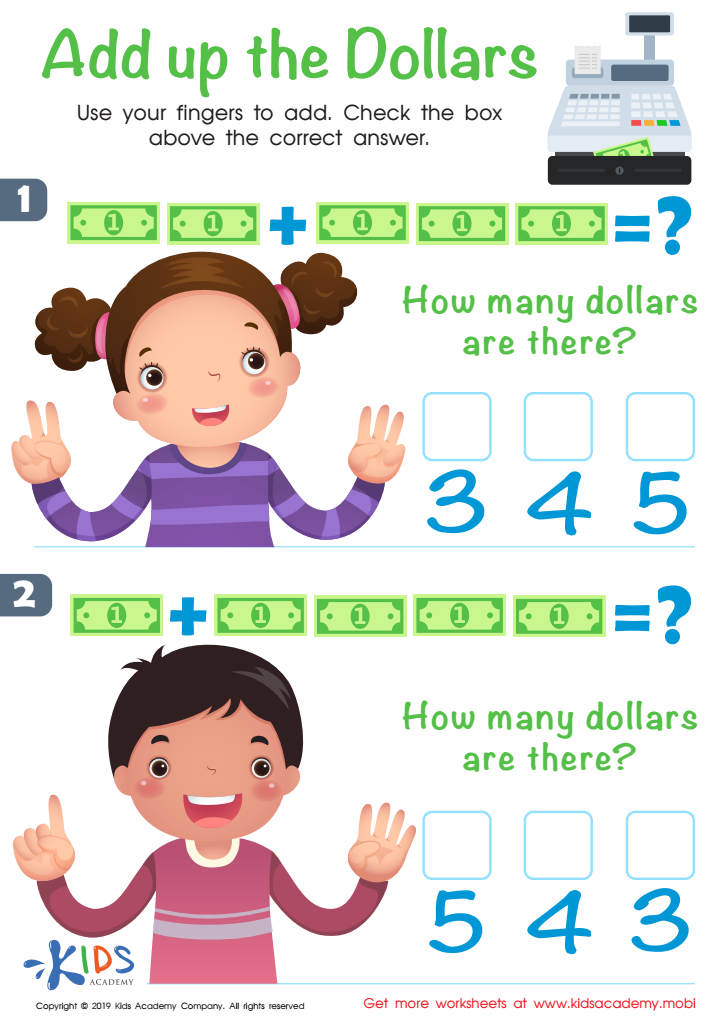
Add up the Dollars Worksheet
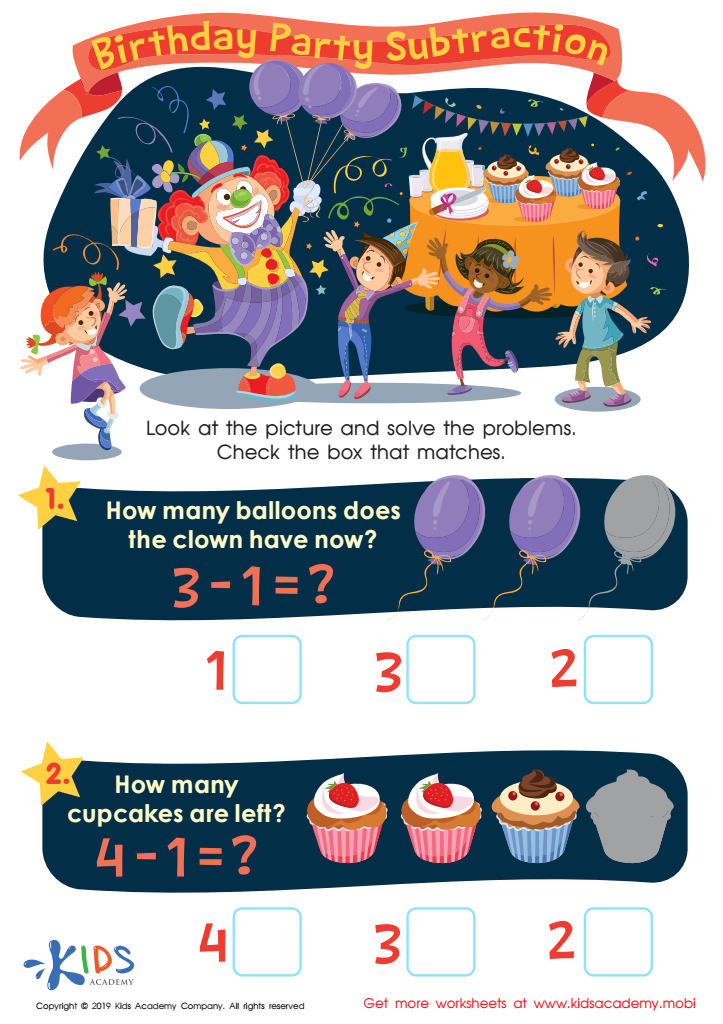
Birthday Party Subtraction Worksheet
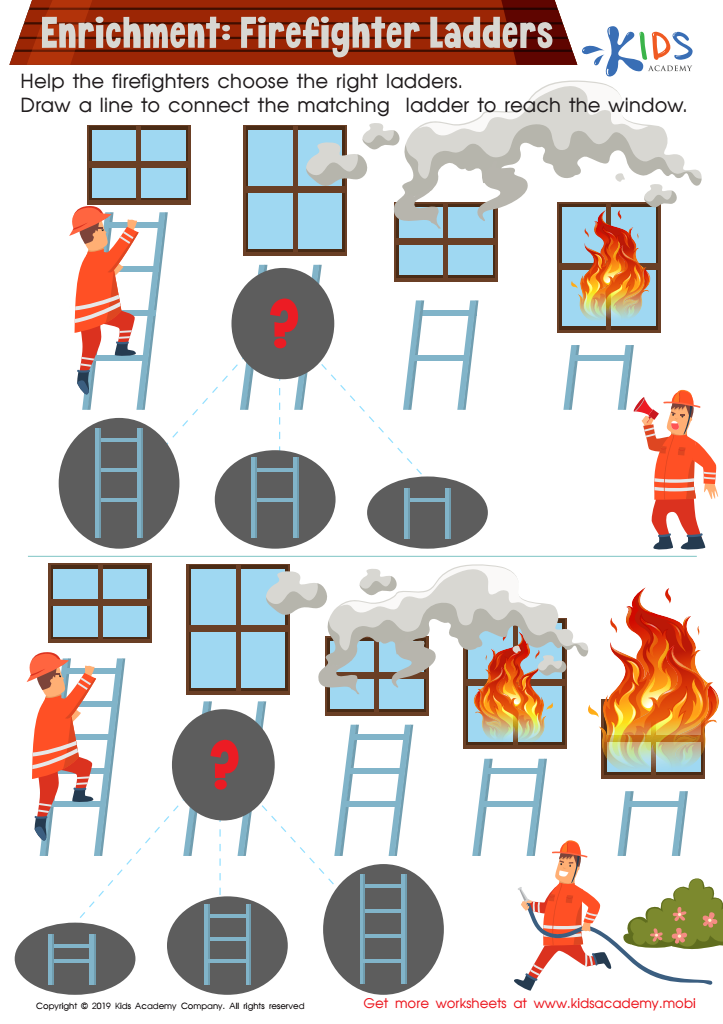
Enrichment: Firefighter Ladders Worksheet
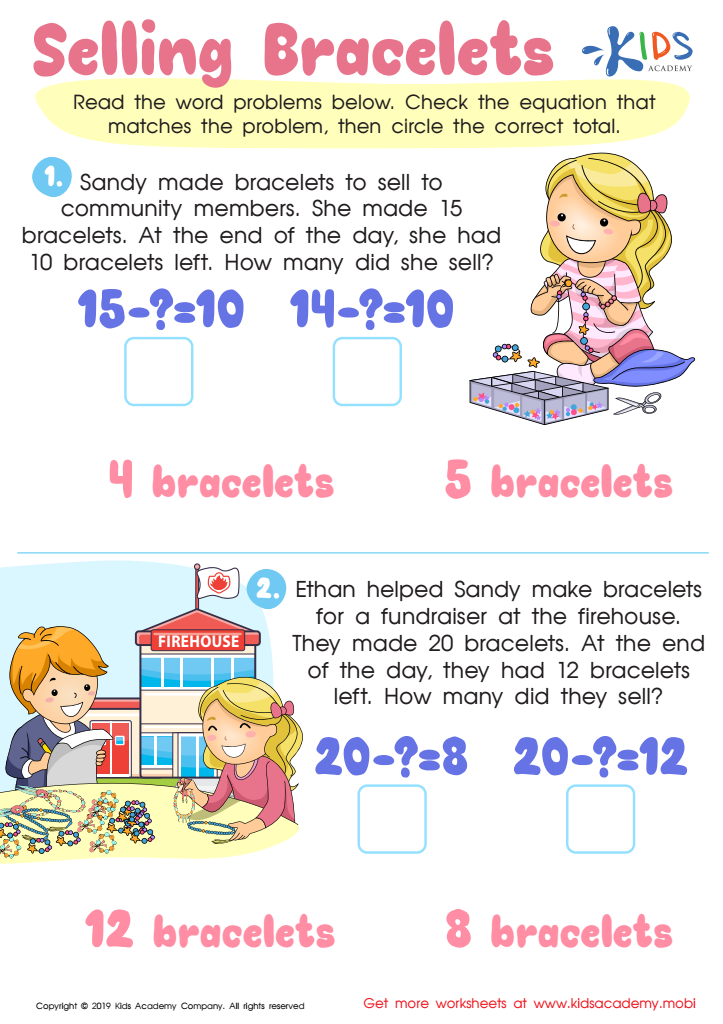
Selling the Bracelets Worksheet








Parents and teachers should care about problem-solving skills in early math for ages 3-6 because these foundational abilities set the stage for lifelong learning and cognitive development. At this age, children are naturally curious, and exposing them to problem-solving experiences fosters critical thinking and creativity. Engaging in math-related problem-solving helps children develop logical reasoning, perseverance, and the ability to approach challenges from multiple angles.
Building these skills early translates to a stronger grasp of more complex mathematical concepts in later years. Moreover, problem-solving through interactive and play-based activities encourages enthusiasm for learning, increases engagement, and promotes a positive attitude toward math.
Additionally, developing these skills aids in autistic growth and nurtures social interactions when children work collaboratively during activities. For parents and teachers, integrating easy math problem-solving in everyday experiences—such as through games, stories, or hands-on activities—can make learning enjoyable and relatable. Ultimately, when parents and educators prioritize teaching these skills, they empower young children to become confident learners, equipped with the necessary tools to navigate academic challenges both in their early education and in future endeavors.








