Fine Motor Skills Easy Alphabet Worksheets for Ages 3-7
7 filtered results
-
From - To
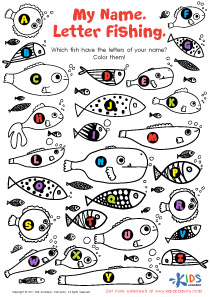
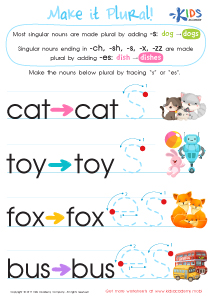
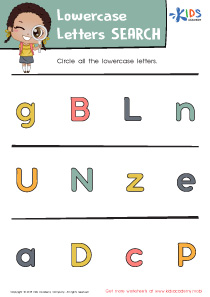
Discover our engaging "Fine Motor Skills Easy Alphabet Worksheets" designed specifically for children ages 3-7! These printable worksheets offer a fun and interactive way for young learners to strengthen essential fine motor skills while mastering the alphabet. Each worksheet features a variety of activities including tracing letters, drawing patterns, and practicing letter formation, promoting hand-eye coordination and dexterity. Ideal for homeschooling or classroom environments, our worksheets are approachable and age-appropriate, ensuring kids develop confidence in their writing abilities. Foster your child's creativity and literacy skills today with our expertly designed resources that make learning enjoyable and effective!
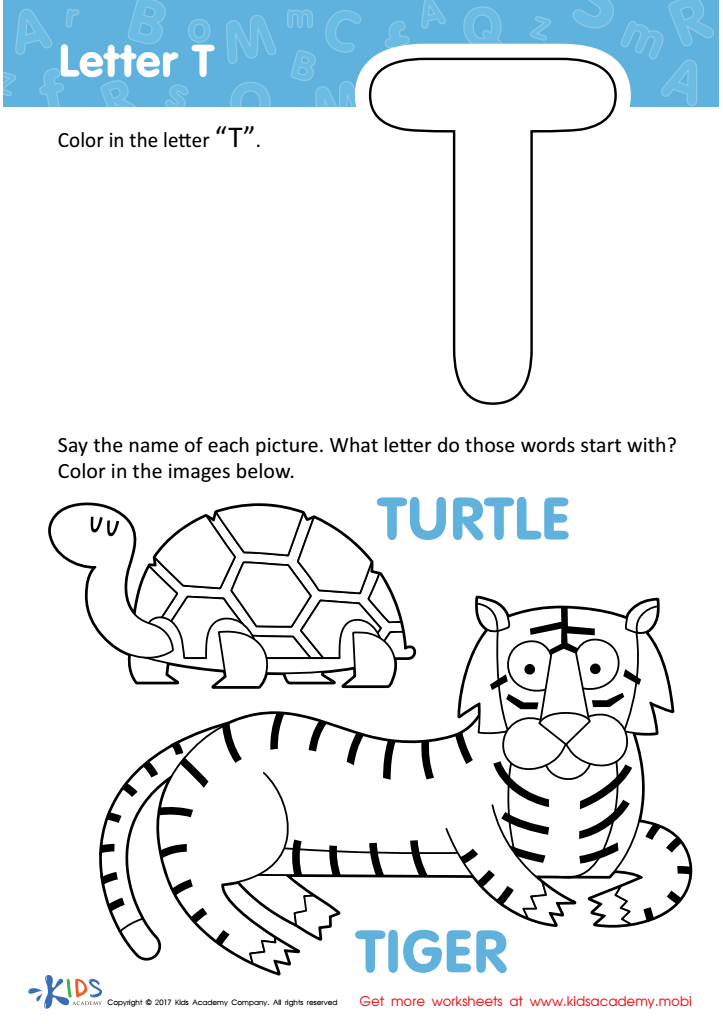
Letter T Coloring Sheet
 Assign to My Students
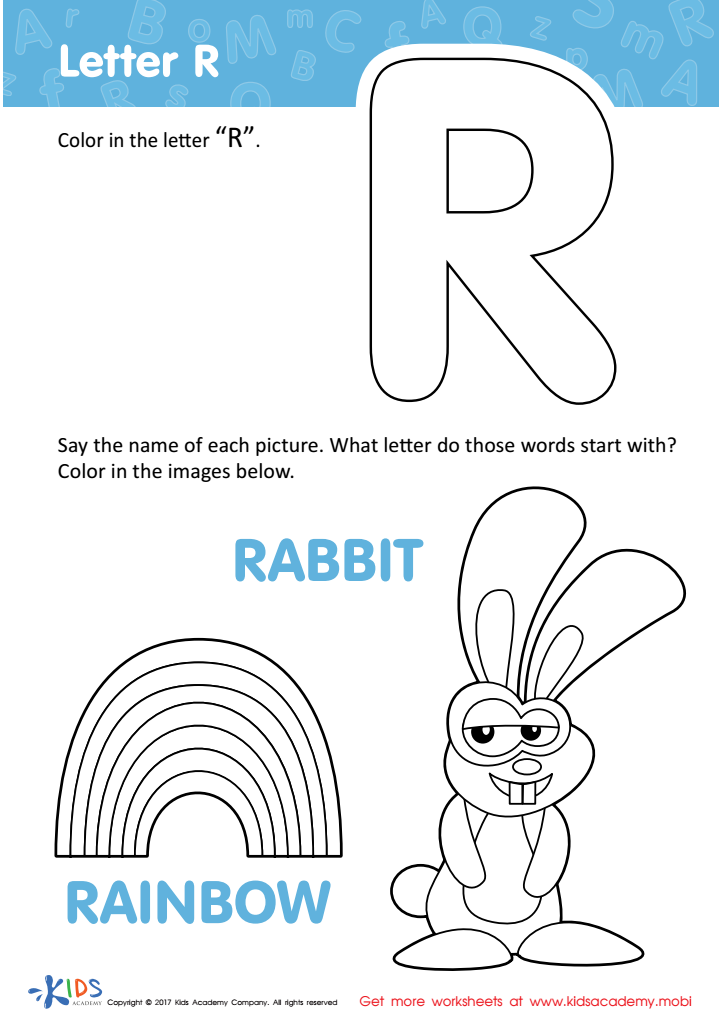
Letter R Coloring Sheet
Assign to My Students
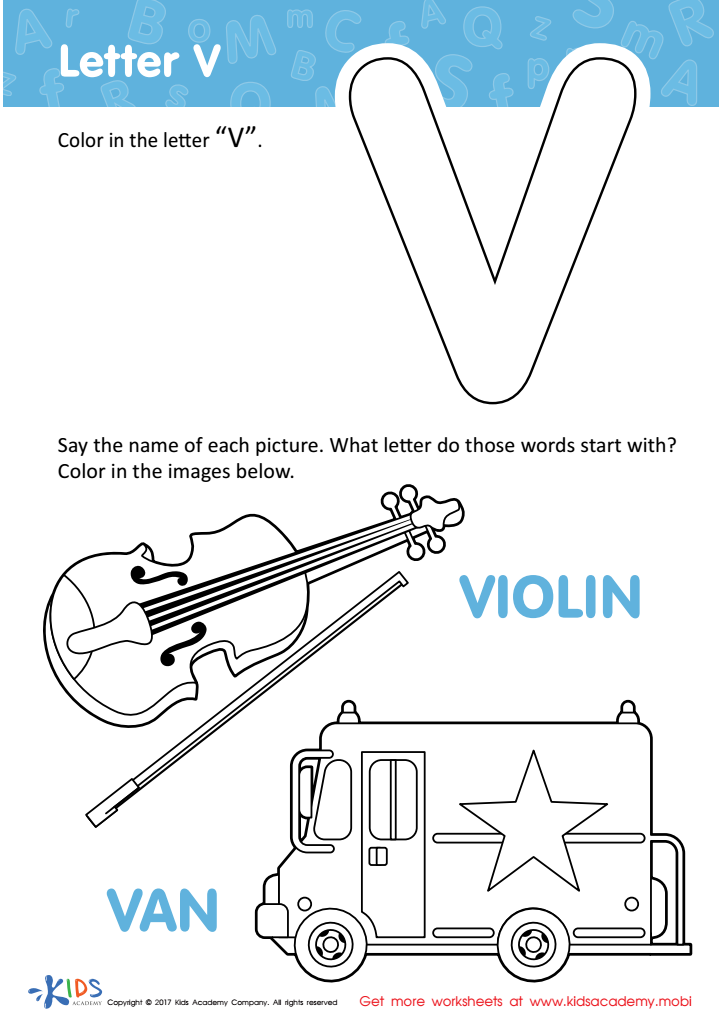
Letter V Coloring Sheet
Assign to My Students
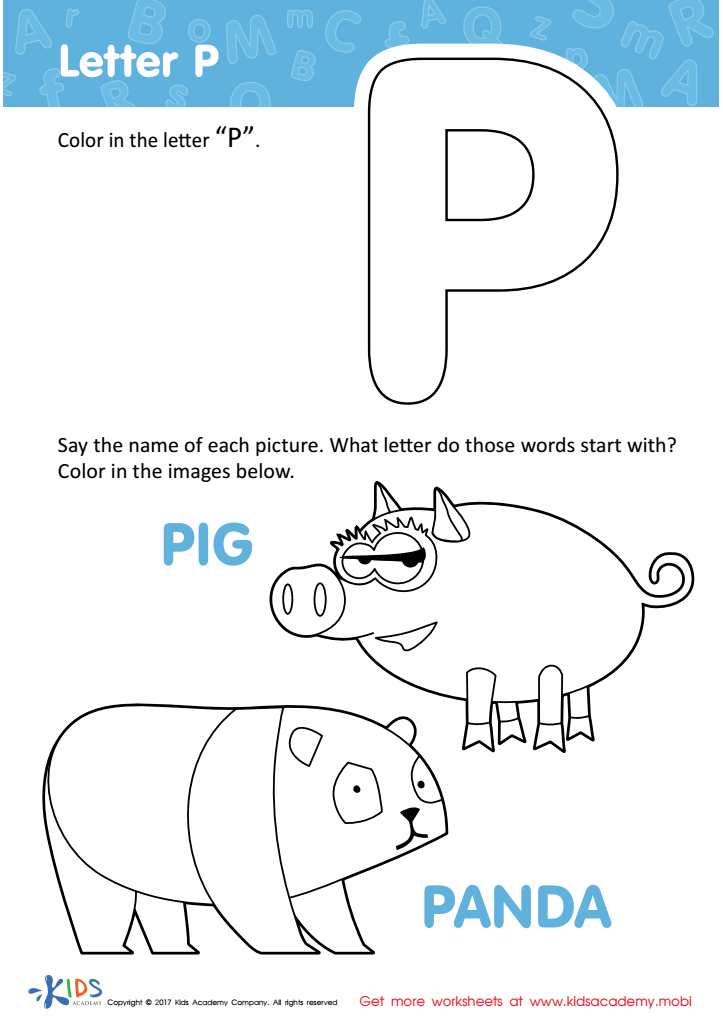
Letter P Coloring Sheet
Assign to My Students
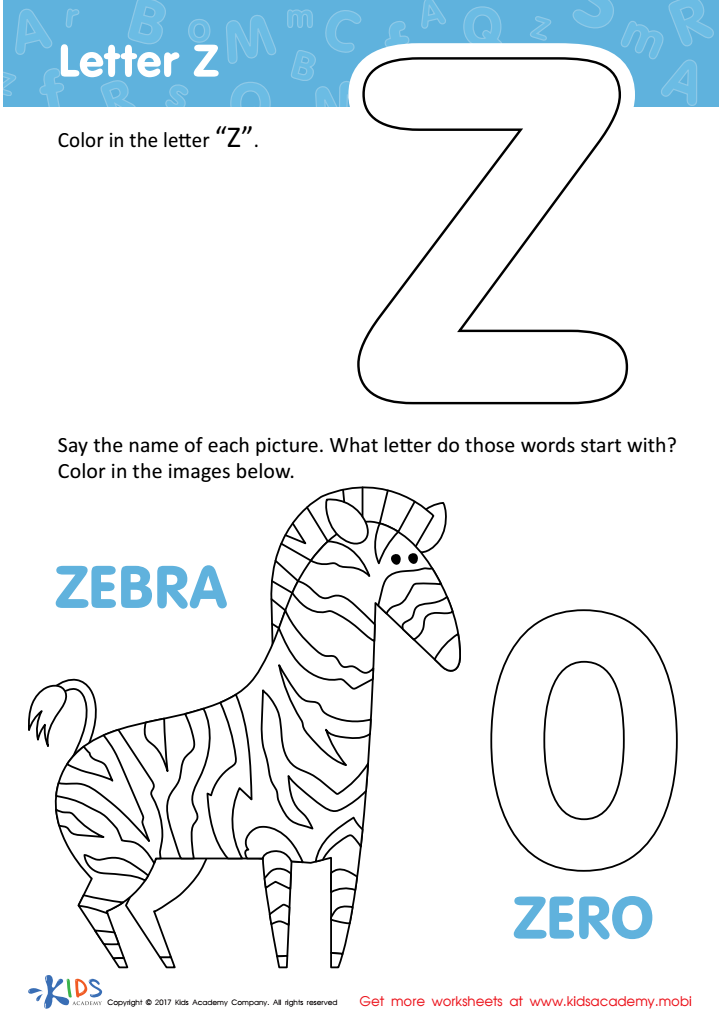
Letter Z Coloring Sheet
Assign to My Students
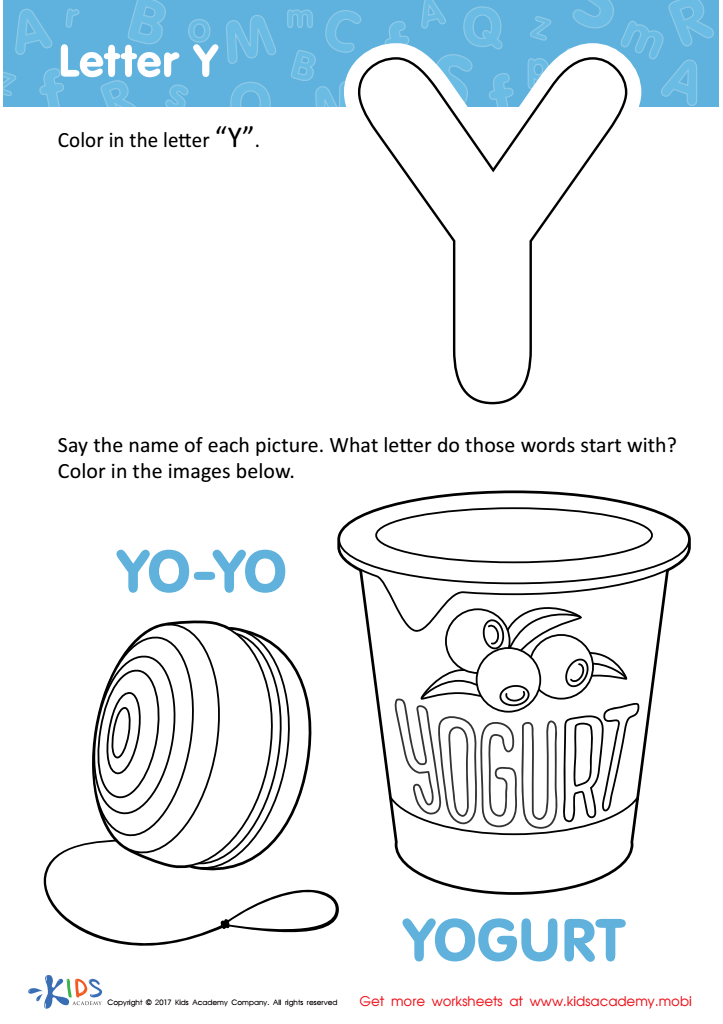
Letter Y Coloring Sheet
Assign to My Students

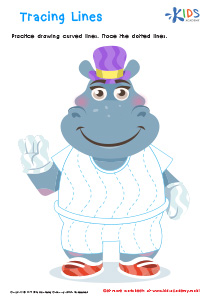
Tracing Lines Worksheet








Fine motor skills are essential for young children, particularly those aged 3 to 7, as they form the foundation for various important tasks. Engaging with resources like "Fine Motor Skills Easy Alphabet" provides children with opportunities to strengthen their hand-eye coordination, dexterity, and control over small muscles in their hands and fingers. These skills are critical for everyday tasks such as writing, drawing, and self-care activities like buttoning clothes or using utensils.
Parents and teachers should care about these developmental milestones because proficient fine motor skills contribute significantly to a child's overall academic success and independence. Activities that emphasize fine motor skills, such as tracing letters with engaging, accessible materials, can spark children's interest in language and literacy while enhancing their confidence in their abilities.
Furthermore, fostering fine motor skills can prevent frustration in future learning experiences, particularly as children advance through their educational journey. When children excel in fine motor development, they’re better prepared for more complex tasks, enhancing school readiness and helping them adapt to structured learning environments. Thus, initiatives focused on fine motor skills during these vital years not only prepare children for academic pursuits but also promote their holistic development.