Reading Skills Easy Worksheets for Ages 3-7
9 filtered results
-
From - To
Discover our "Reading Skills Easy Worksheets for Ages 3-7," designed to make learning fun and engaging for young readers! These worksheets focus on essential reading skills, including letter recognition, phonics, sight words, and comprehension. Each activity is carefully crafted to suit the developmental needs of early learners, providing colorful visuals and interactive tasks that promote active participation. Ideal for both home and classroom use, our worksheets encourage parents and educators to build strong foundational reading abilities. Enhance your child's literacy journey with easy-to-use resources that spark curiosity and foster a lifelong love for reading. Explore now!
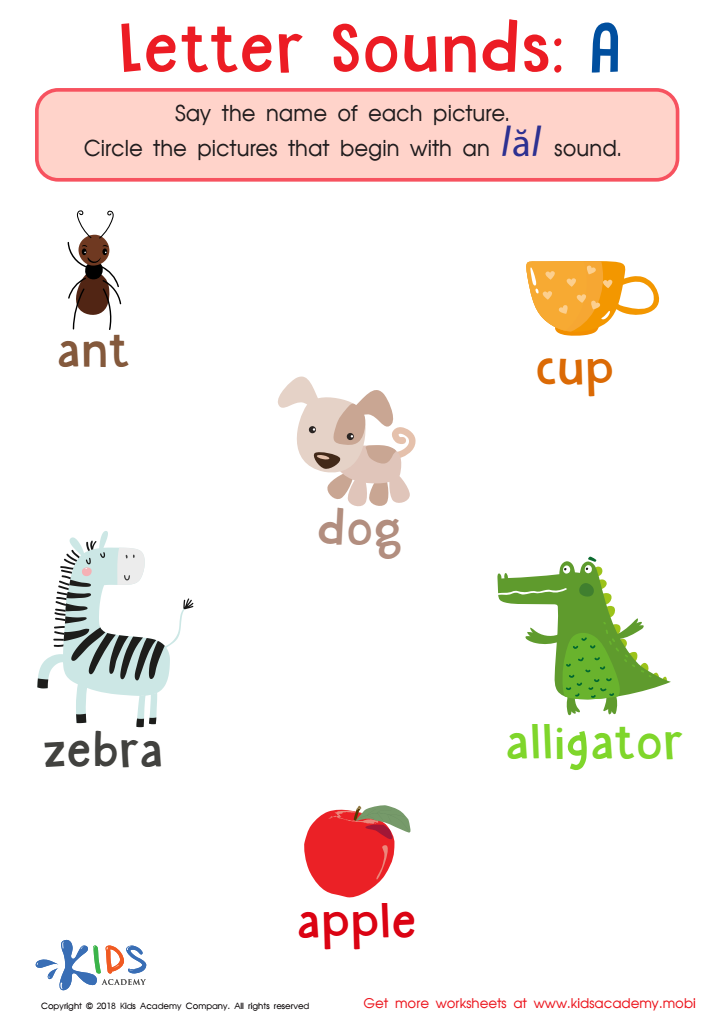
Letter A Sounds Worksheet
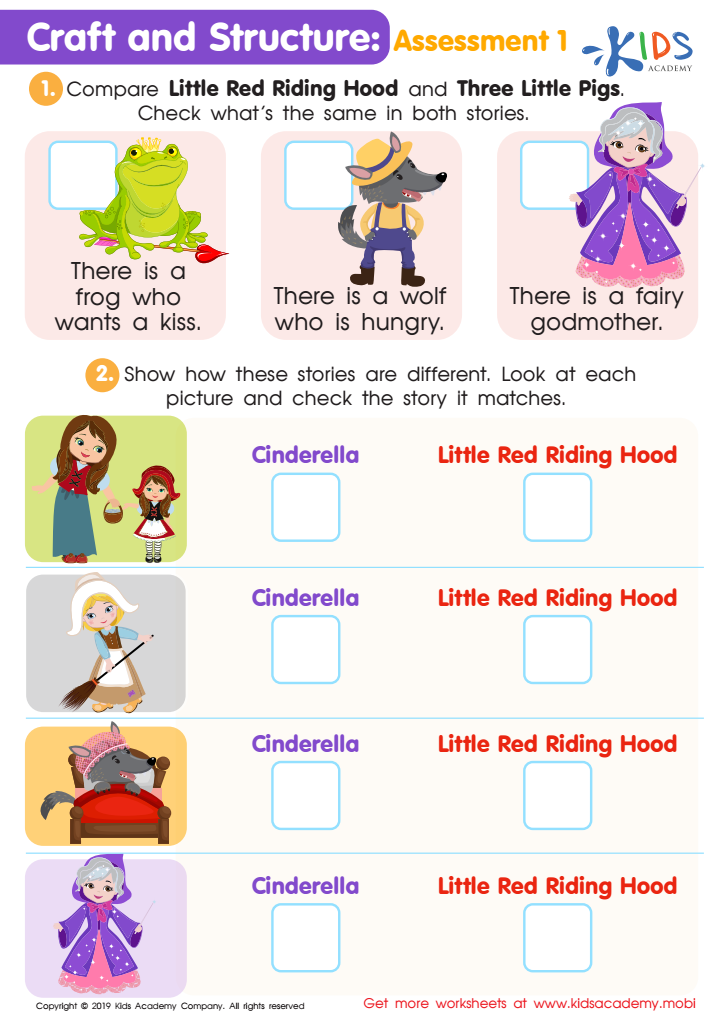
Craft and Structure: Assessment 1 Worksheet
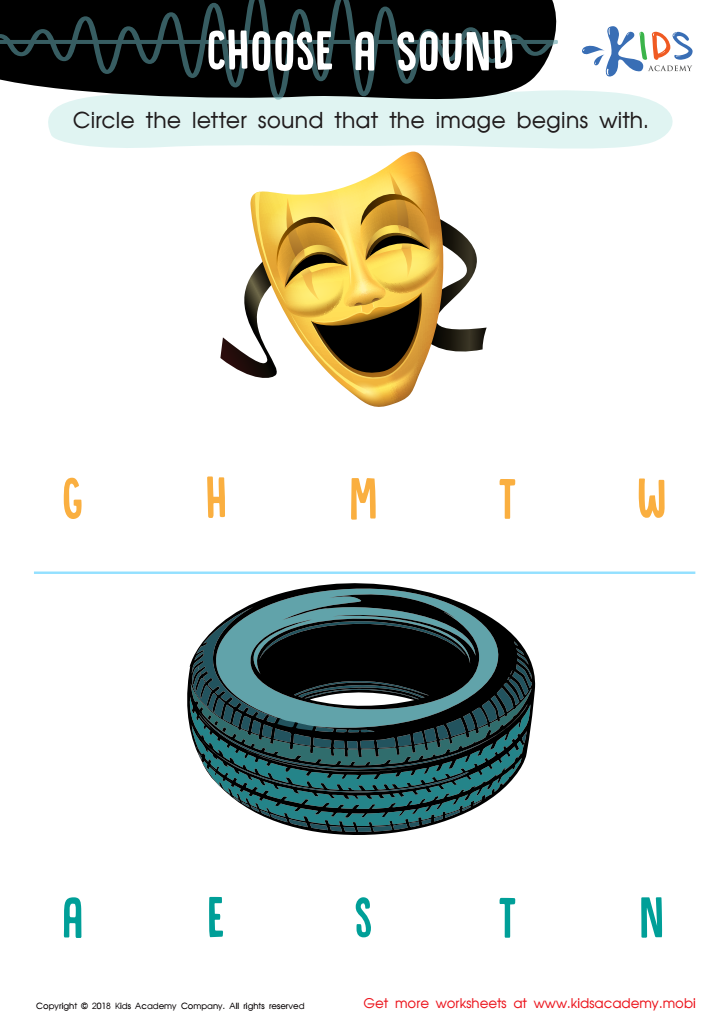
Choose a Sound Worksheet
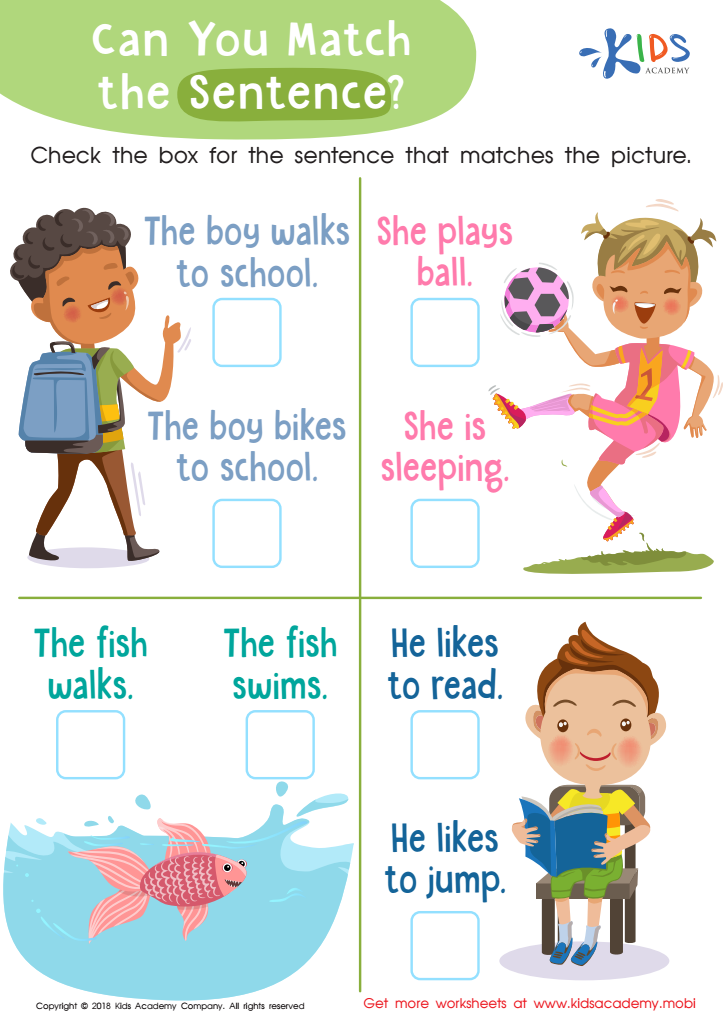
Can You Match the Sentence? Worksheet
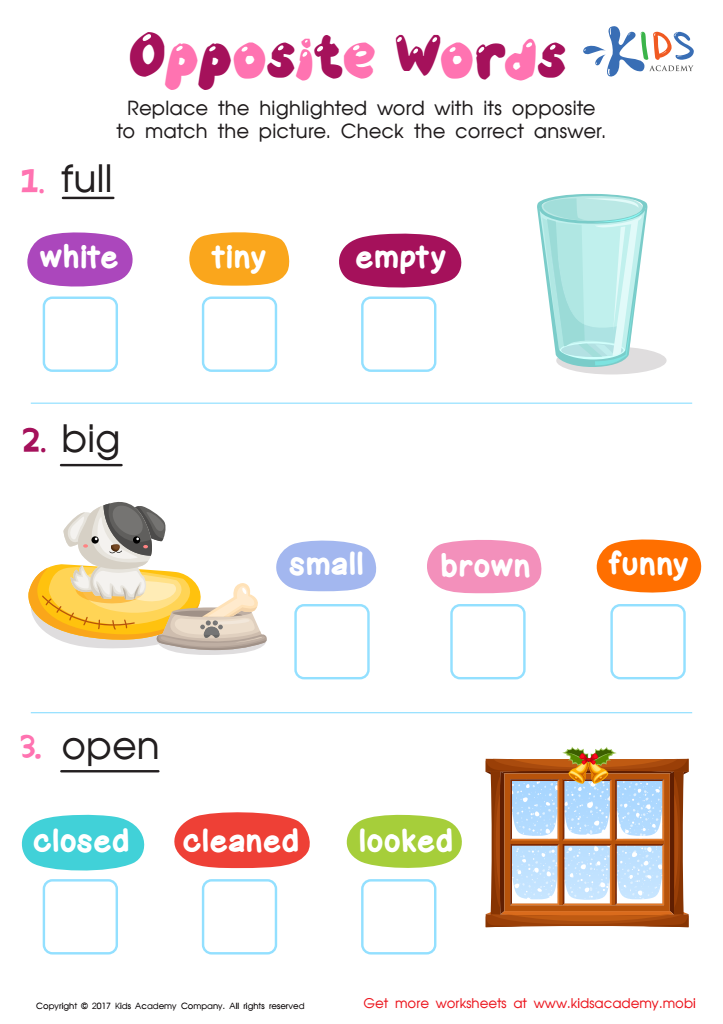
Opposite Words Worksheet
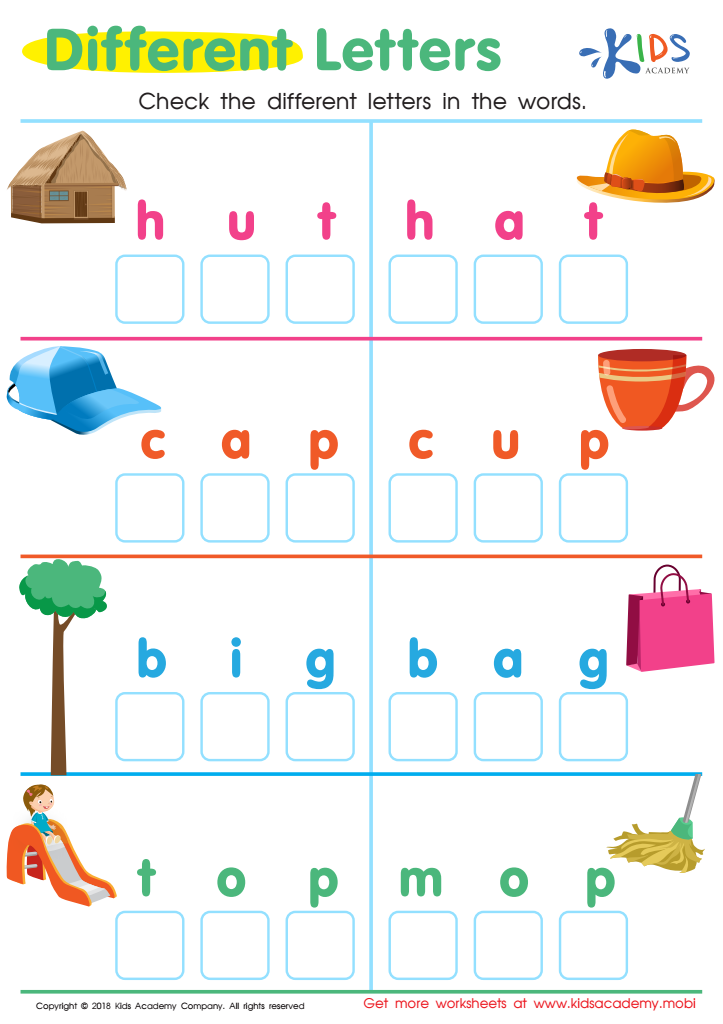
Different Letters Reading Worksheet
Jungle Plants Worksheet
 Assign to My Students
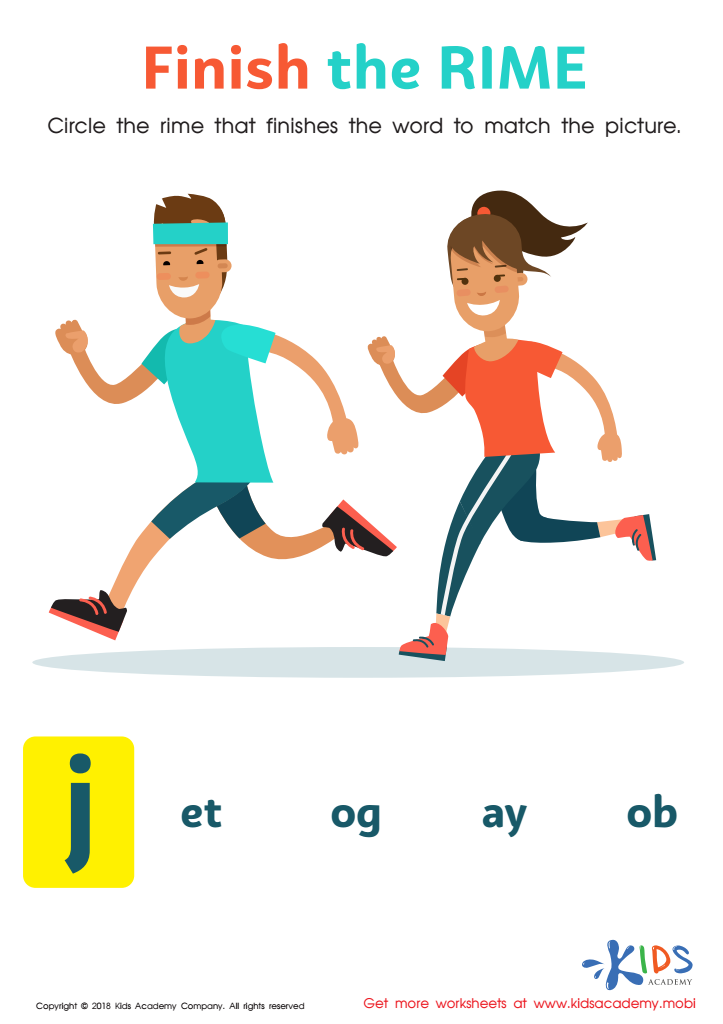
Finish the Rime Worksheet
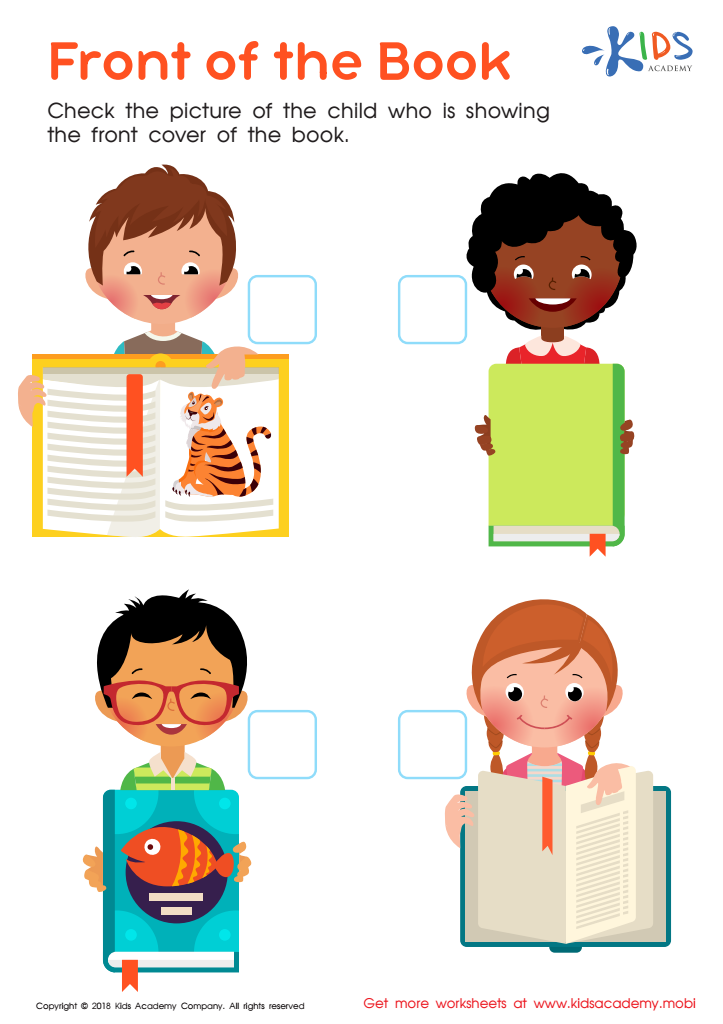
Front of the Book Worksheet








Reading skills at an early age are foundational for a child's academic and social development. For children aged 3 to 7, proficiency in reading not only helps them understand and enjoy stories but also fosters critical thinking, vocabulary development, and comprehension. When parents and teachers prioritize reading during these formative years, they lay the groundwork for lifelong learning.
Children who engage with books tend to develop better listening skills and a greater appreciation for communication—key aspects of effective social interaction. Early reading experiences also support the development of imagination and creativity through exposure to different narratives and ideas.
Moreover, reading boosts academic performance across all subjects, as reading comprehension impacts the ability to understand math problems, science concepts, and social studies content. This early literacy skill is crucial for instilling confidence and a love for learning, which benefits children throughout their educational journey.
Incorporating engaging reading activities, such as shared reading and storytelling, enables bonding time for parents and teachers with children. Therefore, investing in reading skills for ages 3-7 is not just an educational responsibility but a commitment to nurturing well-rounded, literate, and socially capable individuals.








