Animal recognition Easy Addition and Subtraction Word Problems Worksheets for Ages 3-7
3 filtered results
-
From - To
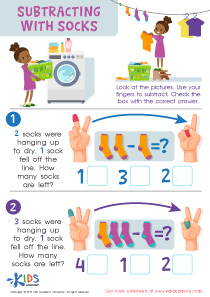
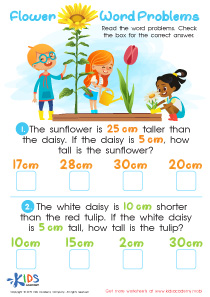
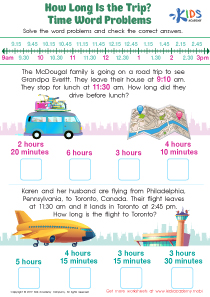
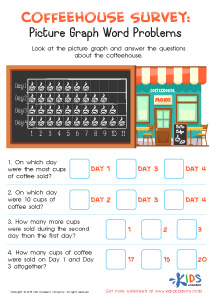
Explore our engaging "Animal Recognition Easy Addition and Subtraction Word Problems Worksheets" designed specifically for children aged 3 to 7! These fun and interactive worksheets blend essential math skills with delightful animal themes that capture young learners' attention. Kids will practice basic addition and subtraction concepts through colorful illustrations and relatable scenarios featuring their favorite animals. As they solve problems, they'll enhance their critical thinking and comprehension skills while learning about various animals. Perfect for classrooms or home learning, our worksheets offer a lively approach to math that's both enjoyable and educational. Spark curiosity and confidence in early math learners today!
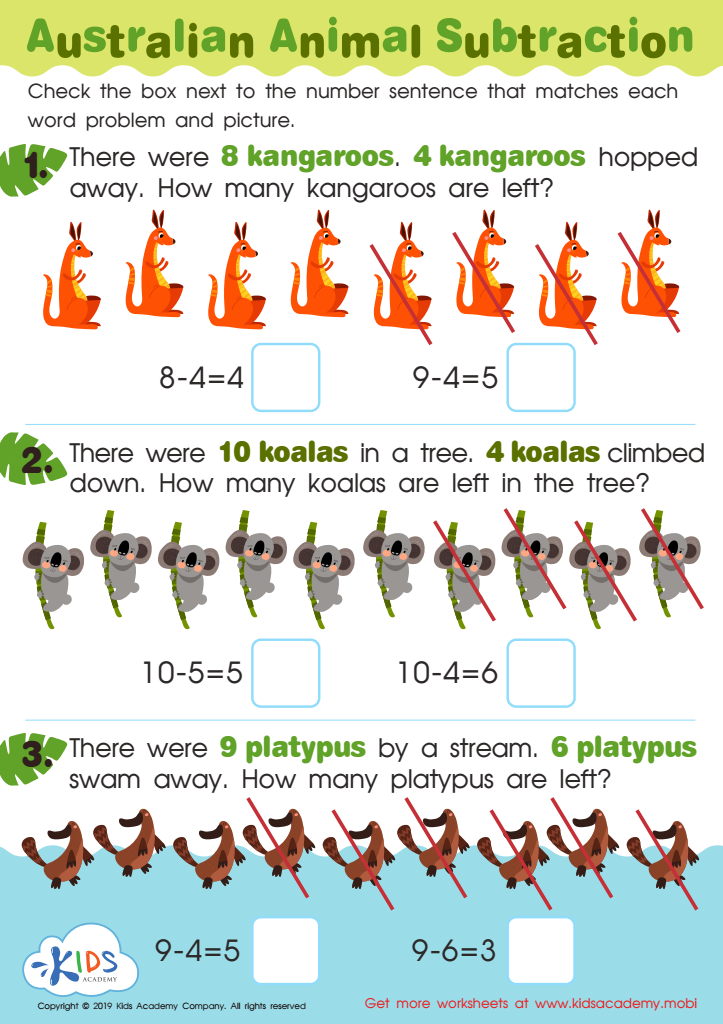
Australian Animal Subtraction Worksheet
 Assign to My Students
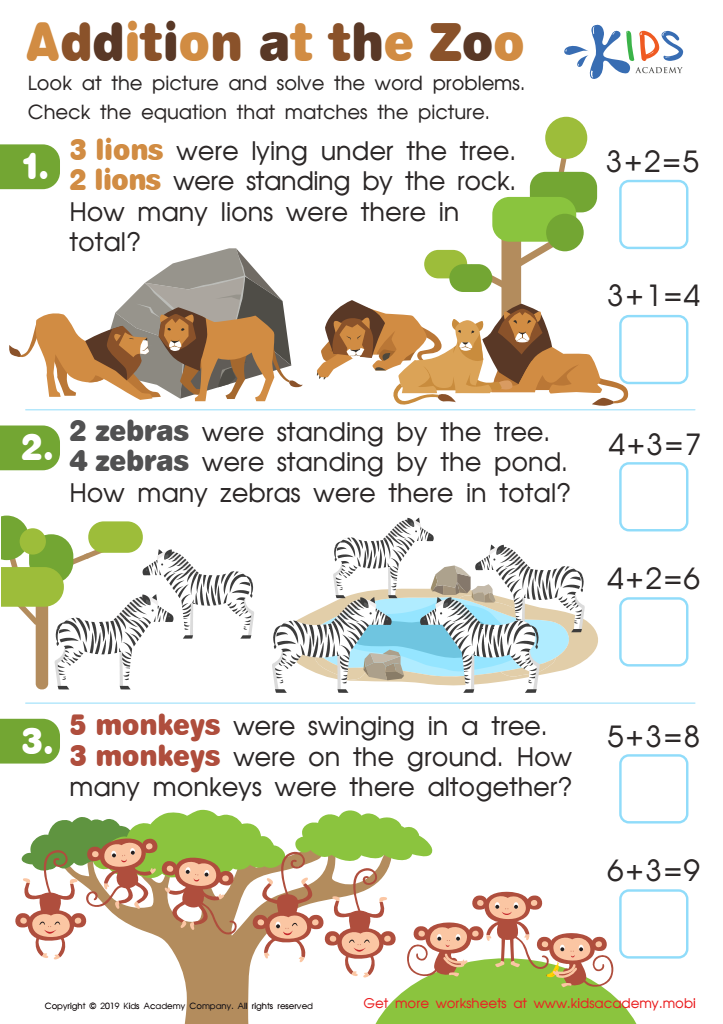
Addition at the Zoo Worksheet
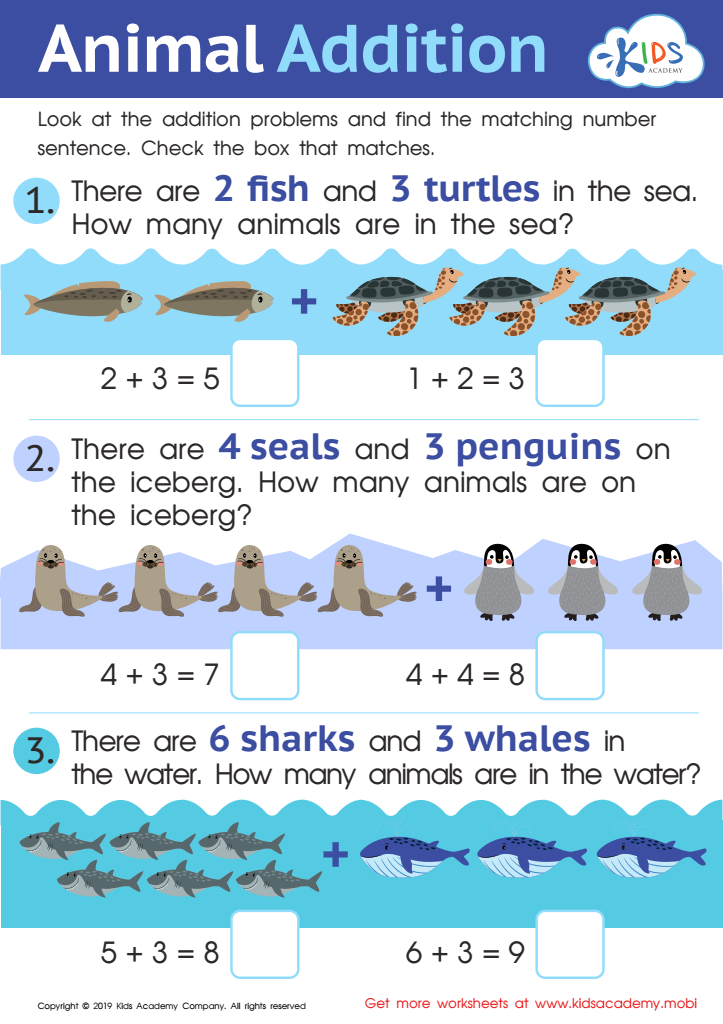
Animal Addition Worksheet








Parents and teachers should care about integrating animal recognition into easy addition and subtraction word problems for children ages 3-7 for several important reasons. First, early math skills are foundational. By relating numeracy to familiar and engaging subjects like animals, educators can create a more meaningful learning experience. Animals capture children's imaginations, making math lessons more enjoyable, which can foster a positive attitude towards learning.
Secondly, using animals helps develop critical thinking and comprehension skills. When students solve word problems involving animals, they learn to analyze situations, interpret information, and apply math concepts to real-world scenarios. This not only boosts their cognitive development but also promotes literacy skills as they learn to understand problem contexts.
Additionally, integrating themes like animals can enhance social-emotional learning. Discussions about different animals can encourage teamwork and collaboration when solved in group settings, as children share their answers and reasoning.
Finally, through these enjoyable, accessible problems, children are more likely to engage with math repetitively, increasing their overall skills and confidence as learners. This lays the groundwork for future academic success, making it essential for parents and teachers to prioritize these relevant and playful learning strategies.