Following instructions Easy Numbers Worksheets for Ages 3-7
5 filtered results
-
From - To
Our "Following Instructions Easy Numbers Worksheets for Ages 3-7" are perfect for young learners taking their first steps in math. Designed to build essential skills, these worksheets help kids recognize, write, and count numbers in a fun and engaging way. Each worksheet promotes following instructions, boosts concentration, and enhances fine motor skills. Your child will delight in completing these playful exercises, fostering confidence and a love for learning. Ideal for both classroom and home settings, these easy-to-follow worksheets make learning numbers enjoyable and rewarding. Join us in making early math mastery a delightful experience for your little ones!
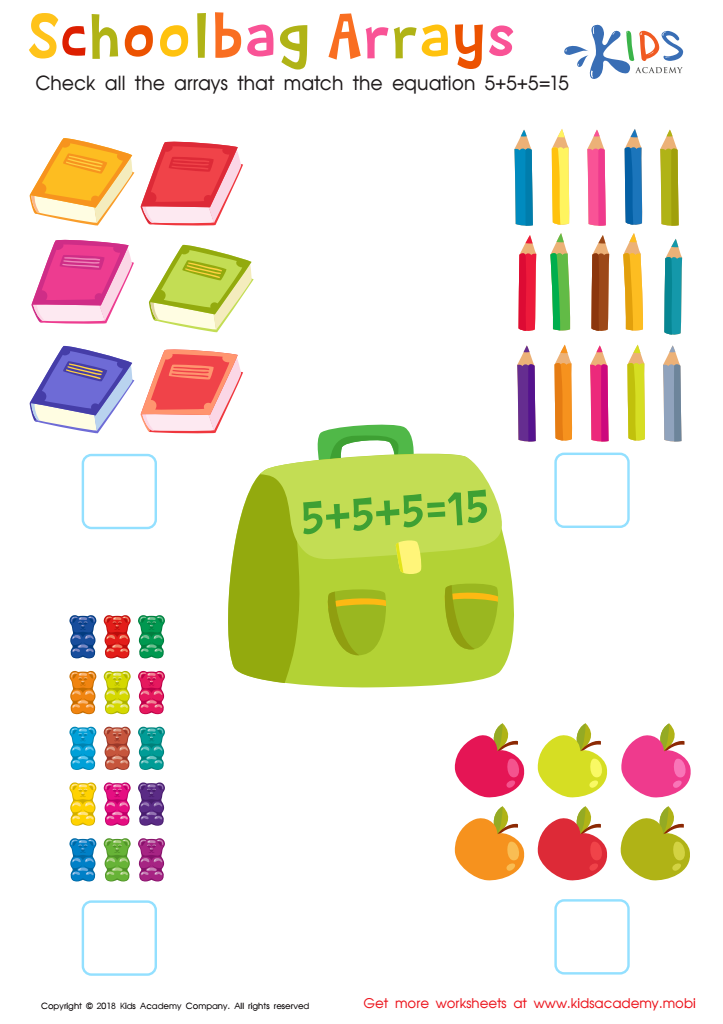
Schoolbag Arrays Worksheet
 Assign to My Students
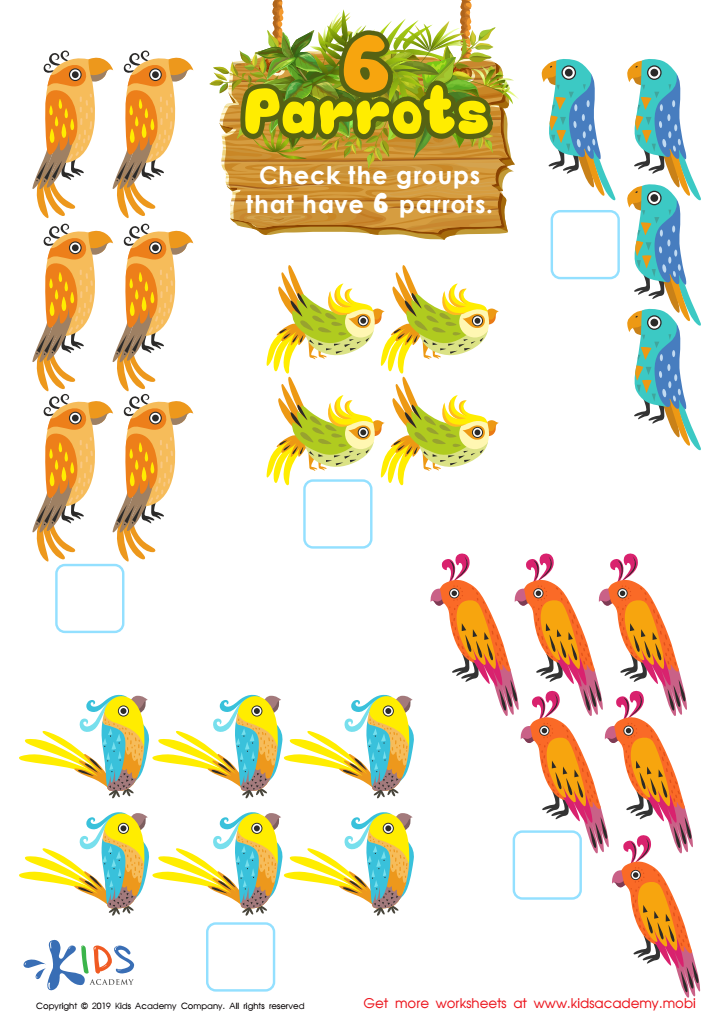
6 Parrots Worksheet
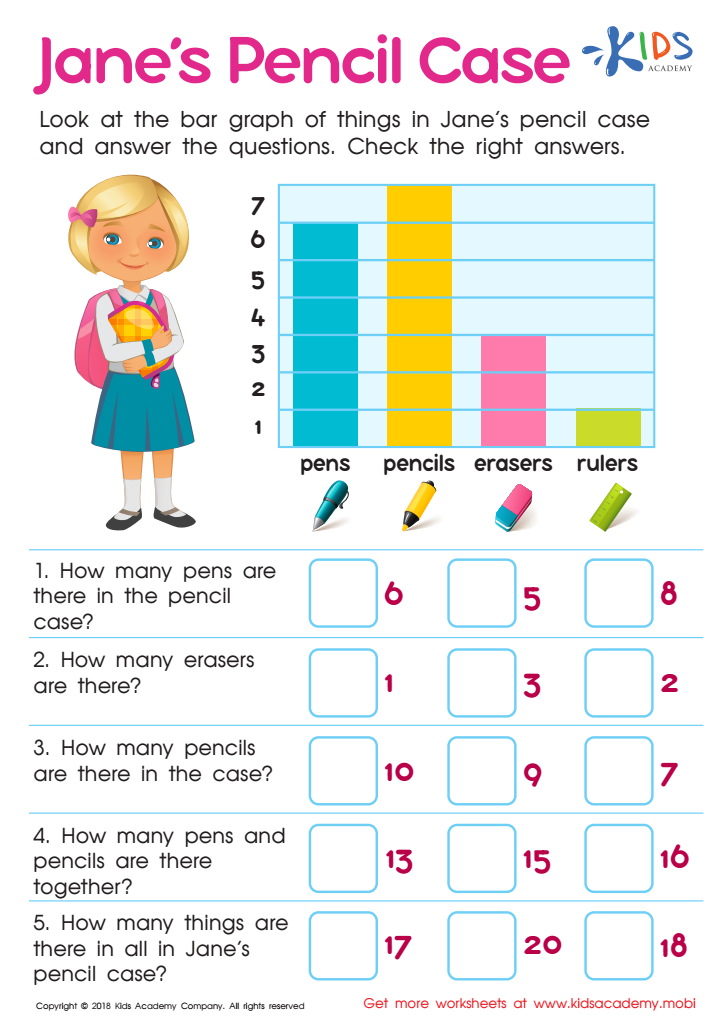
Jane's Pencil Case Worksheet
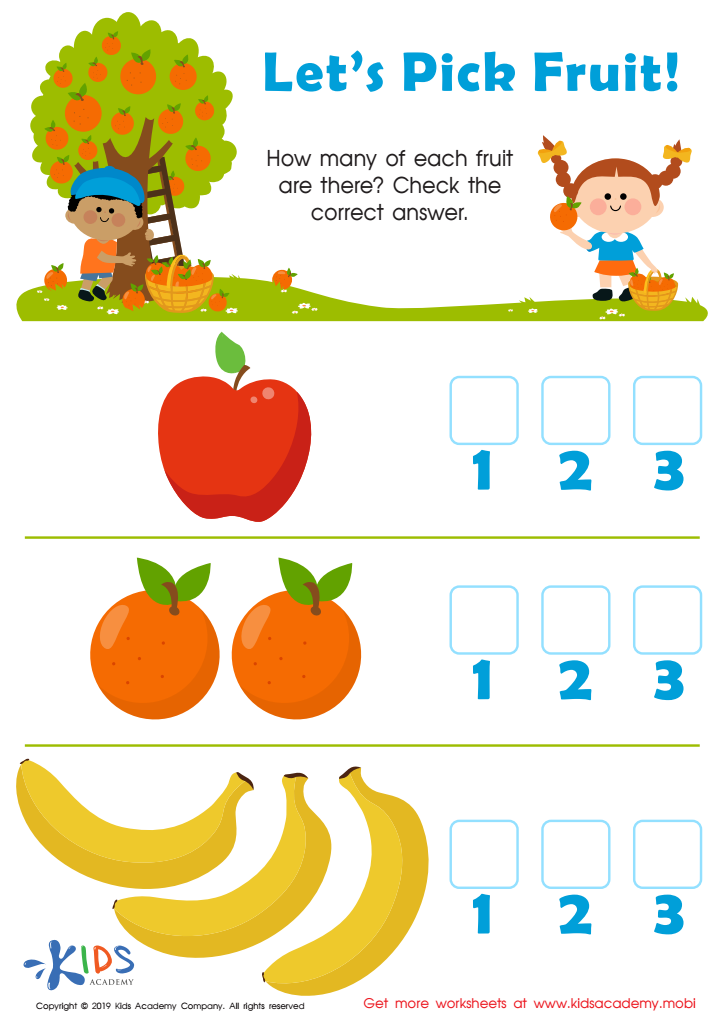
Let's Pick Fruit Worksheet
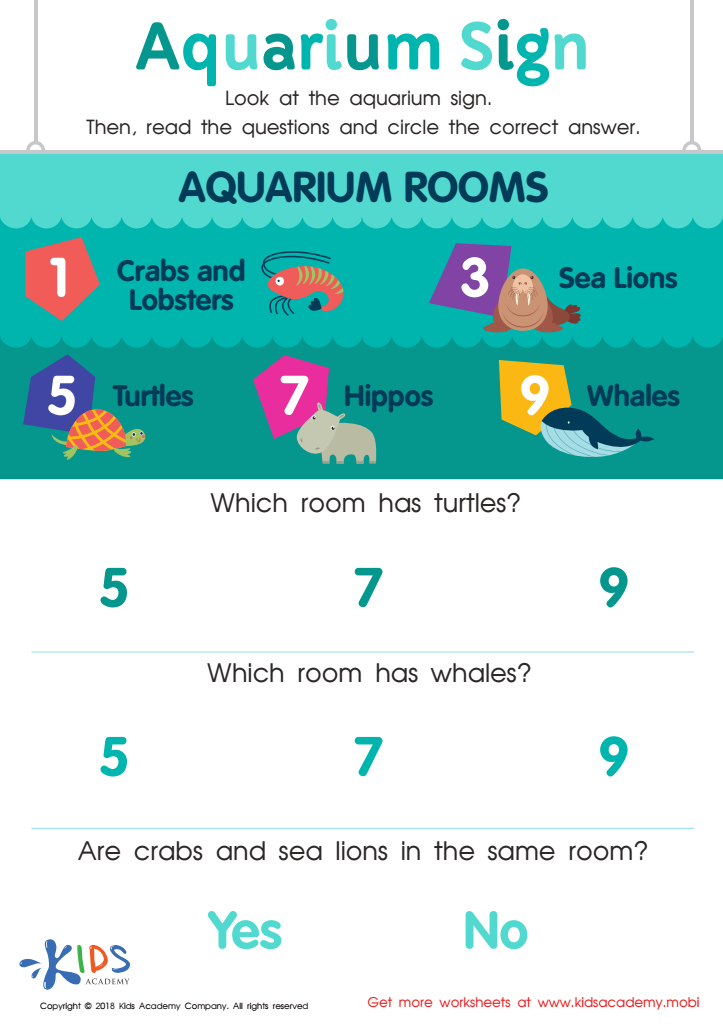
Assessment: Aquarium Sign Worksheet








Following instructions and understanding basic numbers are foundational skills crucial for young children, ages 3-7. At this formative stage, their brains are exceptionally absorbent, laying down the neural pathways for future learning.
Firstly, grasping basic numbers forms the bedrock of mathematics. Numbers are everywhere in daily life—from telling time to handling money. Facilitating early numeracy helps children become comfortable within a world that runs on numerical data. It fosters critical problem-solving skills and logical thinking necessary for advanced math.
Secondly, learning to follow instructions enhances overall cognitive development. This skill nurtures attention to detail, listening, and the ability to execute tasks in sequence. Such capability is not only essential for academic success but also for everyday activities. Simple instructions pave the way for more complex tasks, teaching patience, discipline, and compliance with social norms.
Additionally, effective instruction-following and numerical understanding improve self-esteem. When children comprehend basic tasks and simple math problems, their confidence grows. This extends beyond the classroom, fostering independence and social interaction skills.
Integrating following instructions and easy numbers tasks creates a synergistic effect, equipping children with the necessary skills to succeed in school and life. Therefore, parents and teachers should prioritize these areas to ensure holistic development.








