Comparing quantities Easy Math Worksheets for Ages 3-7
4 filtered results
-
From - To
Discover our engaging "Comparing Quantities Easy Math Worksheets" designed for children ages 3-7! These printable worksheets make learning fun while helping young learners develop essential math skills related to comparing quantities. Interactive activities focus on concepts like more, less, and equal, fostering critical thinking, problem-solving abilities, and number recognition. Each worksheet is thoughtfully crafted to encourage hands-on learning through colorful illustrations and age-appropriate challenges. Perfect for home or classroom use, our worksheets provide a solid foundation in early math skills, boosting your child's confidence and overall understanding of mathematics. Explore our resources and make math an enjoyable experience for your little ones!
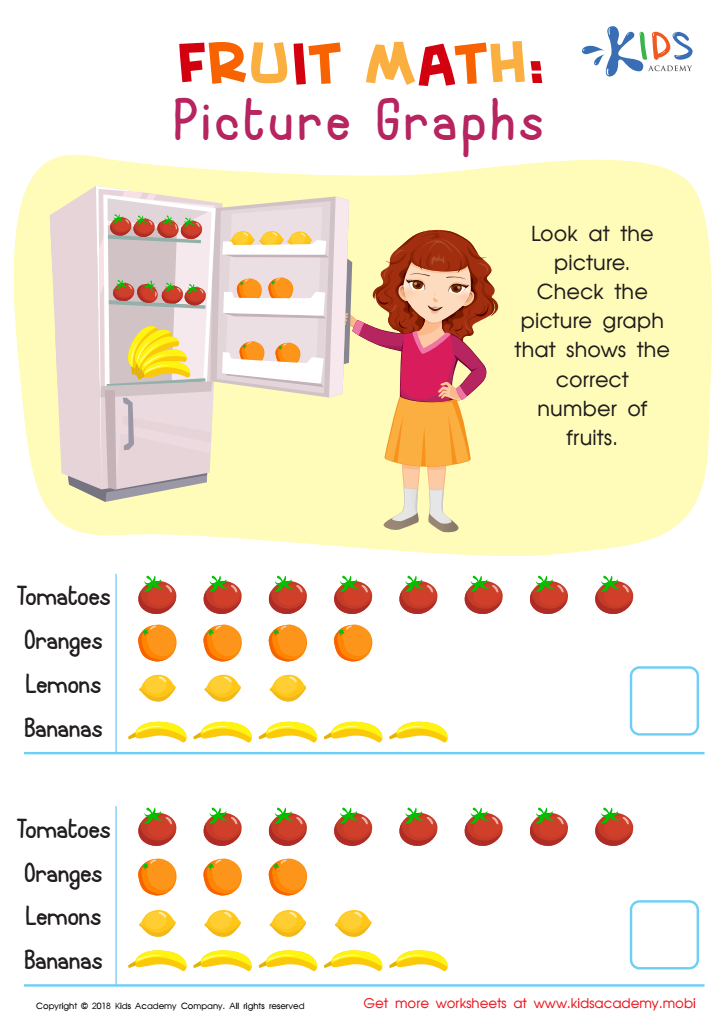
Fruit Math: Picture Graphs Worksheet
 Assign to My Students
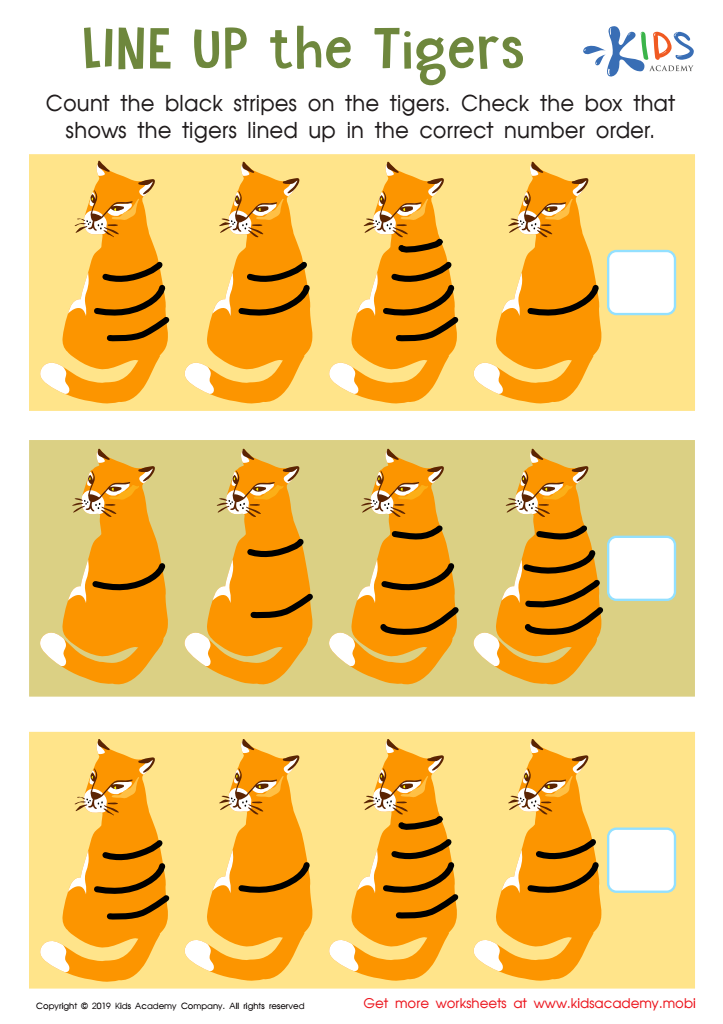
Line up the Tigers Worksheet
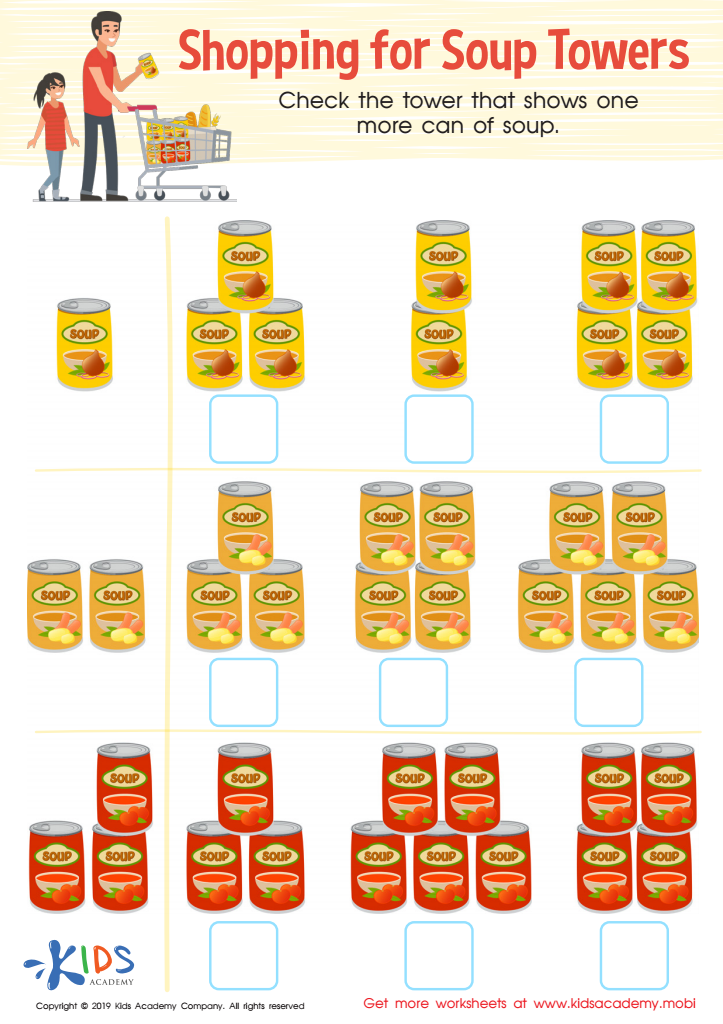
Soup Towers Worksheet
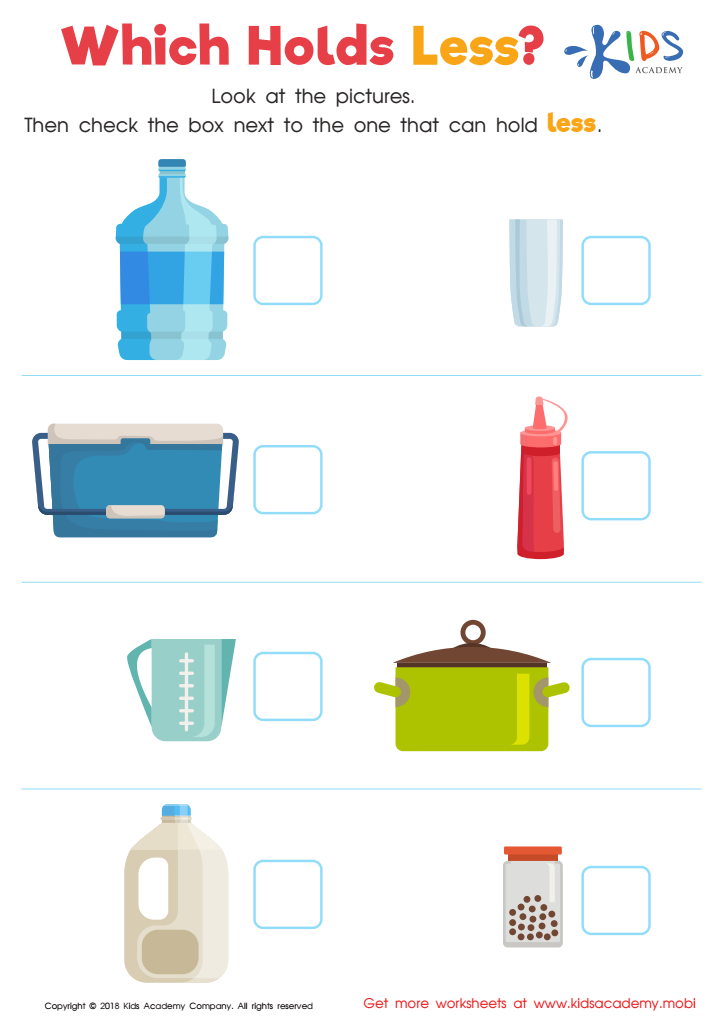
Which Holds Less? Worksheet








Comparing quantities is a foundational aspect of early mathematics and crucial for children's cognitive development between ages 3-7. For parents and teachers, understanding and nurturing this skill is essential for several reasons.
Firstly, it fosters critical thinking. Children learn to recognize differences and similarities, laying the groundwork for problem-solving skills. By comparing quantities, kids begin to understand concepts of more, less, and equal, which are vital for grasping later mathematical operations such as addition and subtraction.
Secondly, engaging with comparing quantities promotes spatial awareness and analytical skills. Children use real-world objects—like toys or snacks—to visually compare amounts, making the abstract concept of quantity more concrete. This hands-on learning enhances their engagement and retention of foundational math concepts.
Moreover, mastering comparisons can boost children's confidence in their math abilities, encouraging a positive attitude towards learning. Exposure to math concepts at an early age not only prepares children academically but also equips them with essential life skills, such as making decisions based on quantity and value in everyday situations.
In conclusion, fostering skills related to comparing quantities during early childhood is vital for a child’s overall development, academic preparedness, and confidence in learning mathematics throughout their educational journey.








