Critical Thinking Easy Math Worksheets for Ages 3-7
6 filtered results
-
From - To
Boost your child's problem-solving skills with our Critical Thinking Easy Math Worksheets designed for ages 3-7. These engaging, age-appropriate activities foster logical reasoning, pattern recognition, and analytical thinking through colorful, fun exercises. Each worksheet combines basic math skills with critical thinking challenges to encourage young learners to think deeply and independently. Perfect for home or classroom use, our printables help kids grasp foundational math concepts while developing essential cognitive skills. Encourage your child's curiosity and love for learning with our expertly crafted math worksheets, tailored to support their growth and academic journey.
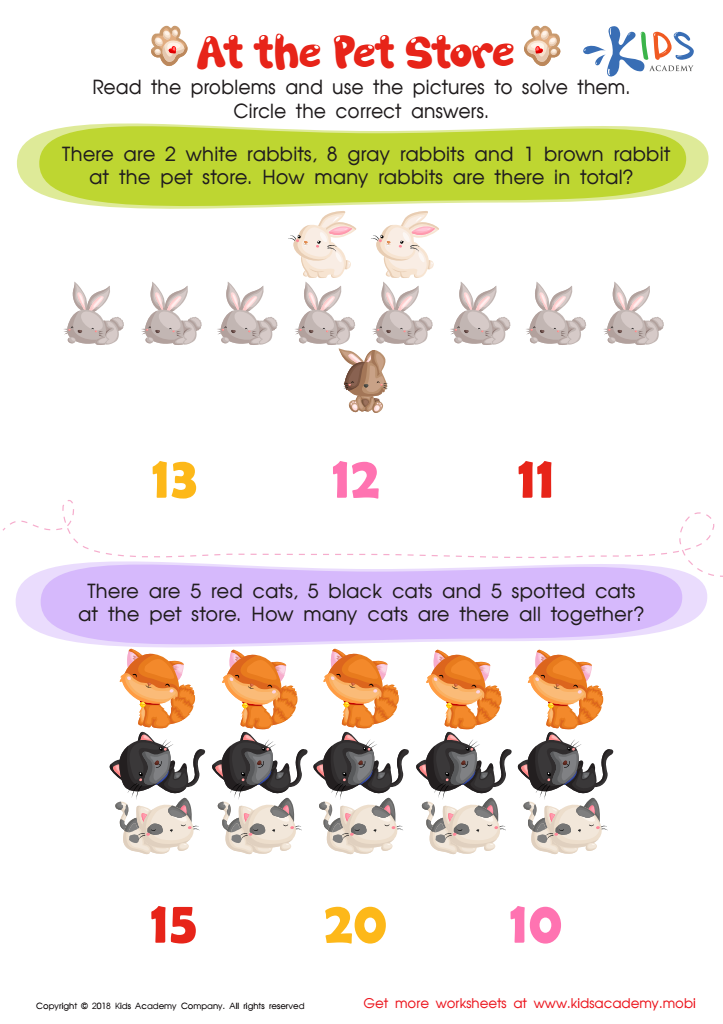
At the Pet Store Word Problems Worksheet
 Assign to My Students
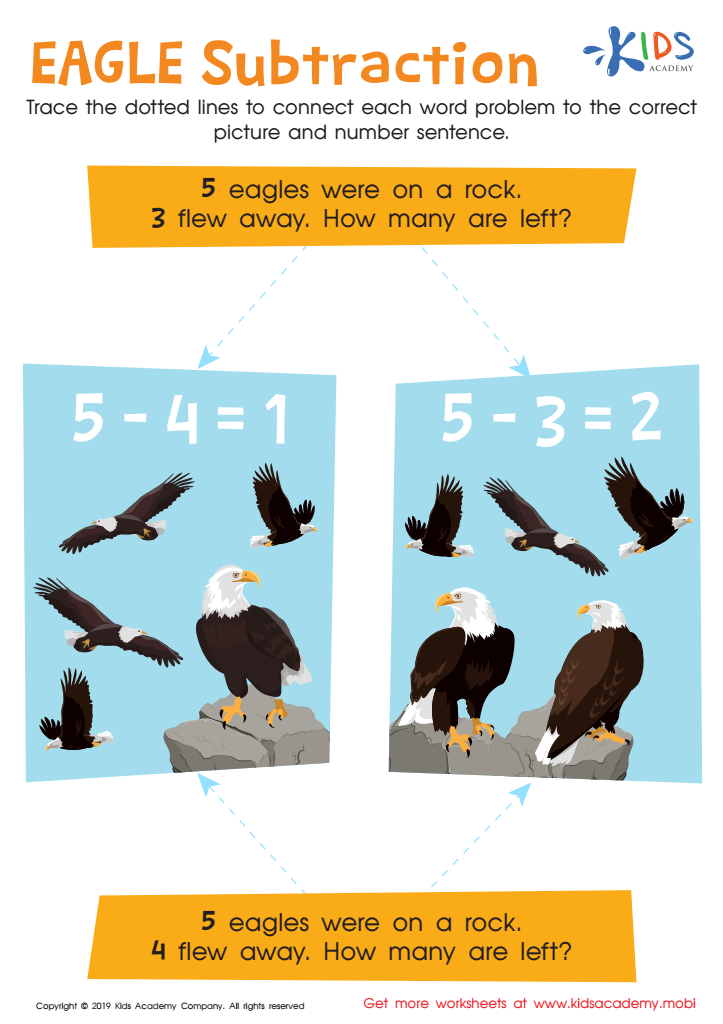
Eagle Subtraction Worksheet
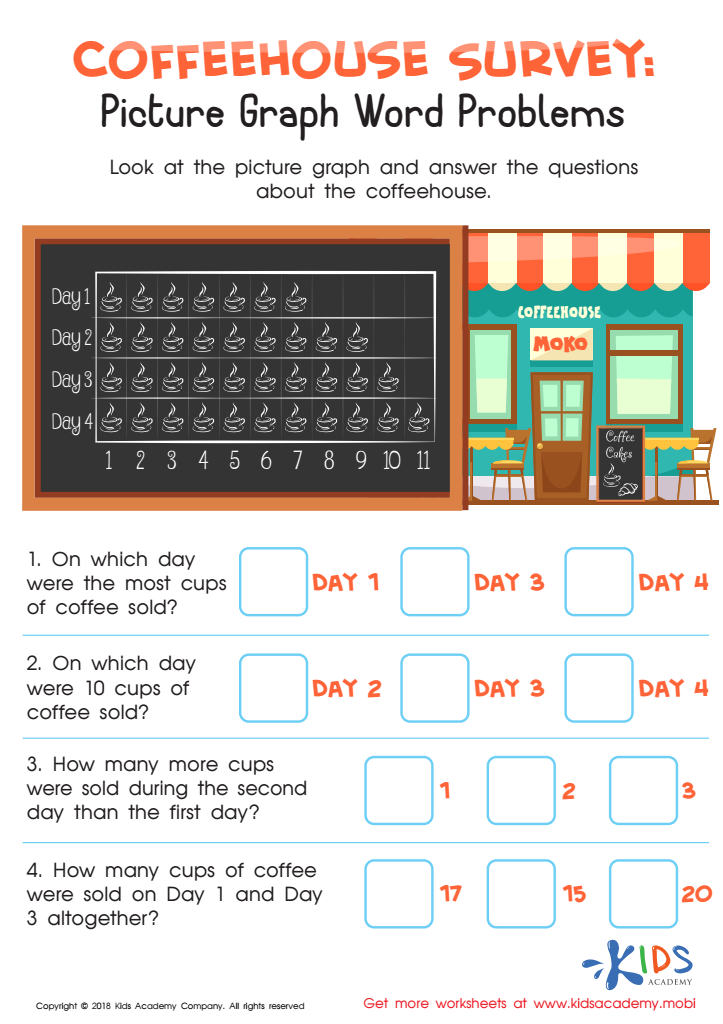
Coffeehouse Survey: Picture Graph Word Problems Worksheet
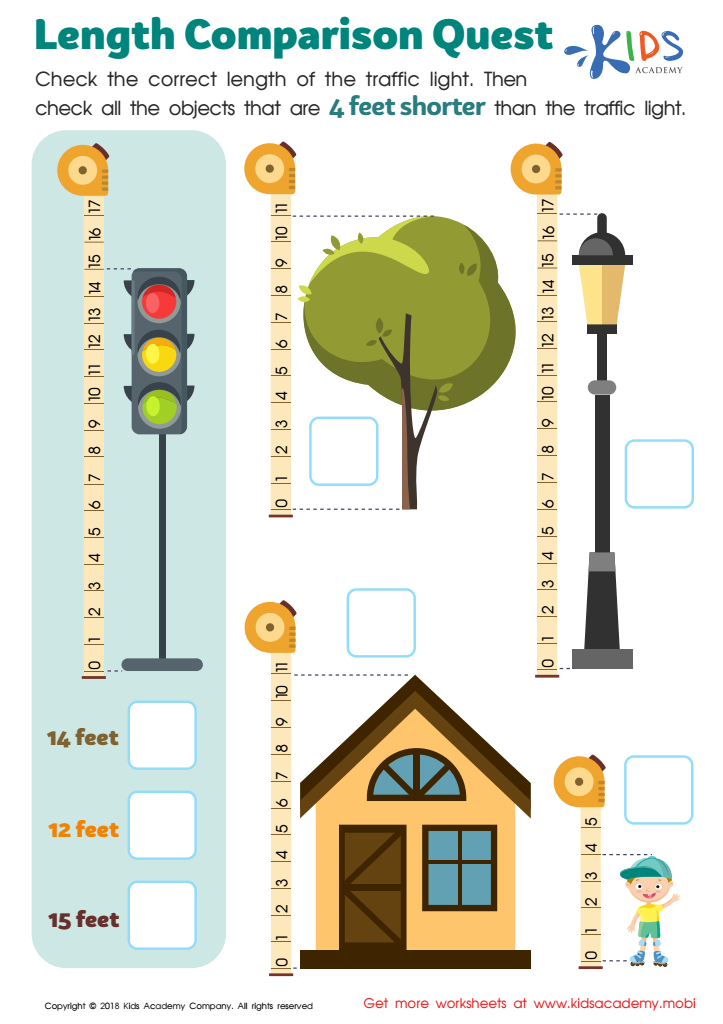
Length Comparison Quest Worksheet
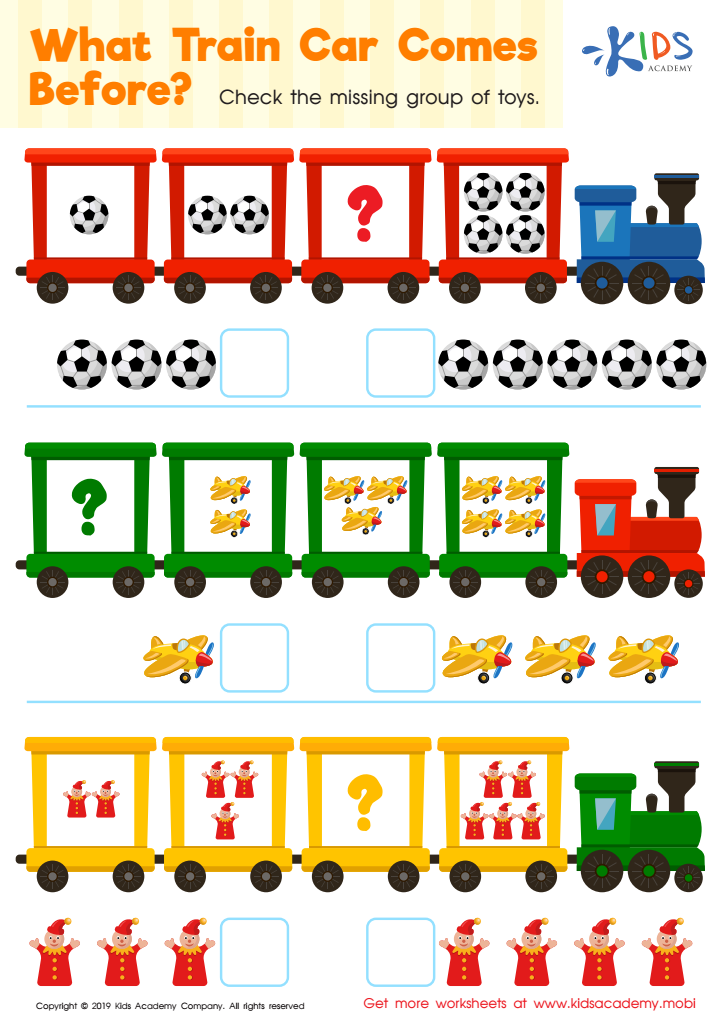
What Train Car Comes Before? Worksheet
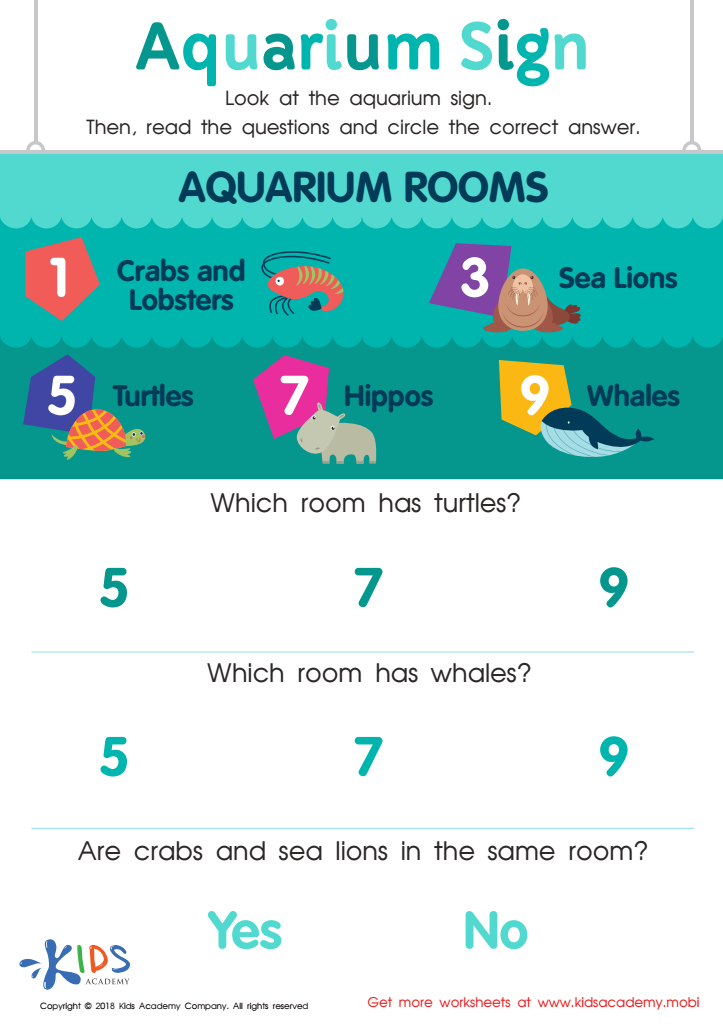
Assessment: Aquarium Sign Worksheet


.jpg)





Parents and teachers should deeply care about Critical Thinking Easy Math for children ages 3-7 because it not only builds foundational mathematical skills but also nurtures cognitive development essential for lifelong success. During early childhood, the brain is incredibly malleable, making it an ideal time to introduce critical and mathematical thinking. Engaging youngsters with math activities that promote problem-solving, logical reasoning, and analytical skills sets the stage for advanced learning.
Incorporating critical thinking in early math education encourages children to explore, question, and understand the 'why' behind mathematical concepts, rather than just memorizing numbers and procedures. This approach fosters a deeper appreciation and enjoyment of math, reducing anxiety and building confidence.
Moreover, skills like pattern recognition, categorization, and basic addition and subtraction are not just academic—they are practical tools useful in daily life. Critical thinking empowers children to make sense of the world, solve everyday problems, and develop resilience in facing challenges.
For parents and teachers, emphasizing these skills ensures children are not only meeting academic benchmarks but are also gaining competencies that will benefit them across various spheres, including social interactions and future career endeavors. Early introduction to these concepts can have a profound impact on a child’s overall development and academic trajectory.








