Shape Recognition Easy Math Worksheets for Ages 3-7
17 filtered results
-
From - To
Shape Recognition Easy Math Worksheets for Ages 3-7: Boost your child's foundational math skills with our engaging Shape Recognition worksheets designed specifically for ages 3-7. Through fun activities, colorful illustrations, and interactive exercises, young learners will identify, trace, and differentiate shapes. These worksheets not only foster early math skills but also enhance visual perception and fine motor abilities. Perfect for preschool and early elementary students, our easy-to-follow activities promise an exciting learning experience. Whether for classroom use or at-home practice, help your child build confidence in math while having fun with shapes! Download now and watch them thrive.
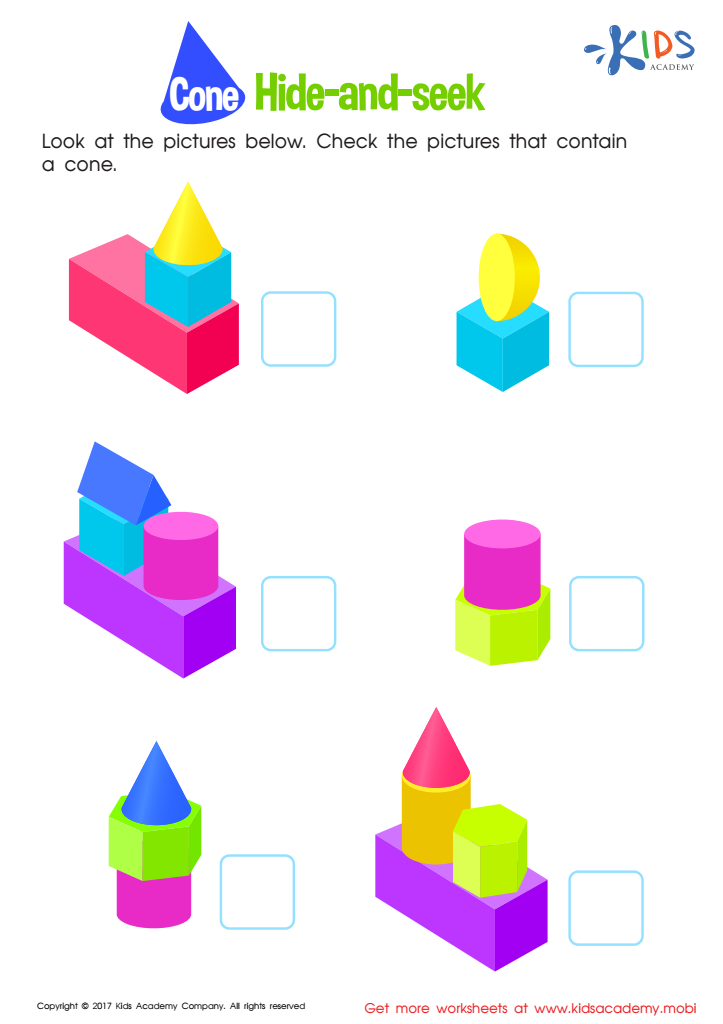
Cone Hide-and-Seek Worksheet
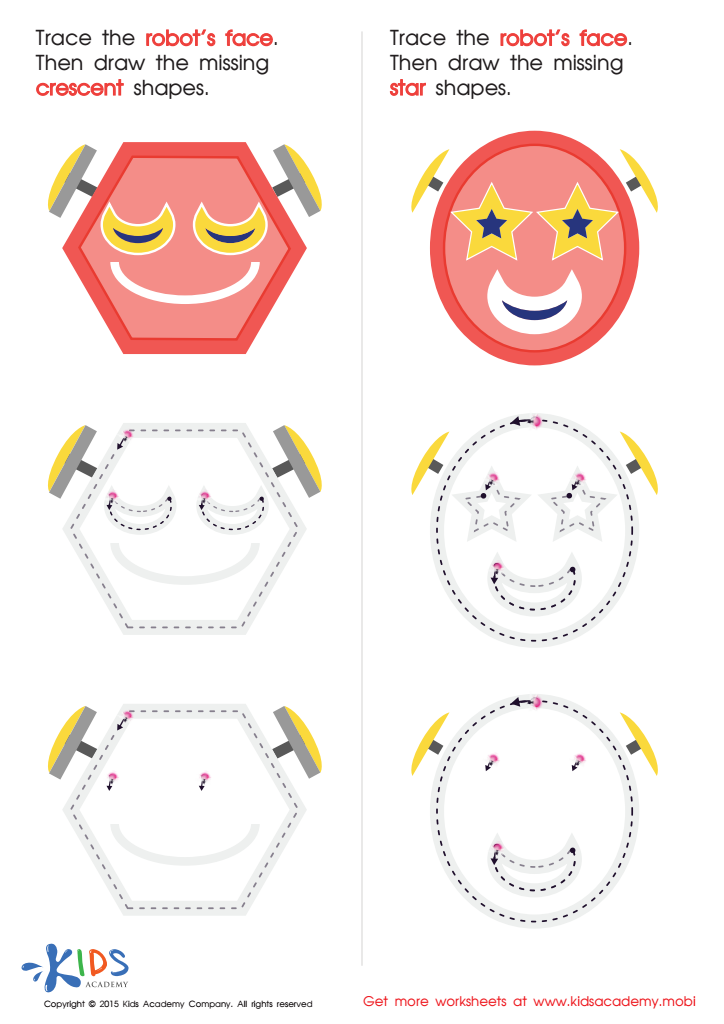
Composing a Robot's Face of Crescents And Stars Worksheet
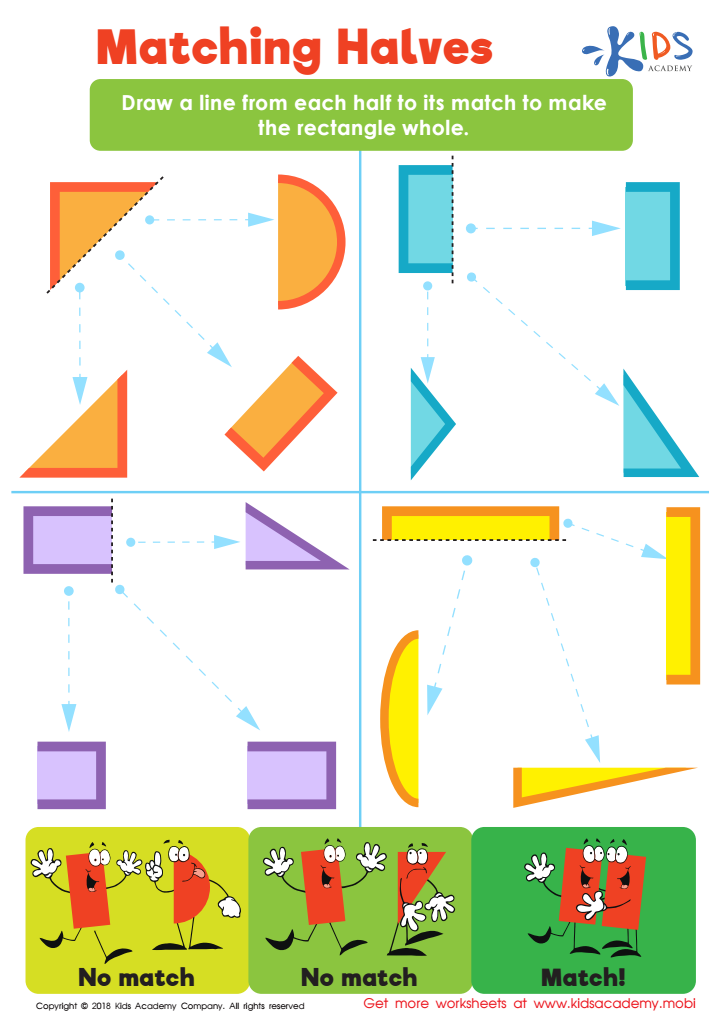
Matching Halves Worksheet
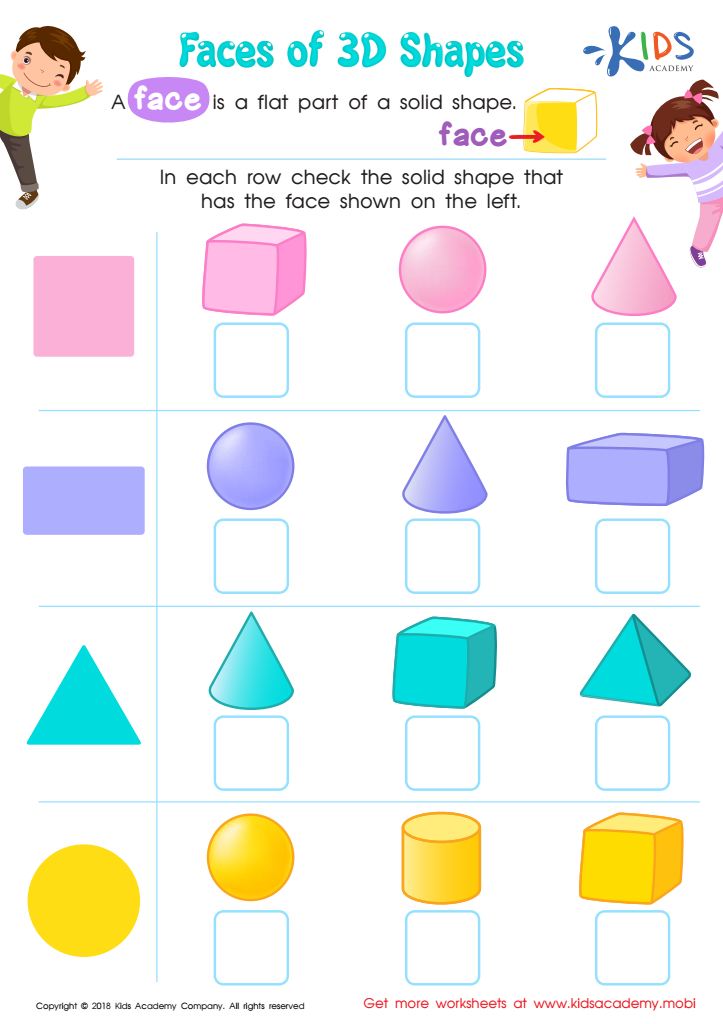
Faces of 3D Shapes Worksheet
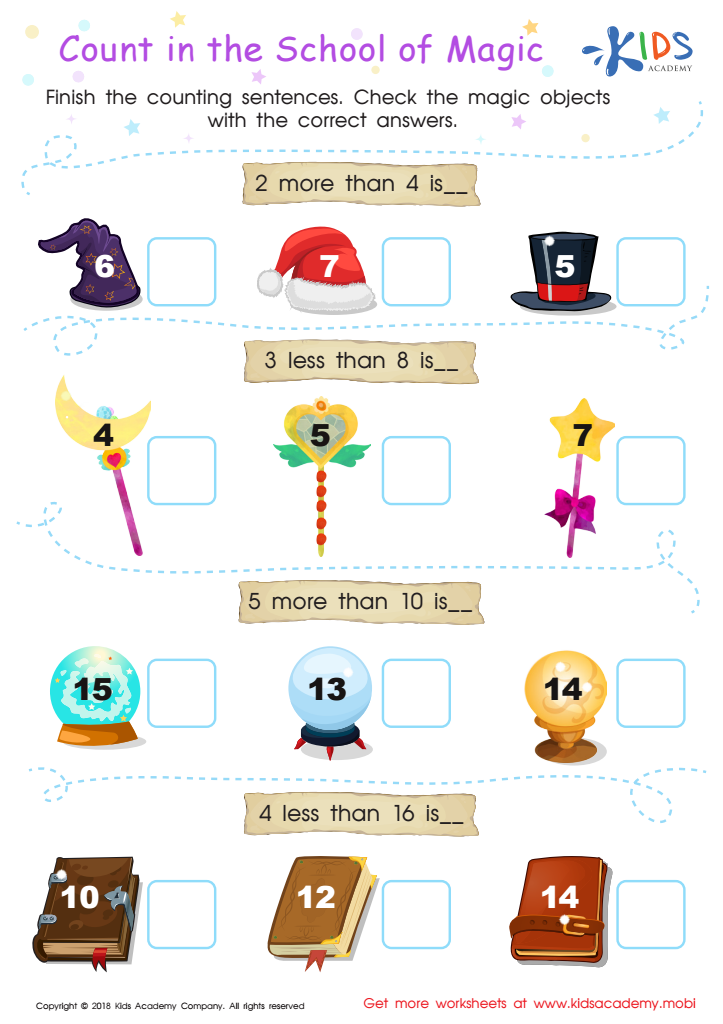
Count in the School of Magic Worksheet
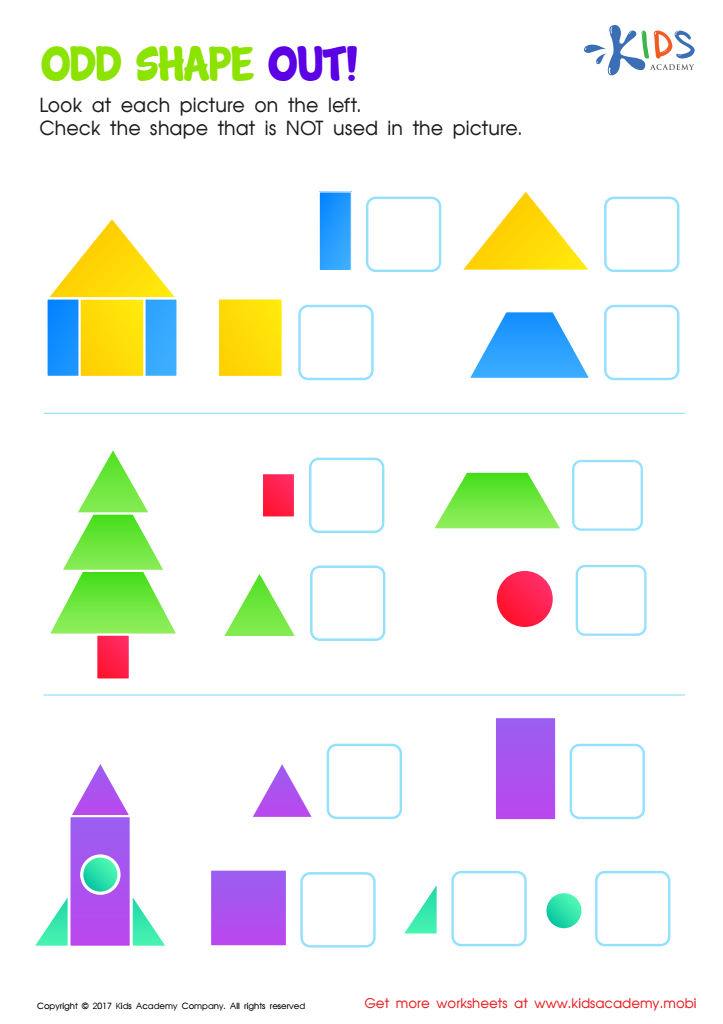
Odd Shape Out Worksheet for Grade 1
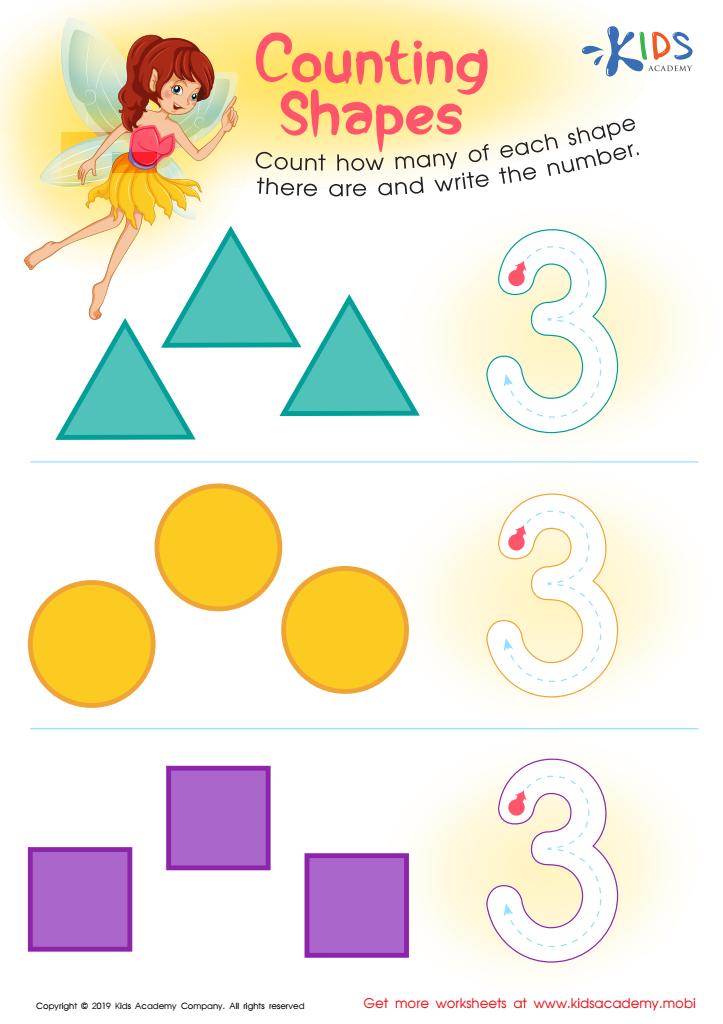
Counting Shapes Worksheet
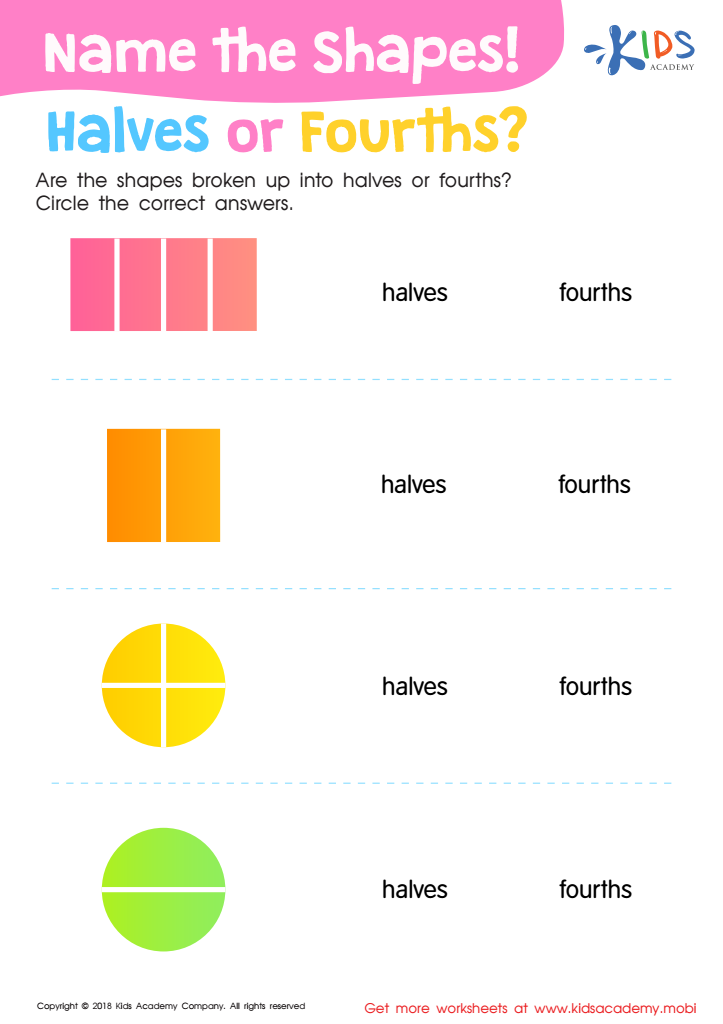
Name the Shapes Halves or Fourths? Worksheet
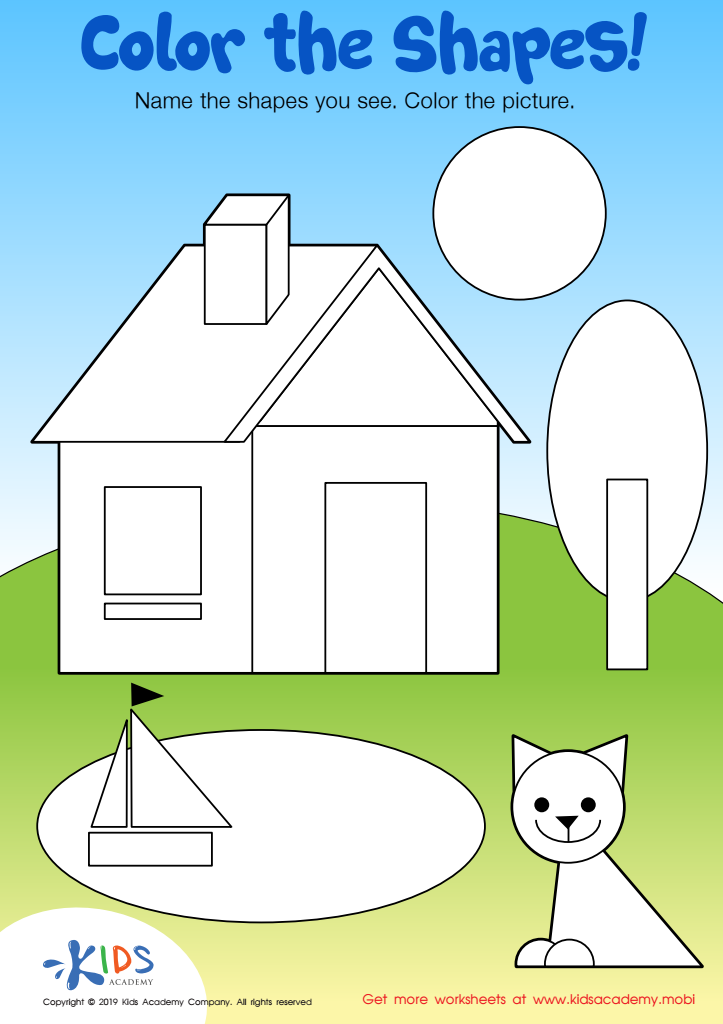
Color the Shapes Worksheet
 Assign to My Students
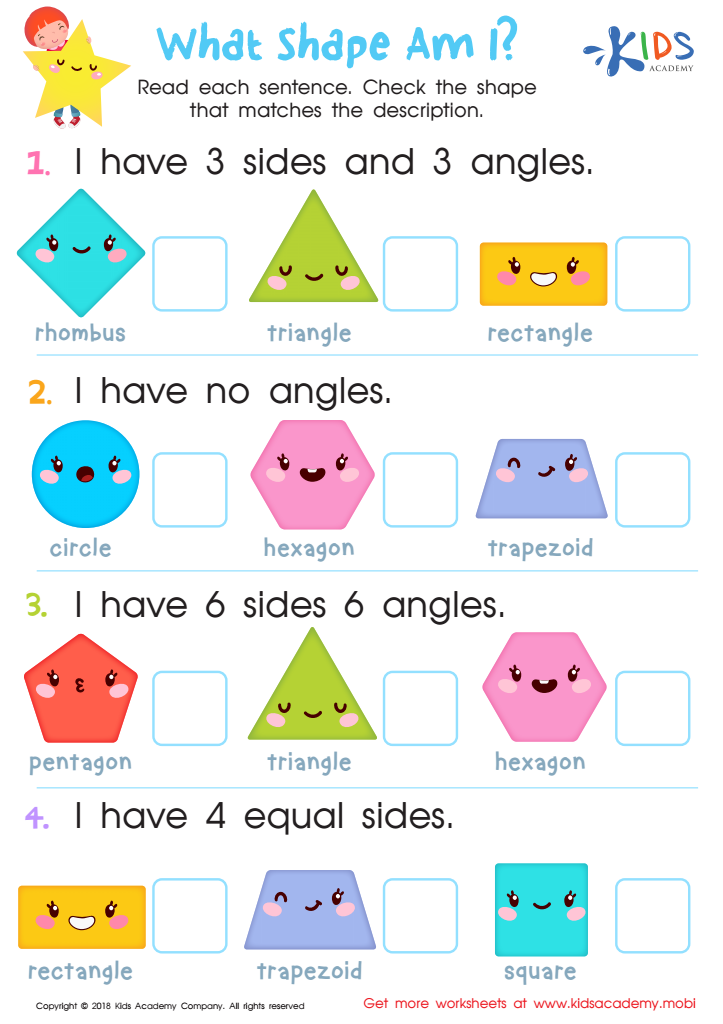
What Shape Am I? Worksheet
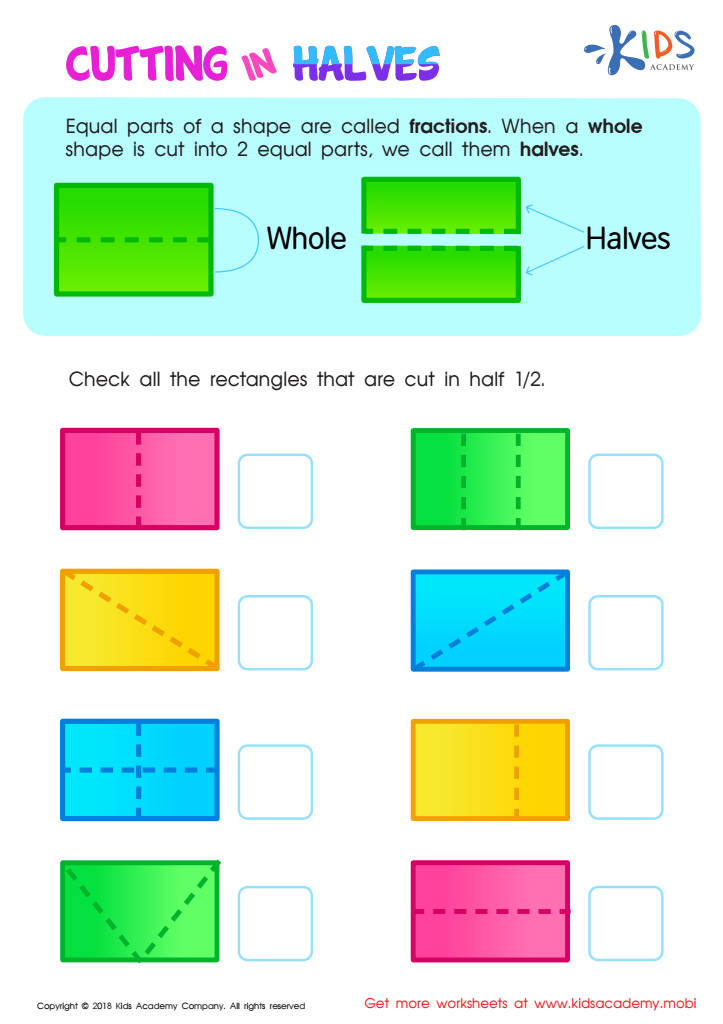
Cutting in Halves Worksheet
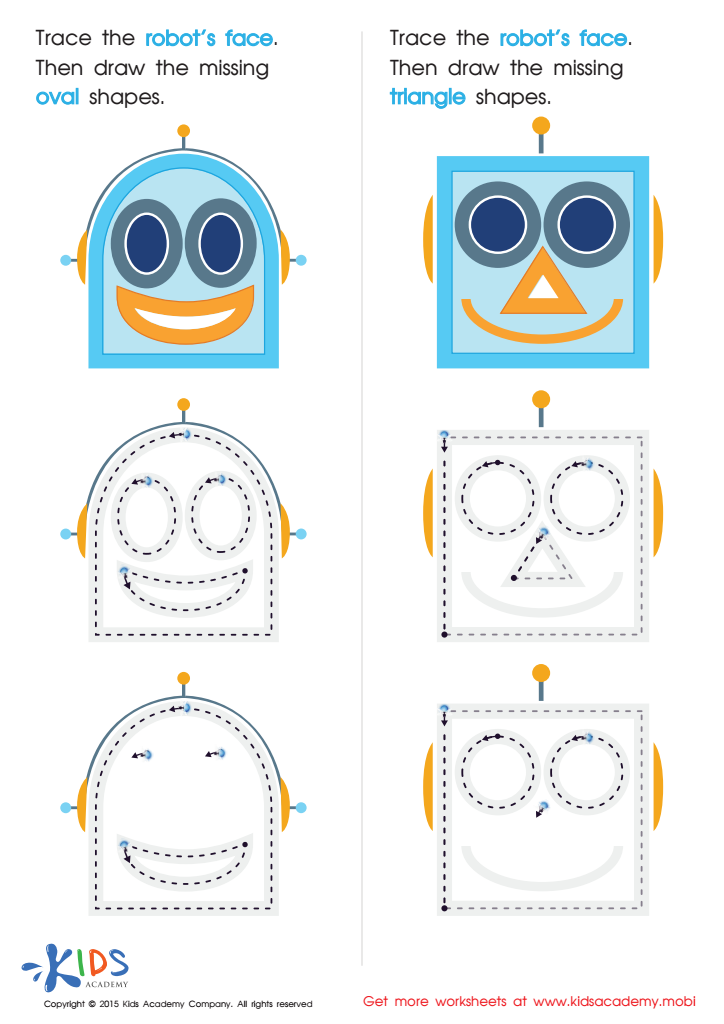
Drawing Ovals And Triangles with Fun Printable
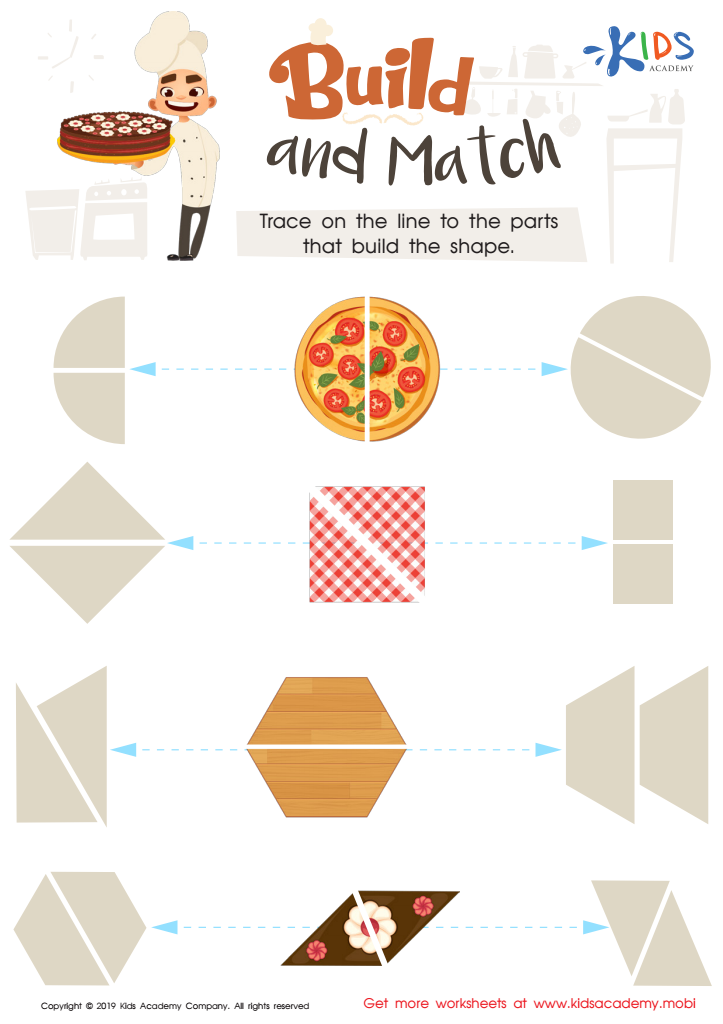
Build and Match Worksheet
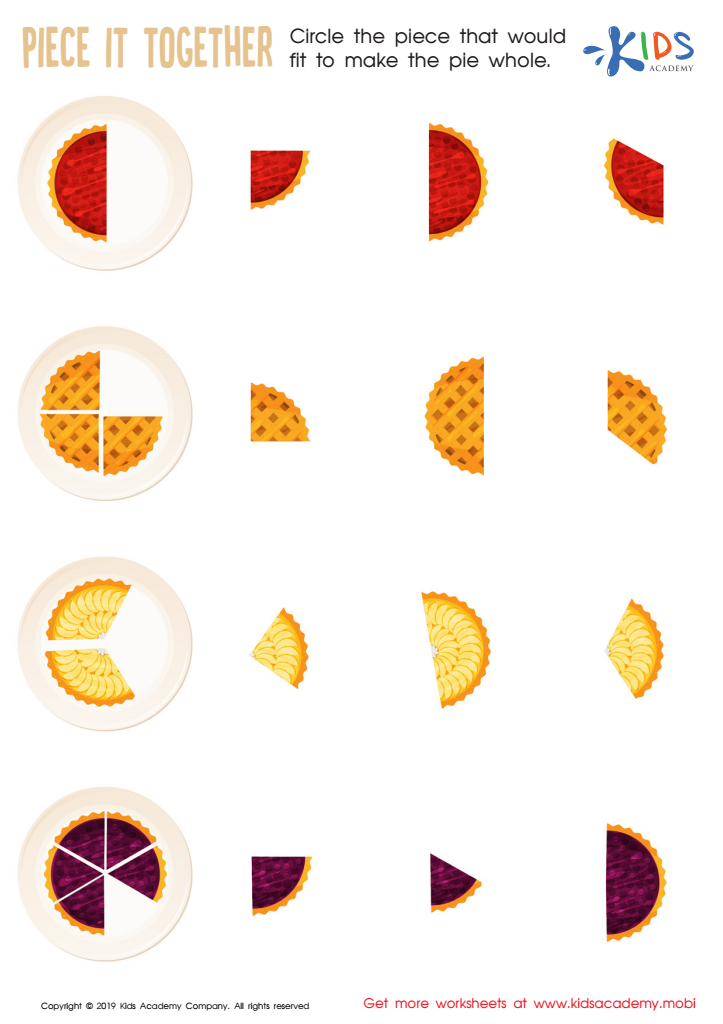
Piece it together Worksheet
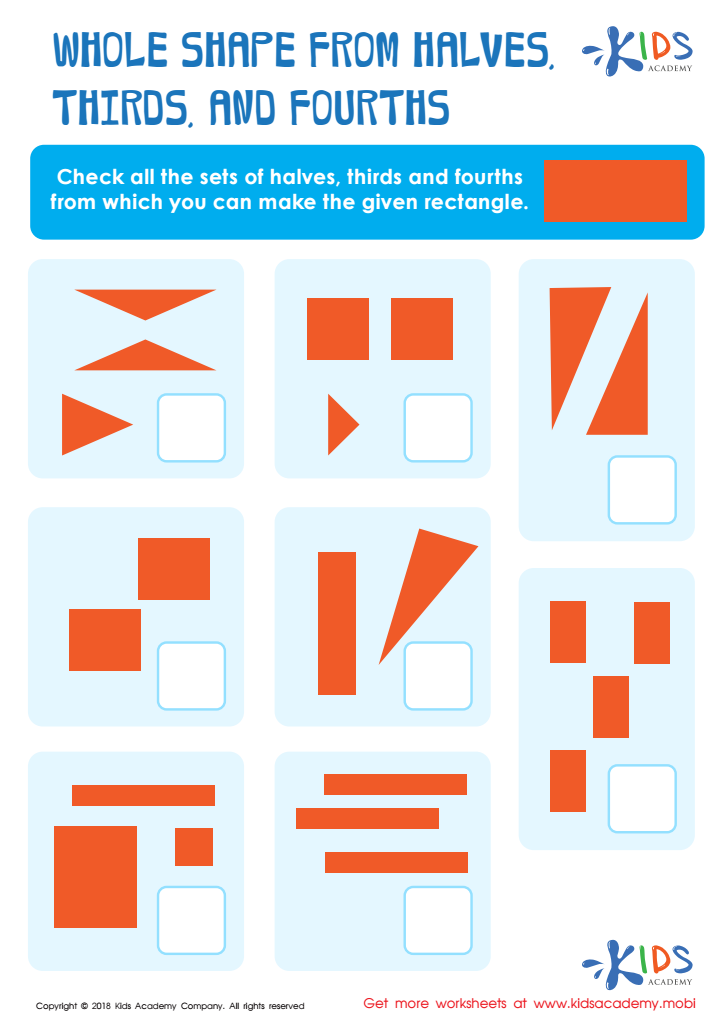
Whole Shape from Halves, Thirds and Fourths Worksheet
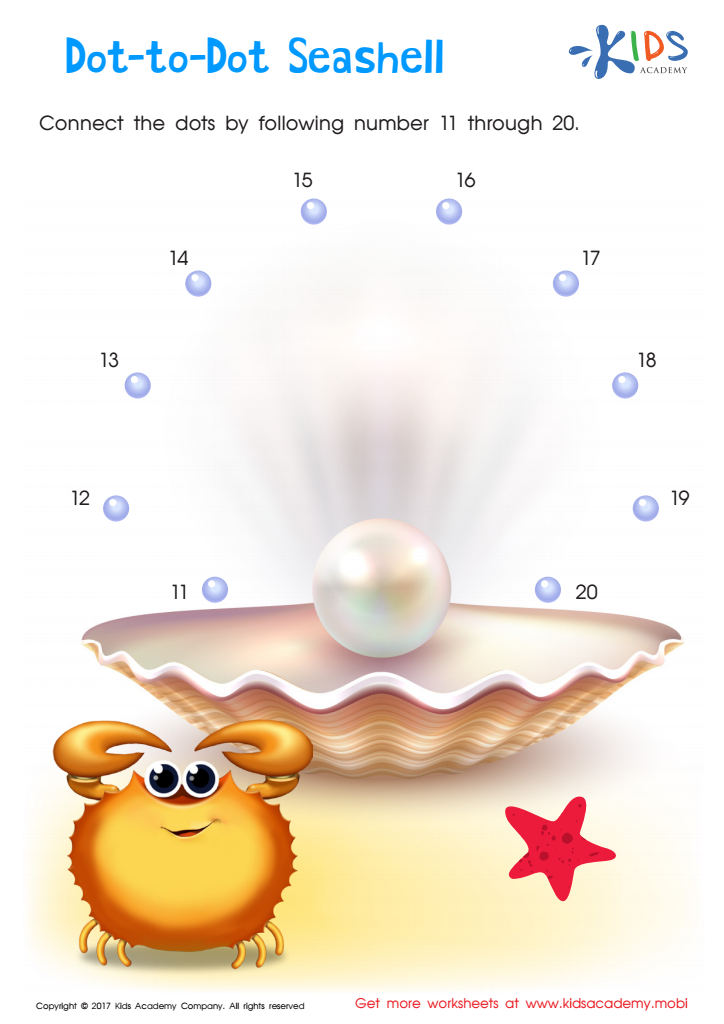
Ordering 11–20: Dot–to–dot Seashell Printable
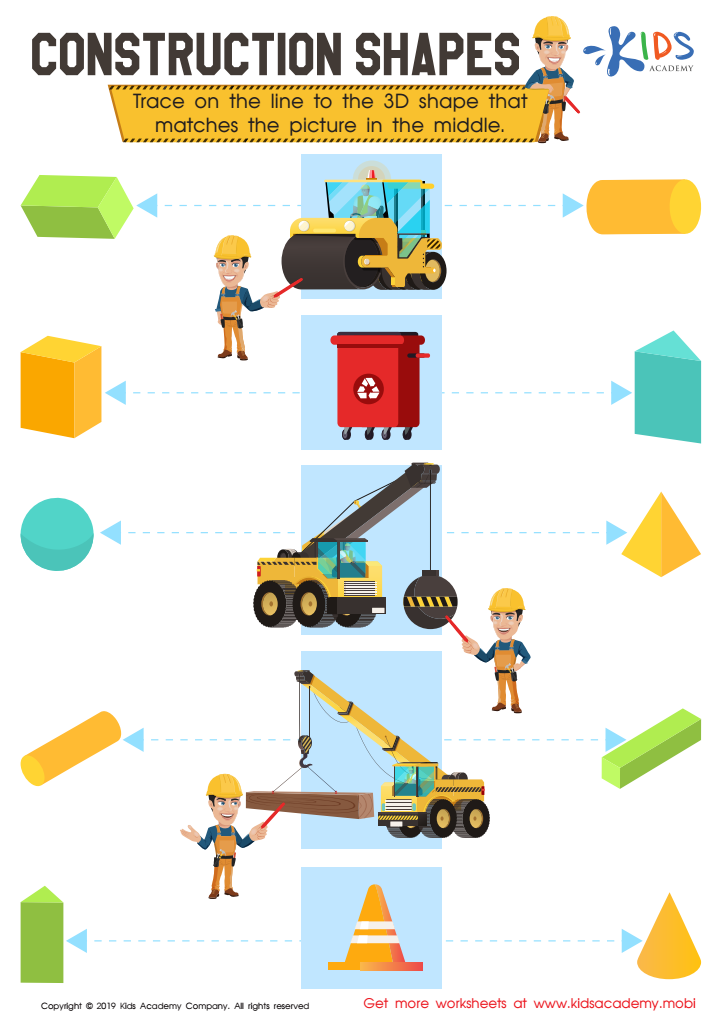
Construction Shapes Worksheet






.jpg)

Shape recognition is a fundamental skill in early childhood education, crucial for cognitive and academic development. For children aged 3-7, learning shapes is not just about identifying circles, squares, or triangles. It lays the groundwork for more complex mathematical concepts and problem-solving skills later on.
Firstly, understanding shapes enhances spatial awareness. Children learn to understand how different shapes fit together, which is vital for tasks ranging from puzzle-solving to geometry. Shape recognition also plays a critical role in developing fine motor skills when children trace or draw shapes.
Secondly, early familiarity with shapes supports language and literacy development. As kids learn the names of various shapes and their features (e.g., the number of sides), they expand their vocabulary and descriptive language skills. This verbally expressive ability is integral to effective communication and literacy.
Furthermore, recognizing shapes in their environment strengthens analytical skills. Differentiating between a round clock, a square book, or a triangular sign helps children categorize and organize information.
For teachers and parents, incorporating shape recognition into daily activities not only makes learning enjoyable but also bridges foundational skills and higher-level academic concepts. Simply put, fostering shape recognition in young children helps to create a solid framework on which to build future educational success.








