Alphabet Recognition Easy Alphabet Worksheets for Ages 3-8
9 filtered results
-
From - To
Introducing our "Alphabet Recognition Easy Alphabet Worksheets," designed specifically for children ages 3-8! These engaging worksheets provide a fun and interactive way for young learners to recognize and become familiar with letters of the alphabet. Featuring colorful illustrations and simple activities, children will enjoy tracing, identifying, and matching letters, enhancing their pre-reading skills. Our activities support fine motor skills development while fostering a love for learning. Perfect for classroom settings or at-home practice, these worksheets cater to various learning styles and abilities. Start your child's literacy journey today with our expertly crafted materials that make learning the alphabet enjoyable!
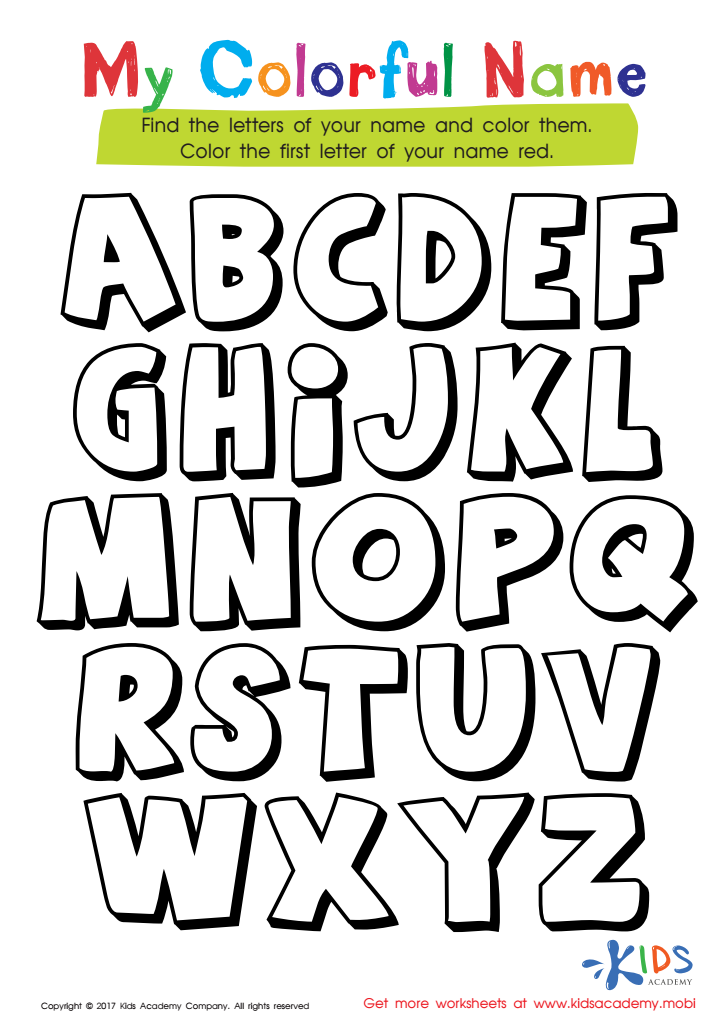
My Colorful Name Worksheet
 Assign to My Students
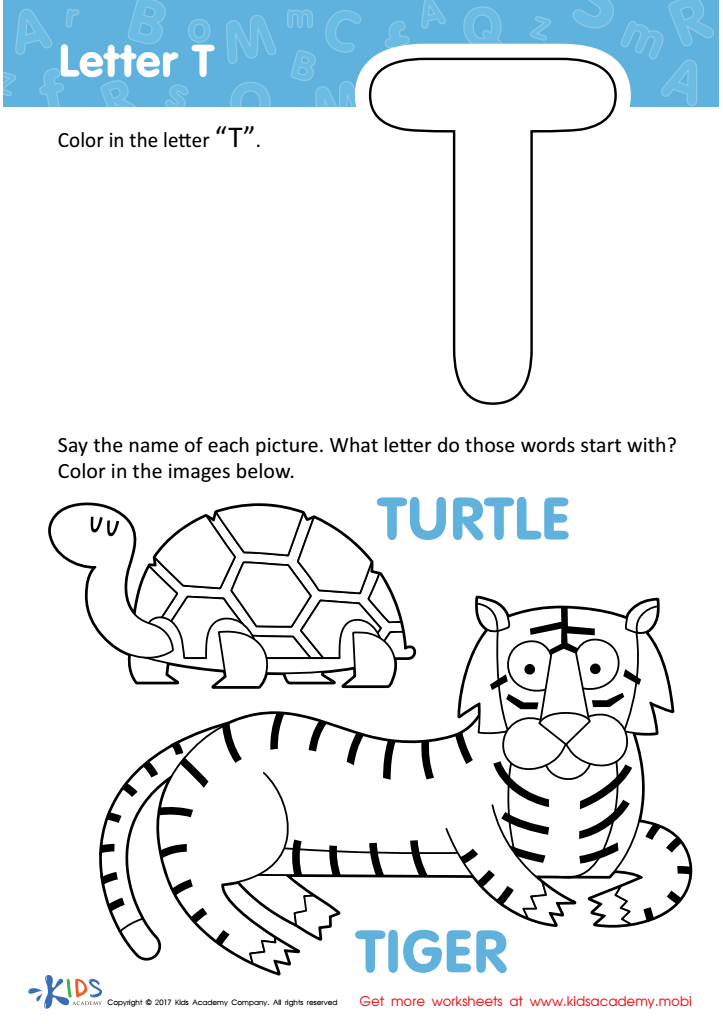
Letter T Coloring Sheet
Assign to My Students
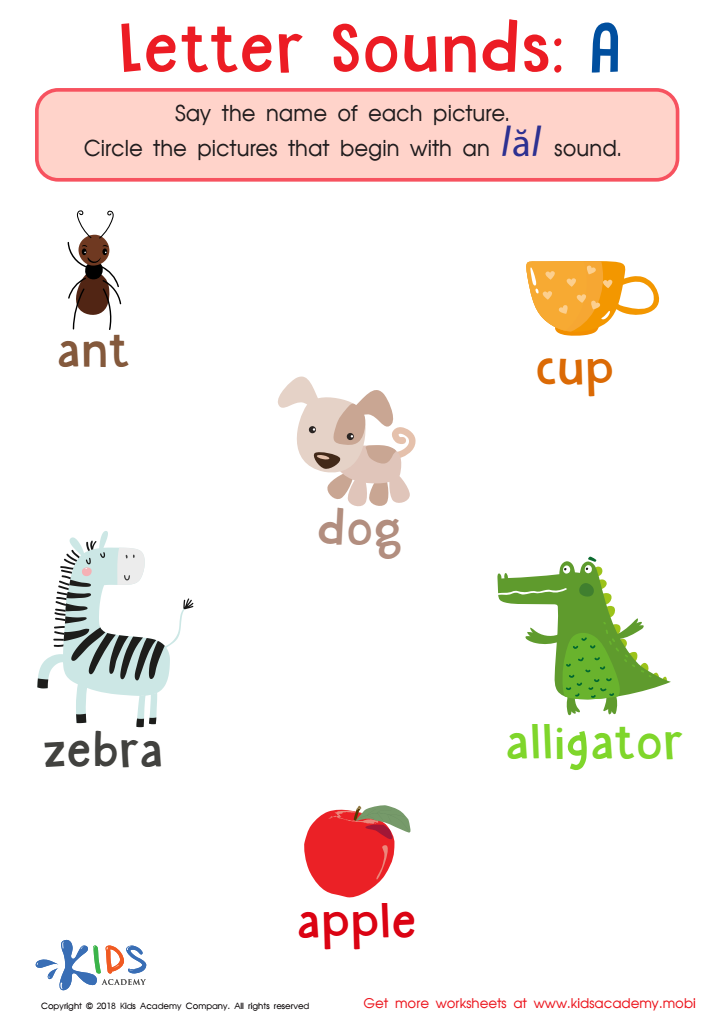
Letter A Sounds Worksheet
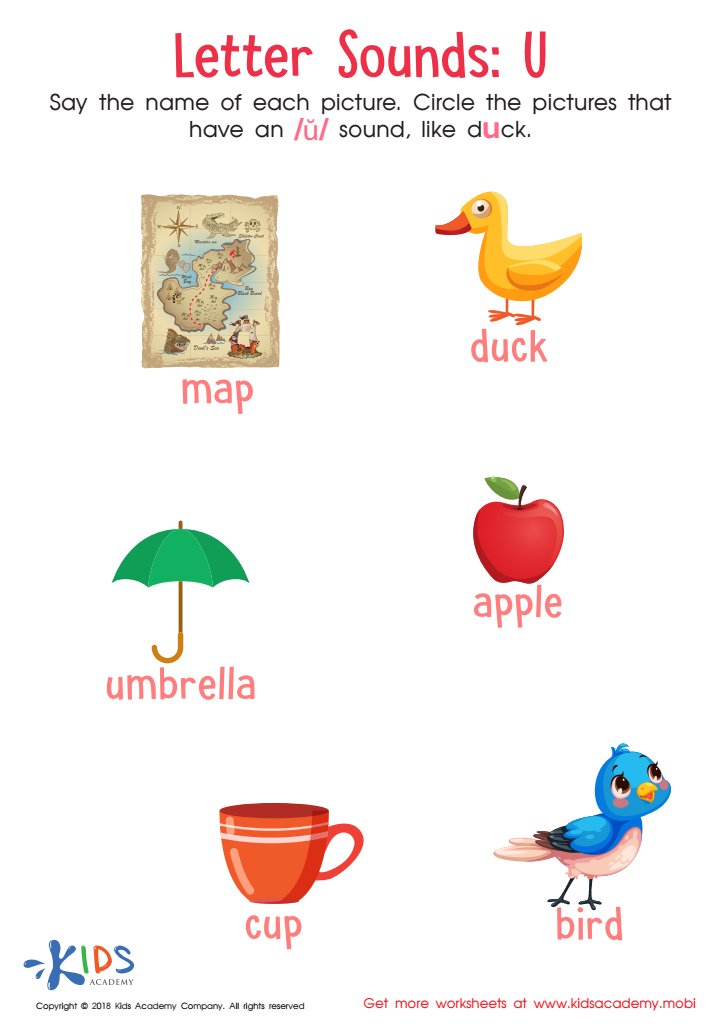
Letter U Sounds Worksheet
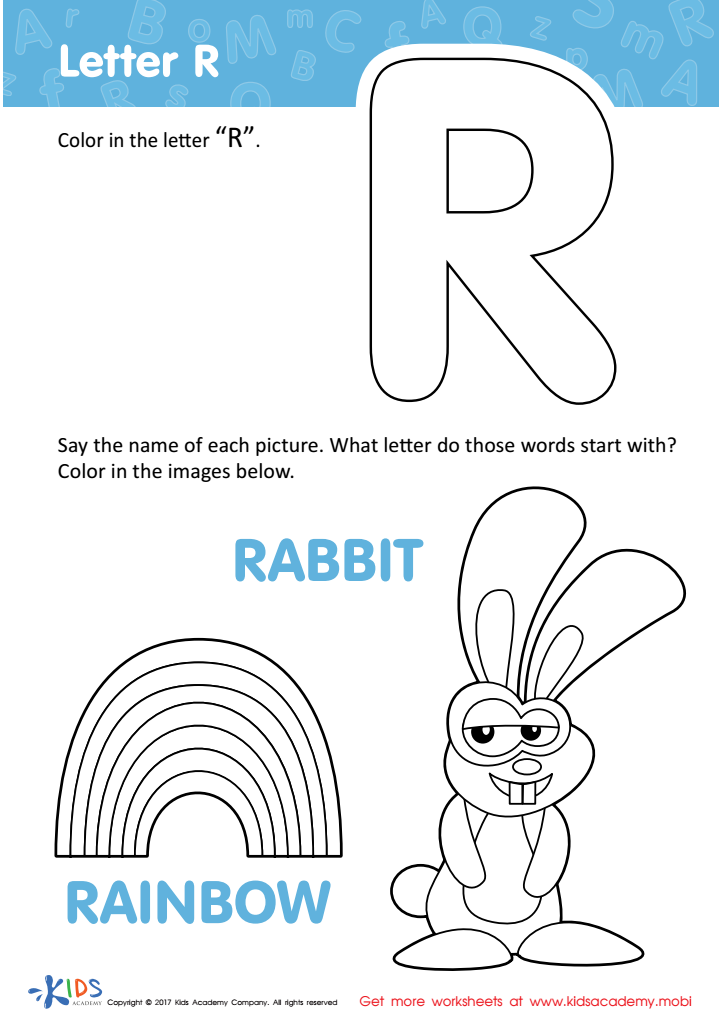
Letter R Coloring Sheet
Assign to My Students
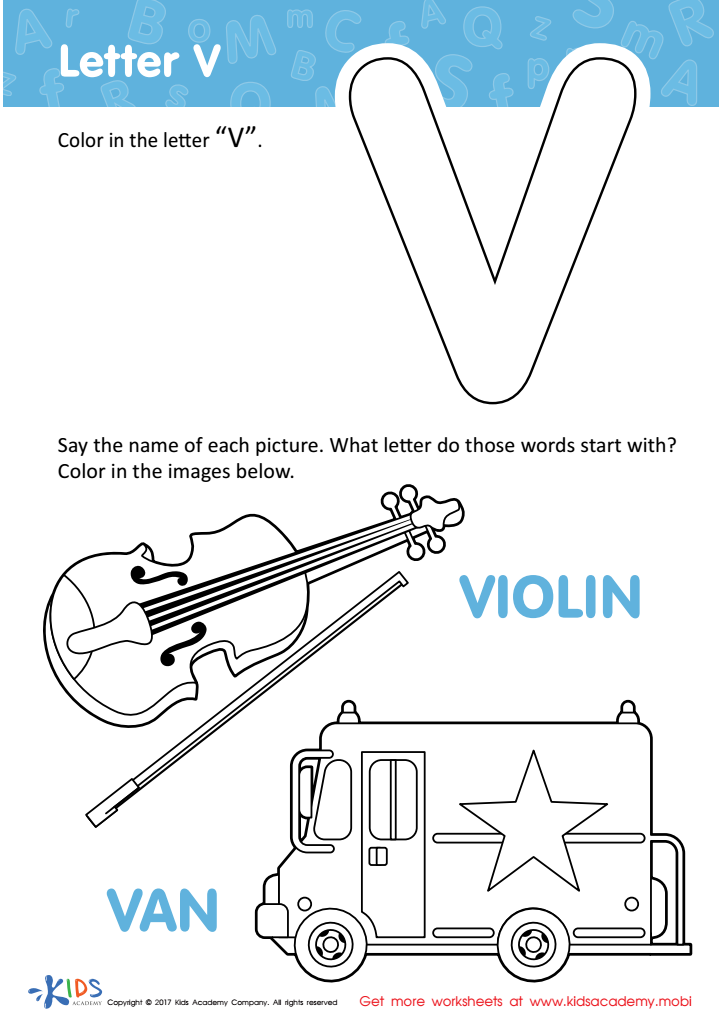
Letter V Coloring Sheet
Assign to My Students
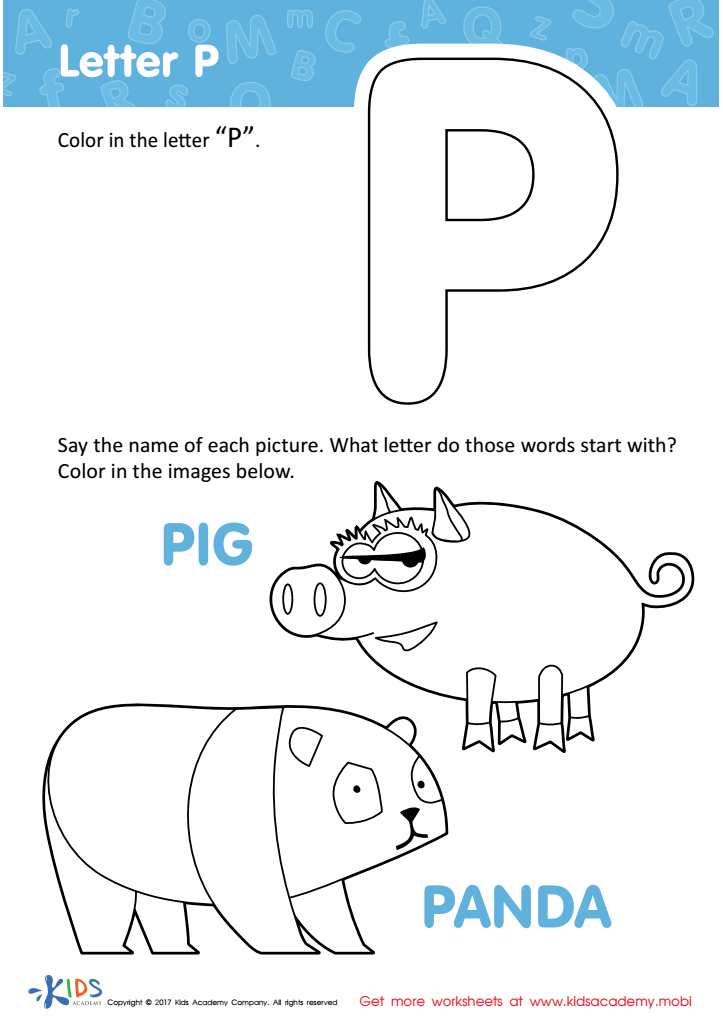
Letter P Coloring Sheet
Assign to My Students
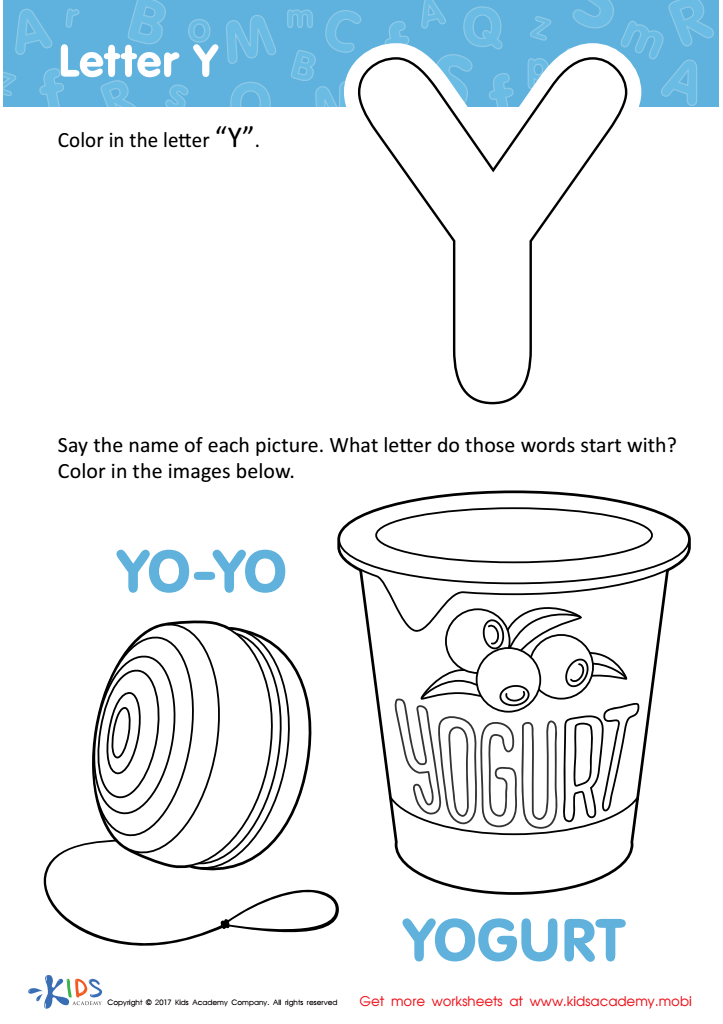
Letter Y Coloring Sheet
Assign to My Students
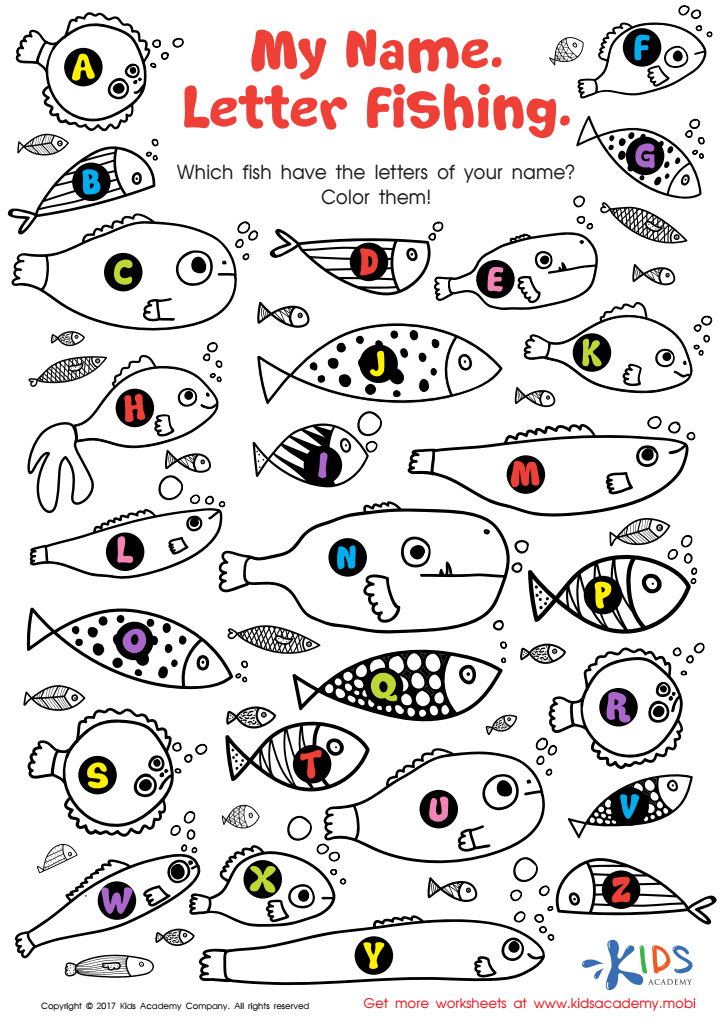
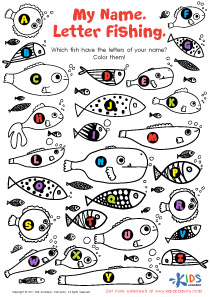
My Name: Letter Fishing Worksheet
Assign to My Students






.jpg)
Alphabet recognition is a foundational skill that significantly impacts a child's early literacy development. Parents and teachers should prioritize "Easy Alphabet" learning activities for children aged 3-8 for several reasons.
Firstly, recognizing letters is a crucial stepping stone toward reading proficiency. When children can identify both uppercase and lowercase letters, they gain the skills necessary to comprehend written words. This ability lays the groundwork for vocabulary expansion and effective communication.
Secondly, engaging with interactive and enjoyable alphabet recognition methods fosters a love for learning. By using colorful visuals, songs, and games, children are more likely to remain engaged and motivated. This playful approach not only reinforces letter recognition but also strengthens fine motor skills when they write or trace letters.
Moreover, alphabet recognition supports cognitive development. Children learn to categorize and differentiate between symbols, which enhances critical thinking and problem-solving abilities. Additionally, strong alphabet knowledge ensures children feel confident as they begin to encounter texts, leading to a more positive and less stressful learning experience.
In summary, prioritizing alphabet recognition through fun and educational means can create a strong literacy foundation, fostering lifelong learning and communication skills in young learners.