Phonics recognition Easy Alphabet Worksheets for Ages 3-8
5 filtered results
-
From - To
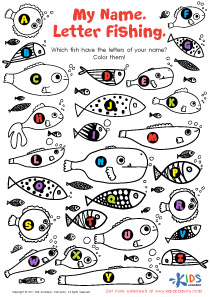
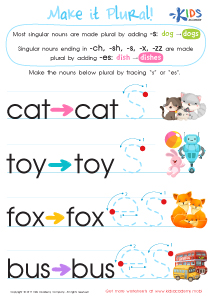
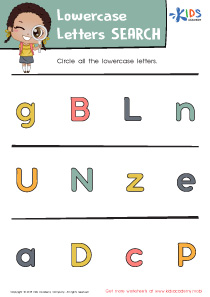
Unlock your child's reading potential with our Phonics Recognition Easy Alphabet Worksheets designed for ages 3-8! These engaging, colorful worksheets make learning the alphabet fun and approachable for young learners. Focusing on phonics, these worksheets help children recognize and pronounce letters and sounds with confidence. Ideal for preschool through early elementary students, our printable materials are perfect for reinforcing foundational literacy skills. Watch your child's phonemic awareness grow as they enjoy tracing, matching, and identifying letters. Spark a love for reading today with our effective and entertaining phonics worksheets!
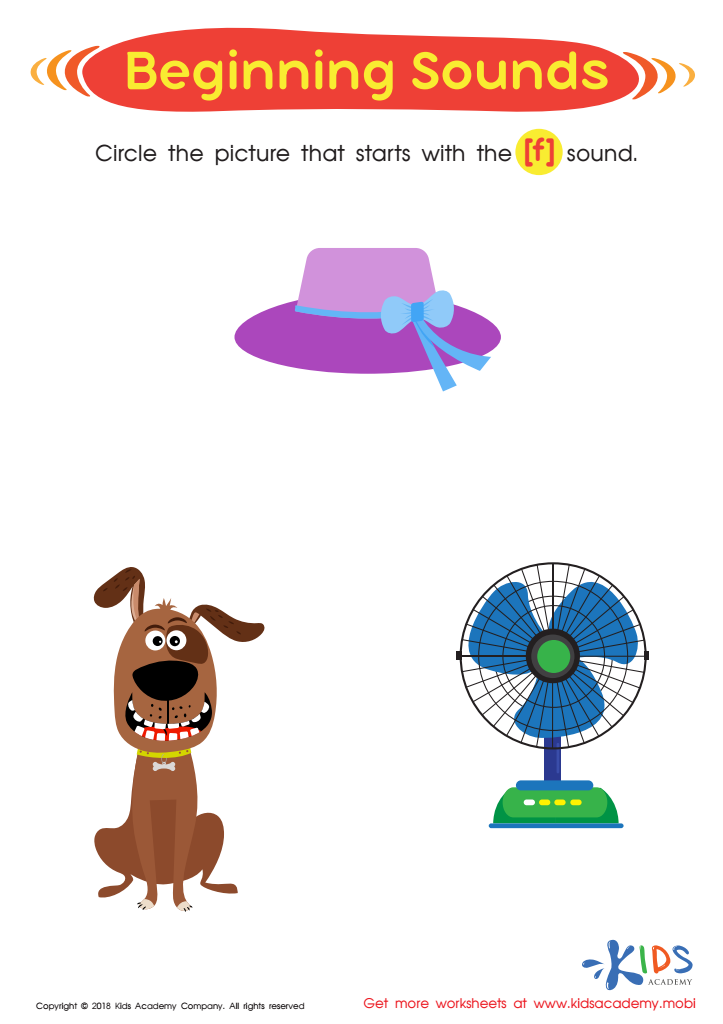
Beginning Sounds Assessment Printable
 Assign to My Students
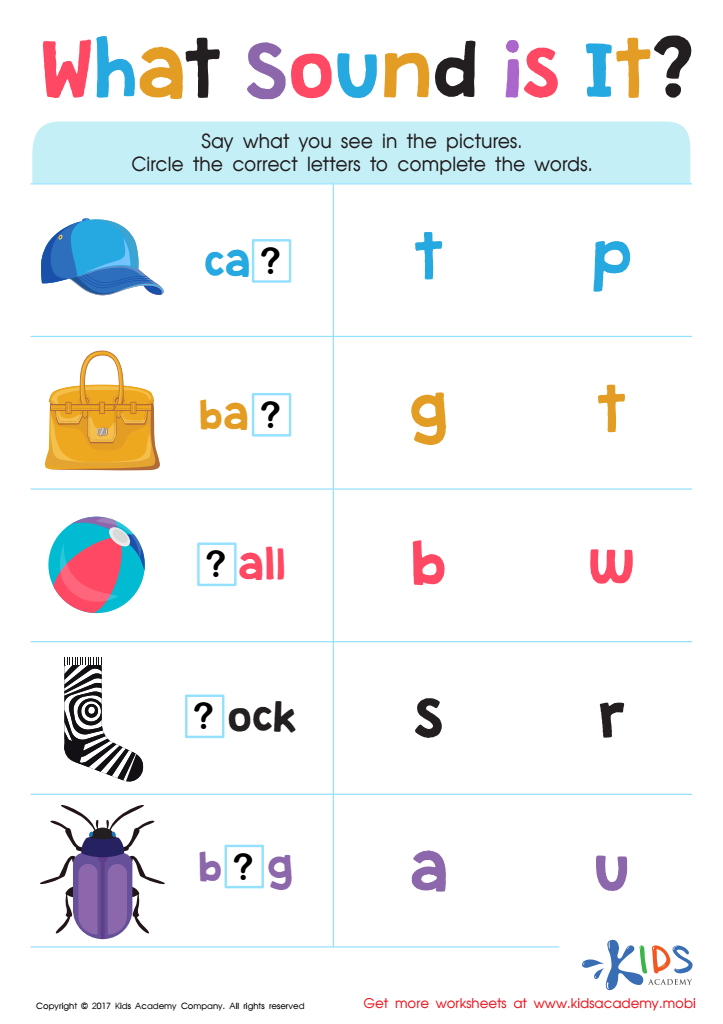
What Sound Is it? Worksheet
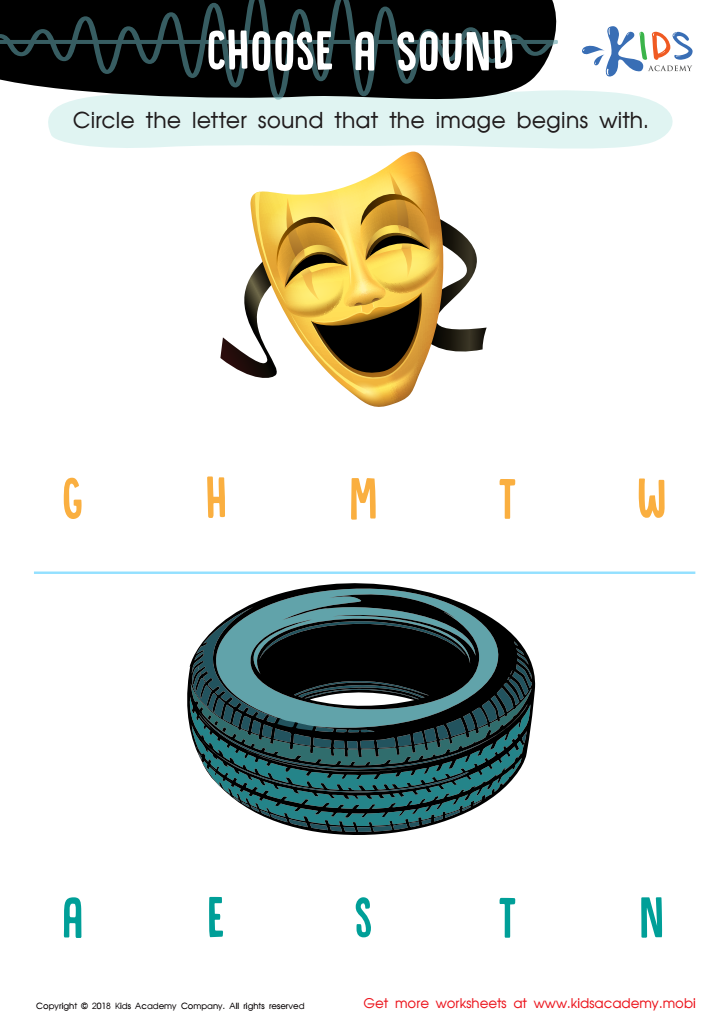
Choose a Sound Worksheet
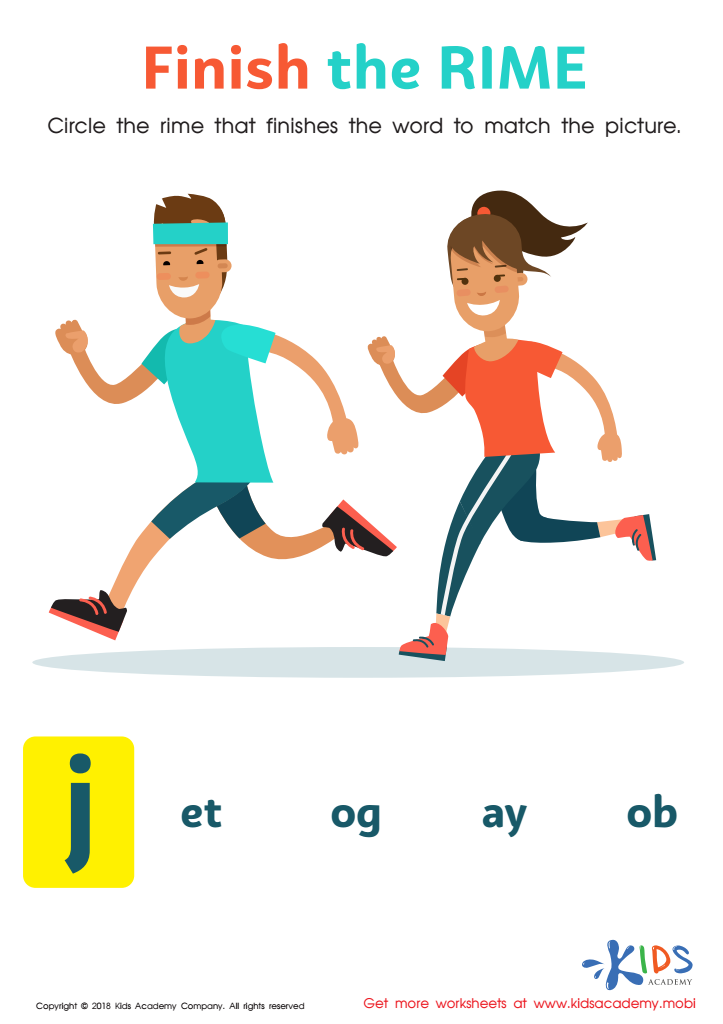
Finish the Rime Worksheet
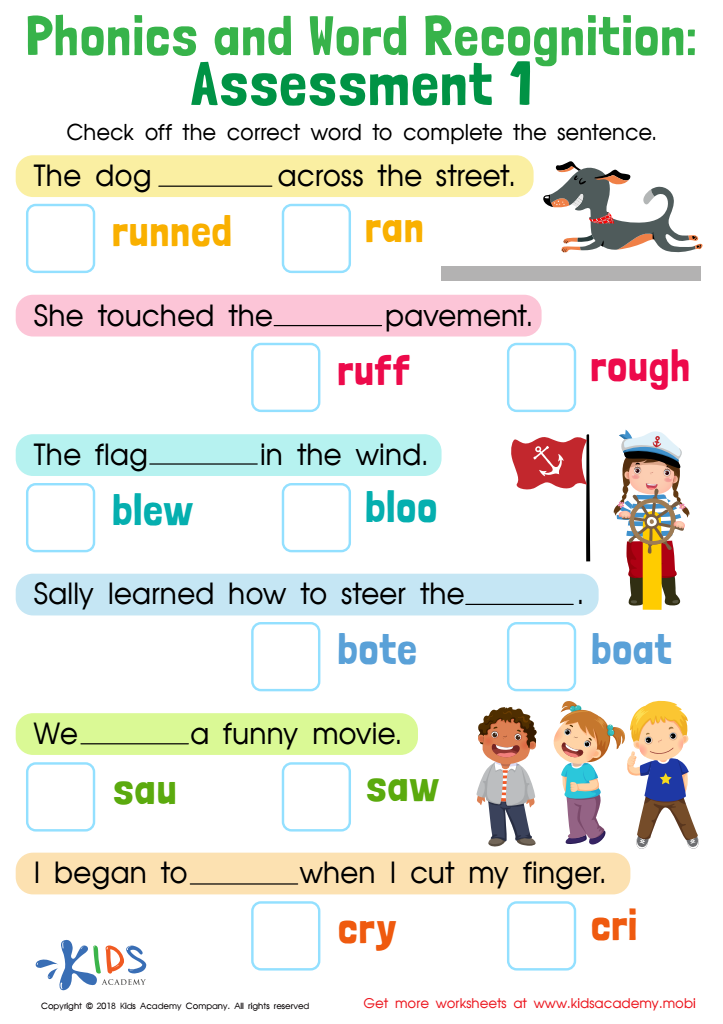
Phonics and Word Recognition: Assessment 1 Worksheet







Phonics recognition and mastering the alphabet are fundamental elements in early childhood education. For ages 3-8, these skills form the bedrock of future literacy, enabling children to connect sounds with letters and read words efficiently. Phonics instruction simplifies the process of decoding words, aiding in smoother transitions from simple to more complex reading levels. When parents and teachers prioritize phonics, they set children on paths toward better comprehension and academic success.
For parents, engaging in phonics activities supports their child's learning at home, transforming these moments into invaluable educational experiences. Through consistent practice, children develop stronger listening, speaking, and reading skills, fostering a lifelong love for learning and reading.
Teachers benefit from incorporating phonics by witnessing improved student performance and classroom dynamics. As children demonstrate proficiency in reading and comprehension, their confidence and interest in other subject areas grow. This early success builds a strong academic foundation, reducing future learning difficulties and ensuring more positive educational outcomes.
In essence, phonics and alphabet recognition not only streamline the reading process but also set children up for a holistic academic journey, promoting effective communication, critical thinking, and a zest for lifelong learning.