Writing practice Easy Alphabet Worksheets for Ages 3-8
3 filtered results
-
From - To
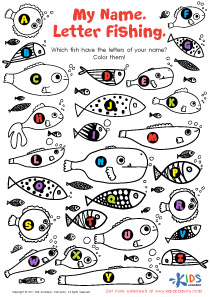
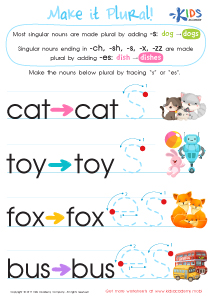
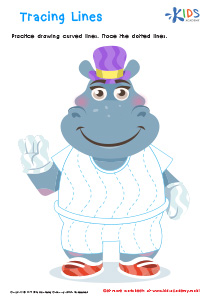
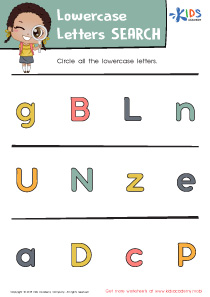
Welcome to our Writing Practice Easy Alphabet Worksheets, designed specifically for children ages 3-8! Our engaging worksheets make learning the alphabet fun and interactive, fostering essential writing skills in young learners. Each worksheet features colorful, kid-friendly designs and simple activities that help kids practice letter formation, develop fine motor skills, and gain confidence in their writing abilities. With a range of exercises, including tracing letters and phonetic recognition, these resources are perfect for parents and educators looking to enhance early literacy. Start your child’s journey towards writing proficiency with our easy-to-use worksheets today!
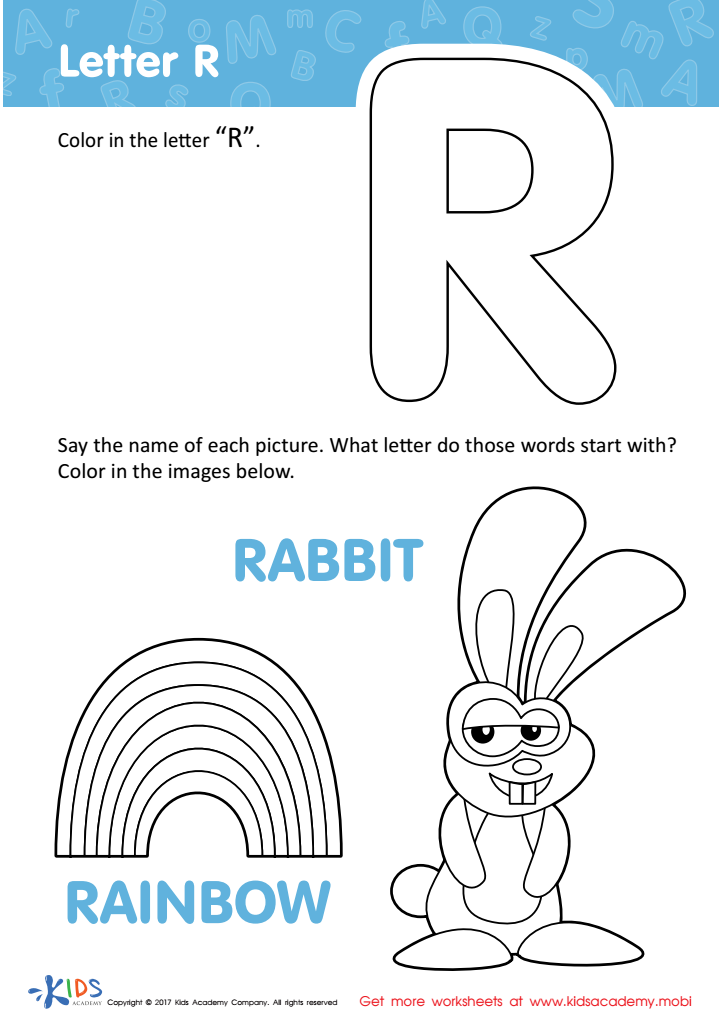
Letter R Coloring Sheet
 Assign to My Students
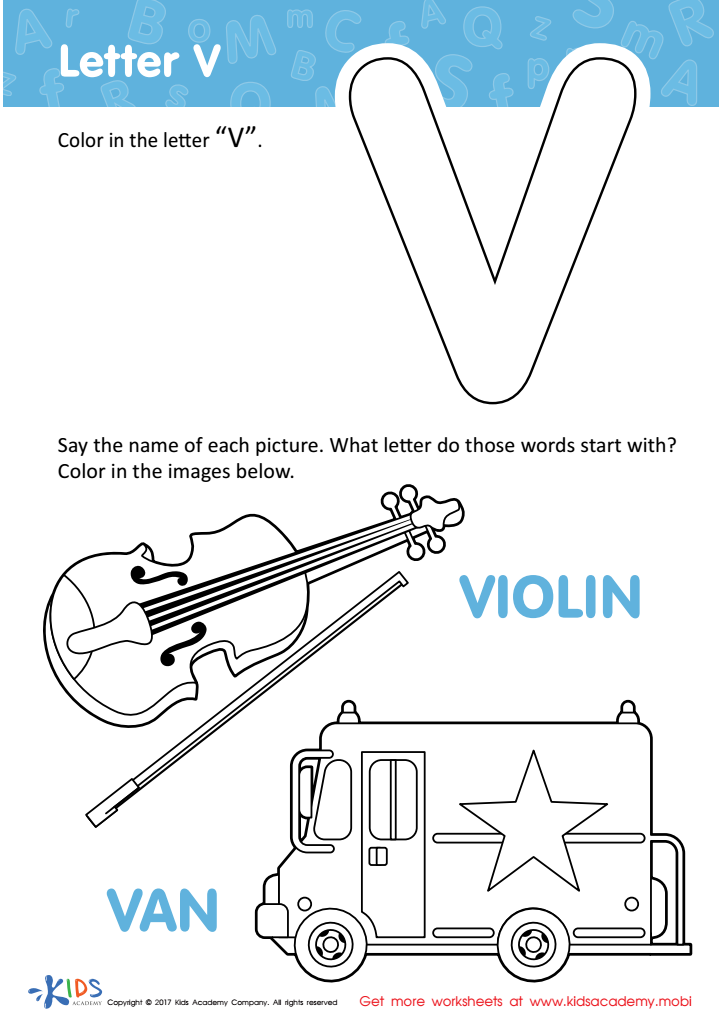
Letter V Coloring Sheet
Assign to My Students
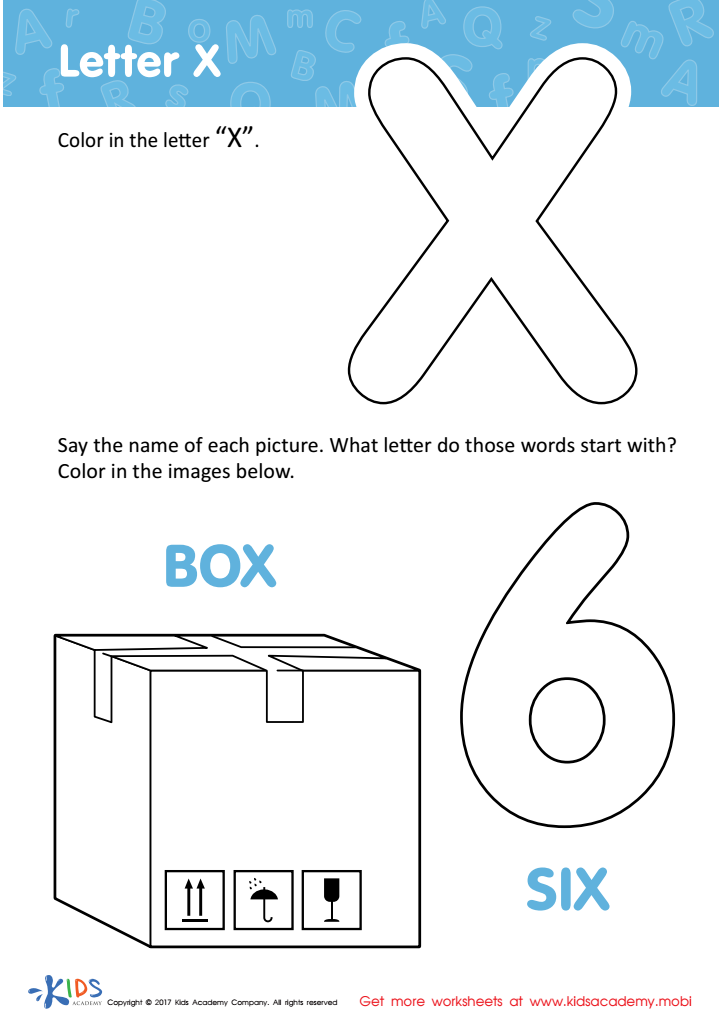
Letter X Coloring Sheet
Assign to My Students








Writing practice is crucial for children aged 3-8, as this foundational skill significantly impacts their overall development and academic success. Focusing on the Easy Alphabet during these formative years fosters essential cognitive abilities. Firstly, learning to write the alphabet enhances fine motor skills, helping children develop better hand-eye coordination and dexterity, which are vital for future tasks like drawing and typing.
Moreover, writing the alphabet aids in letter recognition, a critical component of early literacy. As children gain familiarity with the shapes and sounds of letters, they become more confident readers and spellers, facilitating a smoother transition to more complex language skills. This early writing practice is linked to improved communication skills, as children learn to express ideas and emotions through written words.
Additionally, engaging in writing activities can be a fun and interactive way to bond with parents and caregivers. It offers opportunities for social interaction and enhances language development as children narrate stories or describe their drawings.
Overall, prioritizing writing practice for the Easy Alphabet is essential for fostering a love of learning, building literacy, and preparing children for future educational challenges. Parents and teachers should actively encourage this practice to cultivate a well-rounded, capable learner.