Alphabet Recognition Easy Letter Recognition Worksheets for Ages 3-8
5 filtered results
-
From - To
Discover our "Alphabet Recognition: Easy Letter Recognition Worksheets for Ages 3-8," designed to make learning fun and engaging for young learners! Our printable worksheets help children develop essential letter recognition skills through interactive activities tailored to their age group. Each worksheet features colorful illustrations and age-appropriate exercises that encourage participation while reinforcing their understanding of the alphabet. Perfect for both classroom and home use, these resources support early literacy development, ensuring kids recognize letters effortlessly. Watch as your little ones gain confidence in their reading abilities while enjoying the process! Start their learning journey with our delightful alphabet recognition worksheets today!
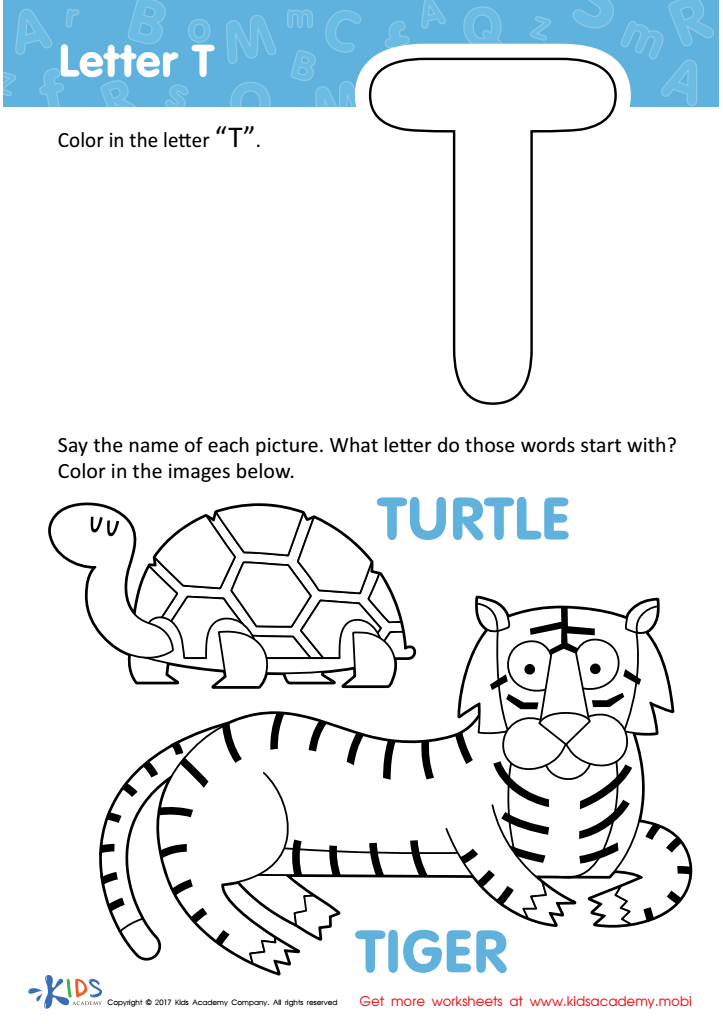
Letter T Coloring Sheet
 Assign to My Students
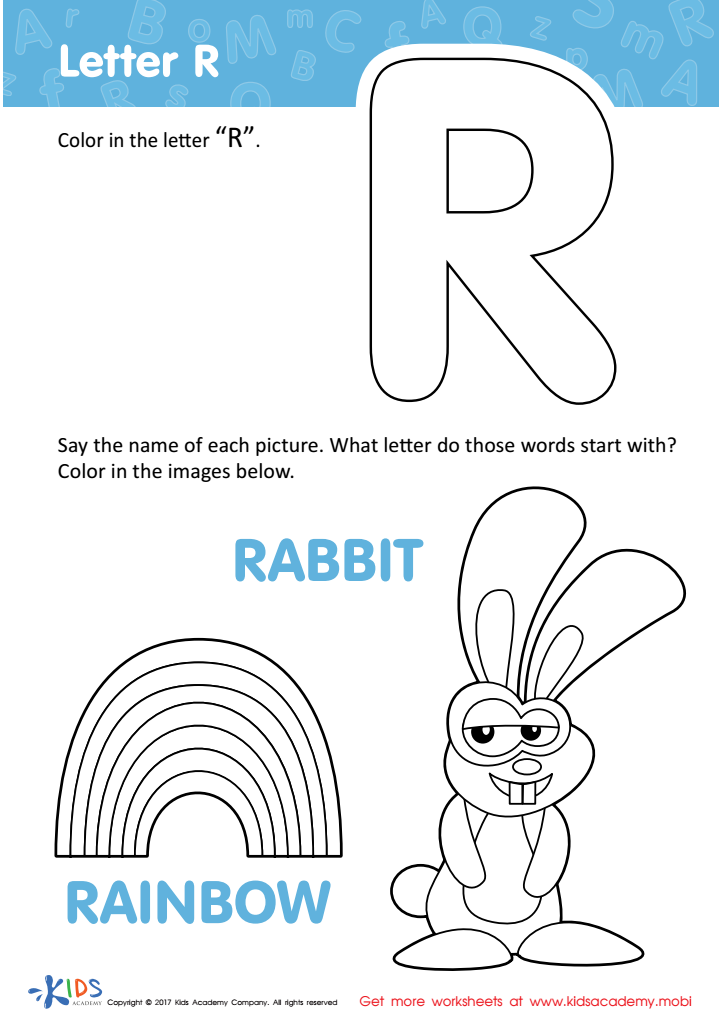
Letter R Coloring Sheet
Assign to My Students
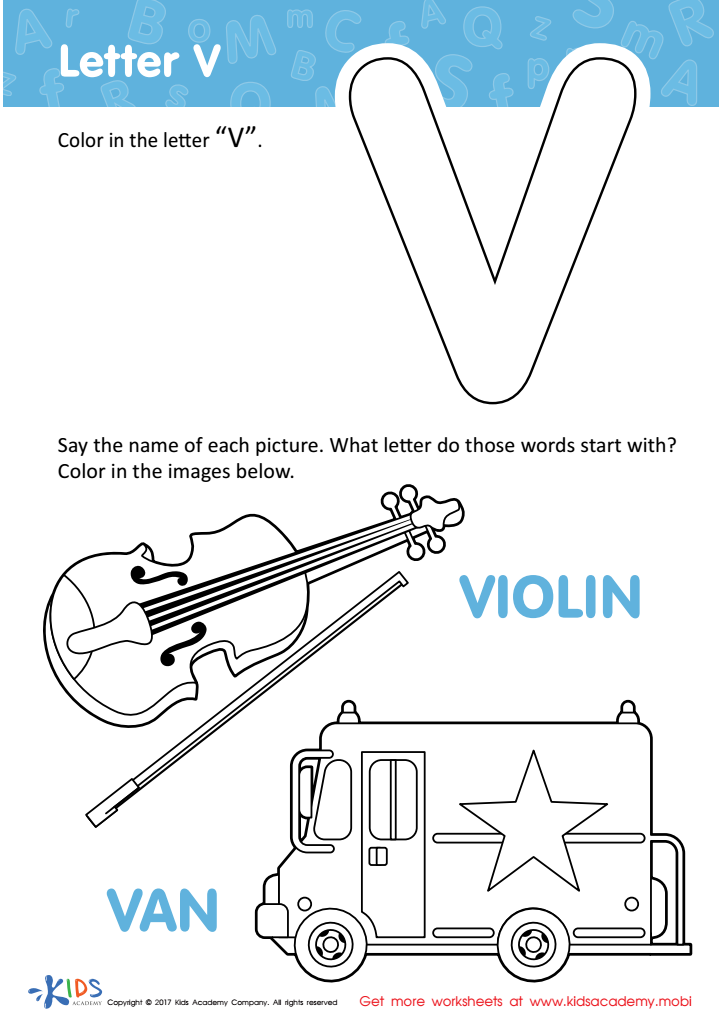
Letter V Coloring Sheet
Assign to My Students
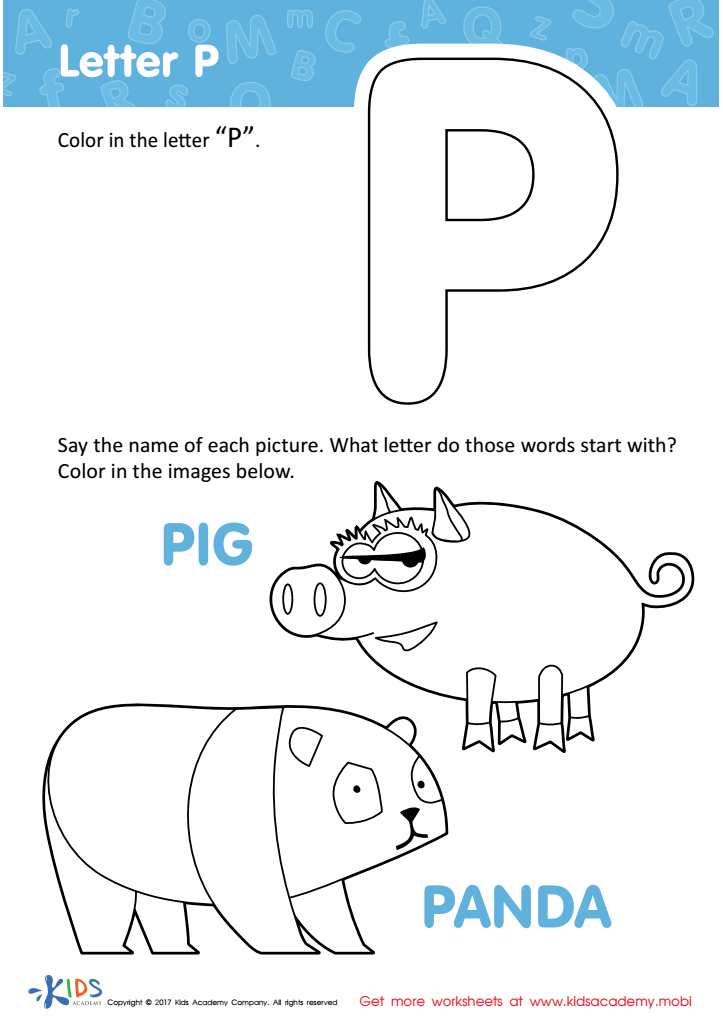
Letter P Coloring Sheet
Assign to My Students
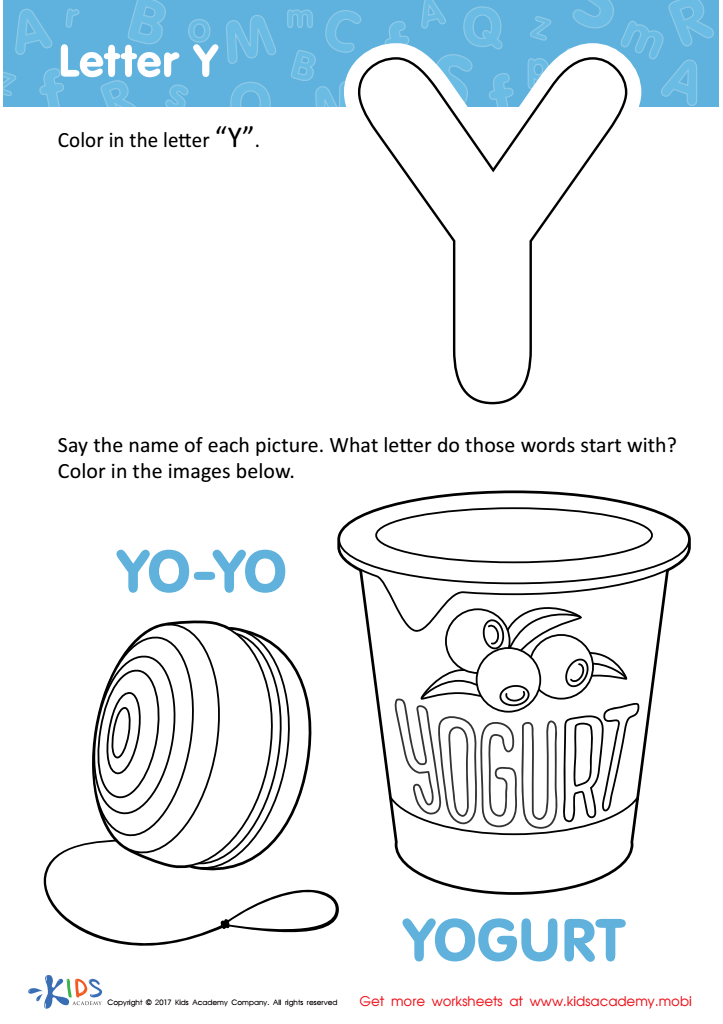
Letter Y Coloring Sheet
Assign to My Students








Alphabet recognition, particularly for children aged 3-8, is foundational to literacy and overall academic success. Early mastery of letter recognition sets the stage for future reading and writing skills, which are critical for communication and learning across all subjects. When children can quickly identify letters, they can more easily understand phonics, enabling them to decode words and enhance their vocabulary, ultimately fostering a love for reading.
Parents and teachers play a crucial role in this process. Engaging children in play-based, interactive activities to promote letter recognition can make learning fun and enjoyable, preventing frustration associated with traditional methods. Stimulation from songs, games, and hands-on experiences helps create strong neural connections in young brains, making complexities of language clearer and more approachable.
Furthermore, a solid foundation in alphabet recognition can boost children's confidence. When children feel capable in their early literacy skills, they are more likely to participate in discussions and activities in school, enhancing their social and cognitive development.
Ultimately, recognizing the significance of alphabet recognition empowers parents and educators to cultivate supportive learning environments that nurture essential skills, preparing children for academic challenges ahead and fostering lifelong learning.