Fine Motor Skills Easy Letter Recognition Worksheets for Ages 3-8
6 filtered results
Difficulty Level
Grade
Age
-
From - To
Subject
Activity
Standards
Boost your child’s fine motor skills and letter recognition with our engaging worksheets designed for ages 3-8! Our easy-to-follow activities blend play and learning, providing children with an enjoyable way to master the alphabet. Each worksheet encourages your little ones to practice tracing, coloring, and connecting letters, all while developing their hand-eye coordination and dexterity. Perfectly aligned with early education standards, these printable resources support your child’s cognitive growth and promote a solid foundation for reading and writing. Download now and watch your child thrive as they build confidence in their letter recognition abilities while having fun!
Favorites
With answer key
Interactive
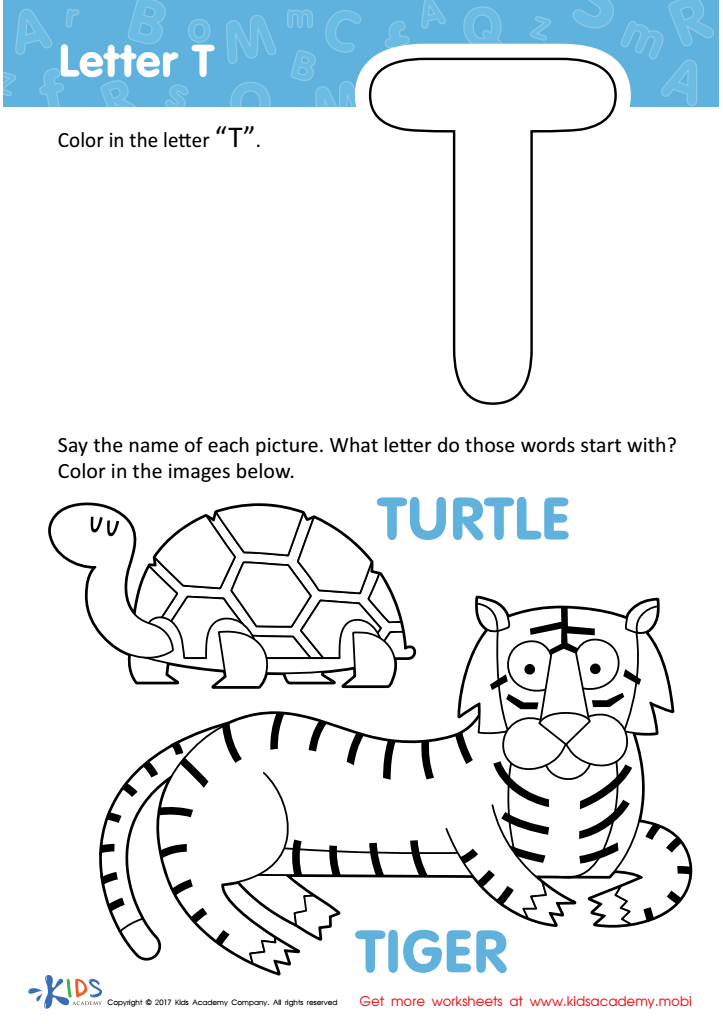
Letter T Coloring Sheet
Introduce your child to the letter "T" and its animals – turtles and tigers! With this coloring page, you can stimulate your child's imagination and creativity, while helping them recognize the letter "T". Have fun with your child and get coloring!
Download (PDF)
 Assign to My Students
Assign to My Students
Letter T Coloring Sheet
Worksheet
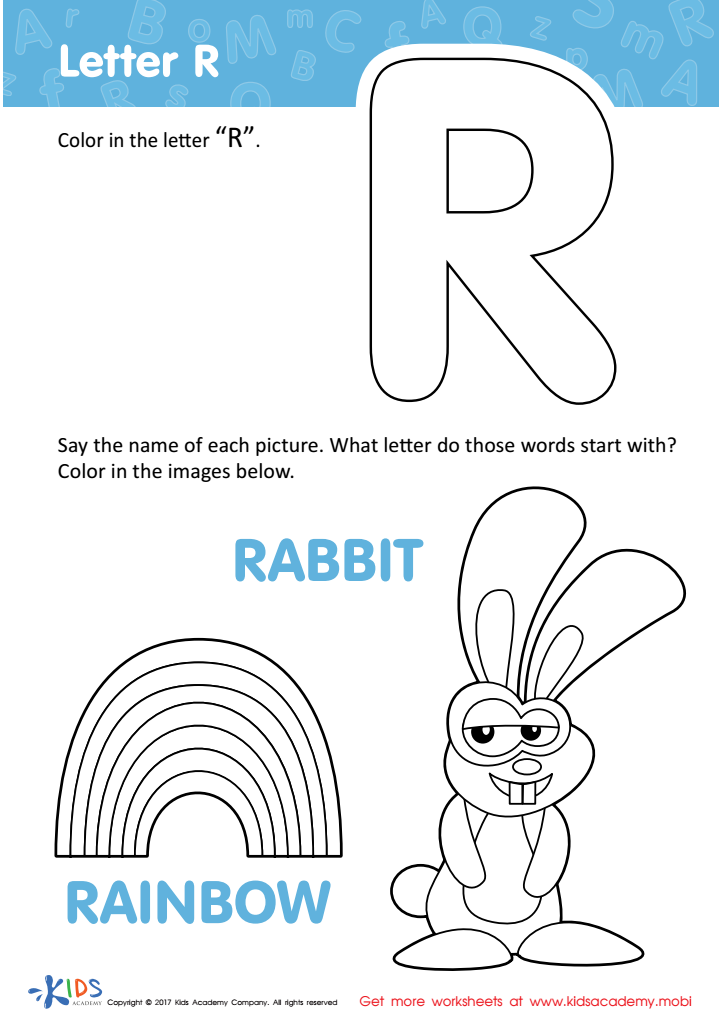
Letter R Coloring Sheet
Let your child explore the rainbow with this fun letter "R" coloring page! They can learn to recognize the letter and make connections to words, all while having fun! Make alphabet learning enjoyable with joyful coloring pages.
Download (PDF)
Assign to My Students
Assign to My Students
Letter R Coloring Sheet
Worksheet
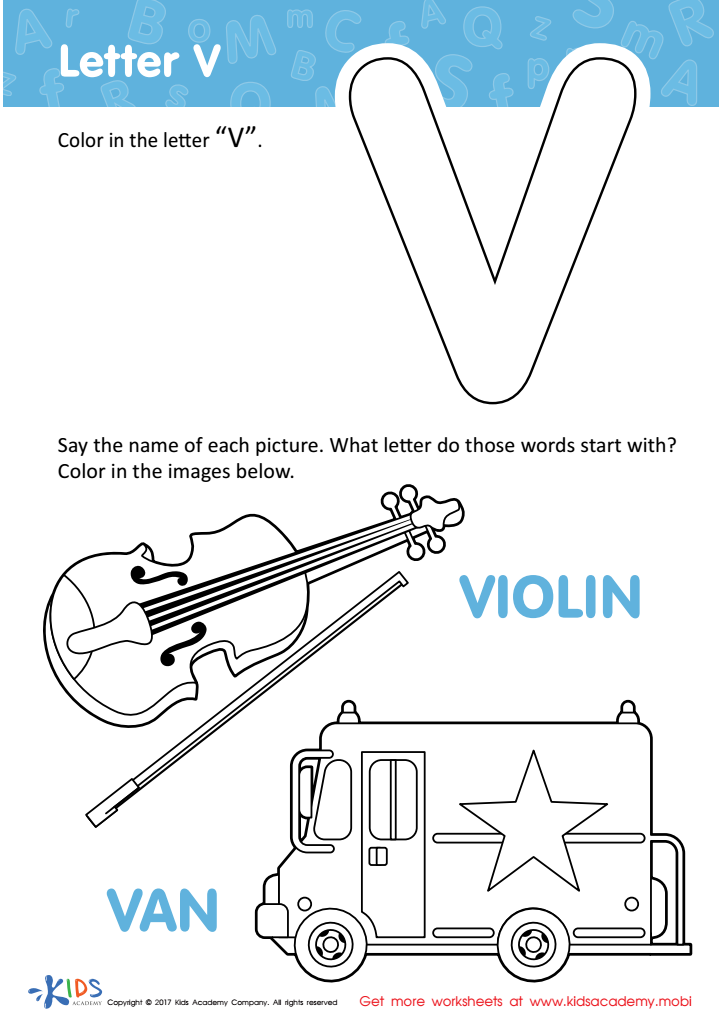
Letter V Coloring Sheet
This fun letter V coloring page can boost your child's knowledge of the letter "V" and its sound. Help them pronounce it correctly, too!
Download (PDF)
Assign to My Students
Assign to My Students
Letter V Coloring Sheet
Worksheet
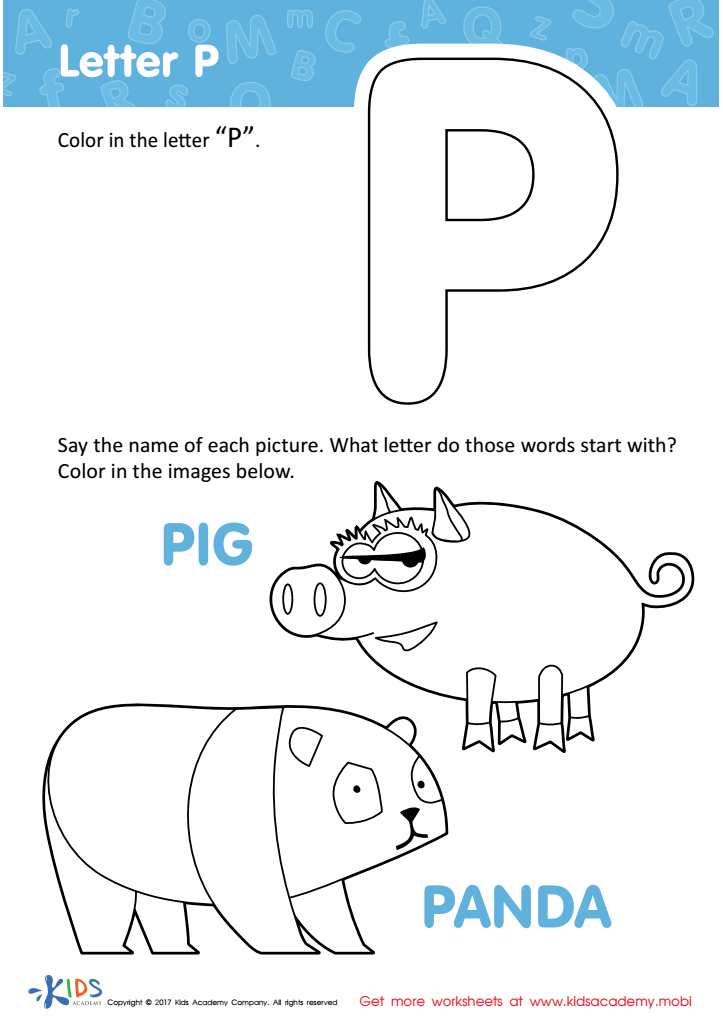
Letter P Coloring Sheet
Encourage your child's creativity and letter recognition with this "P" coloring page! Through coloring animals such as pigs and pandas, your little one will get to know the sound of the letter "P" and have fun too!
Download (PDF)
Assign to My Students
Assign to My Students
Letter P Coloring Sheet
Worksheet
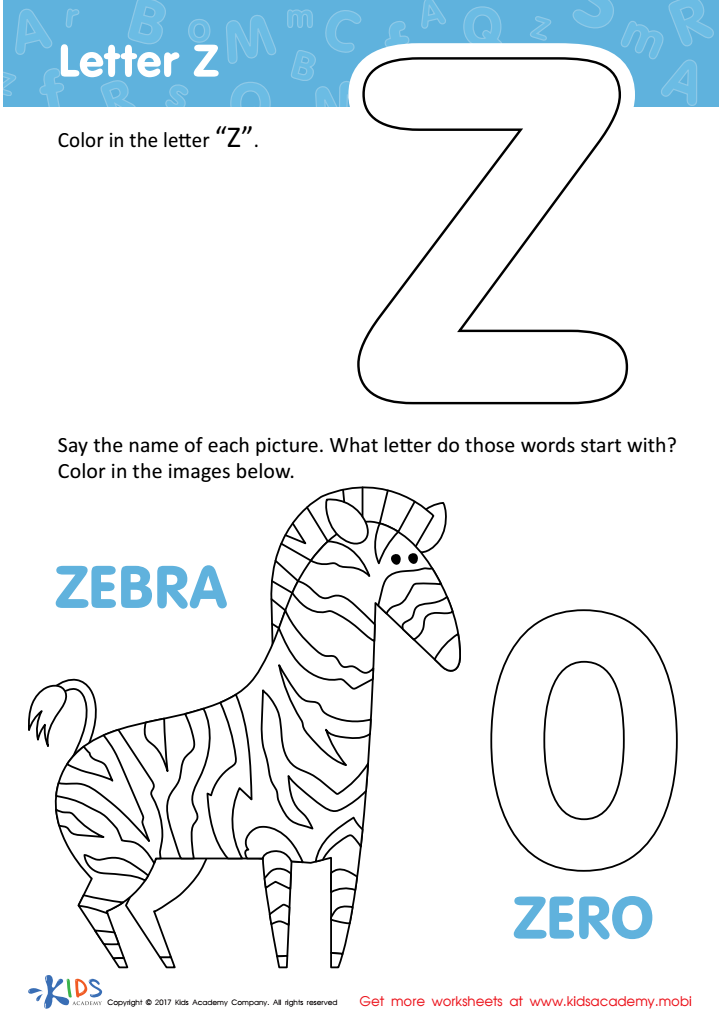
Letter Z Coloring Sheet
This coloring page featuring the letter "Z" is perfect for your child to practice letter recognition! Help them learn the unique sound it makes as they color. It'll be a fun and easy activity they won't have trouble with!
Download (PDF)
Assign to My Students
Assign to My Students
Letter Z Coloring Sheet
Worksheet
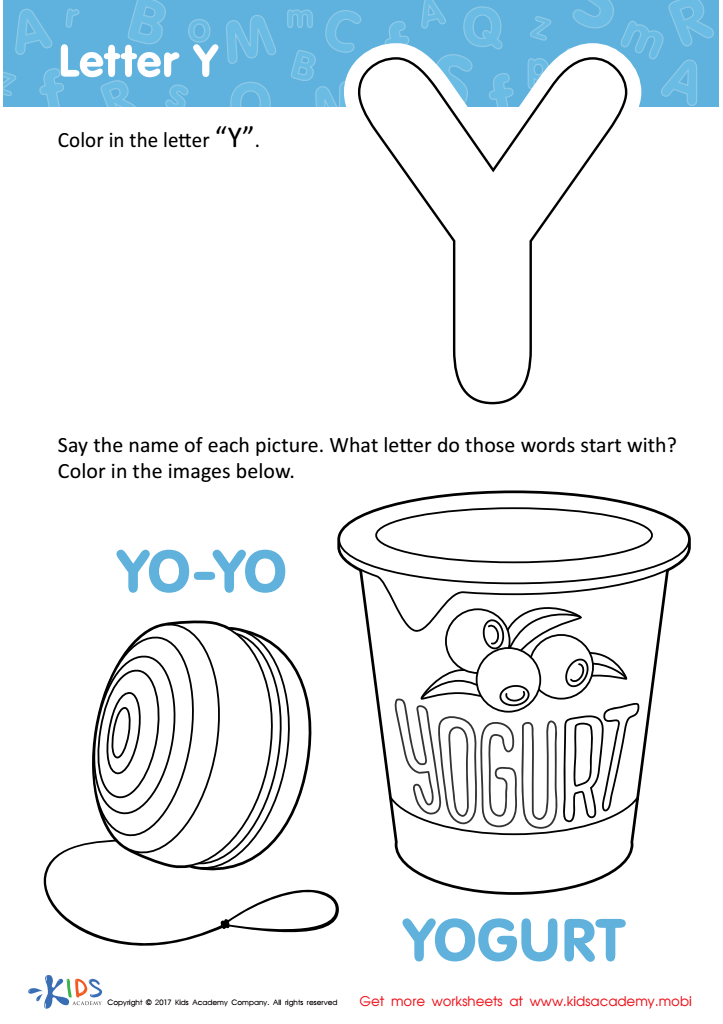
Letter Y Coloring Sheet
Let's celebrate letter "Y"! Here's a fun coloring page that'll help your child learn this end-of-the alphabet letter. It's packed with familiar objects that'll help build their art and literacy skills. So let's say "Yay"!
Download (PDF)
Assign to My Students
Assign to My Students
Letter Y Coloring Sheet
Worksheet
Join Kids Academy for Free
Who is primarily going to use this learning content?








Fine motor skills and letter recognition are foundational aspects of a child's development, particularly from ages 3 to 8. Parents and teachers should prioritize these skills, as they play a crucial role in a child's overall academic success and daily functioning.
Fine motor skills, such as gripping, pinching, and hand-eye coordination, are essential for tasks like writing, drawing, and using tools. Mastering these skills enhances a child's ability to engage in classroom activities and fosters independence in everyday tasks, such as buttoning clothing or tying shoes.
Easy letter recognition is equally important, as it sets the stage for literacy. An early understanding of letters helps children make connections between letter shapes and sounds, enabling them to decode words as they progress in reading. This early exposure promotes confidence and enthusiasm for learning.
Moreover, a strong foundation in these skills aids social interactions, as children who can manipulate objects and read simple words often participate more actively in group activities, fostering relationships and communication. In summary, investing time in developing fine motor skills and letter recognition not only supports academic growth but also cultivates essential life skills, making them vital areas of focus for parents and educators alike.