Fine motor development Easy Worksheets for Ages 3-8
3 filtered results
-
From - To
Fine motor development is crucial for young learners, providing the foundation for essential skills like writing and self-care. Our easy worksheets, designed for ages 3-8, offer engaging activities that promote the strengthening of small muscles in hands and fingers. With fun exercises such as tracing, cutting, and drawing, children can improve their coordination and precision in a playful manner. These worksheets cater to varying skill levels, ensuring every child can progress at their own pace. Ideal for parents and educators, our resources support critical skill-building in preparation for more advanced tasks, fostering confidence and a love for learning.
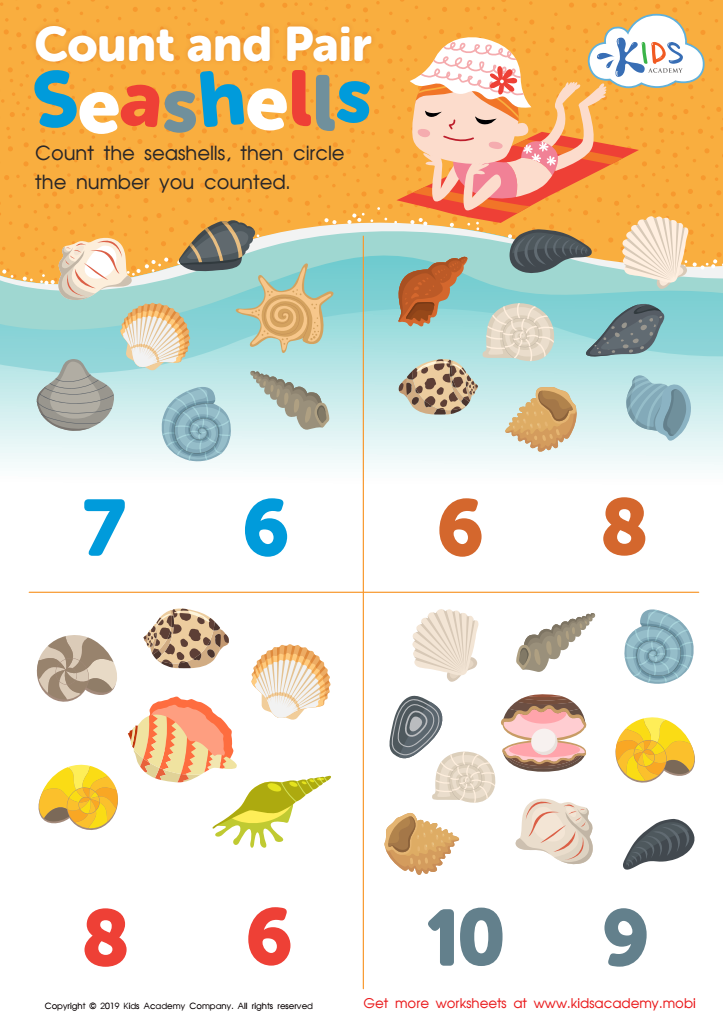
Count and Pair Seashells Worksheet
 Assign to My Students
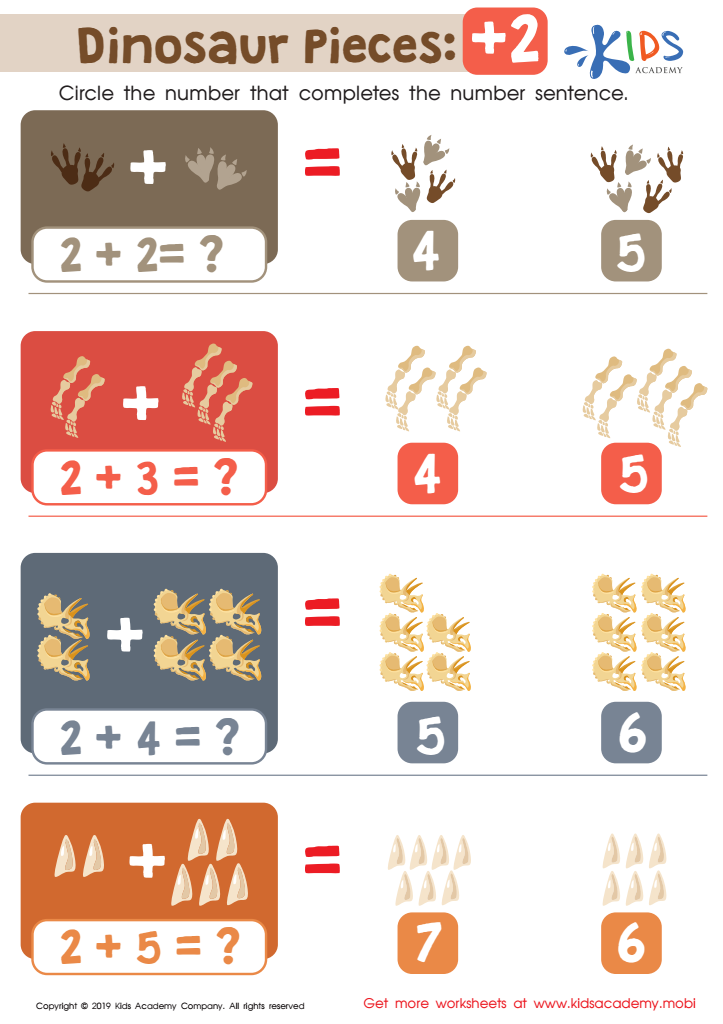
Dinosaur Pieces: +2 Worksheet







Fine motor development is crucial for children ages 3 to 8 because it lays the foundation for many everyday activities and academic skills. When children develop strong fine motor skills, they can perform important tasks such as holding a pencil properly, cutting with scissors, buttoning clothes, and tying shoelaces. These skills are important for their independence and self-confidence. Fine motor skills are also essential for handwriting, which is a critical part of a child's education.
Teachers and parents should care about fine motor development because it helps children be successful in school and in daily life. Early fine motor practice helps strengthen the small muscles in the hands and fingers, improving coordination and dexterity. This strength and control pave the way for more intricate tasks, like drawing, cutting, and eventually writing letters and words.
Moreover, engaging children in activities that promote fine motor skills, such as playing with blocks, clay, or threading beads, can also enhance their problem-solving abilities and creativity. Parents and teachers who actively support fine motor development provide children with opportunities to build a strong foundation for future learning and everyday tasks, ensuring they grow up with the essential skills needed for success.








