Phonics recognition Easy Worksheets for Ages 3-8
5 filtered results
-
From - To
Welcome to our “Phonics Recognition Easy Worksheets” page! Designed specifically for children aged 3-8, these engaging and interactive worksheets make learning phonics fun and accessible. Our resources help young learners enhance their reading skills by recognizing letter sounds and blending them effectively. With a variety of activities tailored to different skill levels, children can practice at their own pace, boosting their confidence and literacy foundation. Teachers and parents can easily download and print these worksheets, making it convenient to incorporate phonics practice into everyday learning. Explore our collection and empower young readers to embark on their literacy journey today!
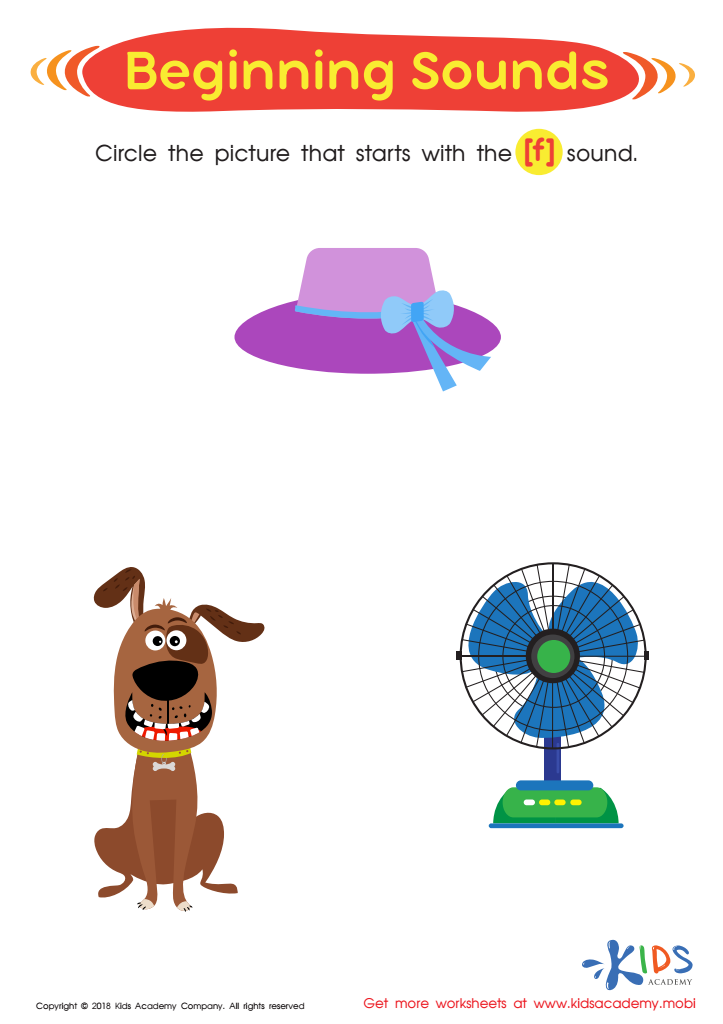
Beginning Sounds Assessment Printable
 Assign to My Students
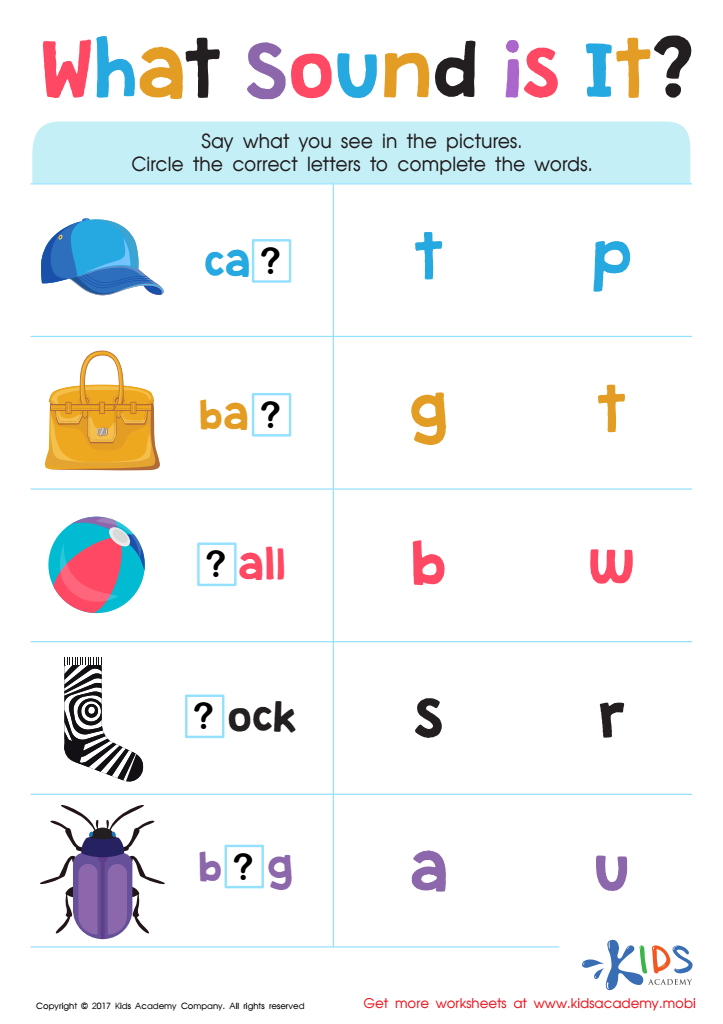
What Sound Is it? Worksheet
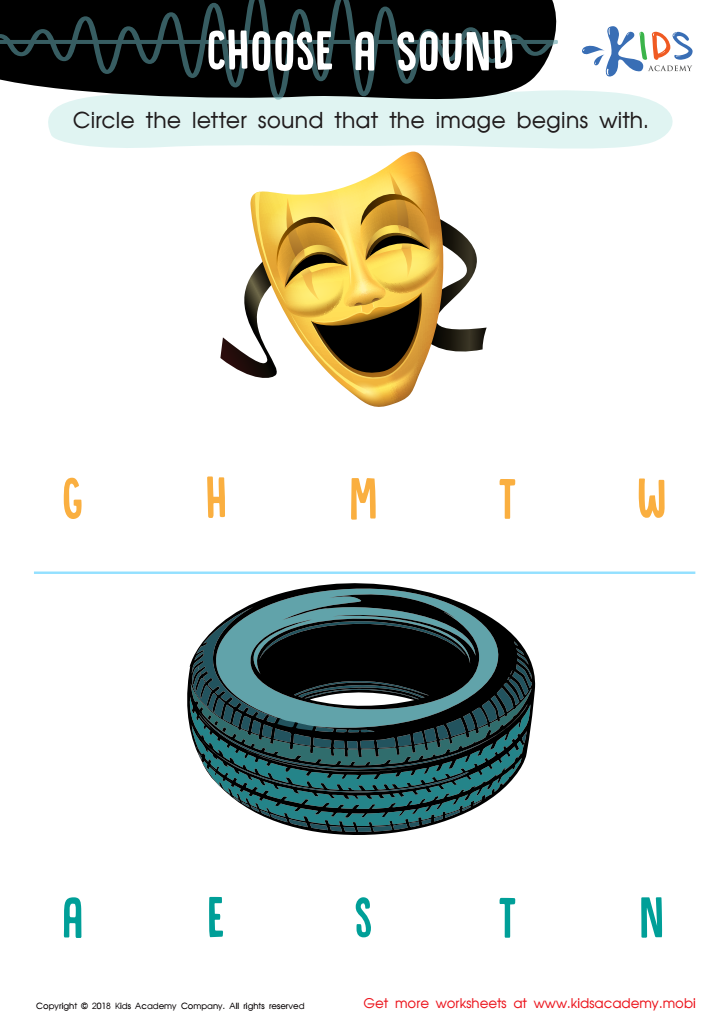
Choose a Sound Worksheet
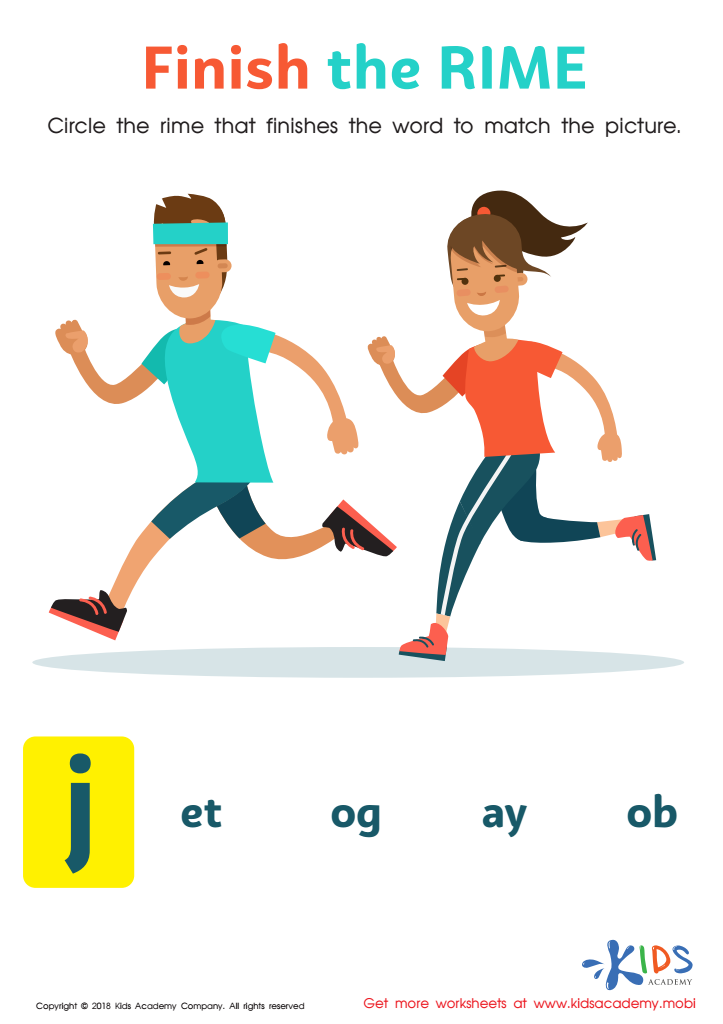
Finish the Rime Worksheet
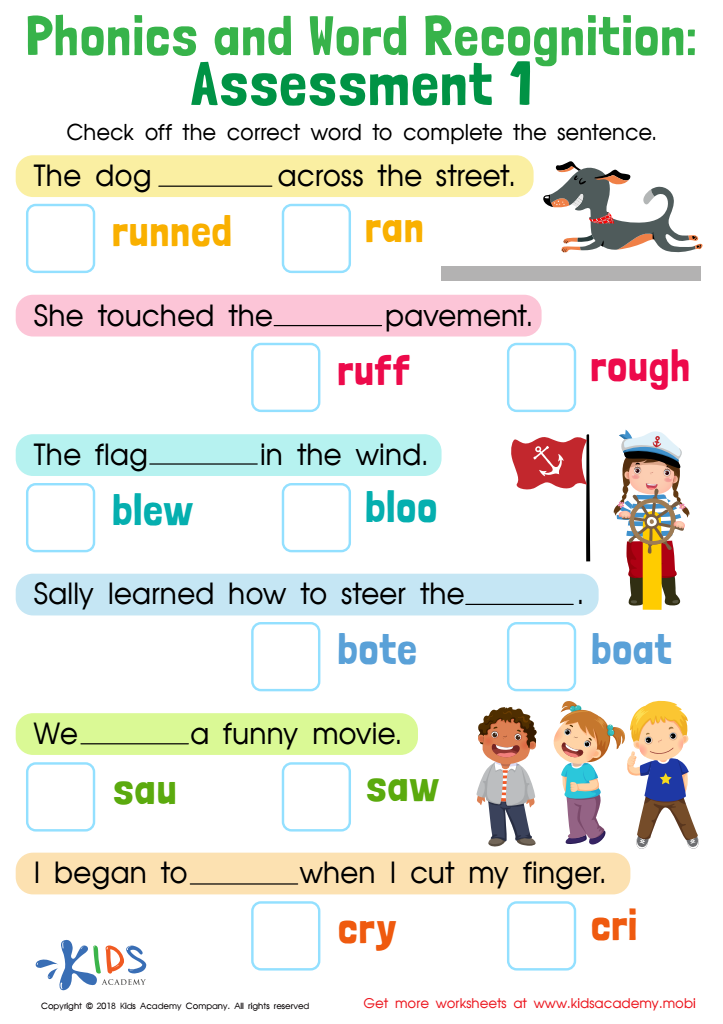
Phonics and Word Recognition: Assessment 1 Worksheet








Phonics recognition is a crucial skill for children aged 3-8 as it forms the foundation for reading and writing. Understanding phonics helps young learners connect sounds to letters, enabling them to decode words effectively. Parents and teachers should prioritize phonics because it significantly boosts literacy development, setting the stage for academic success.
Early phonics instruction enhances children’s ability to sound out unfamiliar words, contributing to improved reading fluency and comprehension. When children grasp the relationship between sounds and letters, they gain confidence in their reading abilities, fostering a lifelong love for learning.
Moreover, phonics skills are linked to other critical areas, such as spelling and vocabulary growth. By developing phonics recognition early, educators and parents can help children build a strong literacy foundation, reducing the likelihood of future reading difficulties.
Parents should engage in phonics activities at home, while teachers can implement structured phonics programs in the classroom. By working together, parents and teachers can create a supportive environment that encourages exploration and mastery of language, paving the way for children to thrive academically and socially. Ultimately, fostering phonics recognition leads to empowered learners who are better equipped for their educational journey.








