Critical Thinking Easy Numbers Worksheets for Ages 3-8
4 filtered results
-
From - To
Foster your child's analytical skills with our engaging Critical Thinking Easy Numbers Worksheets for Ages 3-8. Specially designed to combine fun with learning, these worksheets enable young learners to explore numbers through interactive and thought-provoking activities. Tailored to develop critical thinking, logical reasoning, and problem-solving abilities, each worksheet offers a variety of exercises that encourage students to analyze, compute, and derive answers independently. Ideal for parents and educators, these materials support early cognitive development and ensure a strong mathematical foundation, paving the way for future academic success. Unlock their potential today and make learning numbers an enjoyable adventure!
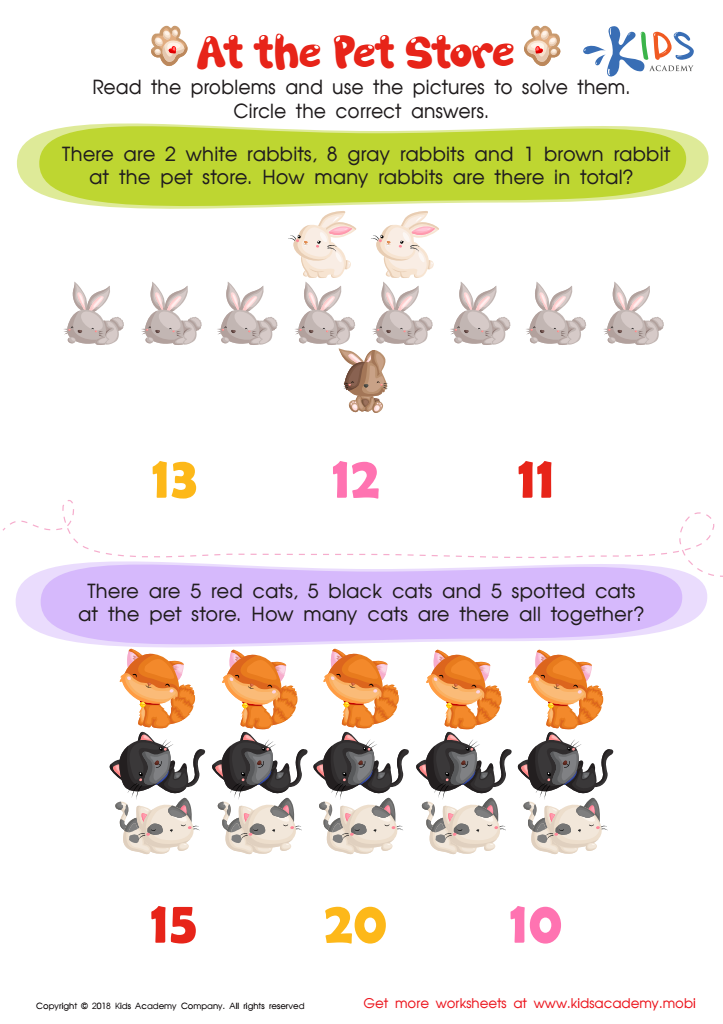
At the Pet Store Word Problems Worksheet
 Assign to My Students
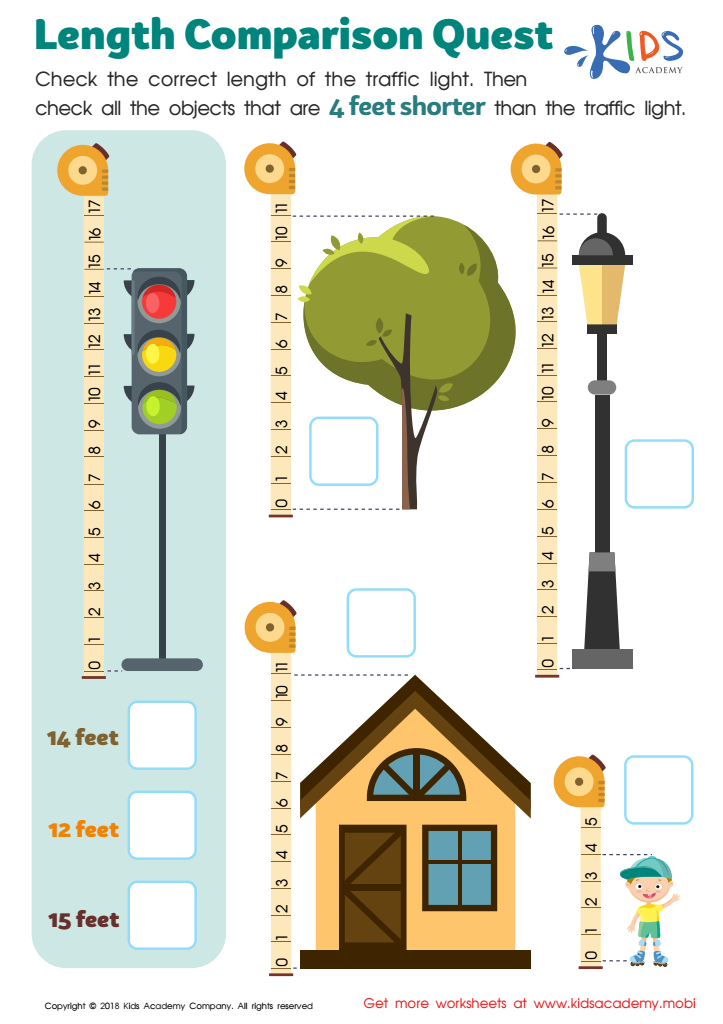
Length Comparison Quest Worksheet
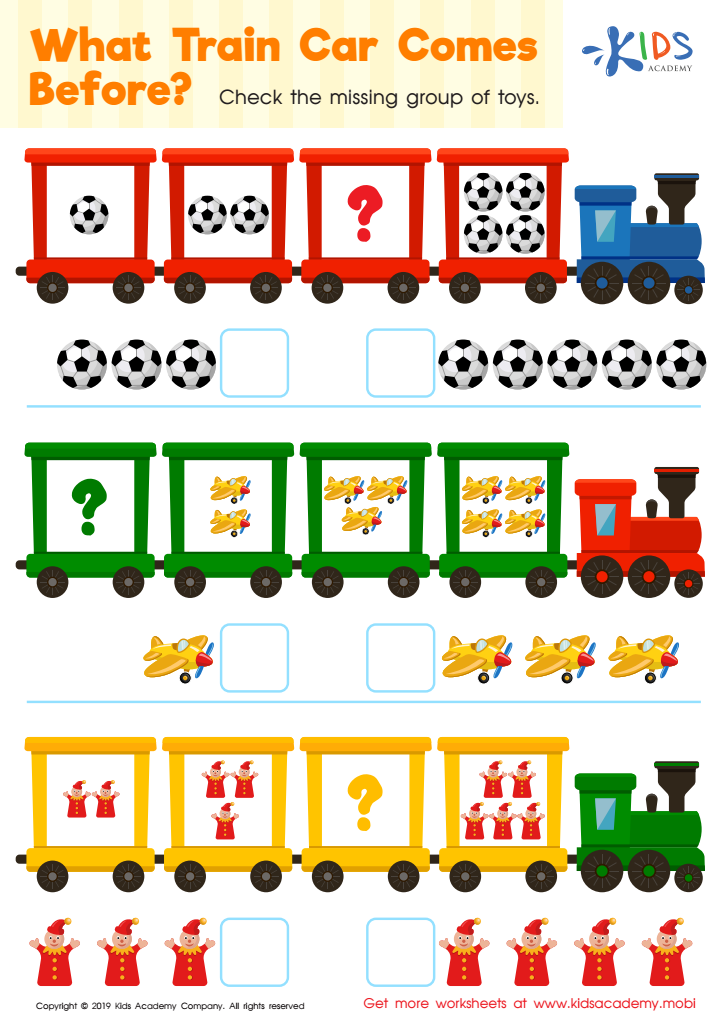
What Train Car Comes Before? Worksheet
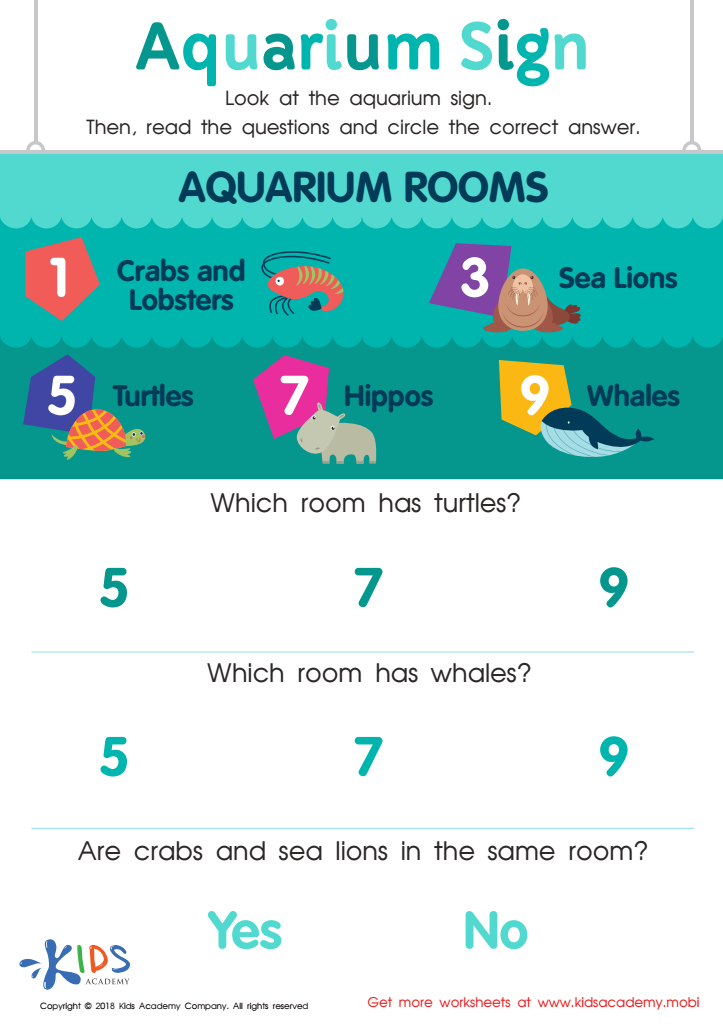
Assessment: Aquarium Sign Worksheet








Parents and teachers should prioritize nurturing critical thinking through easy numbers for children ages 3-8 because it lays a fundamental foundation for future learning and problem-solving skills. Critical thinking encourages children to analyze, evaluate, and synthesize information effectively. When integrated with basic number learning, it enhances cognitive development, making abstract mathematical concepts more intuitive and relatable.
During early childhood, neural connections are highly plastic and can be strongly influenced by stimulating activities. Engaging children with critical thinking tasks involving numbers helps to strengthen these connections, promoting logical reasoning and better decision-making skills. For example, asking children to identify patterns, compare quantities, or solve simple puzzles with numbers develops their ability to think strategically.
Moreover, fostering critical thinking in math aids in forming a positive attitude toward the subject. Children are less likely to develop math anxiety if they feel equipped to tackle problems thoughtfully and creatively. This early confidence builds resilience and curiosity, encouraging a lifelong love for learning.
Additionally, honing these skills supports other academic areas. For instance, understanding sequences and structures in math also enhances language comprehension and scientific reasoning. Ultimately, infusing critical thinking with early number exercises equips children with indispensable tools for academic success and everyday life.








