Reading comprehension Easy Numbers Worksheets for Ages 3-8
6 filtered results
-
From - To
Discover our "Reading Comprehension Easy Numbers Worksheets for Ages 3-8" designed to overlap foundational math skills with reading comprehension. Tailored for young learners, these engaging worksheets combine number recognition and basic math with age-appropriate context reading passages that strengthen understanding and retention. Perfect for early grade educators and parents alike, each worksheet aims to promote critical thinking and cognitive development in a fun, interactive way. By introducing numbers and reading together, children build essential skills that pave the way for academic success. Equip your child with the tools they need to excel in mathematics and reading today!
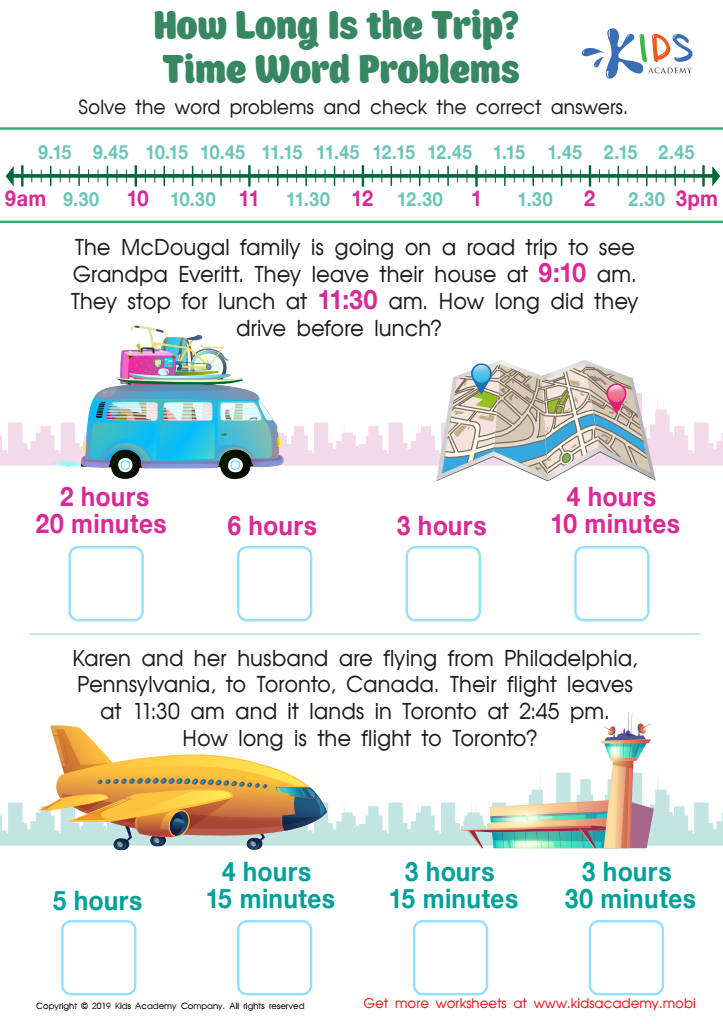
How long is the Trip? Time Word Problems Worksheet
 Assign to My Students
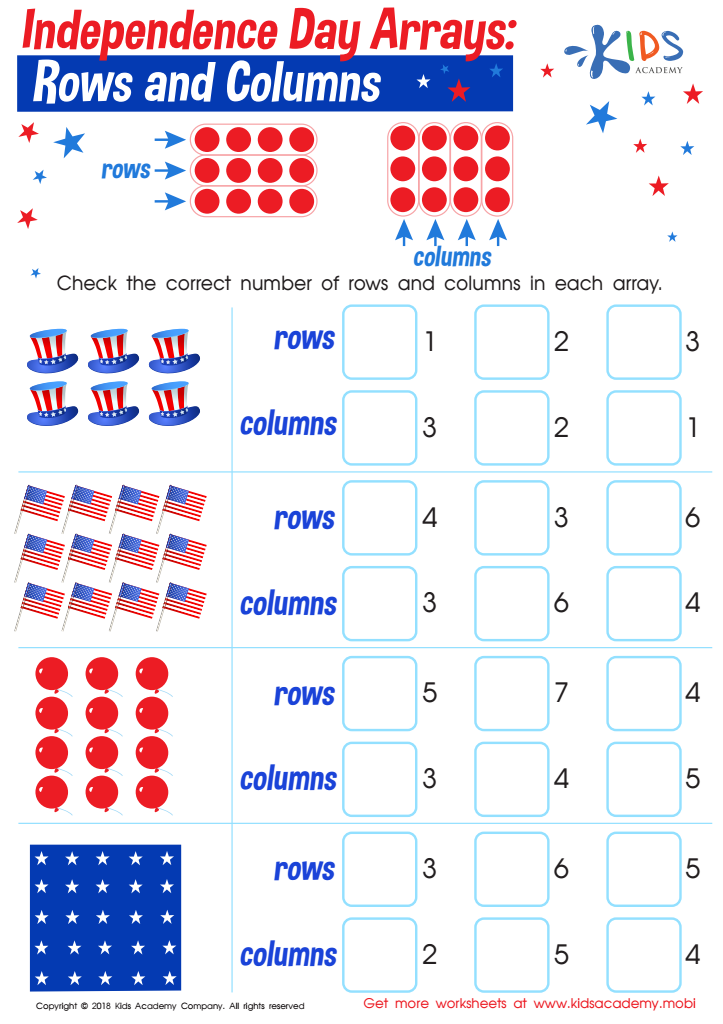
Independence Day Arrays: Rows and Columns Worksheet
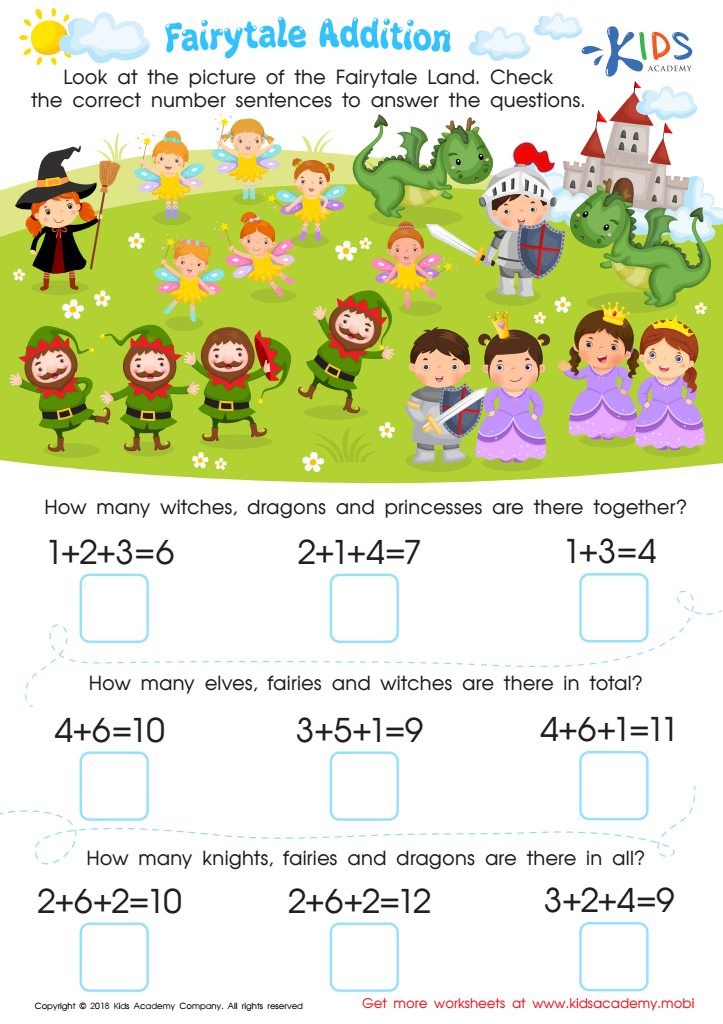
Fairytale Addition Worksheet
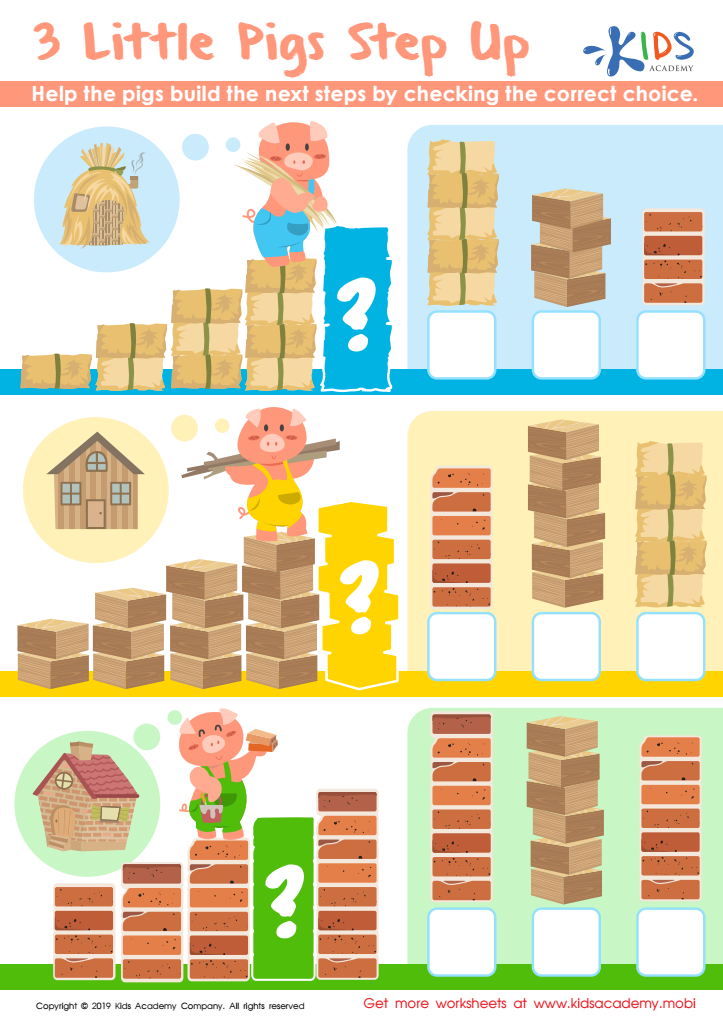
3 Little Pigs Step Up Worksheet
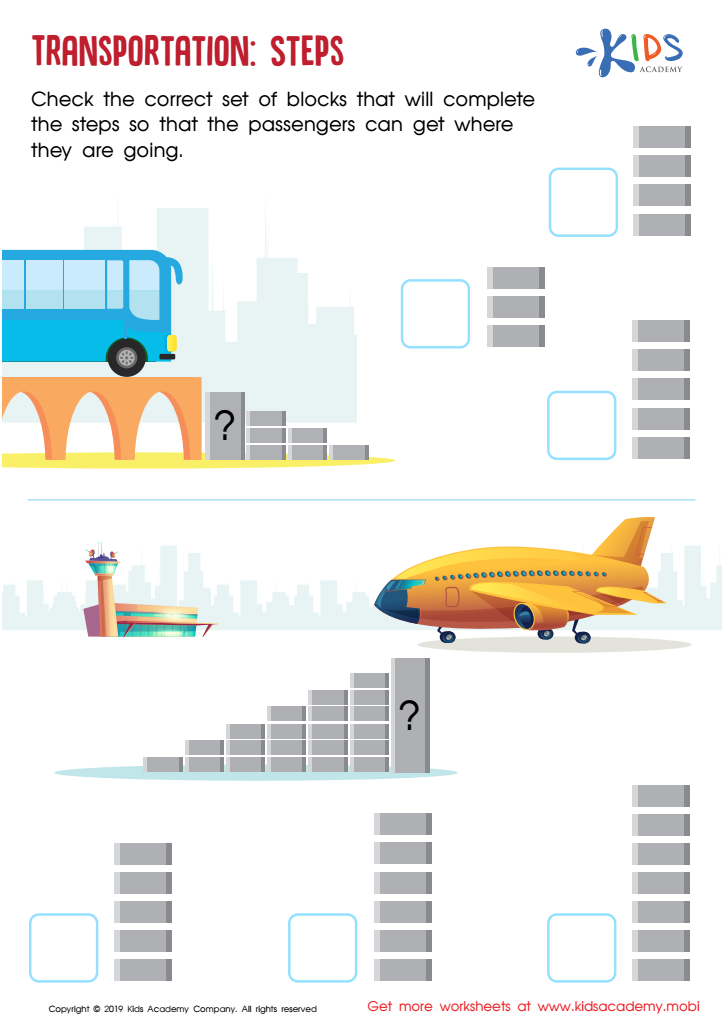
Transportation: Steps Worksheet
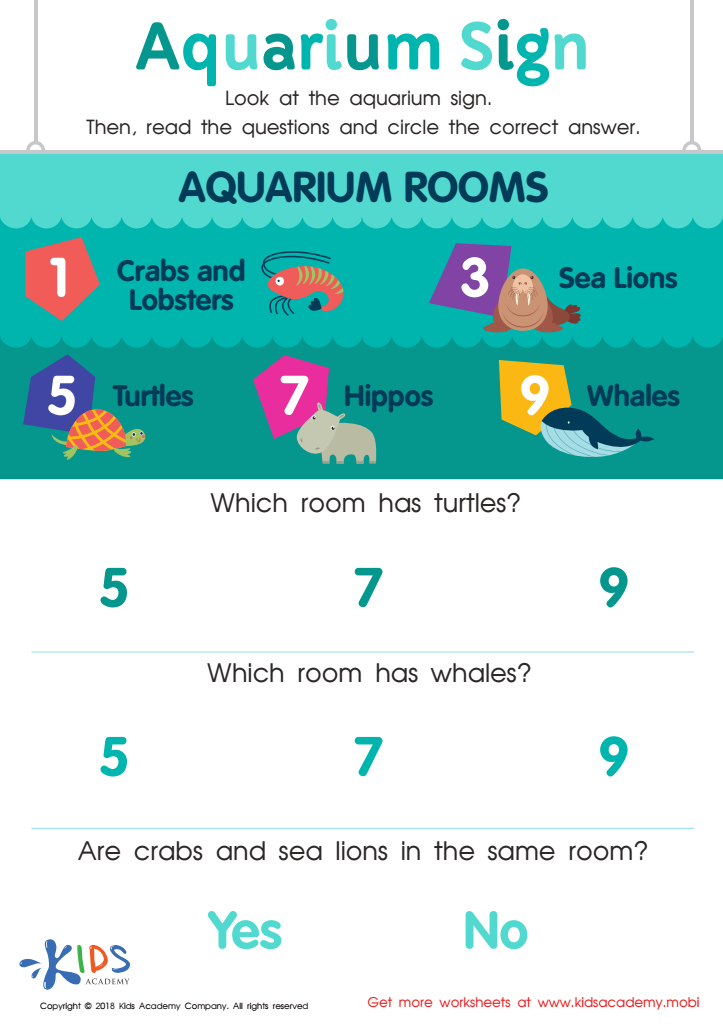
Assessment: Aquarium Sign Worksheet








Reading comprehension and numeracy are fundamental skills that form the bedrock of a child's educational journey. Teaching reading comprehension with easy numbers for ages 3-8 addresses both language and cognitive development in a complementary manner, ensuring well-rounded early learning.
For parents and teachers, prioritizing these skills is crucial as they significantly influence a child's ability to later grasp more complex concepts in mathematics and literacy. At this tender age, integrating numbers into reading activities can demystify mathematical concepts, making them more relatable and less intimidating.
Enhancing reading comprehension with simple numbers helps children recognize patterns, sequences, and logical relationships. This not only aids in decoding sentences but also strengthens problem-solving abilities. Stories involving easy numbers and familiar scenarios can cultivate a child’s interest and enjoyment in both reading and math, ensuring sustained engagement.
Moreover, developing these skills early on can foster a sense of achievement and confidence in young learners. This confidence can translate into a positive attitude towards school and learning in general.
In conclusion, combining reading comprehension with basic numeracy targets crucial developmental milestones and equips children with a solid foundation for future academic success. Parents and teachers should, therefore, actively encourage activities that integrate these vital skills, setting children up for a lifelong love of learning.








