Matching skills Easy Math Worksheets for Ages 3-8
4 filtered results
-
From - To
Discover our "Matching Skills Easy Math Worksheets for Ages 3-8," designed to make early math learning fun and engaging! Perfectly suited for young learners, these worksheets help children develop critical matching skills essential for future math success. Topics range from shapes and patterns to numbers and basic operations, all tailored to the cognitive abilities of children aged 3-8. Each activity is crafted to nurture problem-solving abilities, enhance concentration, and boost confidence. Whether used at home or in classrooms, our matching skills worksheets support a strong mathematical foundation. Explore and download today to ignite your child's passion for learning!
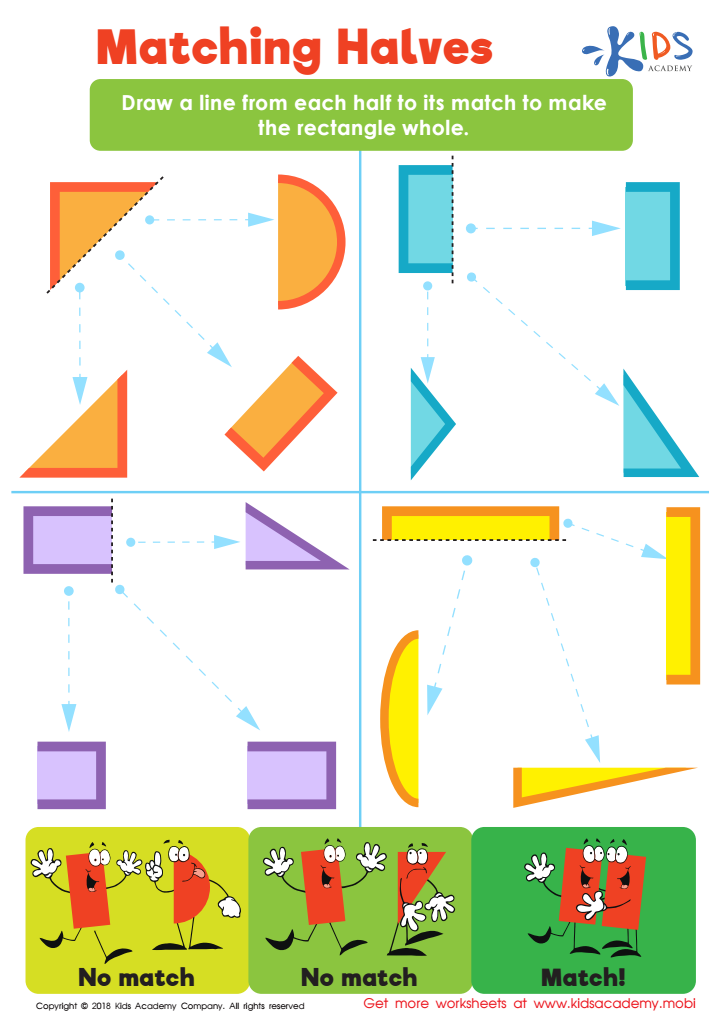
Matching Halves Worksheet
 Assign to My Students
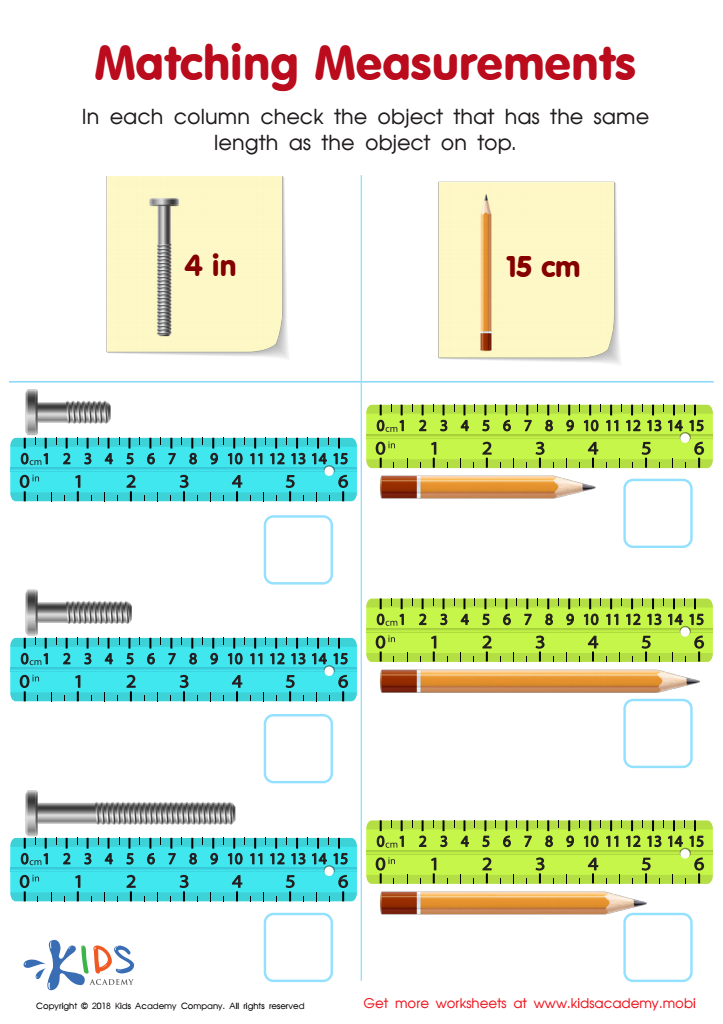
Matching Measurements Worksheet
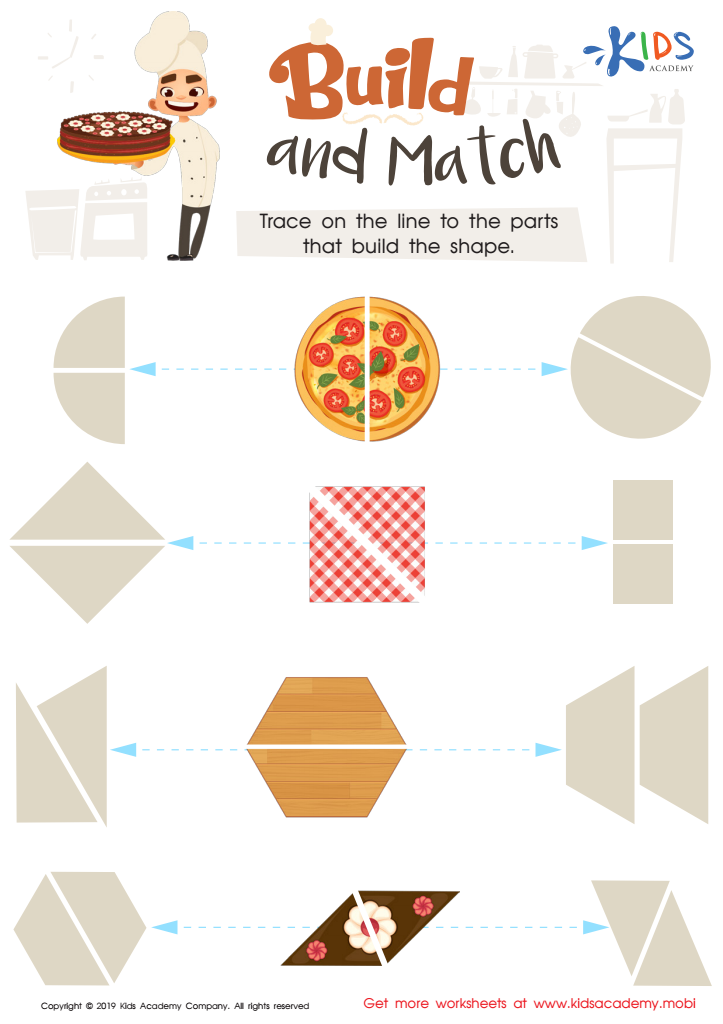
Build and Match Worksheet
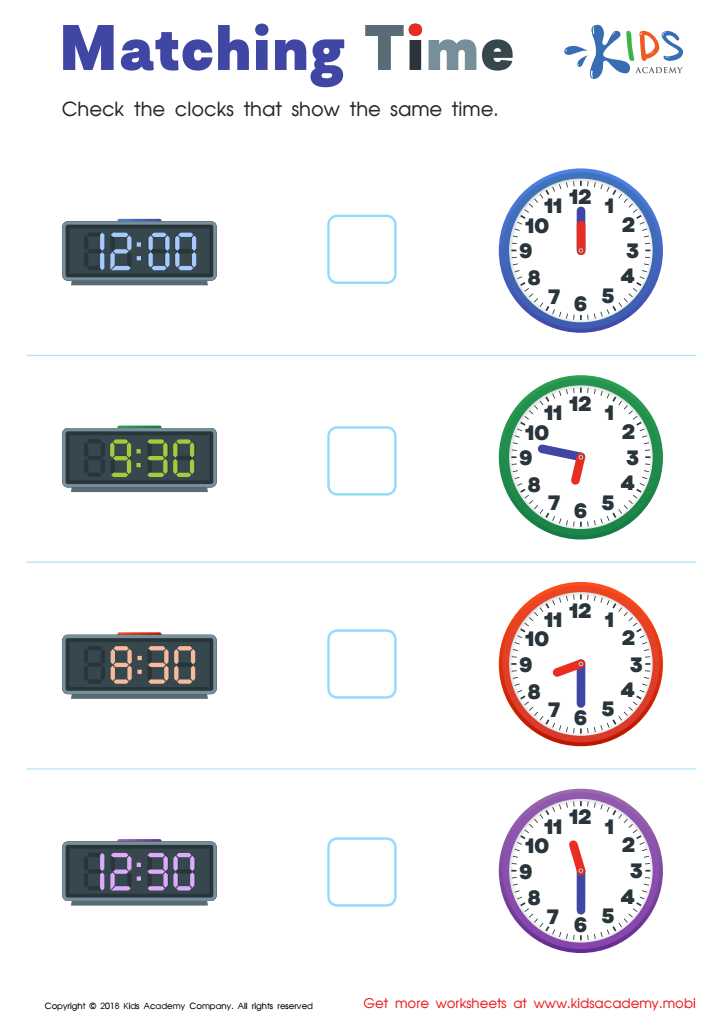
Matching Time Worksheet



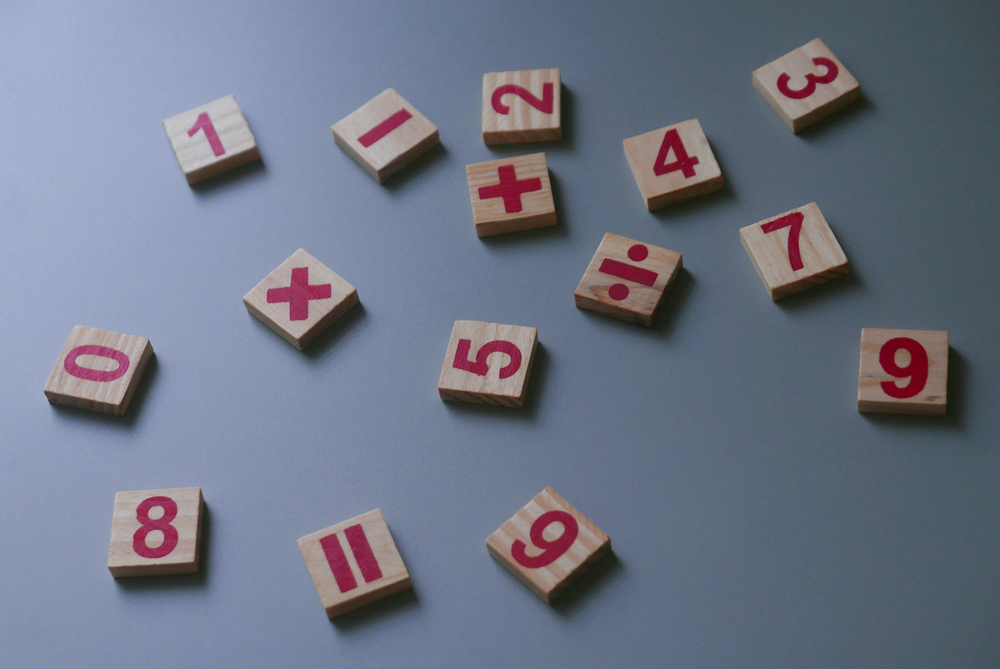


Matching skills in early childhood, especially in the context of easy math for ages 3-8, play a crucial role in cognitive development. These skills lay the foundation for more advanced mathematical concepts and everyday problem-solving abilities. Parents and teachers should care about nurturing matching skills for several reasons.
Firstly, matching helps kids recognize and understand relationships between objects or numbers. This understanding is fundamental for advances in addition, subtraction, and subsequently, multiplication and division. When children can match similar shapes, sizes, or quantities, they grasp the concept of equality and difference, which are essential for early arithmetic.
Moreover, matching exercises boost memory and concentration. Activities like pairing socks, matching cards, or shapes require children to focus, remember details, and exercise critical thinking. These abilities improve their cognitive flexibility and working memory, facilitating better academic performance across various subjects.
Additionally, developing matching skills fosters language development. When children articulate why two items match or don't match, they enhance their descriptive language and reasoning skills. This communication is critical for classroom learning and social interactions.
Encouraging easy math matching activities at an early stage builds a solid, enjoyable foundation for lifelong learning, instilling confidence and a positive attitude towards education. Both parents and teachers play pivotal roles in creating these early learning experiences, setting the stage for a child's future success.








