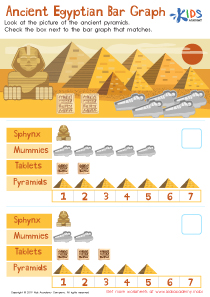
Pattern recognition Easy Math Worksheets for Ages 3-8
3 filtered results
-
From - To
Discover engaging and educational Pattern Recognition Easy Math Worksheets perfect for young learners aged 3-8. These thoughtfully designed activities help children identify and understand patterns, fostering critical thinking and foundational math skills. Ideal for home or classroom settings, our worksheets make learning fun with colorful, relatable themes that capture the imagination. From simple sequences for toddlers to more complex patterns for older students, each worksheet is crafted to match your child's developmental stage. Encourage cognitive growth and build a strong math foundation with Kids Academy’s expert-designed pattern recognition resources. Join us in making math enjoyable for your child!
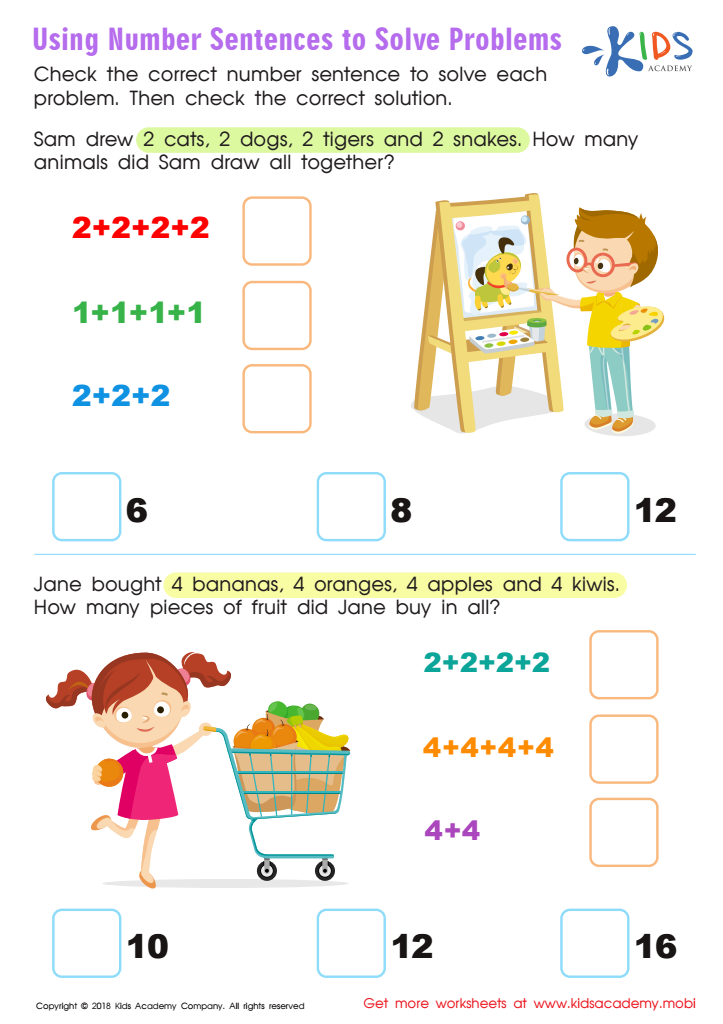
Using Number Sentences to Solve Problems Worksheet
 Assign to My Students
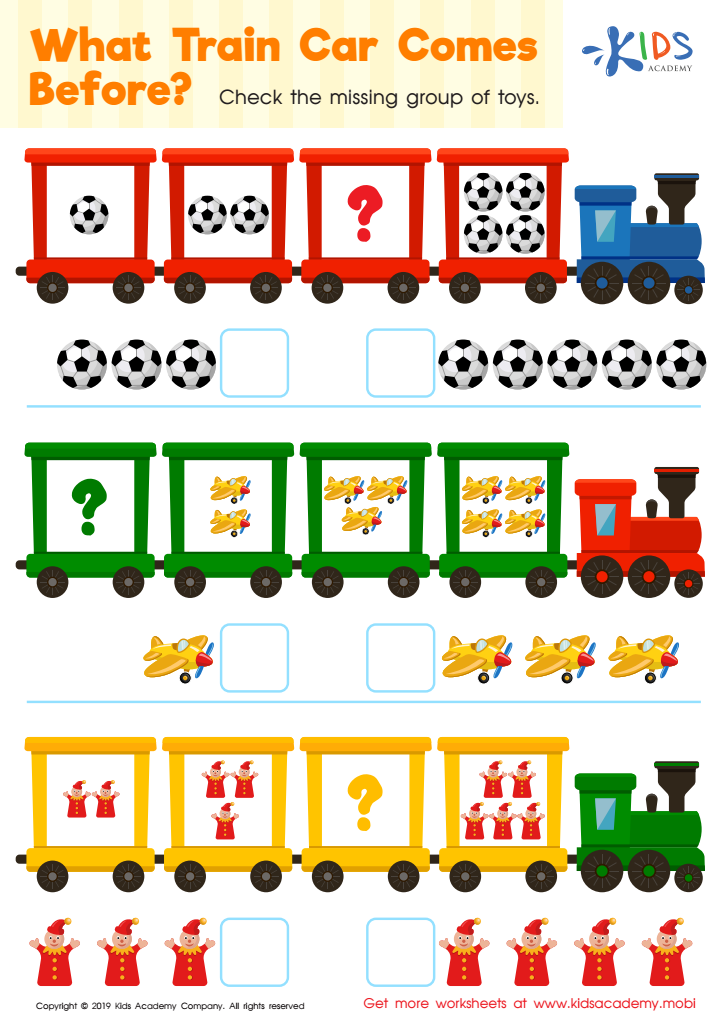
What Train Car Comes Before? Worksheet
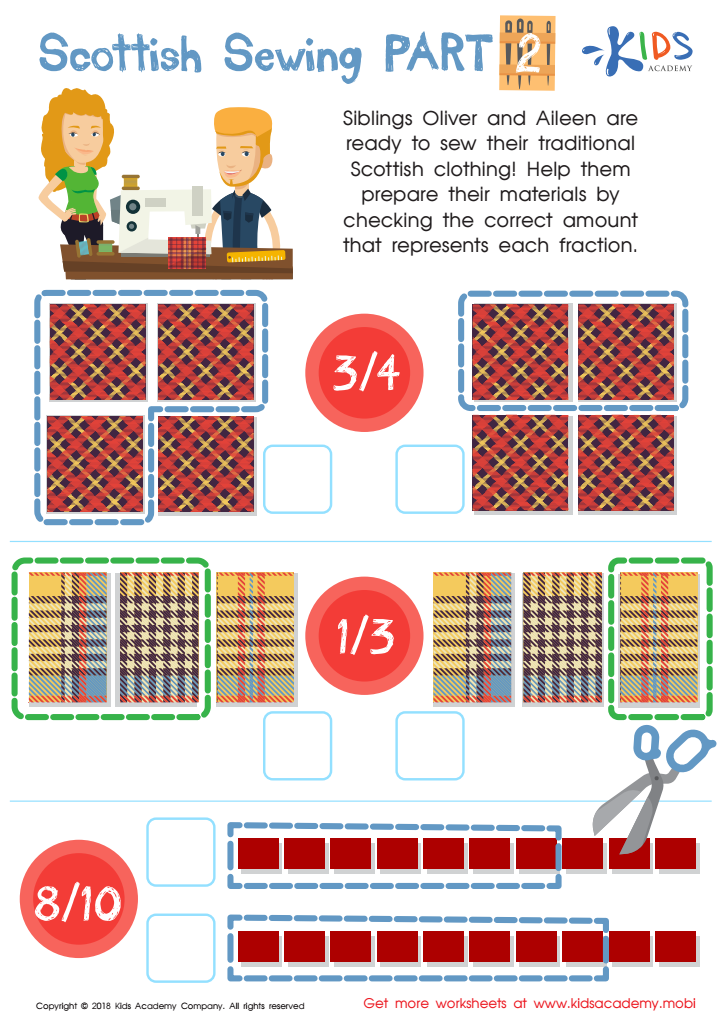
Scottish Sewing Part 2 Worksheet




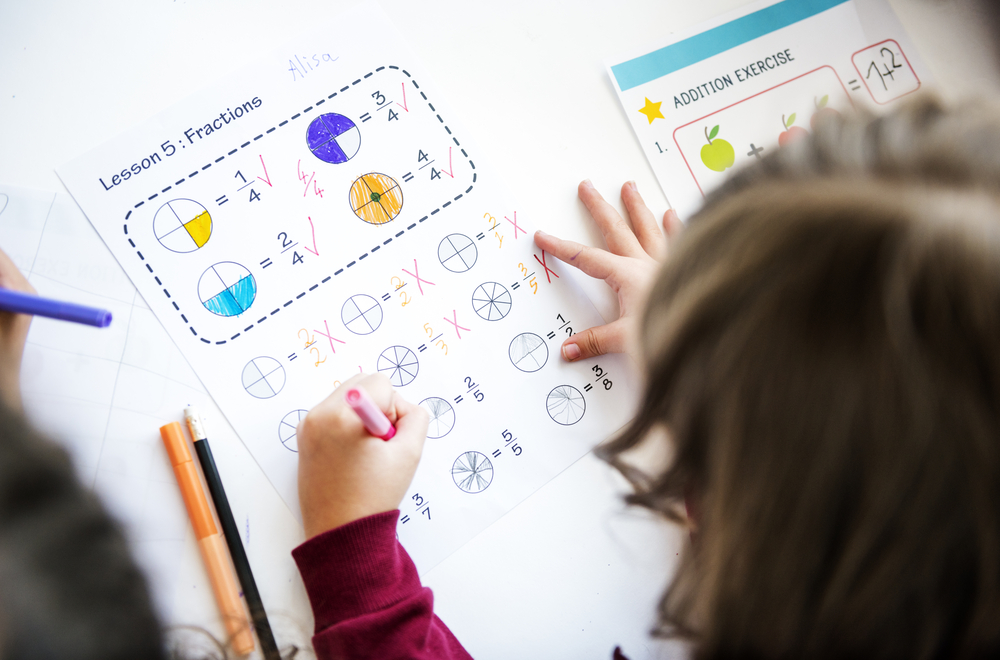



Parents and teachers should prioritize pattern recognition in mathematics for children aged 3-8 because it establishes a foundational skill crucial for cognitive development and future learning. At an early age, the brain is highly adaptable and capable of absorbing new information quickly. Introducing pattern recognition helps children improve their ability to identify regularities, make predictions, and understand the world around them. These skills are fundamental in not just math, but also in reading, science, and problem-solving.
For example, understanding patterns aids in grasping number sequences, counting, and basic arithmetic. Recognizing patterns in shapes, colors, or numbers promotes logical thinking and refines a child’s analytic abilities. Moreover, pattern recognition can enhance memory and attention to detail, essential traits for academic success and everyday activities.
In a classroom or home setting, engaging children with simple activities like sorting objects by color, shape, or size, or recognizing patterns in daily routines, makes learning interactive and enjoyable. This, in turn, fosters a positive attitude towards learning and reduces anxiety surrounding complex subjects later in life.
Ultimately, investing time in developing pattern recognition at an early age equips children with the skills necessary for advanced mathematical concepts and a wide array of academic challenges, forming a strong educational foundation.