Sorting skills Easy Numbers 0–10 Worksheets for Ages 3-8
3 filtered results
-
From - To
Enhance your child's sorting skills with our engaging Easy Numbers 0–10 worksheets, designed specifically for ages 3-8! These fun, colorful activities provide young learners with essential practice in identifying, categorizing, and sorting numbers from 0 to 10. Each worksheet is thoughtfully crafted to encourage hands-on learning through games and activities that capture children's attention. As they sort numbers by various attributes, kids will strengthen their cognitive abilities, boost fine motor skills, and build a solid foundation for more advanced math concepts. Perfect for homeschooling, classrooms, or extra practice at home, our worksheets make learning numbers enjoyable and effective! Discover the joy of sorting today!
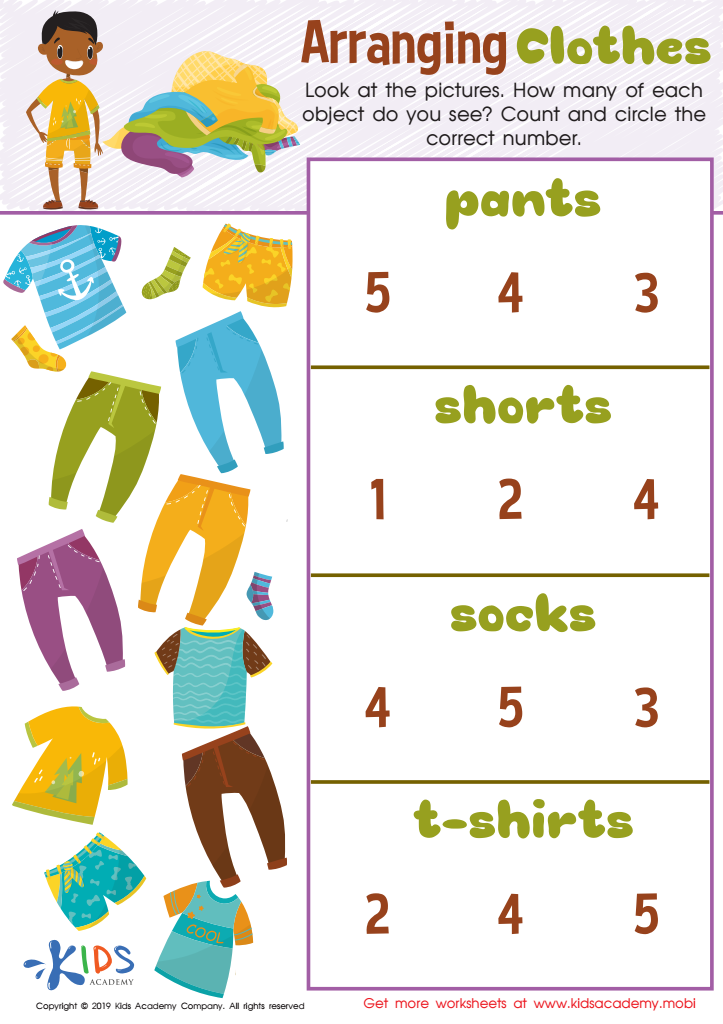
Arranging Clothes Worksheet
 Assign to My Students
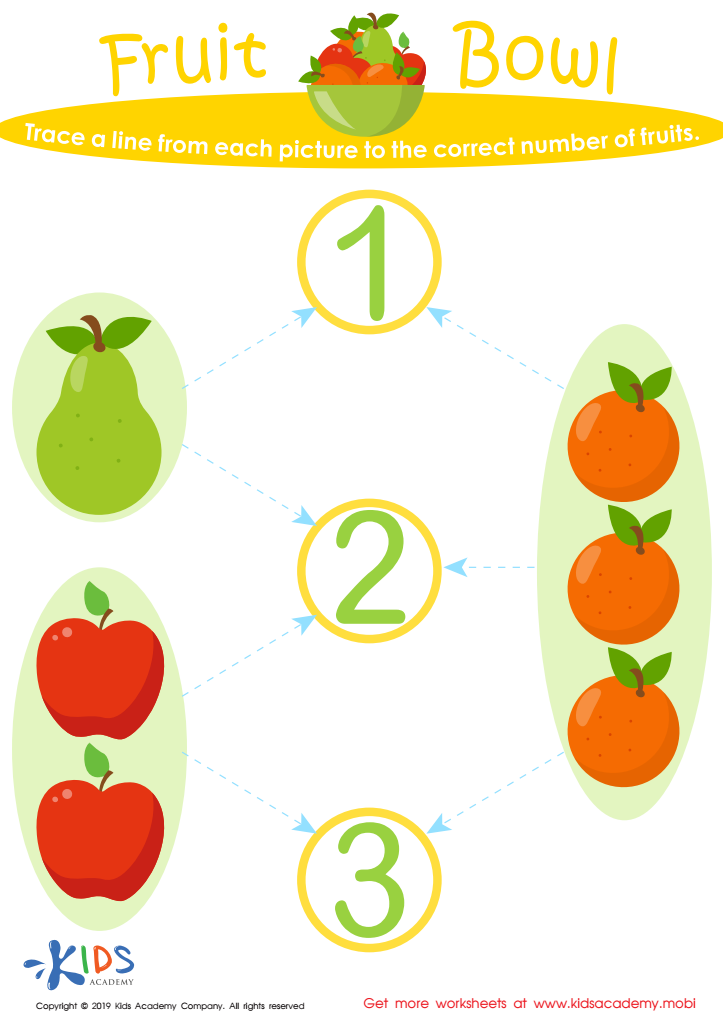
Fruit Bowl Worksheet
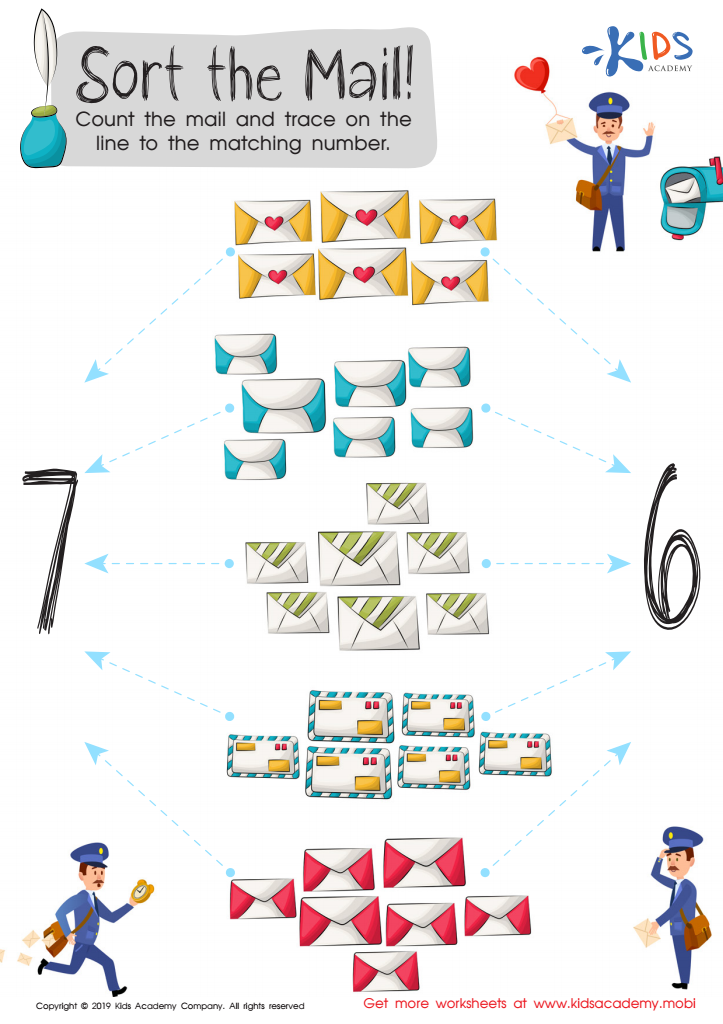
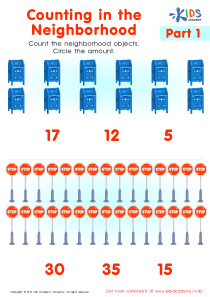
Sort the Mail Worksheet








Sorting skills are foundational for young children, particularly for those aged 3-8, as they serve as a critical building block for mathematical understanding and cognitive development. By engaging in sorting activities with easy numbers from 0-10, children learn to categorize, identify patterns, and understand relationships between quantities. These skills foster logic and reasoning, allowing children to make sense of their world in a structured way.
Sorting activities encourage parents and teachers to promote problem-solving and critical thinking. For instance, by grouping objects based on color, size, or quantity, children not only practice their numbers but also enhance their decision-making skills. Additionally, sorting helps to boost linguistic development as children learn to express their thoughts about different groups.
Moreover, sorting fosters independence and confidence in young learners. As they successfully categorize items on their own, they develop a sense of achievement that translates into a positive learning experience. This early skill set aligns with later mathematics concepts like classification and set theory, reinforcing the importance of targeted support. Overall, investing time in developing sorting skills with numbers lays a strong foundation for future academic success and lifelong learning.