Subtraction practice Easy Numbers 0–10 Worksheets for Ages 3-8
5 filtered results
-
From - To
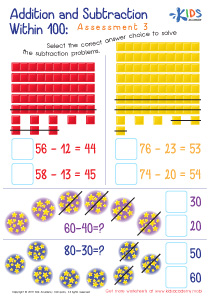
Welcome to our Subtraction Practice Easy Numbers 0–10 worksheets, designed specifically for children aged 3 to 8! These engaging and interactive worksheets provide young learners with the perfect opportunity to develop their subtraction skills in a fun and approachable way. Featuring colorful visuals and simple exercises, our resources help build confidence as kids practice subtracting with easy numbers. Ideal for early math education, these worksheets cater to various learning styles, promoting both understanding and enjoyment. Download your free worksheets today and watch your child's mathematical abilities grow while they have fun with subtraction! Perfect for at-home learning or classroom activities!
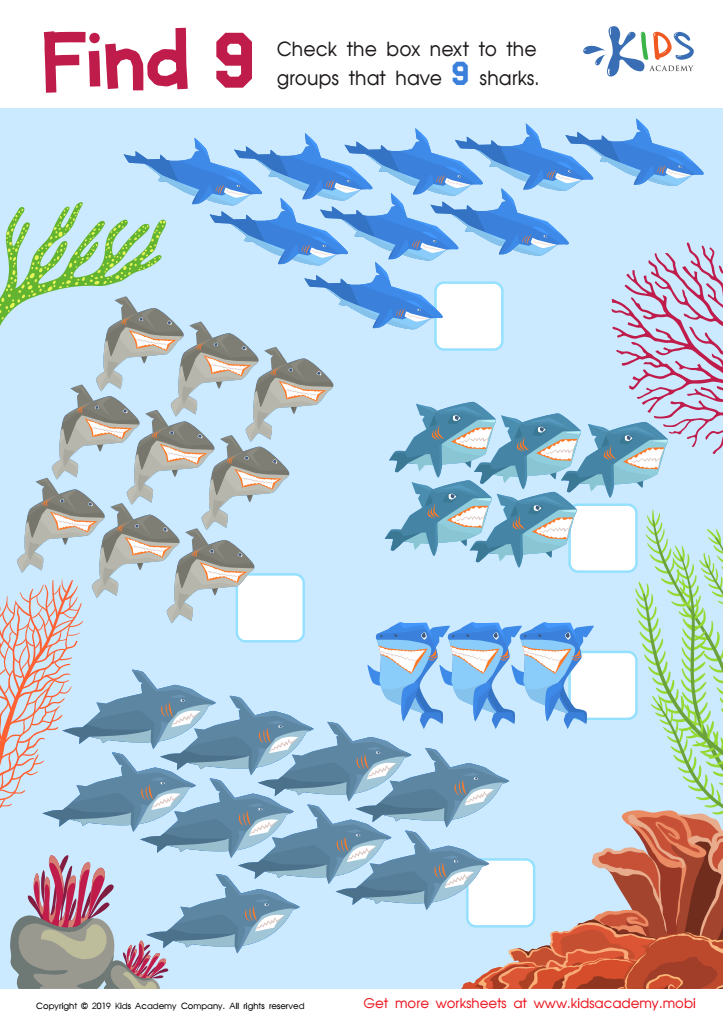
Find 9 Worksheet
 Assign to My Students
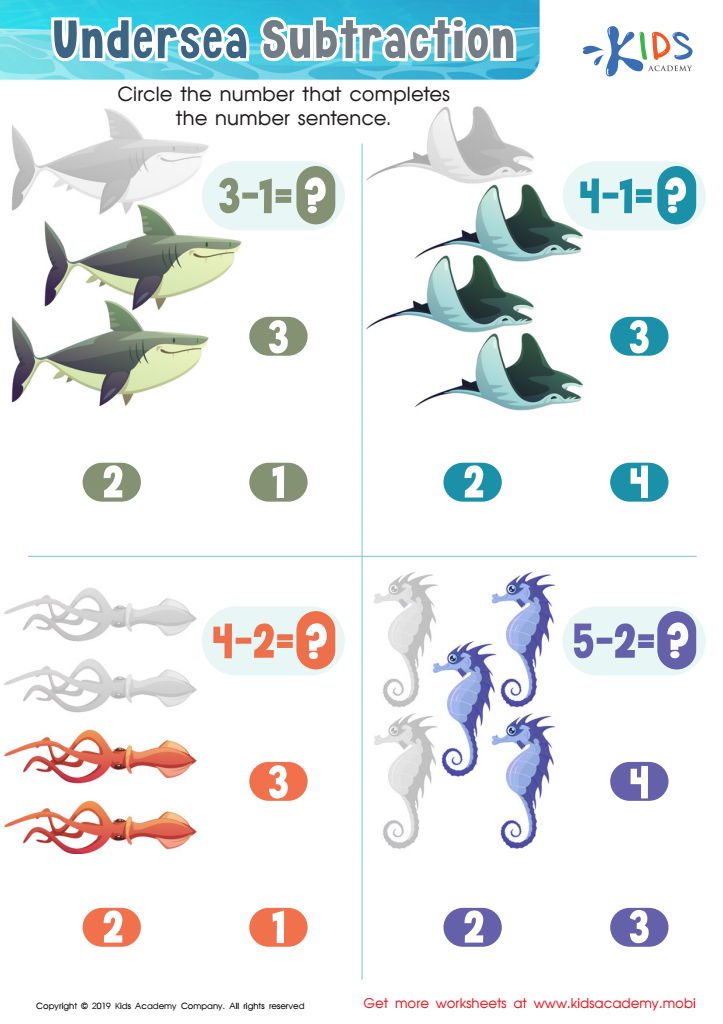
Undersea Subtraction Worksheet
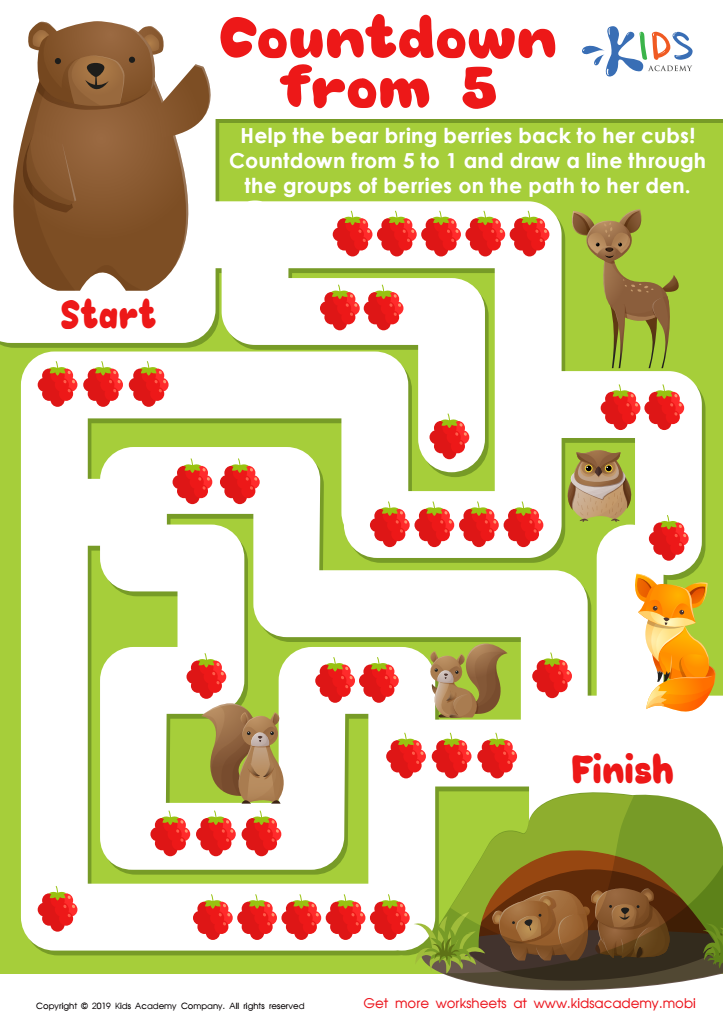
Countdown from 5 Worksheet
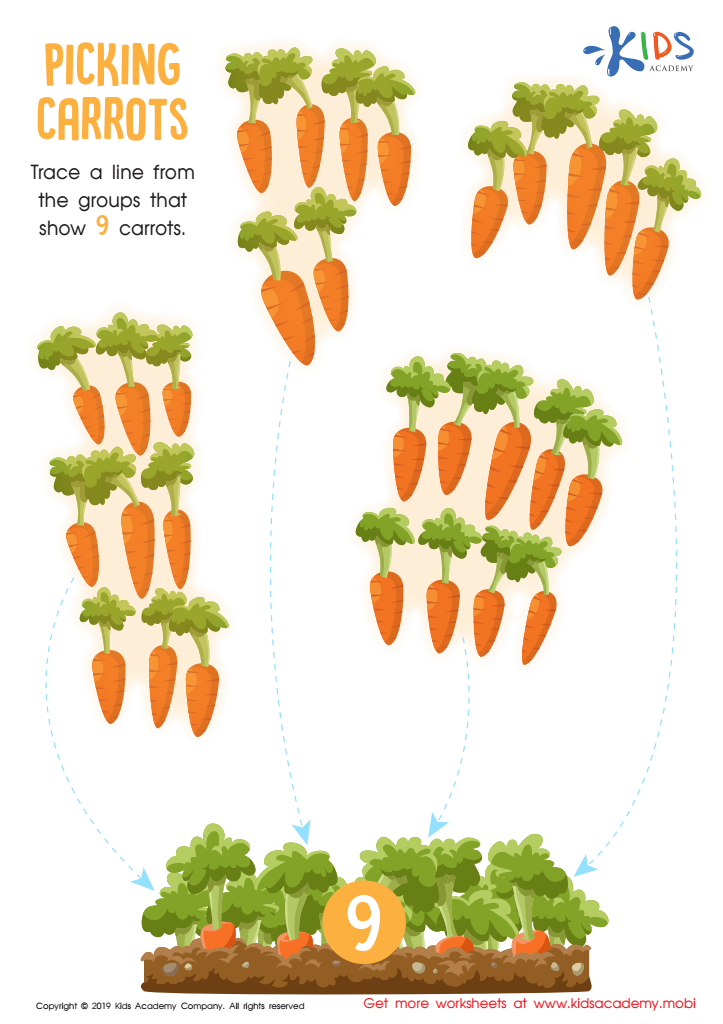
Picking Carrots Worksheet
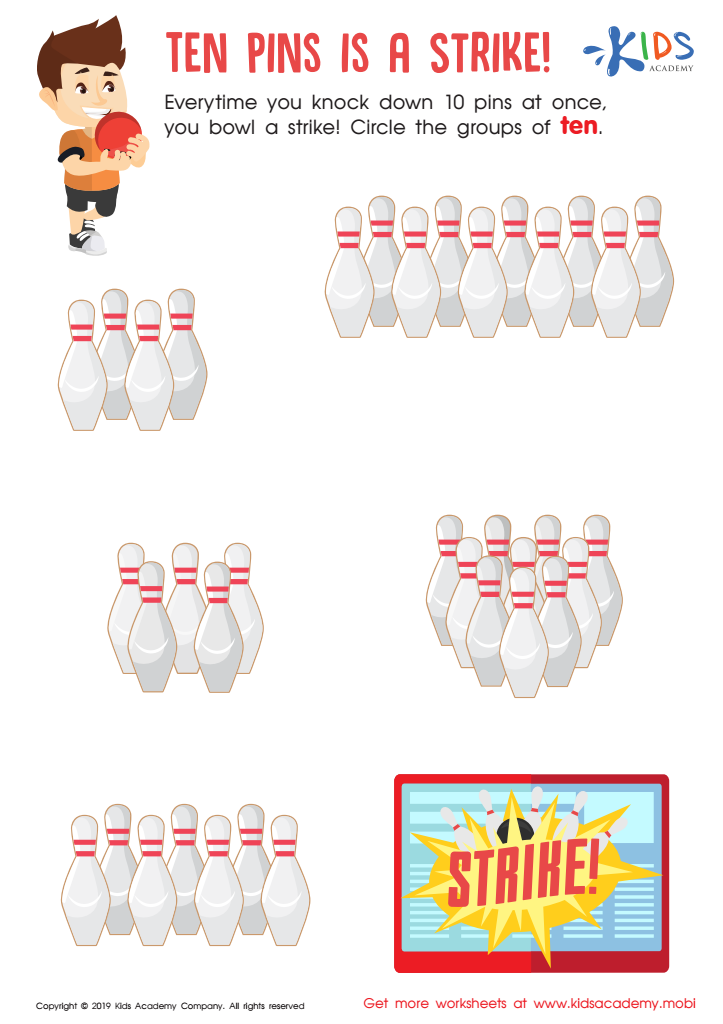
Ten Pins is a Strike Worksheet








Subtraction practice with easy numbers (0–10) is crucial for children aged 3-8, as it lays the foundation for their mathematical understanding and problem-solving skills. At this developmental stage, children are first introduced to the concept of subtraction, which helps them grasp the relationship between numbers, quantities, and concepts such as "taking away."
Parents and teachers should care about this because mastering basic subtraction promotes cognitive development, enhances critical thinking, and boosts confidence in younger learners. Engaging with subtraction through fun activities, games, or hands-on materials makes learning enjoyable and encourages children to explore mathematical concepts in an interactive way.
Additionally, consistent practice helps students recognize patterns and improve their fluency, setting the groundwork for more advanced mathematics in later grades. As children develop a solid understanding of subtraction, they also gain skills necessary for managing everyday challenges—such as sharing, measuring, and budgeting—aspects that contribute to real-world learning.
By prioritizing subtraction practice, parents and teachers foster a strong mathematical foundation essential for lifelong learning and academic success. Ultimately, nurturing these skills early on empowers children to become confident, curious learners who view math as an engaging and relevant subject.