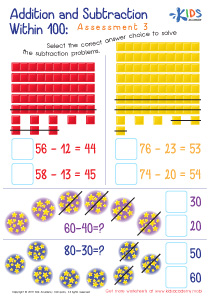
Hand-eye Coordination Easy Numbers 11–20 Worksheets for Ages 3-8
3 filtered results
-
From - To
Welcome to our "Hand-eye Coordination Easy Numbers 11–20 Worksheets for Ages 3-8"! Designed to engage young learners, these fun and interactive worksheets help children develop essential hand-eye coordination skills while learning to recognize and write numbers 11 through 20. Each meticulously crafted activity combines playful graphics and educational content, enabling kids to enhance their motor skills through tracing, connecting dots, and coloring exercises. Perfect for both classrooms and home use, these worksheets provide a seamless blend of education and entertainment. Foster your child's math abilities and coordination skills today, setting the foundation for a lifetime of learning!
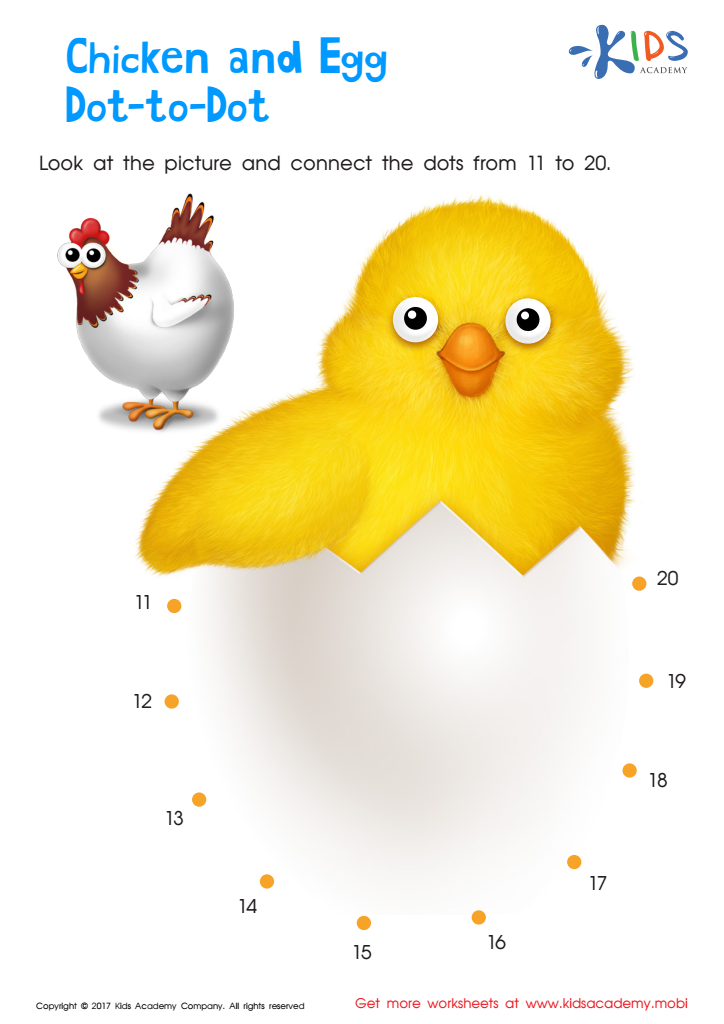
Ordering 11–20: Chicken & Egg Dot–to–dot Worksheet
 Assign to My Students
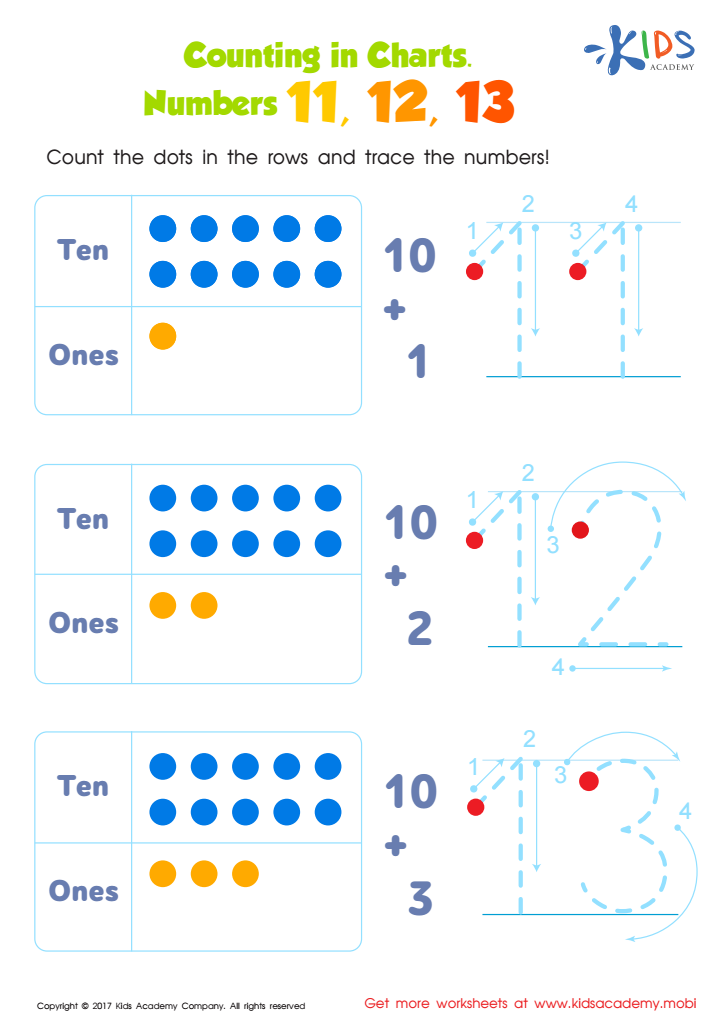
Number Tracing Worksheet For Kindergarten
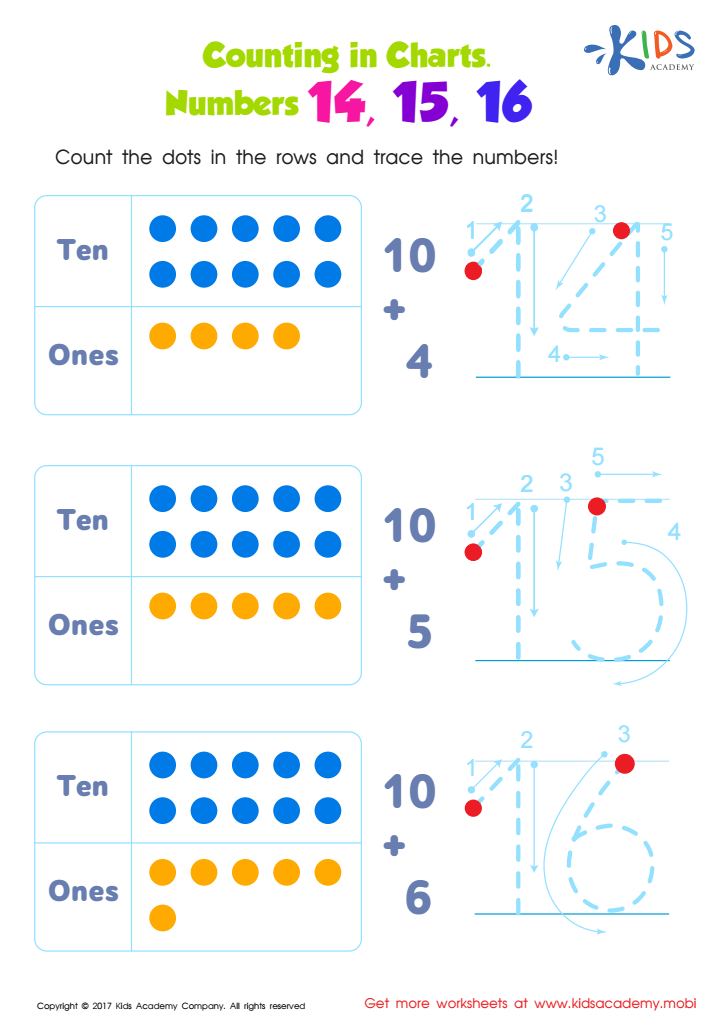
Number Tracing Worksheet



Hand-eye coordination is a crucial developmental skill for children, particularly for ages 3-8, as it lays the foundation for numerous everyday tasks, including writing, drawing, catching balls, and even zipping jackets. Engaging children in activities that require coordination helps strengthen neural connections in the brain, fostering cognitive and motor skills essential for learning.
Focusing on easy number recognition from 11-20 integrates hand-eye coordination practice with early math education. Simple activities, such as counting objects while placing them in groups, reinforce both numerical and physical skills. For instance, using blocks or beads encourages kids to accurately reach and pick up items, enhancing their coordination while solidifying their understanding of numbers.
Moreover, good hand-eye coordination can boost a child's confidence. Children who struggle with these skills may feel discouraged, affecting their willingness to engage in learning activities. By incorporating fun and age-appropriate exercises that connect hand-eye coordination with number recognition, teachers and parents create a positive learning environment that promotes holistic development.
In summary, prioritizing hand-eye coordination through number games not only aids in fine motor skill development but also enriches a child's numerical literacy, setting them up for future academic success.