Color recognition Easy Building Vocabulary Worksheets for Ages 3-8
6 filtered results
-
From - To
Introducing our Color Recognition Easy Building Vocabulary Worksheets, designed for children ages 3-8. These engaging and educational worksheets help young learners identify and name various colors while enhancing their vocabulary skills. With fun activities including coloring, matching, and word association, your child will develop a strong foundation in basic color recognition and language development. Perfect for preschoolers and early elementary students, our worksheets provide an enjoyable learning experience that supports both cognitive and linguistic growth. Download and print today to boost your child's confidence and academic success in a colorful way!
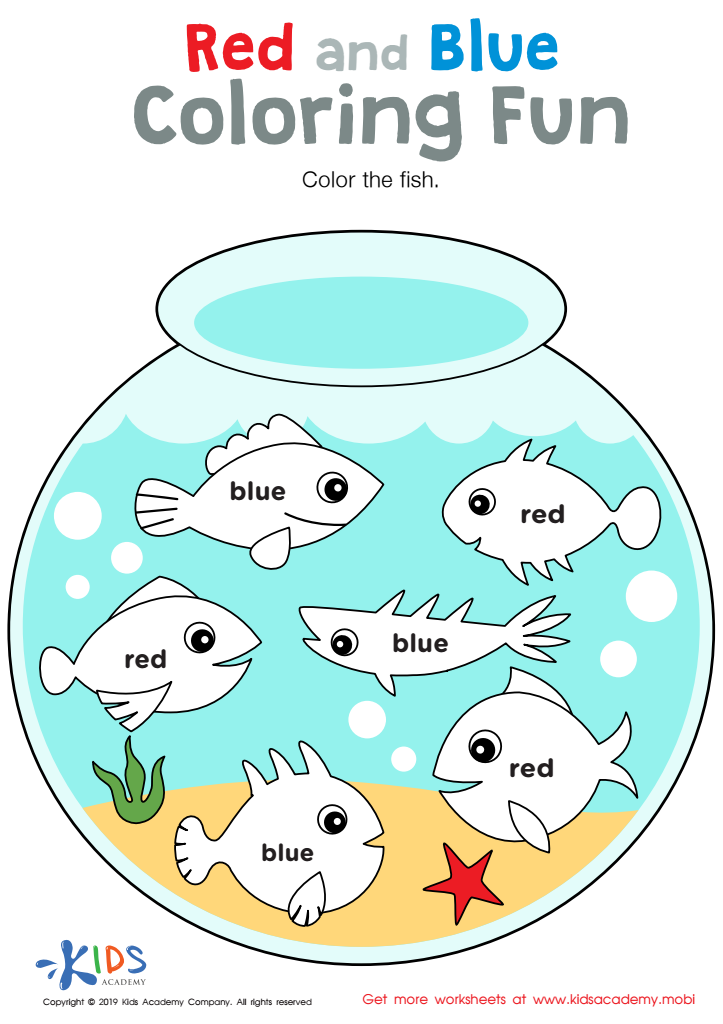
Red and Blue Coloring Fun Worksheet
 Assign to My Students











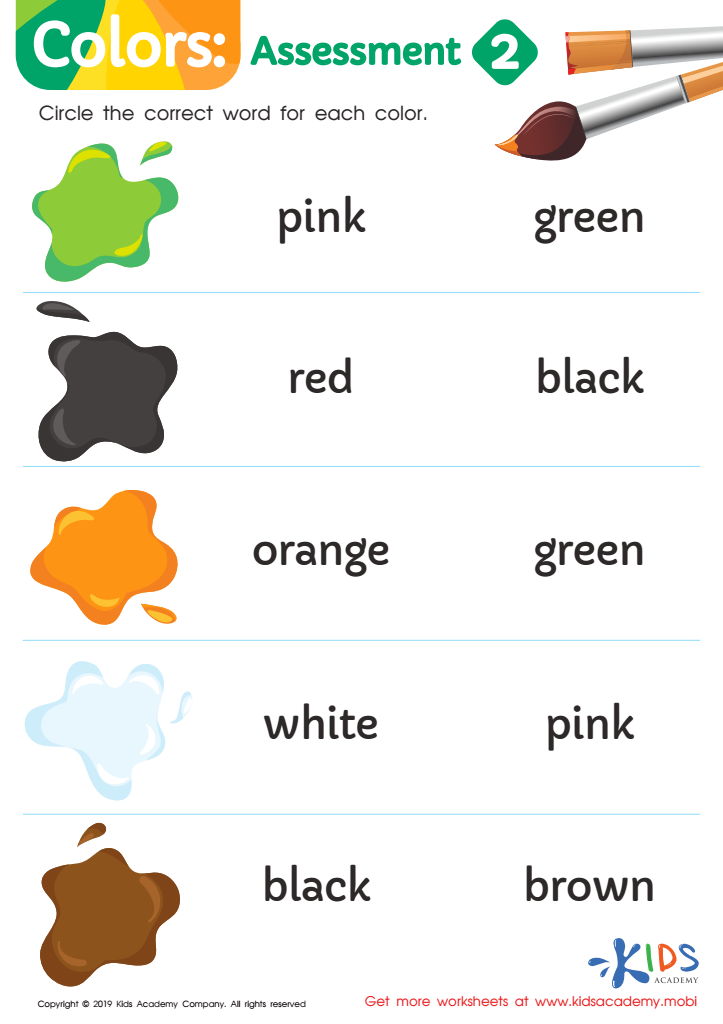
Colors: Assessment 2 Worksheet
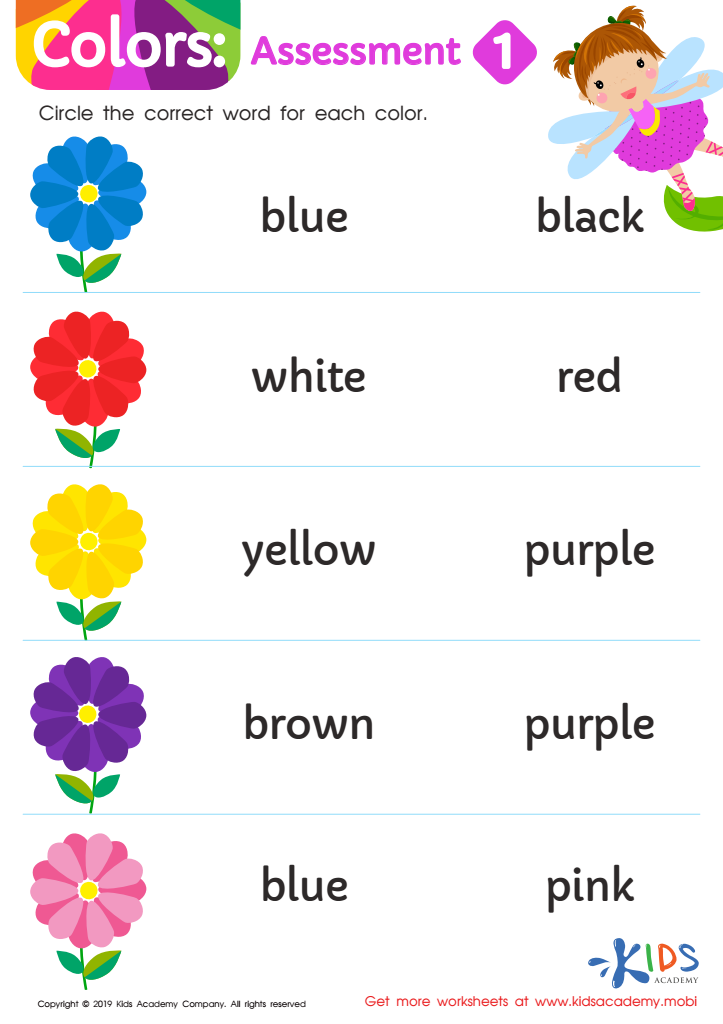
Colors: Assessment 1 Worksheet
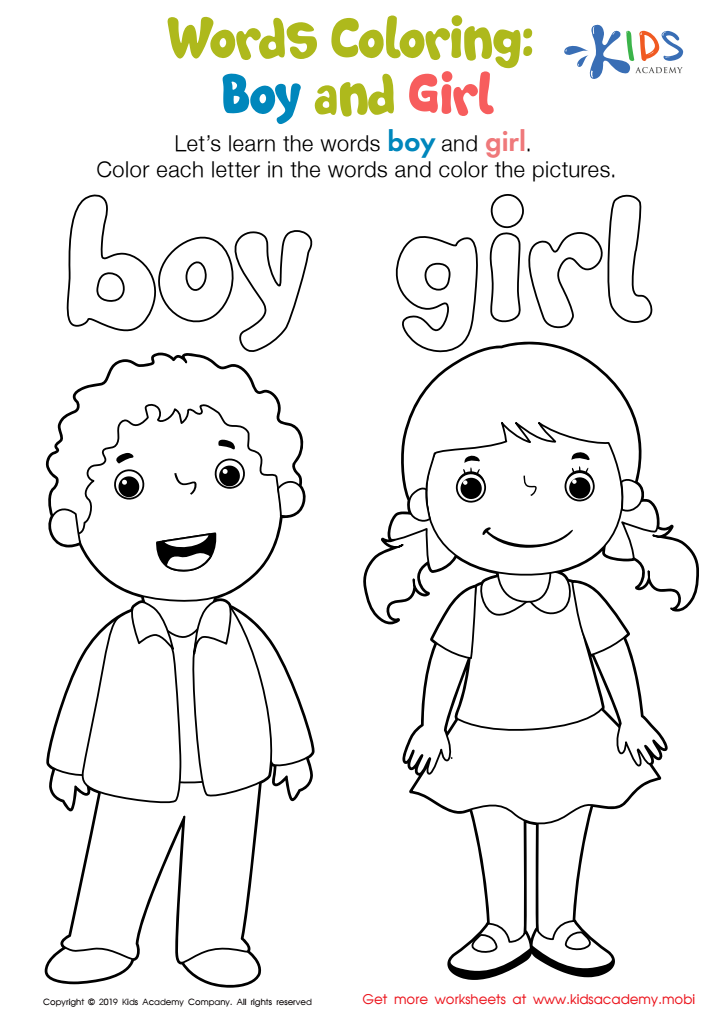
Boy and Girl Words Coloring Worksheet
Assign to My Students
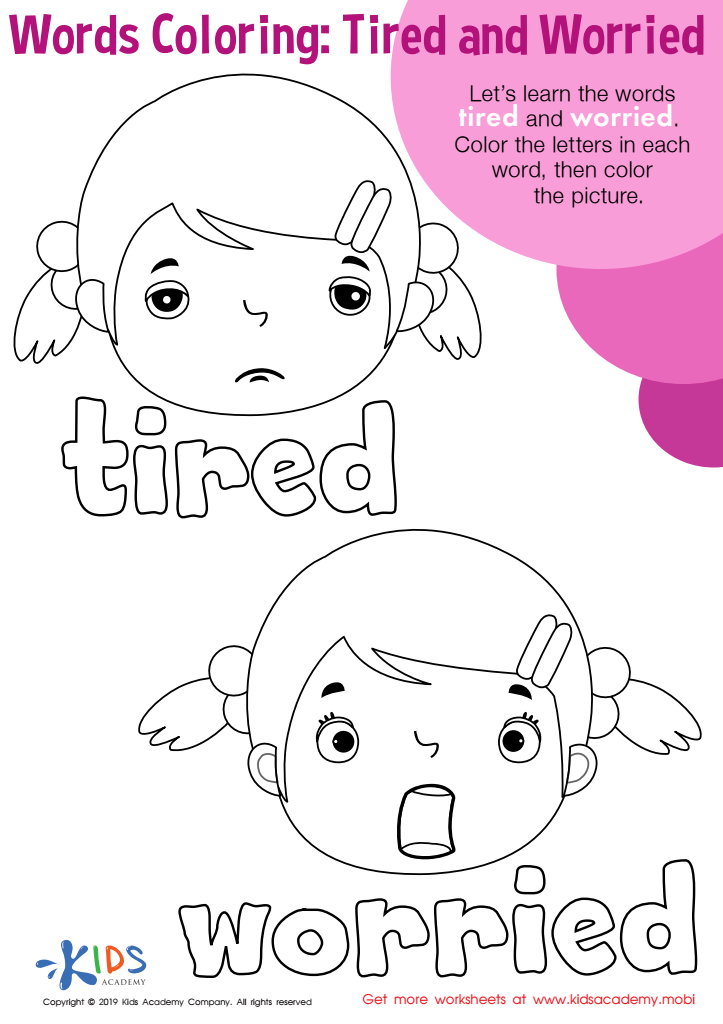
Tired and Worried Words Coloring Worksheet
Assign to My Students
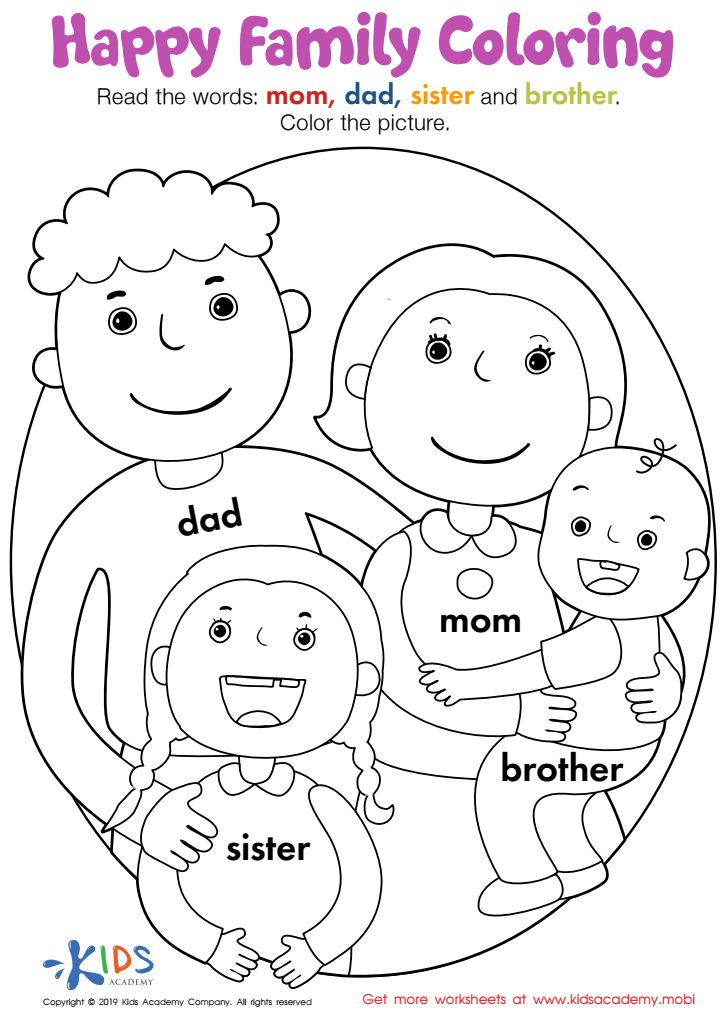
Happy Family Coloring Worksheet
Assign to My Students



.jpg)




Parents and teachers should prioritize color recognition and easy vocabulary building for children ages 3-8 because it lays a fundamental foundation for their intellectual development and academic success. Recognizing colors helps children differentiate objects, understand their environment, and improves their attention to detail. As children identify and name colors, they expand their vocabulary, which is crucial for effective communication. This early language development boosts cognitive abilities, reading skills, and overall literacy.
Furthermore, integrating color recognition with vocabulary exercises actively engages young learners. Activities like sorting objects by color or naming different colored items make learning fun and interactive, promoting stronger retention of information. These activities also enhance fine motor skills as children manipulate objects and work on coordinated tasks.
Socially, discussing colors and everyday items in the environment provides opportunities for interaction, conversation, and collaborative play with peers or adults. This social engagement fosters emotional development and confidence in verbal expression.
Color recognition and vocabulary building are foundational skills for more complex concepts such as following instructions, problem-solving, and logical thinking. By focusing on these skills early, parents and teachers create a strong educational base, ensuring children are well-prepared to tackle future academic challenges and to communicate effectively in their everyday lives.